Does fully comprehensive insurance cover engine damage? Info
Find out when your comprehensive car insurance covers engine damage and which costs are covered. Learn more now at nextsure!
 Katrin StraubManaging DirectorInsurance expert with over 20 years of experience in the insurance industry.
Published on
Last updated on
4 min read
Table of Contents
Engine damage: When comprehensive insurance pays out and what you need to know
Engine damage is the nightmare of many drivers and is often associated with high costs. Find out here in which cases your comprehensive car insurance comes into play and how you are ideally protected.
Quick overview: When does comprehensive insurance cover engine damage?
Comprehensive insurance usually only covers engine damage if it is a direct consequence of an insured event. A typical example is an accident caused by the policyholder, in which the engine is damaged. Vandalism can also be a covered cause if it affects the engine. Pure operating damage, such as wear and tear or material fatigue, is usually excluded from cover. It is crucial to determine the cause of the engine damage precisely, as this can decide whether costs are covered by up to 100 per cent.
Practical cases: when comprehensive insurance actually pays out – and when it doesn’t
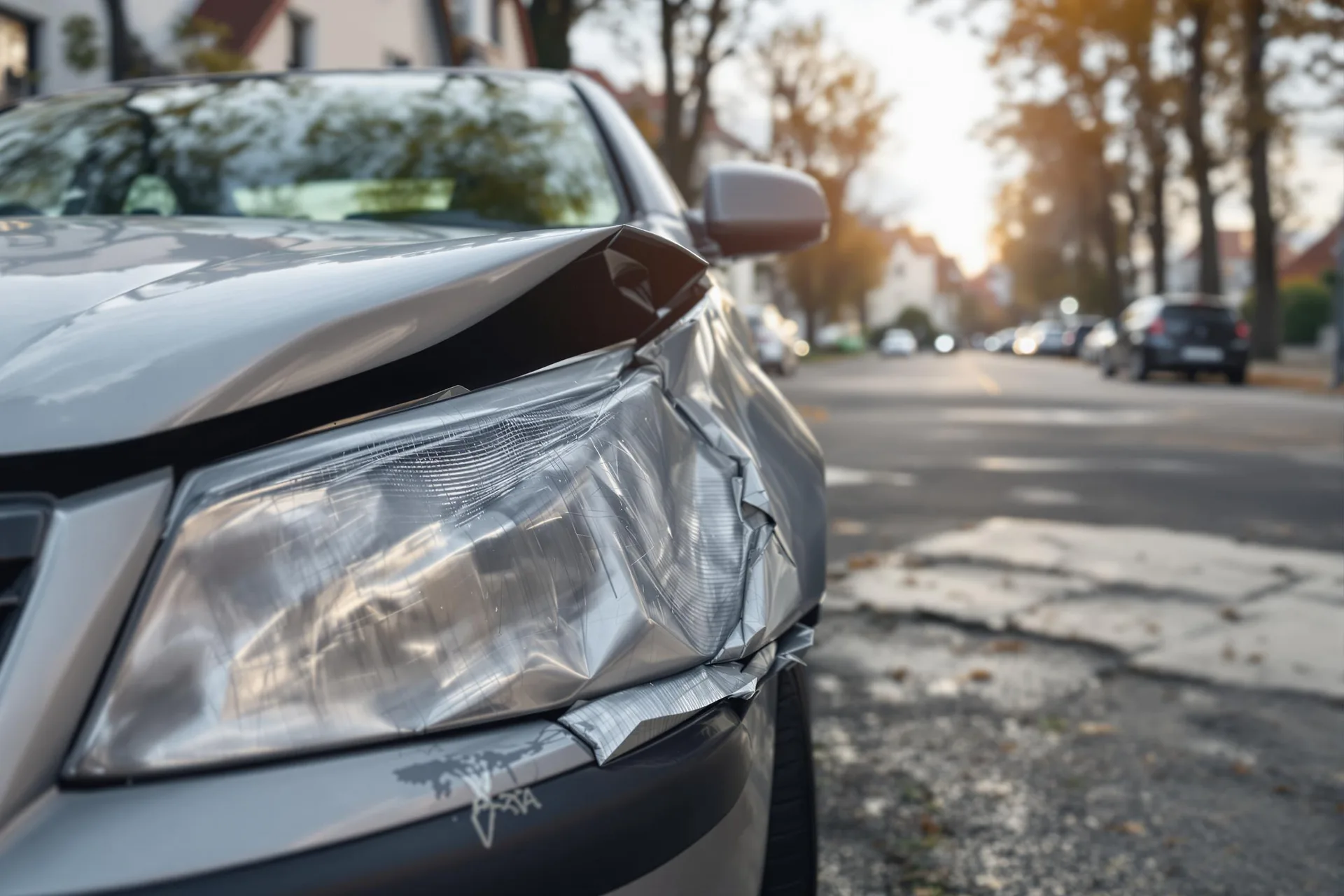
Imagine causing a rear-end collision that cracks your engine block; in this case, your comprehensive cover would usually cover the repair costs for the engine damage, less your excess of, for example, 300 euros. Another scenario: unknown people pour sugar into your tank, leading to serious engine damage – this is also often a case for comprehensive cover on the grounds of vandalism. The situation is different if the timing belt snaps after 150,000 kilometres; this is considered mechanical damage and is usually not covered by comprehensive cover. The distinction is crucial here for the insurer’s coverage decision.
Here are typical scenarios in which comprehensive cover applies, or does not:
- Accidental damage (your fault): You miss a stop sign and collide with another vehicle. The engine is damaged. Comprehensive cover usually pays. Damage can quickly exceed 5,000 euros.
- Vandalism: Someone deliberately damages your engine, for example by cutting coolant hoses. Comprehensive cover is responsible here.
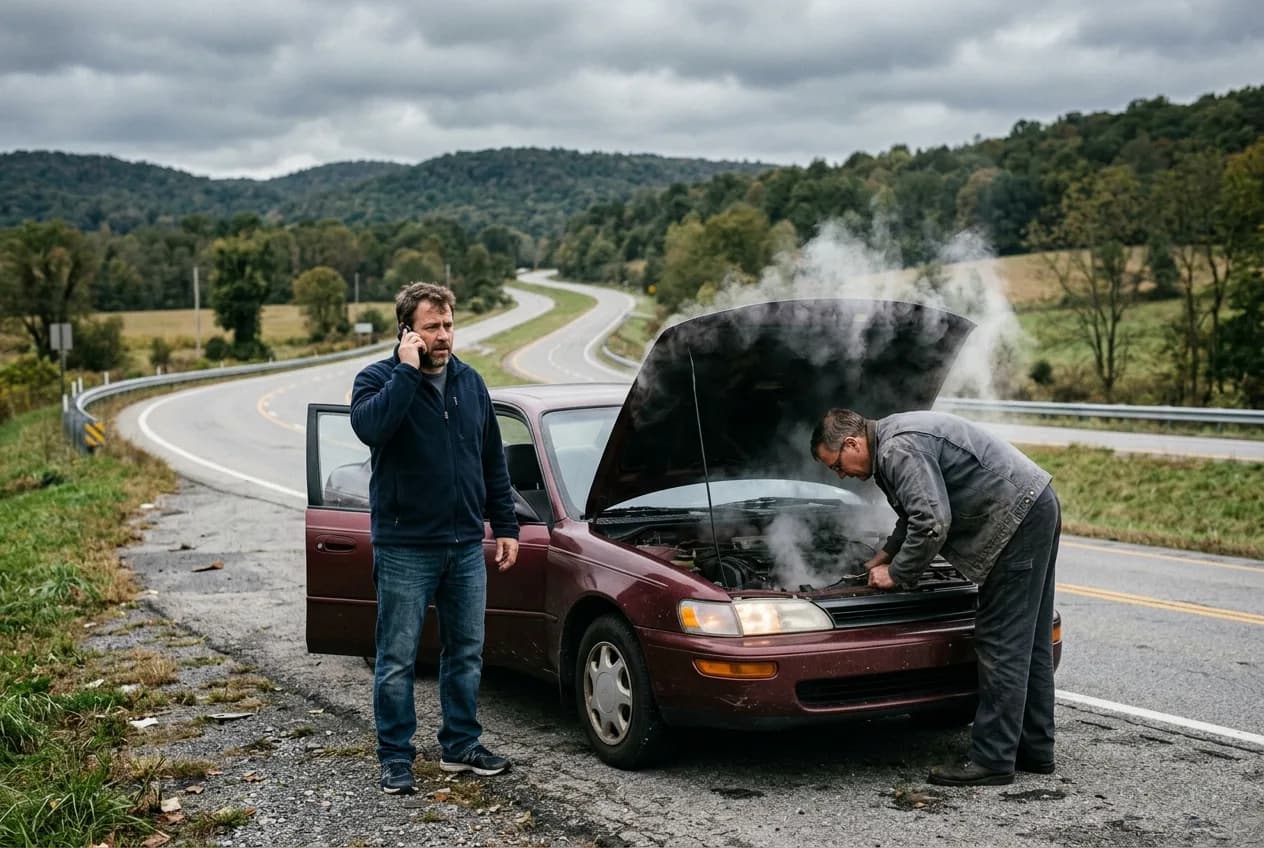
- Mechanical damage: The engine overheats due to insufficient coolant caused by an unnoticed, age-related defect. Comprehensive cover usually does not pay here.
- Operator error: You accidentally fill your diesel vehicle with petrol and drive off, resulting in engine damage. Many policies exclude this; a few goodwill arrangements are conceivable.
- Consequential damage from a marten bite: A marten chews through a coolant hose, fluid escapes unnoticed, and the engine overheats. Here the partial cover could pay if consequential damage is insured. Comprehensive cover is not primarily relevant here.
These examples show how important the precise determination of cause is for the insurer’s decision on cover.
Operating damage versus accidental damage: understanding the crucial distinction
Insurers make a strict distinction between operating damage and accident damage, which often leads to discussions. An accident is defined as an event that directly and suddenly acts on the vehicle from outside with mechanical force. Engine damage caused, for example, by a collision with an obstacle in which the oil sump is damaged and oil leaks out, is considered accident damage. If the engine then suffers damage shortly afterwards as a result of the oil loss, this is attributable to the accident and comprehensive insurance should pay out. By contrast, operating damage arises from the vehicle's internal operation, for example due to material fatigue, wear and tear or operator error. A broken V-belt that then damages the timing belt is often classified as operating damage if no external influence can be demonstrated. This distinction is of central importance to the question of whether the comprehensive cover for engine damage pays out.
Expert depth: Legal foundations and current rulings
The General Terms and Conditions for motor vehicle insurance (AKB) form the legal basis for claims decisions. The AKB precisely define what counts as an insured loss. In the event of engine damage, the interpretation of these conditions is often decisive. Courts have often had to deal with distinguishing between operating damage and accident damage. For example, a ruling by the Landshut Regional Court (case no. 72 O 1961/18) made clear that engine damage caused by damaged V-belts and timing belts is an uninsured operating loss if no external influence can be proven.
Another ruling by the Koblenz Higher Regional Court (case no. 10 U 742/10) held that comprehensive insurance must cover radiator damage and the resulting engine damage if the radiator damage may have been caused by a part thrown up from the road or by an impact (both accident events). Accurate documentation of how the damage occurred is therefore essential for a successful claim. Our expert tip: Keep a detailed log and take photos if you have had an accident that could potentially lead to engine damage. This can strengthen your position with the insurer by up to 100 per cent.
Important aspects from case law are:
- Burden of proof: As a rule, the policyholder must prove that the engine damage was the result of an insured event (accident, vandalism).
- Causation: There must be a direct causal link between the accident event and the engine damage.
- Definition of accident: The courts base their interpretation of the term accident on the AKB – „sudden, external, mechanical force“.
- Operating risk vs accident: Pure damage caused by normal operating risk or wear and tear is not covered.
Knowing these points will help you assess your situation better if your comprehensive insurance does not want to pay.
Action recommendations: What to do in the event of engine damage?
If you suspect engine damage, you should first stay calm and park the vehicle safely to avoid consequential damage; often, this is already the first step in minimising the loss. Report the damage to your insurer immediately – many insurers have a 24-hour hotline for this. Document the damage and what happened as precisely as possible, ideally with photos and witness statements, if available. Obtain a quote from a specialist workshop. Our expert tip: Before repairs begin, clarify with your insurer who will cover the costs, so you do not end up footing a bill of perhaps 4,000 euros. If the insurer refuses to pay, check the reasons carefully and, if necessary, seek independent advice. Sometimes repair cost insurance can also be an alternative, especially for vehicles for which comprehensive cover is no longer worthwhile.
Alternative cover: repair cost insurance as an option
As comprehensive cover does not cover every engine failure, a separate repair cost insurance can be a useful addition, especially for older vehicles with more than 100,000 kilometres on the clock. This insurance often also covers costs for pure mechanical damage that was not caused by an accident. The sums insured and conditions vary considerably; there are often age and mileage limits for the vehicle, for example up to ten years or 150,000 kilometres. The amount of reimbursement can also depend on the mileage; at 50,000 kilometres, perhaps 100 per cent of the costs are covered, while at 120,000 kilometres only 40 per cent. Check the policy details carefully before taking out such a policy in order to complement the benefits of comprehensive cover optimally.
Prevention: How to prevent engine damage
Although not all engine damage can be prevented, you can minimise the risk through regular maintenance and defensive driving. Keep to the service intervals recommended by the manufacturer; an oil change often costs only around 100 euros, but it can prevent expensive damage. Watch for warning lights on the dashboard and have any irregularities checked immediately. Avoid sustained high-rev driving and cold starts at high engine speed. A sound comprehensive insurance policy is good, but a functioning engine is better. Regular checks of the oil level and coolant, which only take a few minutes, are also important.
Here are some specific tips for prevention:
- Regular oil changes and checking the oil level (at least every 1,000 kilometres).
- Keep an eye on the coolant level and check the antifreeze.
- Observe the timing belt replacement intervals (often every 120,000 kilometres or after six to eight years).
- Warm the engine up gently, especially in winter.
- Watch for unusual engine noises or loss of power and react immediately.
- Have regular inspections carried out to identify problems at an early stage.
These measures can extend the life of your engine by many tens of thousands of kilometres.
nextsure: Your partner for tailored insurance cover
The question of whether comprehensive insurance pays out in the event of engine damage is complex and depends on many factors. As your digital insurance portal, nextsure, we offer you not only comprehensive information, but also personalised advice to find the right cover for your vehicle. We help you understand the terms of your car insurance and support you in the event of a claim. Our mission is to offer you tailored, easy-to-understand insurance solutions. With our expertise in the field of motor insurance, including own-damage cover, we ensure you have the best possible protection.
Frequently asked questions
- Does my fully comprehensive insurance cover any engine damage?
No, comprehensive insurance does not cover every engine damage. It usually only covers engine damage that arises directly from an accident caused by the policyholder or from vandalism. Pure wear and tear damage or damage caused by user error (operating damage) is usually excluded.
- What is the difference between accident damage and operating damage to the engine?
Damage to the engine caused by an accident arises from a sudden event acting from outside with mechanical force (e.g. a collision). Damage arising from operation originates from within the vehicle, e.g. through wear and tear, material defects or incorrect operation, without direct external influence.
- My engine is damaged because of a broken timing belt. Does comprehensive insurance cover it?
A broken timing belt is usually considered a mechanical failure, as it is due to wear and tear or material fatigue. In such cases, comprehensive insurance generally does not pay out, unless the break was the direct result of an accident.
- What can I do if my comprehensive insurance refuses to cover the engine damage?
Carefully check your insurer’s reasons for rejecting the claim. Compare these with your policy terms and conditions (AKB). If anything is unclear or you suspect the assessment is incorrect, you can lodge an objection, appoint an expert or seek legal advice. Sometimes a detailed account of what happened, supported by evidence, can also help.
- Is additional repair cost insurance for engine damage worth it?
A repair cost insurance policy can be particularly worthwhile for older vehicles, where the risk of a mechanical breakdown is higher and fully comprehensive insurance no longer applies. It often also covers damage that is not caused by an accident. However, compare the terms carefully (age, mileage, excess, scope of cover).
- How do I properly report engine damage to my insurance company?
Report the damage to your insurer immediately by phone or online. Describe the incident in detail and truthfully. Take photos of the damage and, if applicable, the scene of the accident. Obtain a quotation and submit all documents in full. Clarify who will cover the costs before the repairs begin.
Sources
- [1]The ADAC offers comprehensive information on fully comprehensive car insurance and its benefits.
- [2]Finanztip provides independent advice and detailed explanations of fully comprehensive car insurance.
- [3]Wikipedia provides a general overview of the concept of fully comprehensive car insurance.
- [4]Haufe, a specialist publisher for law and business, explains the important distinction between accident and operational damage in the context of motor insurance.