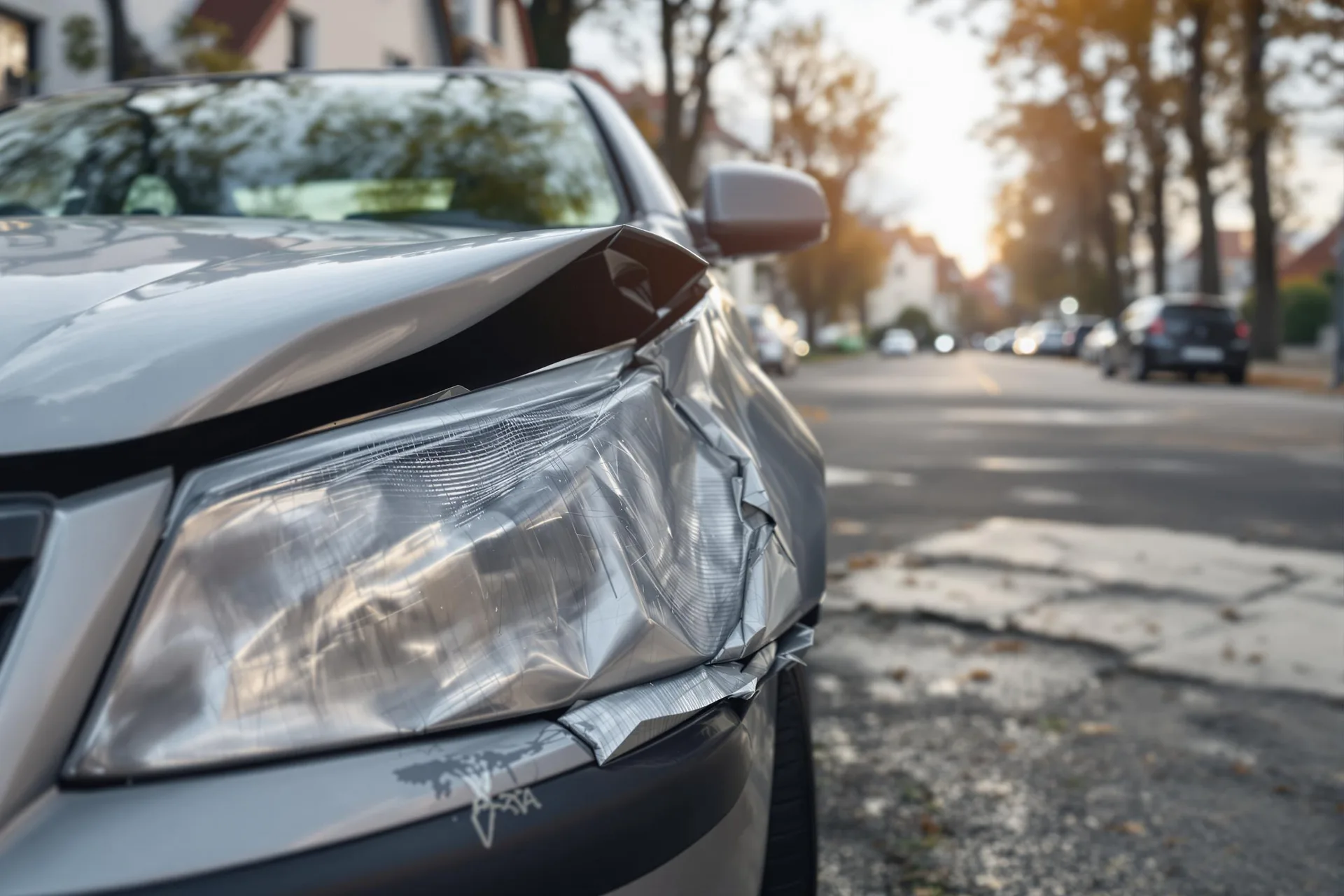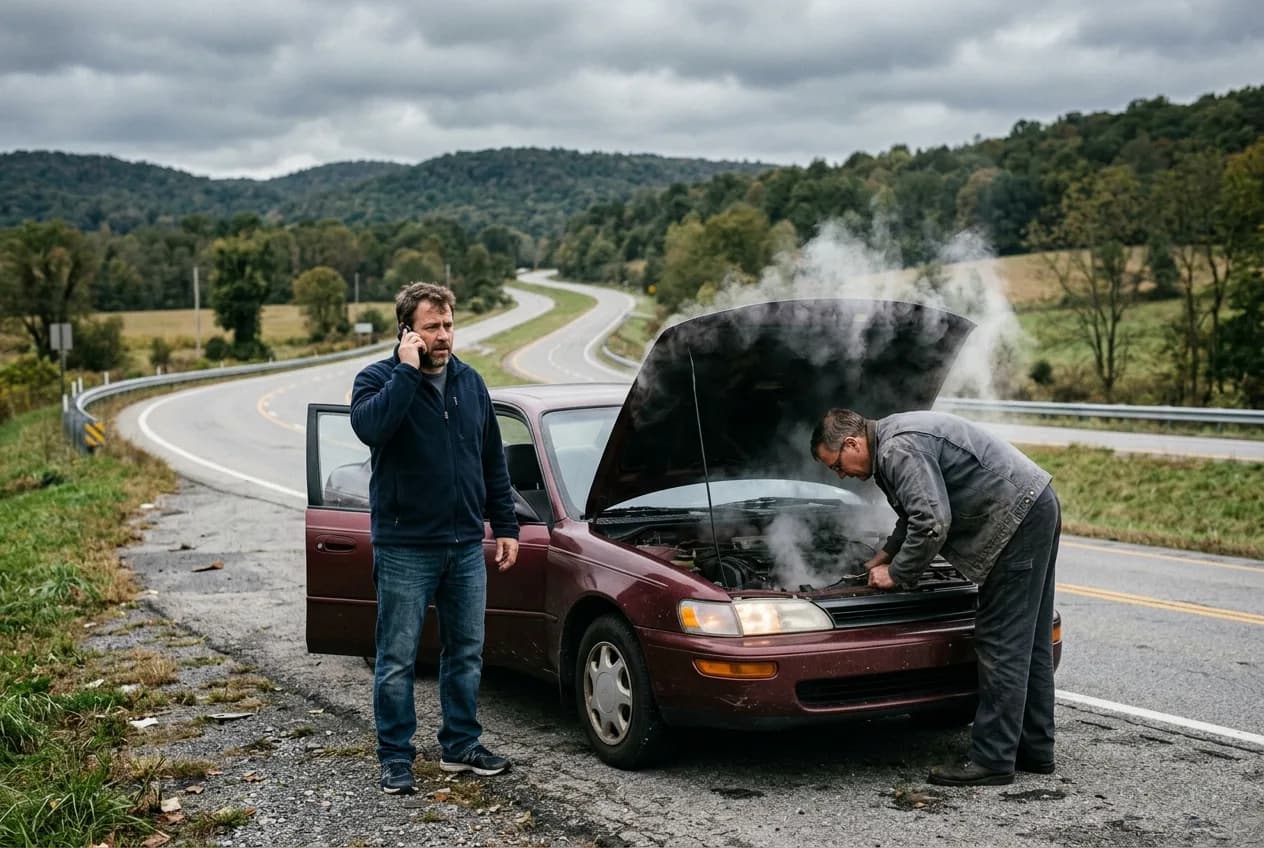
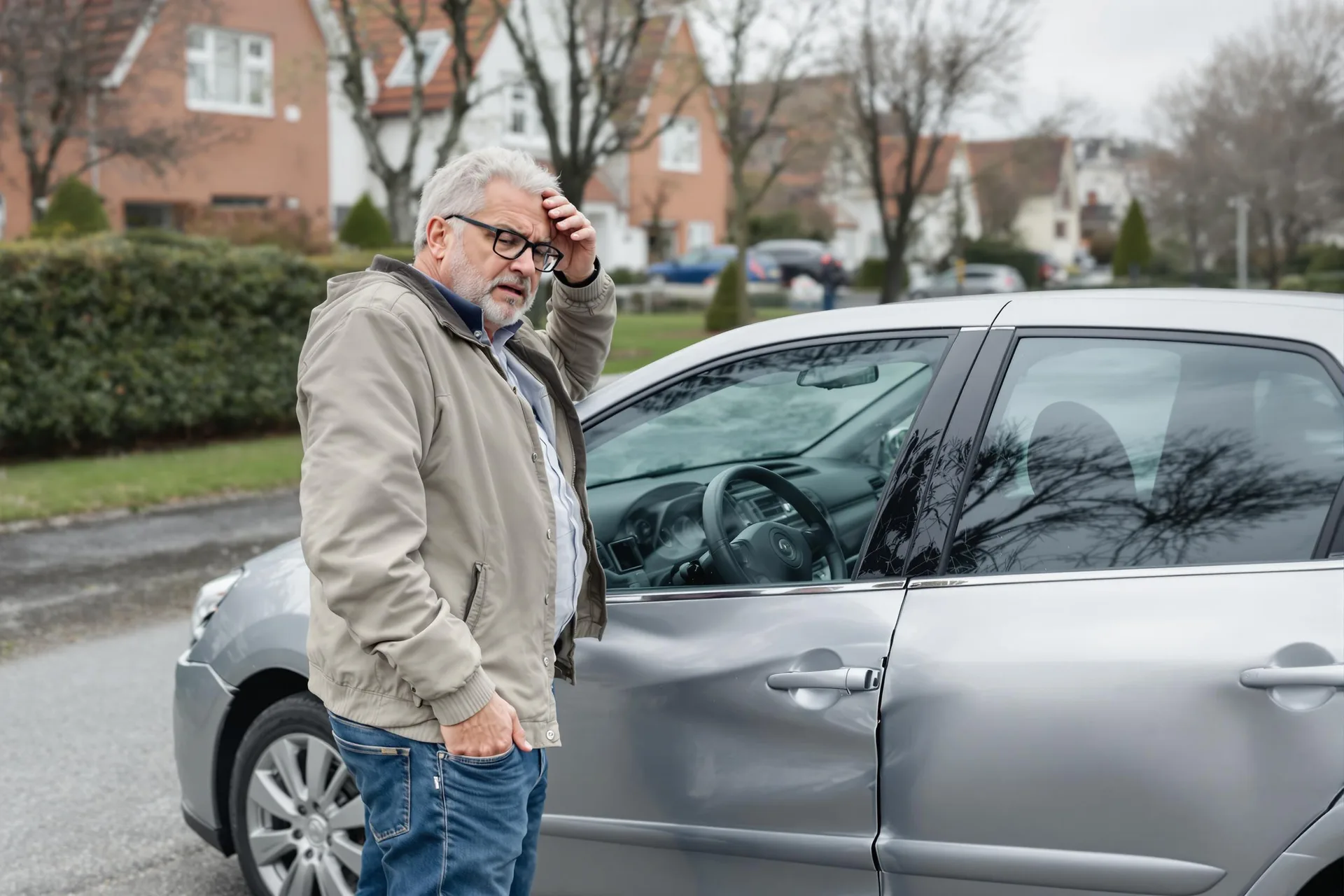
When does comprehensive insurance not pay? Reasons & tips
Find out when your comprehensive car insurance won’t pay out (e.g. in cases of gross negligence) and how to avoid reduced payouts. Find out more now!
 Katrin StraubManaging DirectorInsurance expert with over 20 years of experience in the insurance industry.
Published on
Last updated on
6 min read
Table of Contents
Comprehensive cover won't pay: When your fully comprehensive insurance can refuse to pay out and how you can protect yourself
You rely on your comprehensive car insurance, but what happens if it doesn’t pay out in the event of a claim? Find out what pitfalls there are and how to make sure your cover applies when you need it most.
Understanding benefit exclusions: the most common reasons for refusing payment
Comprehensive cover is an important component in protecting your vehicle. However, there are clearly defined scenarios in which the comprehensive cover does not pay. A common reason is deliberate action, that is, when damage is caused intentionally – in such cases, insurance cover generally lapses. Damage caused by war events or nuclear energy is also usually excluded. Another point is unauthorised modifications to the vehicle, which can lead to the loss of operating approval. Wear and tear are likewise not covered by comprehensive cover. It is essential to check your own policy conditions carefully, as the exclusions can vary in detail. Understanding these basics helps to avoid nasty surprises in the event of a claim.
Gross negligence: A fine line with costly consequences
Gross negligence is one of the main reasons why fully comprehensive insurance refuses payment or at least reduces it. It exists when the required duty of care has been breached to an especially serious degree. A classic example is driving under the influence of alcohol: from as little as 0.3 per mille, benefits may be reduced by 50 to 100 per cent; above 1.1 per mille, comprehensive cover often pays nothing at all. Using a mobile phone at the wheel or running a red light can also be classed as grossly negligent. The consequences are significant: the insurer may reduce the benefit in proportion to the seriousness of the fault. In some policies, waiver of the defence of gross negligence can be included for an additional premium of around 5 to 10 per cent. This aspect should be taken into account when comparing partial and fully comprehensive cover.
Here are some examples of gross negligence in road traffic:
- Driving at significantly excessive speed, especially in poor weather conditions (e.g. 100 kilometres per hour instead of the permitted 60 on cobblestones).
- Dangerous overtaking manoeuvres, for example at 140 kilometres per hour on a wet road in a bend.
- Ignoring stop signs or red traffic lights.
- Operating the navigation device while driving.
- Leaving the vehicle on a slope without the handbrake applied and in gear.
- Leaving the ignition key in the vehicle or parking the car unlocked.
- Driving despite being overtired, if signs such as yawning were ignored.
- Distraction by searching for a radio station or handling objects while driving.
The exact assessment always depends on the individual case, but these examples illustrate the risks. A conscious approach to these sources of danger is essential.
Taking contractual obligations seriously: breaches of duty and their consequences
In addition to gross negligence, so-called breaches of contractual duties can also result in comprehensive motor insurance not paying out. Contractual duties are obligations specified in the insurance policy. A key duty is to report a claim immediately and truthfully. Anyone who makes false statements here or misses deadlines risks their insurance cover. Particularly critical is leaving the scene of an accident without permission (hit-and-run). This constitutes a serious breach of the duty to cooperate in clarifying the facts and can lead to the insurer being completely released from liability, as court rulings confirm.
Even if you are in shock, this does not release you from the duty to remain at the scene of the accident and allow the necessary findings to be made. Using a repair shop not arranged by the insurer when a workshop bonus has been agreed can also lead to reductions; often only eighty percent of the damage is then reimbursed. Find out about the General Conditions for Motor Vehicle Insurance to know your obligations.
Specific exclusions and tariff details: What is often overlooked
Some exclusions are more specific and easy to overlook. These include damage caused by unauthorised drivers if the circle of permitted drivers has been restricted in the policy. Technical defects such as severely worn tyres or an out-of-date MOT can also become problematic if they were the cause of the accident. In such cases, the insurer may reduce benefits due to gross negligence. In the case of damage caused by wild animals, it is important to check exactly which species are covered by the policy – some tariffs cover only accidents involving game, while others cover accidents involving animals of any kind. Consequential damage, for example after a marten bite, is often covered only up to a certain amount or not at all if this is not explicitly included in the tariff. A look at the details of your comprehensive cover-tariff is therefore essential.
Our expert tip: review your insurance policy at least once a year or whenever your personal circumstances change. Pay particular attention to the following points:
- The insured circle of drivers and any age restrictions.
- The rules on free choice of repairer or garage tie-in.
- The scope of cover for collisions with animals (all animals or only game).
- The amount of the excess for different types of claim.
- Whether a waiver of the defence of gross negligence is included.
- The cover limits for special equipment and consequential damage.
This review can save you a lot of hassle and costs in the event of a claim. If anything is unclear, you should always speak to your insurer.
Recommended actions: How to optimally secure your fully comprehensive cover
To ensure that your comprehensive insurance also pays out in the event of a claim, there are a few important rules of conduct. It is essential that you avoid grossly negligent behaviour such as drinking alcohol at the wheel or using your mobile phone while driving. Report any damage to your insurer immediately and truthfully. Never leave the scene of an accident without permission. Keep your vehicle in a roadworthy condition; this includes tyres with sufficient tread depth and a valid MOT. Familiarise yourself with the details of your insurance contract, in particular exclusions and obligations. If you are unsure when comprehensive insurance no longer pays off, or have questions about your contract, we are happy to advise you. Careful driving and a good understanding of your contract are the best protection against reductions in benefits.
Expert knowledge: Understanding legal principles and current rulings
The Insurance Contract Act (VVG), particularly Section 28, governs the consequences of breaches of duty. In the event of intentional breach, the insurer may be released from liability; in cases of gross negligence, it may reduce the benefit payable. The insurer must prove gross negligence and its causal link to the loss or to any impediment to establishing it. The policyholder, in turn, can try to rebut causation, i.e. demonstrate that the breach of duty had no effect on the determination of the loss or the scope of cover. However, this is often difficult.
Current court rulings show that the requirements placed on policyholders are high. For example, using a navigation device while driving (LG Potsdam) or inadequately securing a vehicle on a slope (OVG Lüneburg) was classified as grossly negligent. Knowing this legal framework and the current case law helps you assess your position more accurately and avoid pitfalls, for example if you are considering switching from fully comprehensive insurance to partially comprehensive insurance.
Frequently asked questions
- Which types of damage are typically not covered by comprehensive insurance?
Usually not covered are damage caused intentionally, by war, nuclear energy, normal wear and tear, mechanical breakdowns (e.g. engine damage without an accident), as well as damage incurred while taking part in races or if the vehicle's operating licence has expired.
- My fully comprehensive insurance won’t pay, what can I do?
Check the reasons for the rejection and your contract. Submit your objection in writing and state your reasons. If necessary, you can contact a conciliation body or seek legal assistance.
- Is it sensible to include gross negligence cover in comprehensive insurance?
Yes, this is often recommended. Many insurers offer policies that waive the "gross negligence defence". This usually costs an additional five to ten per cent, but offers better protection.
- What are breaches of obligations in fully comprehensive insurance?
These are breaches of contractual obligations, e.g. a late or incorrect claims notification, leaving the scene of an accident without permission (hit-and-run), or failure to comply with an agreed repair shop requirement.
- Does comprehensive insurance cover it if a driver not listed on the policy causes the accident?
This depends on the contract. If the group of drivers is restricted and the driver involved in the accident is not covered, the insurer may reduce the benefit, demand a contractual penalty or, in the worst case, refuse to pay.
- How does an expired MOT affect comprehensive insurance?
If a technical defect that would have been discovered by a timely MOT inspection was a contributing factor in the accident, the insurer may reduce the benefit due to gross negligence.
Sources
- [1]The Versicherungsmagazin highlights specific cases and rulings relating to motor vehicle insurance in an article.
- [2]The Federal Statistical Office (Destatis) provides detailed tables on the causes of road traffic accidents involving personal injury in Germany.
- [3]The ADAC provides comprehensive information on fully comprehensive motor insurance, including scope of cover and important aspects for vehicle owners.
- [4]The German Insurance Association (GDV) explains the importance of obligations in insurance contracts and the consequences of breaching them.