Dog Health Insurance for Dachshunds: Disc Herniation Costs
Does dog health insurance cover disc herniation in Dachshunds? Surgery costs, diagnostics, rehab, and breed-specific tariffs.
All details are taken from the provider's linked product page and the contract documents (IPID/policy conditions) published there; the insurer's documents prevail. Premiums, benefits and the insurance product itself may change – please verify the details directly with the partner before signing up; only the information provided there is binding.
 Katrin StraubManaging DirectorInsurance expert with over 20 years of experience in the insurance industry.
Published on
12 min read
Table of Contents
A disc herniation in a Dachshund is covered by a robust dog health insurance policy, provided the condition didn't already exist before the contract was concluded. Breed-specific conditions are regularly included in modern tariffs. The costs for diagnostics, surgery and aftercare often add up to several thousand euros. Taking out cover early secures full reimbursement under the veterinary fee schedule.
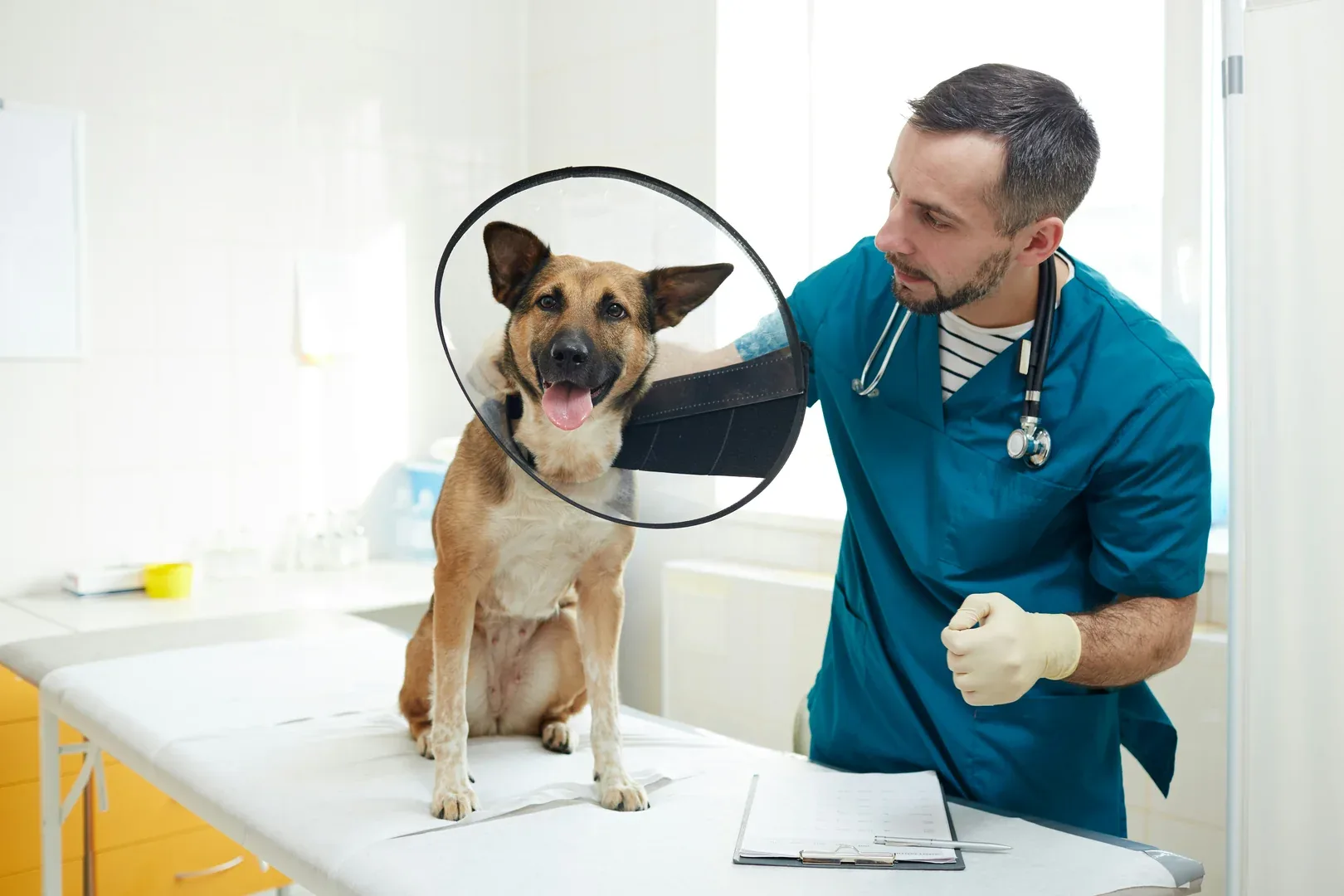
Dog Health Insurance
Comprehensive dog health insurance from nextsure: Optimally protect your loyal companion against vet costs, operations, and unforeseen treatments. Get informed now and calculate your rate!
Learn moreAnatomical predisposition and the risk in Dachshunds
Genetic causes of dachshund paralysis
The Dachshund's anatomical build creates a high risk of spinal disease. The long back and short legs cause uneven mechanical strain on the discs. This genetic trait often leads to early calcification of the cartilage tissue. So-called dachshund paralysis is the direct result of these degenerative processes. Vets usually diagnose this condition between the fourth and seventh year of life. The disc completely loses its cushioning function. The gel-like core leaks out and presses heavily on the spinal cord. Severe pain and neurological deficits result. Rapid medical intervention is essential. Without treatment, irreversible paralysis of the hindquarters can result. In veterinary medicine, this phenomenon is often classified as Hansen Type I. Here, the disc's fibrous ring suddenly tears. The herniated material immediately compresses the sensitive nerve pathways.
Symptoms and clinical picture
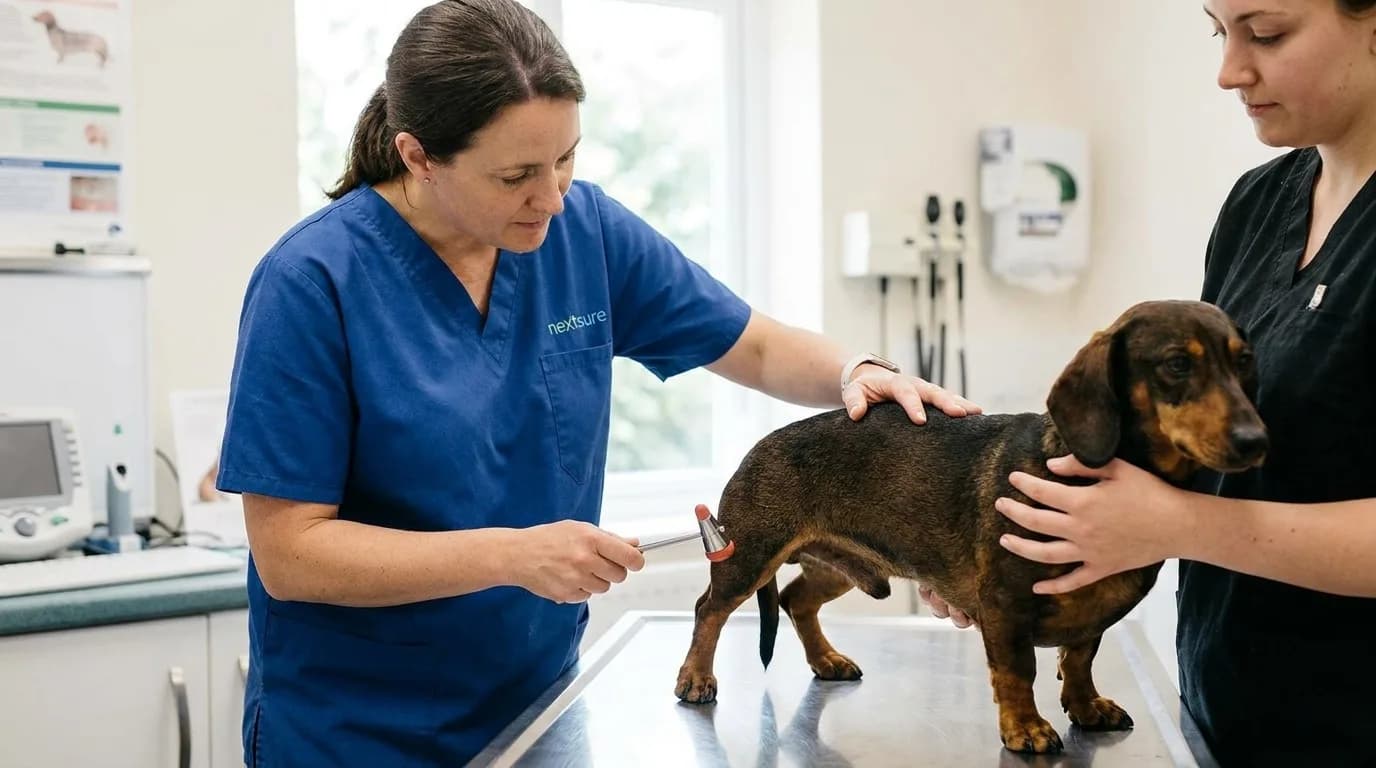
A disc herniation in dogs is a serious condition that can range from pain to paralysis [5]. The incidence in chondrodystrophic breeds is significantly above the average for other dog breeds. Dog health insurance effectively cushions the enormous financial burden of such a diagnosis. The neurological examination requires specialized expertise and diagnostic equipment. Conservative therapies quickly reach their limits with severe neurological deficits. Surgeons have to relieve the pressure on the spinal cord surgically. Time is an absolutely critical factor when the spinal cord is compressed. Every hour of delay worsens the prognosis for full recovery. Surgical decompression is the gold standard of treatment. Vets classify symptoms into five severity grades. Grade one means mild pain. Grade five describes complete loss of deep pain sensation.
The need for early cover
The breed's typical susceptibility calls for proactive protection by the owner. Dog health insurance for Dachshunds is particularly important, since this breed is typically prone to disc herniation (IVDD), obesity and dental problems [3]. Choosing the right tariff determines the quality of medical care in an emergency. Specialized clinics often charge three times the standard rate under the veterinary fee schedule for neurological emergencies. Solid insurance cover ensures access to modern veterinary medicine. The financial burden should never dictate the treatment decision. nextsure analyzes the specific risk profiles of different dog breeds in detail. The platform filters tariffs by how well they cover genetically caused conditions. This gives owners a transparent basis for their decision. Taking out cover at puppy age is the most strategically sound approach. At that point, there's no documented pre-existing spinal condition yet.
The cost structure of a disc herniation
Diagnostic expenses
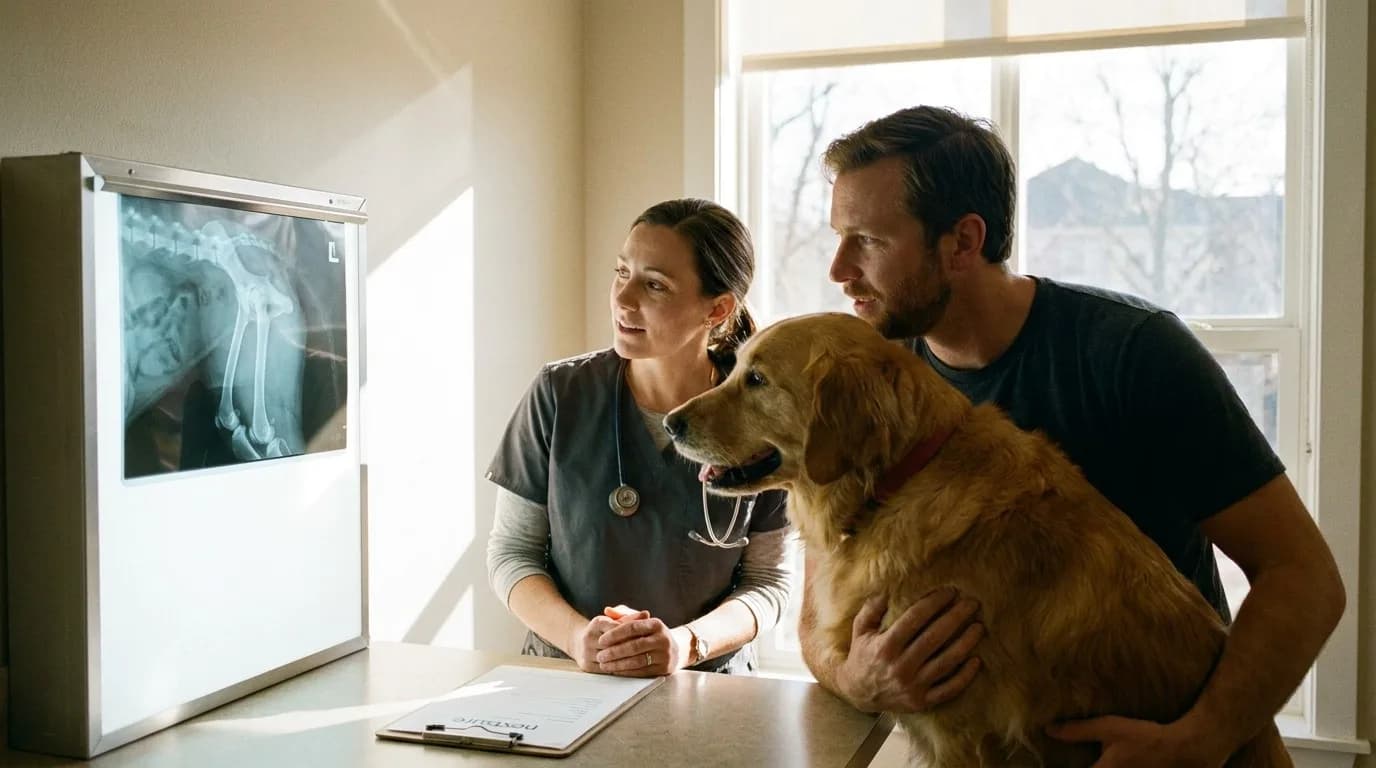
The cost structure of a disc herniation is made up of several complex items. Before any surgical procedure, the herniation must be precisely located. A simple X-ray isn't enough to visualize the spinal cord. Cross-sectional imaging via magnetic resonance imaging (MRI) or computed tomography (CT) is essential. These examinations require the patient to be under general anesthesia. The cost of an MRI, under the current veterinary fee schedule (GOT), comes to €800 to €1,200. On top of that come expenses for the initial neurological exam and blood work. These preliminary examinations add up to over €1,500. A good policy fully covers these preparatory measures. A geriatric blood panel is mandatory before anesthesia. It checks liver and kidney function in detail.
Surgery costs under the GOT
The actual surgery is the largest financial item. A disc herniation is one of the most common emergency surgeries in Dachshunds and costs on average between €2,500 and €4,500 [1]. Historically, surgery costs for dogs have risen considerably since the veterinary fee schedule (GOT) was adjusted in 2022 [1]. A hemilaminectomy is a highly complex neurosurgical procedure. Specialized surgeons open the spinal canal and remove the herniated disc material. The operation often takes several hours and requires special instruments. Emergency call-outs at night or on weekends drive costs up further. Clinics bill two to three times the standard GOT rate in such cases. Comprehensive cover is essential here. In addition, a flat emergency-service fee of €50 applies.
Hospitalization and medication
After the procedure, the patient stays in intensive care for monitoring. Hospitalization costs between €100 and €250 per day. Pain management and infusion therapy are essential in the first few days after surgery. Dog health insurance covers these hospitalization expenses up to the agreed benefit limit. Medication management requires expensive analgesics and anti-inflammatory drugs. A hospital stay of three to five days is the absolute standard for spinal surgery. Total costs for the hospital stay add up to a further €1,000. Owners must factor these elements in when choosing the sum insured. Unlimited annual benefits offer the greatest security. Special medications such as gabapentin for treating nerve pain drive up the pharmacy bill even further.
| Cost item | Cost range (estimated) |
|---|---|
| Neurological exam & blood work | €200 - €400 |
| MRI / CT diagnostics incl. anesthesia | €800 - €1,200 |
| Surgical decompression (surgery) | €2,500 - €4,500 |
| Hospitalization (3-5 days) | €500 - €1,000 |
| Physiotherapy (10 sessions) | €400 - €700 |
Actual costs vary depending on the GOT rate applied and the clinic.
Scope of cover of dog health insurance
Full cover versus surgery-only tariff
A policy's scope of cover determines the financial relief in the event of a claim. Owners generally have a choice between full health cover and a pure surgery-only policy. Full cover includes outpatient medical treatment in addition to surgical procedures. The pure surgery-only policy focuses exclusively on surgical procedures and their direct pre- and post-treatment. Uelzener Versicherung defines covered events under its dog surgery insurance as veterinary-medically necessary treatment resulting from surgery. This includes the pre-surgery examination that leads to the diagnosis. For Dachshund owners, coverage of the expensive MRI diagnostics is the most important criterion. A pure surgery-only tariff is cheaper but doesn't apply to purely conservative therapies. The decision depends on individual risk tolerance. Full cover offers the most comprehensive financial predictability for everyday life.
Breed-specific conditions
A central issue when choosing a tariff is how genetic predispositions are handled. Breed-specific conditions are covered [4]. Pet health insurance for dogs and cats protects owners from high vet bills and pays out for surgery as well as general treatment [4]. Good providers don't exclude dachshund paralysis from their terms. Pet health insurance must explicitly avoid excluding breed lists. nextsure precisely checks insurance terms for hidden clauses on hereditary conditions. A tariff that excludes spinal disease in Dachshunds is effectively worthless. Transparency of terms is the most important quality marker of an insurer. Consumers must study clauses on congenital defects carefully. Some insurers charge chondrodystrophic breeds a special premium surcharge for risk coverage.
Reimbursement rates and benefit limits
Vet costs are reimbursed based on the veterinary fee schedule. Insurers reimburse the vet costs incurred based on the agreed maximum GOT rate. In emergency services, clinics often charge three or four times the standard rate. A robust tariff must cover these peak costs without fail. Tariffs limited to the standard GOT rate lead to massive out-of-pocket payments by the owner. The maximum sum insured per year is another critical detail. Some providers cap reimbursement at €2,000 a year. For a disc herniation, this amount is already used up by diagnostics and the start of surgery alone. Unlimited coverage amounts offer the only reliable protection from financial ruin. Unlimited cover is the most important criterion for Dachshund owners.
Key coverage criteria for Dachshund tariffs
- No exclusion of breed-specific hereditary conditions.
- Coverage of MRI and CT costs ahead of surgery.
- Reimbursement up to the 3x or 4x GOT rate for emergency services.
- Sufficiently high or unlimited annual benefit.
- Coverage of physiotherapy aftercare.
Check the terms specifically for the keyword "dachshund paralysis."
Diagnostics and imaging before surgery
The role of MRI
Diagnostics before a neurosurgical procedure require the highest technical standards. An MRI delivers high-resolution images of soft tissue and the spinal cord. Only this lets the surgeon pinpoint the exact location of the compression. The examination is painless but requires the dog to be fully immobilized. Inhalation anesthesia with continuous monitoring is essential for this. The cost of this preliminary examination is significant. The insurance terms regulate in detail when these costs are covered. Surgery including the pre-surgery examination leading to diagnosis is covered under premium tariffs. If no surgery follows the MRI, a pure surgery-only policy often doesn't apply. Full cover offers considerably more security here. Administering intravenous contrast agents further increases the diagnostic accuracy of the images.
Cost coverage for conservative therapy
Not every disc herniation necessarily requires surgery. Mild neurological deficits can sometimes be treated conservatively. While conservative treatment comes to a few hundred euros, surgery including aftercare can cost €1,500 to €4,000 or more [5]. Pet health insurance in the full-cover format also covers these conservative treatment paths. This includes pain medication, anti-inflammatories and strict crate rest. A pure surgery-only policy provides no reimbursement in this scenario. Owners must factor in the risk of expensive diagnostics with no follow-up surgery. Advice from an independent broker helps in assessing this risk. nextsure transparently compares the exact triggers for benefits across different tariff models. Conservative therapy often requires four to six weeks of complete rest.
Lab work and pre-operative preparation
Before any anesthesia, a comprehensive check of organ function is required. A geriatric blood panel ensures the liver and kidneys can break down the anesthetic. For older Dachshunds, a heart ultrasound or ECG is additionally advised. This lab and imaging diagnostics is separately covered under dog health insurance. Pre-operative preparation considerably reduces anesthesia risk. The cost of these safety measures comes to €150 to €300. A good insurance tariff recognizes these measures as medically necessary. Documentation by the treating vet must clearly demonstrate the necessity. Clean billing under the GOT considerably speeds up reimbursement by the insurer. A chest X-ray also rules out lung metastases before anesthesia.
Aftercare and rehabilitation
The importance of physiotherapy
Aftercare following spinal surgery is absolutely decisive for a successful recovery. Surgically relieving the spinal cord is only the first step. Targeted training rebuilds muscle and stimulates nerve function. Rehab benefits such as physiotherapy after surgery are frequently covered under modern surgery tariffs [2]. Treatments include underwater treadmill, laser therapy and targeted exercises. A complete rehabilitation plan often extends over several months. Costs per session range from €40 to €80. Ten to twenty sessions aren't unusual after a severe herniation. Financially covering this phase prevents therapy being stopped for cost reasons. Low-level laser therapy is particularly effective at promoting cell regeneration in damaged nerve tissue.
Time limits on aftercare
Insurers frequently place time limits on cost coverage for aftercare. Surgery insurance covers medically necessary surgery including diagnostics and aftercare [2]. Pre- and post-treatment following a covered surgery is usually limited to a period of 15 to 30 days. Some premium tariffs extend this period to up to 120 days. For neurological patients, a long aftercare window matters enormously. Nerve tissue regenerates extremely slowly. A 15-day limit is completely inadequate for a disc herniation. Owners must prioritize this aspect when choosing a tariff. Surgery insurance with a long aftercare period offers the best value. Uelzener Versicherung defines these periods very precisely in its terms.
Medication and aids
The post-operative phase requires consistent medication support. Medically necessary medicines are covered under dog health insurance. Painkillers and muscle-relaxing drugs support the dog's wellbeing. In severe cases, paralyzed dogs temporarily or permanently need a dog wheelchair. Coverage of orthopedic aids is excluded under most standard tariffs. Only very few premium policies contribute toward such custom-made devices. Advice from nextsure also sheds light on these edge cases in the insurance terms. A thorough understanding of the exclusions protects against false expectations when a claim arises. Transparently presenting benefit limits is a core promise of the digital broker platform. An orthopedic support harness often costs over one hundred euros to buy.
Waiting periods and pre-existing conditions
General and specific waiting periods
Waiting periods in pet health insurance prevent people from taking out a policy only once a condition is already acute. The general waiting period is 30 days from the start of cover for most providers. Longer, specific waiting periods apply for certain conditions. Some insurers set the waiting period for breed-specific conditions such as disc herniation at six to twelve months. If the condition arises within this period, there's no entitlement to benefits. Consequences of defects and illnesses that arise before the respective waiting period ends are excluded from cover. Taking out cover early, at puppy age, is therefore the only reliably safe strategy. Accidents are exempt from these waiting periods. A car accident with spinal trauma is fully covered immediately after the contract starts.
Handling pre-existing conditions
Pre-existing health issues are a major obstacle when taking out a contract. Examinations, medical treatments and surgeries already known, already begun, or medically recommended before the contract was concluded are not covered. If the Dachshund already had a mild disc herniation, the spine is completely excluded from future cover. Health questions on the application must always be answered truthfully and completely. False statements lead to loss of cover and cancellation by the insurer. Insurers requesting veterinary medical records in the event of a claim is absolutely routine. Transparency when applying protects the owner from claims being refused. nextsure helps put together the health history correctly. Clean documentation prevents later disputes with the claims department.
Exclusions and rights of termination
The insurance terms define clear exclusions from cover. Insurers don't reimburse consequences of conditions that arise after the contract has ended. The contract can be terminated with 14 days' notice to the end of the month. Both parties to the contract have a special right of termination after a settled claim. If the insurer cancels after an expensive disc surgery, the owner is left without cover. Taking out a new policy with a different provider is then extremely difficult because of the pre-existing condition. Tariffs where the insurer waives its ordinary right of termination offer maximum security here. Analyzing such contract clauses is part of nextsure's professional broker service. A good broker checks these legal pitfalls before you sign.
Steps for a safe application
- Request the complete medical record from the previous vet.
- Answer the health questions on the application precisely and completely.
- Check waiting periods for specific joint and spinal conditions.
- Prefer tariffs where the insurer waives its right of termination after a claim.
Taking out cover at puppy age prevents problems with pre-existing conditions.
Tariff comparison and selection criteria
Cost-benefit analysis
Comparing tariffs requires a detailed comparison of premium and scope of cover. A pure surgery-only policy for a Dachshund costs around €15 to €25 a month. Comprehensive full health cover comes to €50 to €90 a month. The decision is based on the owner's individual risk tolerance. Anyone with savings set aside for outpatient treatment is often better off financially with a strong surgery-only tariff. Insuring against the existential risk of a €4,000 operation is the priority. Premiums rise as the dog gets older. Some providers use fixed age brackets, others calculate annual adjustments. A long-term premium comparison over the dog's entire lifetime is essential. The postal code of the owner's home also affects the premium amount with many providers.
Deductible as a control lever
Agreeing to a deductible noticeably lowers the monthly premium. Owners can choose between percentage-based models (e.g. a 20 percent personal share) and fixed amounts per insurance year. For a €4,000 bill, a 20 percent personal share means an €800 co-payment. The owner must have this sum available in cash in an emergency. A fixed deductible of €250 a year is often easier to plan for. The choice of deductible should be based on personal financial reserves. nextsure transparently visualizes the impact of different deductibles on the premium burden. This helps customers find the optimal balance between ongoing costs and security in the event of a claim. A fixed personal share protects against incalculable peak costs for expensive operations.
Cover abroad and additional benefits
A disc herniation can also occur during a vacation trip. The insured dog has cover within the Federal Republic of Germany; abroad, cover applies for 12 months. Europe-wide or worldwide cover is an important criterion for owners who travel a lot. Veterinary clinics abroad in Europe often bill according to their own fee schedules. The tariff must explicitly allow for reimbursement of these foreign bills. Additional services such as telemedicine consultations round out modern tariffs. A video call with a vet can save valuable time if paralysis symptoms first appear while on vacation. Digital policy management and fast claims reporting via app are further quality markers that nextsure considers when selecting tariffs. Worldwide cover is an absolute must for long-term travelers.
nextsure's evaluation model for Dachshund tariffs
Curated selection instead of an indiscriminate offering
nextsure's evaluation model filters the insurance market by strict quality criteria. The platform doesn't present an endless jumble of tariffs but a hand-picked selection. For Dachshund owners, that means: the algorithm only shows tariffs that fully cover breed-specific spinal conditions. Experienced insurance brokers analyze the insurance terms. Hidden clauses on waiting periods or benefit exclusions lead to a tariff being immediately downgraded. The digital needs analysis precisely captures the dog's breed, age and pre-existing conditions. Based on this data, the algorithm calculates a tailored recommendation. This curated approach saves consumers hours of research and protects against poor decisions. iMatch GmbH acts here as a licensed insurance broker under § 34d GewO.
Transparency in claims handling
The quality of an insurance policy only shows in the event of a claim. nextsure rates providers heavily on their speed of settlement and their goodwill. A fast cost commitment ahead of an expensive MRI examination provides enormous relief for the owner. Insurers that enable direct billing with veterinary clinics score clear extra points in the ranking. In that case, the owner doesn't have to pay upfront. Digital claims reporting via the nextsure platform speeds up the process further. Owners simply upload invoices and findings via smartphone. The broker handles communication with the insurance company. This operational support is a central value-add of the broker model under § 34d GewO. The customer is the focus, not the insurer. Direct billing is extremely helpful for bills over €3,000.
Long-term support and contract optimization
A dog's insurance needs change over the course of its life. nextsure offers ongoing support and contract optimization. When new, more powerful tariffs come onto the market, the broker proactively informs customers about switching options. The risk of pre-existing conditions and new waiting periods is always weighed carefully in the process. Switching is often no longer advisable for older dogs. The long-term strategy aims for premium stability and maximum benefit security. Personal expert advice is available at all times. This hybrid approach of digital efficiency and specialist depth redefines the standard for arranging niche insurance. Insuring a Dachshund thus becomes predictable and secure. The pet insurance category covers all relevant surgery and full health cover products.
Frequently asked questions
- Does dog health insurance cover the costs of a disc herniation in a Dachshund?
Yes, robust dog health insurance and surgery tariffs cover the costs of a disc herniation. The condition must not already have existed before the contract was concluded, and the waiting period must have passed. What matters is that the tariff doesn't exclude breed-specific conditions such as dachshund paralysis.
- How much does surgery for a disc herniation cost?
The pure surgical costs for decompression surgery are usually between €2,500 and €4,500. On top of that come costs for pre-operative diagnostics (MRI/CT) of around €800 to €1,200, plus expenses for hospitalization and follow-up physiotherapy.
- Is the cost of an MRI paid by the insurance?
Under full health cover, imaging procedures such as MRI are regularly covered. Pure surgery-only insurance usually only covers MRI costs if the examination directly prepares for a covered surgery and leads to the diagnosis.
- Does the Dachshund's typical breed susceptibility count as a pre-existing condition?
No, mere genetic predisposition or breed membership doesn't count as a pre-existing condition. A pre-existing condition only exists once concrete symptoms have appeared, or a vet made a corresponding diagnosis before the insurance was taken out.
- Does the insurance also pay for physiotherapy after surgery?
Good tariffs cover the costs of physiotherapy aftercare such as underwater treadmill or laser therapy. However, this benefit is often time-limited, for example to 15 to 30 days after the surgical procedure. A close look at the terms matters here.
- What waiting periods apply for a disc herniation?
The general waiting period is usually 30 days. Some insurers, however, define special waiting periods of six to twelve months for spinal conditions or breed-specific ailments. If the disc herniation occurs during this period, there's no entitlement to cost coverage.
Sources
Conclude directly online
Verified partner tariffs at no extra cost. The button takes you straight to the provider's calculator.
 Hepster
Dog health insurance
Full health coverage for dogs across five tariffs; the top tariff reimburses 100% with no annual maximum.
- Reimbursement:
- 50-100% depending on the tariff
- Deductible (Selbstbeteiligung):
- 0-50% depending on the tariff
- Waiting period:
- 1 month
- GOT rate:
- up to 4x (Premium/Superior)
- Treatment and surgery for illness and accidents, reimbursed at 50-100% depending on the tariff
- Veterinary clinic stays: up to 10, 15, or 20 days depending on the tariff
- Wellness allowance: €30 (Basis), €70 (Premium), €100/year (Superior)
- From Premium: physiotherapy (up to €200 without surgery, €500 after surgery), tooth extractions, homeopathy/acupuncture
- Superior: prosthetics/orthotics allowance of up to €650
- Vet fees covered up to 3x the standard veterinary fee schedule (GOT) rate on Basis, up to 4x on Premium/Superior
Key exclusions
- Known chronic or congenital conditions
- Pregnancy, false pregnancy, and birth
- Illnesses treated in the 6 months before the policy started
- Basis tariffs: neutering/spaying that isn't medically necessary
Trusted Shops: 4,5/5 „Sehr gut“ (2.600 Bewertungen)
hepster insgesamt (Anbieterbewertung, alle Versicherungen)
Monthly subscription: minimum term 12 months, notice period 3 business days before the end of the billing period; MRI/CT scans in the Basis tariffs are covered at 50%. Insurer: Towarzystwo Ubezpieczen Europa S.A.
Fact sheet: benefits, exclusions and waiting periods in detail
 Cleos Welt
Dog health insurance
Combined health and surgery cover for dogs, reimbursing vet costs up to the agreed maximum veterinary fee schedule (GOT) rate.
- Reimbursement:
- up to the agreed maximum GOT rate
- Coverage abroad:
- 12 months
- Notice period:
- 14 days before the end of the month
- Treatment for illness and accidents
- Surgery, including pre-surgical diagnostic examinations
- Pre- and post-treatment following a covered surgery
- Lab work and imaging diagnostics, plus medically necessary medication
- Coverage abroad: 12 months
Key exclusions
- Treatments and surgeries already known or recommended before the policy started
- Illnesses occurring before the waiting period ends
- War, earthquakes, floods, epidemics, and pandemics
- Damage caused intentionally
CHECK24 Tarifnote 1,0 „exzellent“
Cleos Welt Hundekrankenversicherung
FOCUS MONEY: Beste Tierkrankenversicherung (Premiumtarif), Ausgabe 14/2026
Cleos Welt Hundekrankenversicherung
ASCORE „Tarif des Monats“ 08/2025
Cleos Welt Tierkranken Hund, Rundum Plus Schutz inkl. Vorsorge & SOS-Schutz
CHECK24 Tarifnote 1,0 „exzellent“
Cleos Welt Hunde-OP-Schutz (Rundum Plus inkl. SOS-Schutz)
„Kundenfavorit“: über 50.000 geschützte Haustiere
Cleos Welt Tierversicherungen (Tierkranken Hund)
Google Rezensionen: 4,5/5 Sterne (210 Bewertungen)
Cleos Welt insgesamt (Anbieterbewertung, alle Versicherungen)
Contract term at least 1 year with automatic renewal; sum insured and deductible (Selbstbeteiligung) as stated in the policy. Insurer: Uelzener Allgemeine Versicherungs-Gesellschaft a.G.
Fact sheet: benefits, exclusions and waiting periods in detail
Hepster
Dog surgery insurance
Surgery-only cover for dogs across four tariffs; from year 2 or 3, depending on the tariff, there is no annual maximum.
- Reimbursement:
- 80-100% depending on the tariff
- Deductible (Selbstbeteiligung):
- 0-20% depending on the tariff
- Waiting period:
- 1 month
- Surgery under anesthesia or sedation for illness and accidents
- Post-treatment: up to day 14, 15, or 20 depending on the tariff
- Neutering/spaying: up to €250 on Basis, unlimited from Premium
- From Premium: tooth extractions, post-surgery physiotherapy (up to 20 days/€500), homeopathy/acupuncture
- Superior: prosthetics/orthotics allowance of up to €650
- Vet fees covered up to 3x the standard veterinary fee schedule (GOT) rate on Basis, up to 4x on Premium/Superior
Key exclusions
- Known chronic or congenital conditions
- Illnesses that required surgery in the 6 months before the policy started
- Surgery performed to meet breed-standard appearance
- Basis: tooth extractions, root canal treatment, and dental/jaw corrections
Trusted Shops: 4,5/5 „Sehr gut“ (2.600 Bewertungen)
hepster insgesamt (Anbieterbewertung, alle Versicherungen)
Monthly subscription: minimum term 12 months, notice period 3 business days before the end of the billing period; prosthetics/orthotics have a 12-month waiting period. Insurer: Towarzystwo Ubezpieczen Europa S.A.
Fact sheet: benefits, exclusions and waiting periods in detail
Hepster Dog health insurance: Dog health insurance tariff overview
| Tariff | Reimbursement | Deductible | Annual maximum |
|---|---|---|---|
| Basis20 | 80% | 20%, min. €250 per claim | €2,500 |
| Basis50 | 50% | 50%, min. €500 per insurance year | €2,500 |
| Premium | 80% | 20% per claim | Year 1: €10,000, year 2: €15,000, from year 3: unlimited |
| Superior10 | 90% | 10% per claim | none |
| Superior0 | 100% | none | none |
Hepster Dog surgery insurance: Dog surgery insurance tariff overview
| Tariff | Reimbursement | Deductible | Annual maximum |
|---|---|---|---|
| Basis | 80% | 20%, min. €250 per claim | €2,000 |
| Premium | 80% | 20% per claim | Year 1: €2,000, year 2: €5,000, from year 3: unlimited |
| Superior10 | 90% | 10% per claim | Year 1: €5,000, from year 2: unlimited |
| Superior0 | 100% | none | Year 1: €5,000, from year 2: unlimited |
All details are taken from the provider's linked product page and the contract documents (IPID/policy conditions) published there; the insurer's documents prevail. Premiums, benefits and the insurance product itself may change – please verify the details directly with the partner before signing up; only the information provided there is binding.
Information last updated: July 2026 · Source: provider product information (IPID/policy conditions)