Pet health insurance: Cover & costs
Protect your pet from high vet bills with pet health insurance. Find out more and get covered with nextsure now!
All details are taken from the provider's linked product page and the contract documents (IPID/policy conditions) published there; the insurer's documents prevail. Premiums, benefits and the insurance product itself may change – please verify the details directly with the partner before signing up; only the information provided there is binding.
 Katrin StraubManaging DirectorInsurance expert with over 20 years of experience in the insurance industry.
Published on
Last updated on
11 min read
Table of Contents
An accident or sudden illness affecting your beloved four-legged friend can quickly lead to high veterinary costs. Pet insurance protects you from unexpected financial burdens and ensures your pet receives the best possible medical care. Find out how the right cover can help you plan ahead.
Tierkrankenversicherung
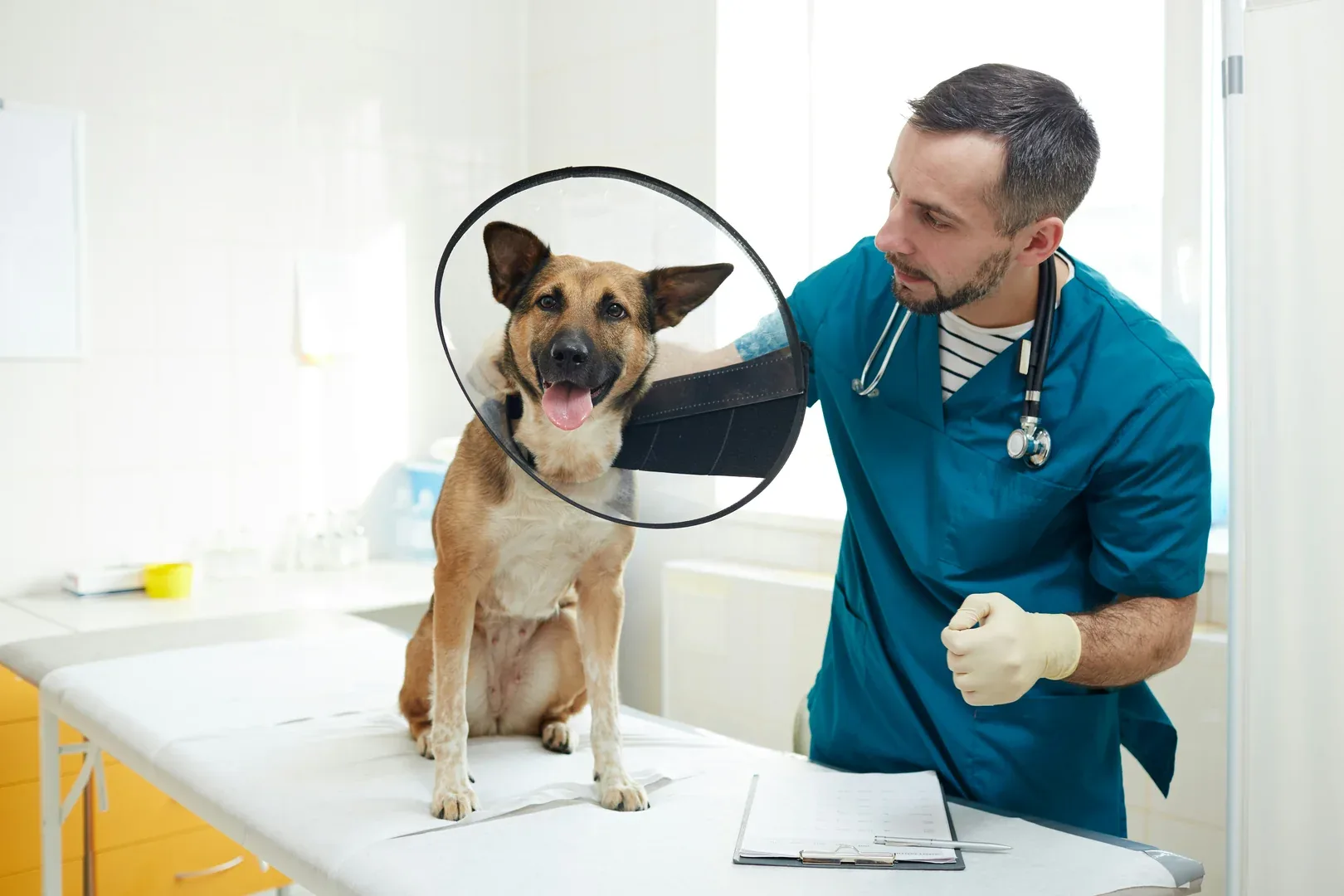
Comprehensive health protection for dogs, cats, and other pets. Discover now the tailored pet insurance from nextsure and ensure your furry companion receives the best medical care – simple and digital.
Learn moreUnderstanding the need for pet insurance
Many pet owners underestimate the potential veterinary costs. A simple examination costs, according to the current fee schedule for veterinarians (GOT), already more than 20 euros. Vaccinations and deworming treatments add up to 100 to 150 euros a year. Unexpected operations, such as a cruciate ligament tear, can quickly cost 2,400 euros or more. A suitable pet insurance policy covers these financial spikes. It gives you the reassurance that, in an emergency, you will not be faced with an unaffordable financial decision. Bear in mind that around 82 per cent of dog owners visit the vet at least once a year. The right cover is therefore not a question of if, but when.
The cost of pet insurance varies depending on the species, breed, age and desired level of cover. For cats, premiums often start at around ten euros per month, for dogs from around 30 euros. It is an investment that quickly pays for itself given possible treatment costs of several thousand euros. For example, treatment for gastric torsion in a dog costs an average of 3,000 euros. Without insurance cover, you must bear this amount entirely yourself. This shows how important early cover is.
Scope of services: What does pet health insurance cover?
A good pet health insurance policy covers the costs of a wide range of treatments. This includes outpatient and inpatient veterinary treatment. Operations, including pre- and post-operative care, are also usually covered. Medication, bandages and diagnostic measures such as X-rays or MRI scans are also often included. Many tariffs reimburse costs up to three or four times the schedule of fees for veterinarians (GOT). Some insurers also provide subsidies for preventive measures such as vaccinations, worming treatments or tartar removal. One example: tartar removal, including anaesthesia, can cost around 400 euros for dogs and cats.
There are various models of pet health insurance. Standalone surgery insurance is cheaper, but only covers surgical procedures. Comprehensive cover, on the other hand, also covers the costs of non-surgical treatments. Pay attention to the following benefit details:
- Cover for diagnostic costs (e.g. laboratory tests, ultrasound, CT).
- Reimbursement for medication and aids.
- Cover for inpatient accommodation in an animal clinic.
- Cover for rehabilitation measures after operations.
- Free choice of veterinarian and clinic.
- Cover for out-of-hours fees, which can be up to four times the GOT rate.
- Where applicable, cover for alternative healing methods.
Some tariffs, such as dog health insurance, offer special modules, for example for dental treatment or cover abroad. The exact benefits and reimbursement limits vary greatly between providers and tariffs. A careful comparison is therefore essential to ensure the best possible protection for your pet.
Cost factors and savings potential with pet health insurance
The premium amount of your pet health insurance depends on several factors. Your pet’s age and breed play a key role. Young animals are generally cheaper to insure than older ones. Certain breeds that are more prone to specific illnesses may also have higher premiums. The level of cover you choose is another decisive cost factor. Surgery-only cover is cheaper than comprehensive full health cover. By choosing an excess, you can often reduce monthly costs by around 20 per cent. This means you pay part of the veterinary costs yourself before the insurance pays out.
Many insurers offer discounts if, for example, you insure several pets or take out a contract with a longer term. Taking out the policy online can also lead to savings of around five per cent on the premium. Compare the offers carefully. Look not only at the price, but also at the value for money. A cheap policy with many exclusions or low reimbursement limits is of little use in an emergency. A cat health insurance policy, for example, can offer good cover from under 20 euros per month. Accurate calculation is crucial for long-term satisfaction.
Practical cases: When pet health insurance is worth its weight in gold
Imagine your cat suffers a complicated broken leg. The operation and subsequent treatment can quickly cost more than €1,500. Without pet health insurance, you would have to pay this amount entirely out of pocket. With a suitable policy, the insurer covers a large proportion or even all of the costs, depending on the selected tariff and any excess. Another example is a dog with a chronic condition, such as diabetes. This involves monthly costs for medication and check-ups, which can quickly add up to more than €100. Pet health insurance protects you from these ongoing financial burdens.
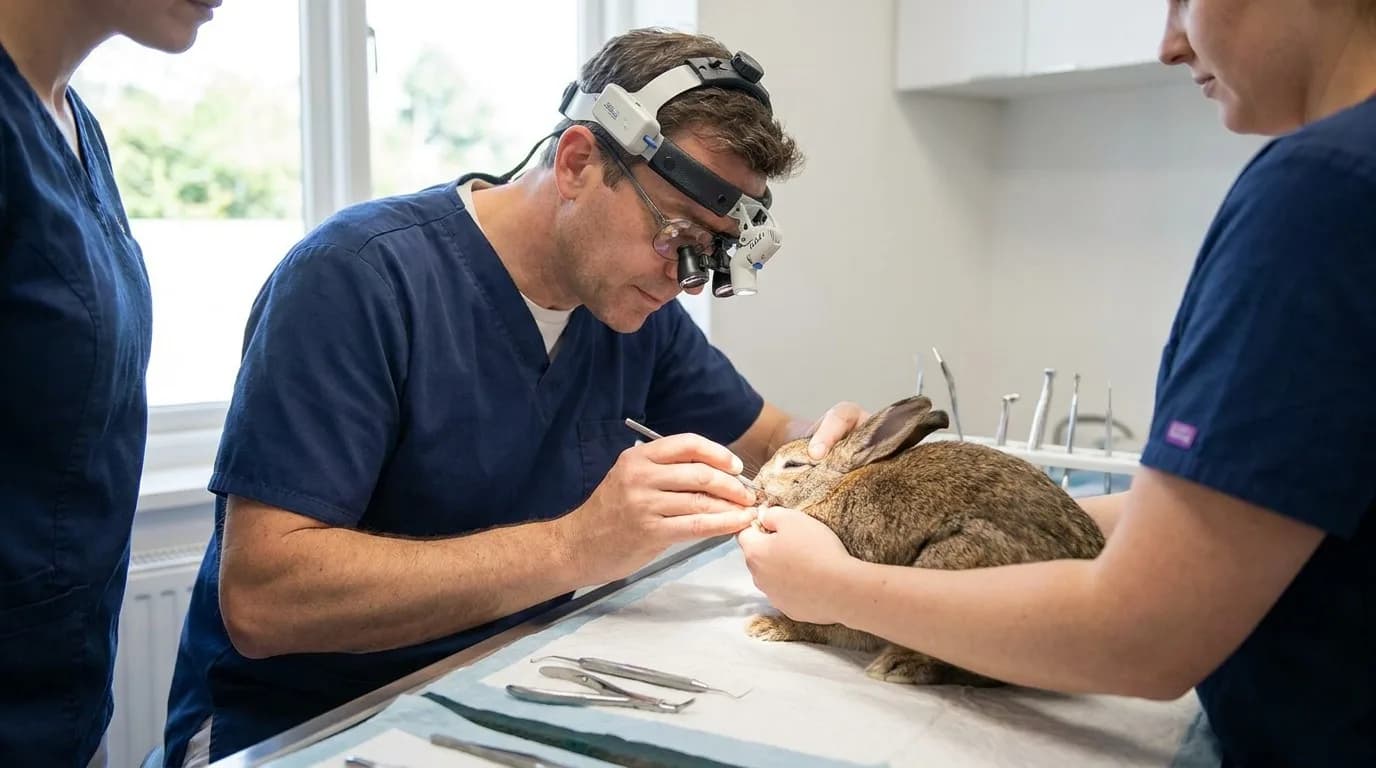
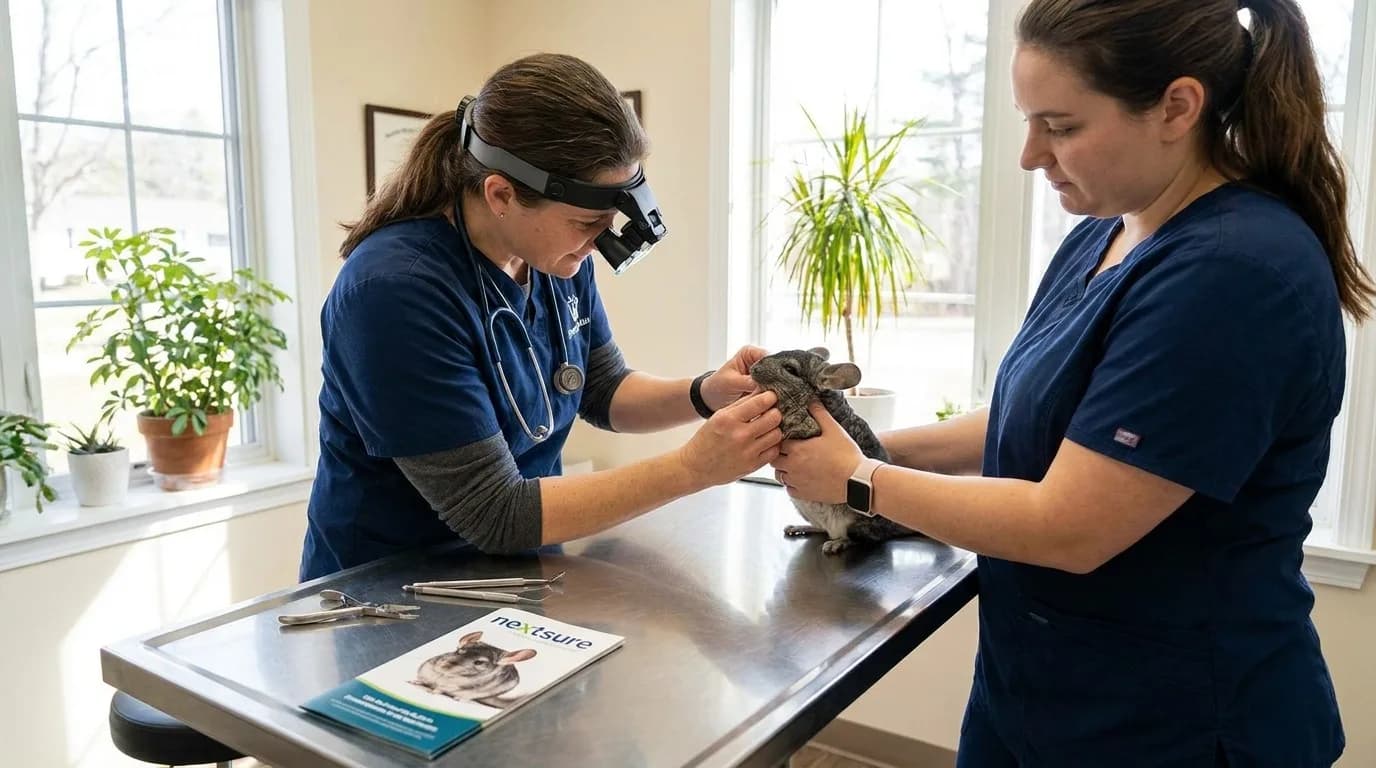
Veterinary costs can also quickly spiral for horses. A colic operation, for example, can cost €5,000 or more. An equine surgery insurance policy is often a sensible form of cover here. Even with smaller pets such as rabbits or exotic animals, unexpected veterinary visits can be expensive. An insurance policy for exotic animals can provide financial security here. The emotional strain when your pet is ill is already great enough; financial worries should not be added on top. Experience shows that pet health insurance often pays for itself with the first major claim.
Expert depth: legal aspects and tariff details
In Germany, there is no legal obligation to take out pet health insurance. The contractual basis is governed by the Insurance Contract Act (VVG) and the German Civil Code (BGB). The general insurance terms and conditions (AVB) of the respective provider set out the specific benefits, exclusions and obligations. Our expert tip: Pay close attention to waiting periods, exclusions and the level of reimbursement rates (GOT rates). Waiting periods of around three months are common for illnesses, while accidents are often covered immediately. Pre-existing conditions are frequently excluded from cover or result in premium surcharges.
The German scale of fees for veterinarians (GOT) sets out the amounts vets may charge for their services. They can charge from the basic rate up to three times the rate, and in emergencies even up to four times the rate. A good pet health insurance policy should cover at least twice, preferably three times, the GOT rate. Also check whether there are annual maximum reimbursement limits or whether certain breed-specific conditions are excluded. Some tariffs offer direct billing with the vet, saving you from having to pay upfront. For special needs, such as cover for hobby farm animals, there are often separate tariffs. A careful review of the policy details before taking out cover is essential.
Finding the right tariff: How to proceed
Choosing the right pet health insurance requires a careful analysis of your needs and the available policies. First, consider the level of cover you want. Is a basic surgery-only policy enough, or would you prefer comprehensive cover that also includes outpatient treatment? Take into account your pet’s age, breed and state of health. For a young, healthy dog, premiums are usually lower than for an older animal with pre-existing conditions. Compare at least three different quotes to get a feel for market-standard prices and benefits.
The following steps will help you choose:
- Define your needs: Which benefits are important to you (e.g. preventive care, dental treatment, cover abroad)?
- Determine your budget: How much can and do you want to spend each month on insurance?
- Compare the plans: Pay attention to the scope of cover, maximum reimbursement limits, GOT rate cover and waiting periods.
- Check the exclusions: Which illnesses or treatments are not covered?
- Read the small print: Find out about notice periods and the conditions for changes to the contract.
- If necessary, seek expert advice to find the optimal cover.
A careful selection ensures that you are ideally protected in an emergency and that your pet receives the best possible care. Take the time for a thorough comparison.
Conclusion: An investment in health and financial security
Pet health insurance is a sensible investment for every responsible pet owner. It protects against unexpected, high veterinary costs and ensures that your beloved four-legged friend receives the best possible medical care in the event of illness or an accident. The monthly premiums are low compared with the potential treatment costs, which can quickly reach several thousand euros. The peace of mind of not having to think about money in an emergency is priceless. By carefully choosing a plan that suits your needs and those of your pet, you create important financial security. Remember that the cost of veterinary treatment has risen in recent years, making cover increasingly important.
Frequently asked questions
- Is pet health insurance really worth it?
Yes, pet health insurance is worthwhile, as veterinary costs, especially for operations or chronic illnesses, can quickly amount to several thousand euros. It provides financial security and enables the best treatment for your pet.
- Can I still insure my pet if it is already older or has pre-existing conditions?
Yes, insurance is often also possible for older animals or animals with pre-existing conditions, although sometimes with premium surcharges or exclusions for existing conditions. A health check may be required.
- What is the difference between surgery insurance and comprehensive health insurance for animals?
Surgical insurance covers only the costs of surgical procedures. A full health insurance policy also covers the costs of outpatient and inpatient treatment, medicines and diagnostics.
- Are there waiting periods for pet insurance?
Yes, most policies have waiting periods, often around three months for illnesses. Accidents are often covered from the start of the contract. The exact waiting periods vary depending on the provider and plan.
- How do I find the best plan for my pet?
Compare offers from different insurers in terms of scope of cover, costs, reimbursement limits (GOT rate), deductible and exclusions. Take into account your pet’s individual needs (age, breed, health status).
- Does pet health insurance also cover the costs of preventive measures such as vaccinations?
Some pet insurance policies, especially comprehensive cover plans, include subsidies or flat-rate allowances for preventive measures such as vaccinations, worming treatments or dental prophylaxis. This depends on the plan.
Sources
- [1]Wikipedia provides a comprehensive overview of pet health insurance.
- [2]The Bundestierärztekammer provides detailed information on the fee schedule for veterinarians (GOT).
- [3]The portal Gesetze im Internet provides the full text of the Animal Welfare Act.
- [4]The Federal Ministry of Food and Agriculture (BMEL) provides current statistics on livestock numbers in Germany.
- [5]The Federal Statistical Office (Destatis) provides comprehensive data on animals and animal production.
- [6]The official website of the Bundestierärztekammer offers further information and resources for pet owners and veterinarians.
- [7]The Tagesschau examines the development of veterinary costs and the fee schedule in an article.
- [8]The Thünen Institute offers scientific insights into livestock farming and meat production in Germany.
Conclude directly online
Verified partner tariffs at no extra cost. The button takes you straight to the provider's calculator.
 Cleos Welt
Dog health insurance
Combined health and surgery cover for dogs, reimbursing vet costs up to the agreed maximum veterinary fee schedule (GOT) rate.
- Reimbursement:
- up to the agreed maximum GOT rate
- Coverage abroad:
- 12 months
- Notice period:
- 14 days before the end of the month
- Treatment for illness and accidents
- Surgery, including pre-surgical diagnostic examinations
- Pre- and post-treatment following a covered surgery
- Lab work and imaging diagnostics, plus medically necessary medication
- Coverage abroad: 12 months
Key exclusions
- Treatments and surgeries already known or recommended before the policy started
- Illnesses occurring before the waiting period ends
- War, earthquakes, floods, epidemics, and pandemics
- Damage caused intentionally
CHECK24 Tarifnote 1,0 „exzellent“
Cleos Welt Hundekrankenversicherung
FOCUS MONEY: Beste Tierkrankenversicherung (Premiumtarif), Ausgabe 14/2026
Cleos Welt Hundekrankenversicherung
ASCORE „Tarif des Monats“ 08/2025
Cleos Welt Tierkranken Hund, Rundum Plus Schutz inkl. Vorsorge & SOS-Schutz
CHECK24 Tarifnote 1,0 „exzellent“
Cleos Welt Hunde-OP-Schutz (Rundum Plus inkl. SOS-Schutz)
„Kundenfavorit“: über 50.000 geschützte Haustiere
Cleos Welt Tierversicherungen (Tierkranken Hund)
Google Rezensionen: 4,5/5 Sterne (210 Bewertungen)
Cleos Welt insgesamt (Anbieterbewertung, alle Versicherungen)
Contract term at least 1 year with automatic renewal; sum insured and deductible (Selbstbeteiligung) as stated in the policy. Insurer: Uelzener Allgemeine Versicherungs-Gesellschaft a.G.
Fact sheet: benefits, exclusions and waiting periods in detail
Cleos Welt
Cat health insurance
Combined health and surgery cover for cats, reimbursing vet costs up to the agreed maximum veterinary fee schedule (GOT) rate.
- Reimbursement:
- up to the agreed maximum GOT rate
- Coverage abroad:
- 12 months
- Notice period:
- 14 days before the end of the month
- Treatment for illness and accidents
- Surgery, including pre-surgical diagnostic examinations
- Pre- and post-treatment following a covered surgery
- Lab work and imaging diagnostics, plus medically necessary medication
- Coverage abroad: 12 months
Key exclusions
- Treatments and surgeries already known or recommended before the policy started
- Illnesses occurring before the waiting period ends
- War, earthquakes, floods, epidemics, and pandemics
- Damage caused intentionally
CHECK24 Tarifnote 1,0 „exzellent“
Cleos Welt Katzenkrankenversicherung, Tarif Rundum Plus
CHECK24 Tarifnote 1,0 „exzellent“
Cleos Welt Katzen-OP-Schutz (Rundum Plus inkl. SOS-Schutz)
Google Rezensionen: 4,5/5 Sterne (210 Bewertungen)
Cleos Welt insgesamt (Anbieterbewertung, alle Versicherungen)
Contract term at least 1 year with automatic renewal; sum insured and deductible (Selbstbeteiligung) as stated in the policy. Insurer: Uelzener Allgemeine Versicherungs-Gesellschaft a.G.
Fact sheet: benefits, exclusions and waiting periods in detail
All details are taken from the provider's linked product page and the contract documents (IPID/policy conditions) published there; the insurer's documents prevail. Premiums, benefits and the insurance product itself may change – please verify the details directly with the partner before signing up; only the information provided there is binding.
Information last updated: July 2026 · Source: provider product information (IPID/policy conditions)