Car vandalism comprehensive cover: protection & what to do
Vandalism to your car? Find out what comprehensive cover pays and how to report damage correctly. Find out more at nextsure now!
 Katrin StraubManaging DirectorInsurance expert with over 20 years of experience in the insurance industry.
Published on
Last updated on
12 min read
Table of Contents
A deep scratch in the paintwork or a kicked-off wing mirror – vandalism to a car is more than just an annoyance. It often means high costs and a lot of effort. But with the right insurance and knowledge of the correct course of action, you can limit the damage.
Understanding vandalism to your car: What your comprehensive cover includes
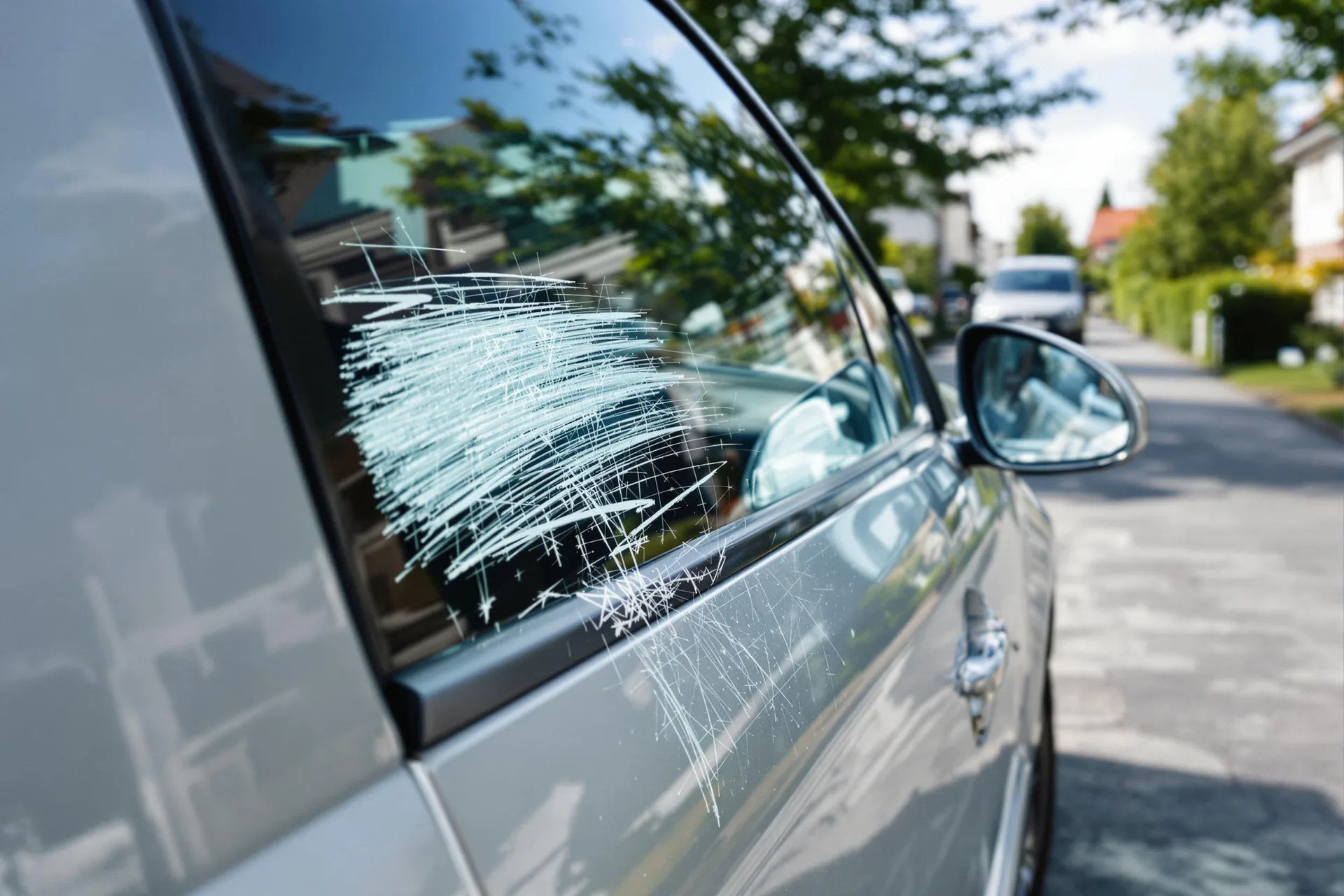
Vandalism refers to the deliberate damage of other people's property by third parties. Typical car damage includes paint scratches, often caused by a key, or dents caused by kicks. Your comprehensive insurance covers most of this damage. The partial comprehensive insurance does this differently. An exception is often tyre damage; attempted fraud is not uncommon here. Each year, this results in damage of over 200 million euros in Germany.
Report a claim: Settlement in seven days
Have you discovered vandalism damage? Act immediately! Report the damage to your insurer, usually within a week. Document the damage in detail with photos from various angles. Also always file a police report. This is often a prerequisite for the insurance benefit. A call to 110 is sufficient at first. The average processing time is often only a few days.
Here is how to proceed step by step:
A structured approach helps you process the claim efficiently:
- Take photos of the damage immediately: Take at least five pictures from different angles.
- Notify the police: File a report against unknown persons (emergency number 110).
- Contact your insurer: Report the claim by phone or online, usually within seven days.
- Complete the claim form: Provide all information truthfully and in full.
- Obtain a quotation: Have a garage estimate the repair costs.
- Agree with the insurer: Do not commission any repairs without approval from the insurer.
- Check the excess: Clarify the amount of your contractually agreed excess.
These steps ensure swift processing by your insurer.
Comprehensive cover: More than just scratches
The fully comprehensive insurance covers costs for many malicious acts of damage. These include scratched paintwork, smashed windows, broken mirrors and aerials. Glass breakage is often also included in partial cover. Dents in the bodywork or graffiti are typical vandalism damage. Your fully comprehensive insurance also settles these claims. Repair costs can quickly run into four-figure sums. Important: The damage must not have been caused by you yourself. Fully comprehensive cover also applies if the perpetrator flees unidentified. This is the case in over 90 per cent of instances.
Partial cover vs. fully comprehensive cover: the key difference in the event of vandalism
Partial comprehensive insurance covers vandalism damage only to a very limited extent. In general, only glass breakage damage such as broken windows and sometimes fire damage is insured. Partial comprehensive insurance does not cover paint scratches, dents or broken-off mirrors. For this, you will need fully comprehensive insurance. A fully comprehensive claim caused by vandalism often leads to a downgrade in the no-claims bonus class. For smaller claims under 1,000 euros, it may therefore make sense to bear the costs yourself.
Expert knowledge: Legal aspects and burden of proof
In insurance law, the rule is: you must prove the vandalism damage. The mere presence of scratches is often not enough for the courts. The Cologne Higher Regional Court (case no. 9 U 85/24) confirmed this. Complete documentation and a police report are therefore essential. Our expert tip: Make a note of any possible witnesses and the exact time you discovered the damage. The insurer checks whether there has been a deliberate act by a third party. Under Section 823 of the German Civil Code (BGB), the person causing the damage is liable. But this person is rarely found. The clearance rate is often below 20 per cent.
Important sections and judgements:
Knowledge of relevant legal principles can be advantageous in the event of a claim:
- § 823 BGB (liability for damages): As a rule, the party responsible for the damage is liable.
- Insurance Contract Act (VVG): Regulates the rights and obligations of insurers and policyholders, e.g. reporting obligations.
- AKB (General Terms and Conditions for motor insurance): This defines the exact benefits and exclusions of your policy.
- Cologne Higher Regional Court, decision of 01/08/2024 (case no. 9 U 85 /24): Emphasises the policyholder's high burden of proof in vandalism damage claims.
- Federal Court of Justice ruling (e.g. IV ZR 212/05): Distinguishes between theft and vandalism damage under partial cover.
This knowledge helps you assert your rights more effectively.
Excess and no-claims bonus: keeping costs in view
Comprehensive insurance policies usually include an excess. This is often between €150 and €500. You bear this amount yourself in the event of a claim. Settling a vandalism claim through comprehensive cover leads to a downgrade in your no-claims bonus class (SF class). This means higher premiums the following year. Our expert tip: Calculate carefully whether it is worth reporting smaller claims. Paying for them yourself is often cheaper in the long term. A downgrade can increase premiums by up to 30 per cent.
Prevention: How you can better protect your vehicle
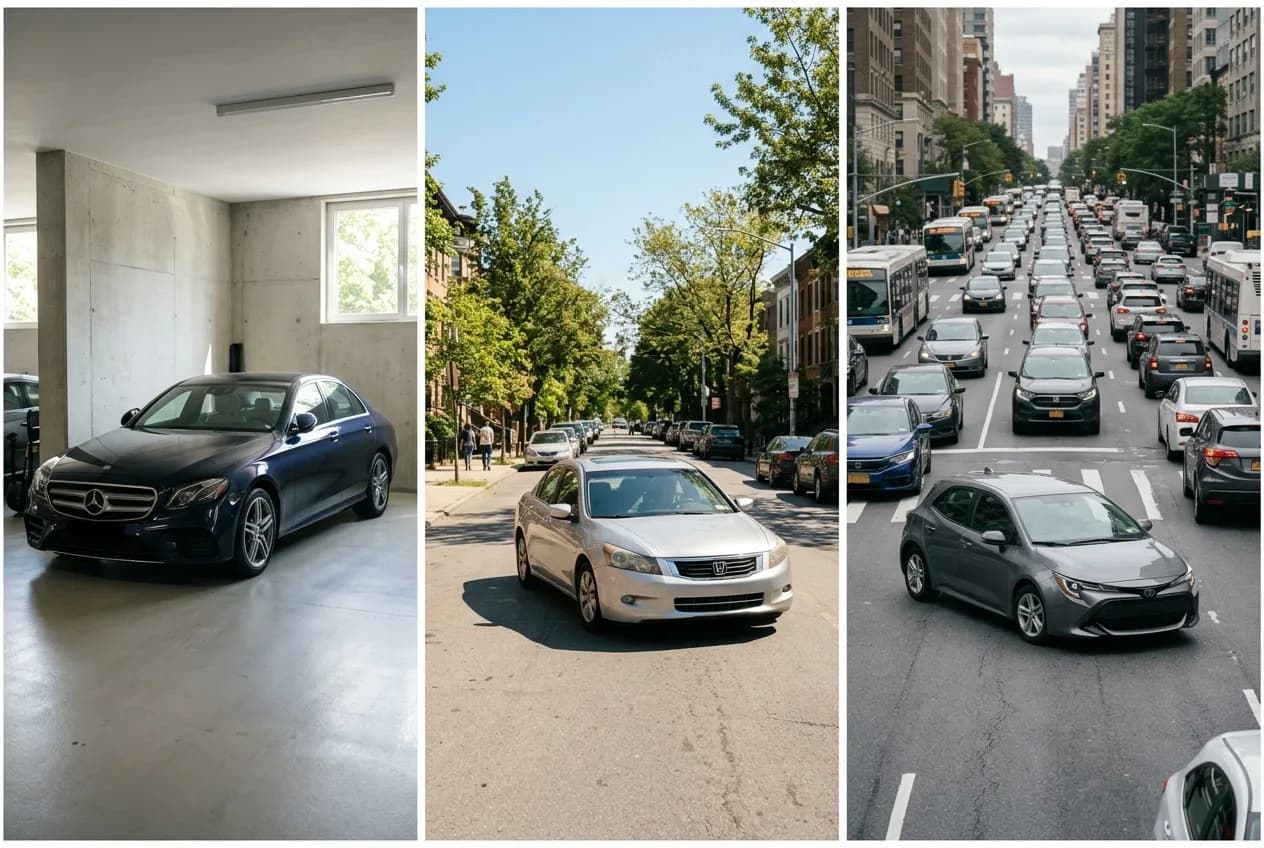
Unfortunately, there is no 100% protection against vandalism. However, you can minimise the risk. Where possible, park your vehicle on well-lit, busy streets. A garage or a monitored car park offers the best protection. They reduce the risk by an estimated 70 per cent. Avoid parking in areas known for vandalism. This applies especially at major events. An alarm system can act as a deterrent. Installation costs from around €200. Consider when comprehensive cover is no longer worthwhile if your vehicle is older.
Conclusion: Well insured and acted correctly in the event of car vandalism
Vandalism on a car is a nuisance. Comprehensive insurance can cushion the financial impact. What matters is a thorough knowledge of your policy and the correct procedure in the event of a claim. A prompt report within seven days, complete documentation and a police report are your most important tools. For minor damage, weigh up whether paying yourself is the better option. This avoids a downgrade in your no-claims bonus class. Also think about how long you should insure your car comprehensively. With this information, you are well prepared. Request your personalised risk analysis now! Have your insurance situation reviewed free of charge and receive specific suggestions for improvement.
Frequently asked questions
- What damage exactly does my comprehensive insurance cover in the event of vandalism?
Your comprehensive cover usually pays for deliberate damage such as paint scratches, dents, broken-off mirrors or aerials, and graffiti. Pure tyre damage is often excluded. You can find the exact terms in your AKB (General Conditions for Motor Vehicle Insurance).
- What should I do if my car has been the victim of vandalism?
Document the damage immediately with photos. Report the incident to the police without delay (file a report) and to your insurer, usually within seven days.
- Is it always worth settling a vandalism claim through comprehensive cover?
Not necessarily. Since making a claim leads to a downgrade of your no-claims bonus, for smaller damages (e.g. under EUR 1,000) it may be more cost-effective to pay for the repair yourself in order to avoid premium increases.
- What is the difference between partial cover and fully comprehensive cover in the event of vandalism?
Third-party, fire and theft insurance usually only covers glass breakage and fire damage in the event of vandalism. Fully comprehensive insurance also covers deliberate damage such as scratches, dents, etc.
- How can I prevent vandalism to my car?
Where possible, park in well-lit areas or garages. Avoid locations known to be high-risk. An alarm system can also act as a deterrent. However, some residual risk always remains.
- Who bears the burden of proof for vandalism damage?
As the policyholder, you must prove the vandalism damage. This means you must demonstrate that there has been a malicious or wilful act by a third party. A police report and photographs are very important in this context.
Sources
- [1]Statista provides statistics on police-recorded cases of damage to property involving motor vehicles in Germany since 1995.
- [2]Statista shows the trend in police clearance rates for damage to property in Germany since 1995.
- [3]Wikipedia provides a comprehensive article on property damage in Germany.