Comprehensive cover damage to your own car
Comprehensive cover: damage to your own car? Learn everything about cover, reporting and claims handling. Get free advice from nextsure now!
 Katrin StraubManaging DirectorInsurance expert with over 20 years of experience in the insurance industry.
Published on
Last updated on
5 min read
Table of Contents
Fully comprehensive cover for damage to your own car: comprehensive protection and what you need to know
A moment of inattention and it has happened: damage to your own car. Comprehensive insurance steps in here, but do you know the details? Find out how to act correctly in the event of comprehensive cover damage to your own car and what your insurance covers.
Quick Facts: The key things about comprehensive cover for own damage
Comprehensive insurance is an optional additional policy to the compulsory motor third-party liability insurance required by law. It covers damage to your own vehicle caused by self-inflicted accidents. Vandalism and damage caused by unknown third parties (hit and run) are also often covered. Comprehensive insurance always also includes the benefits of partial comprehensive insurance, such as damage caused by theft, fire or storm. Prompt claims notification, usually within seven days, is crucial for settlement. Depending on the policy, reimbursement of costs may involve an excess. Comprehensive insurance is generally recommended for new cars and vehicles up to around five years old.
Practical section: claims handling and typical case studies
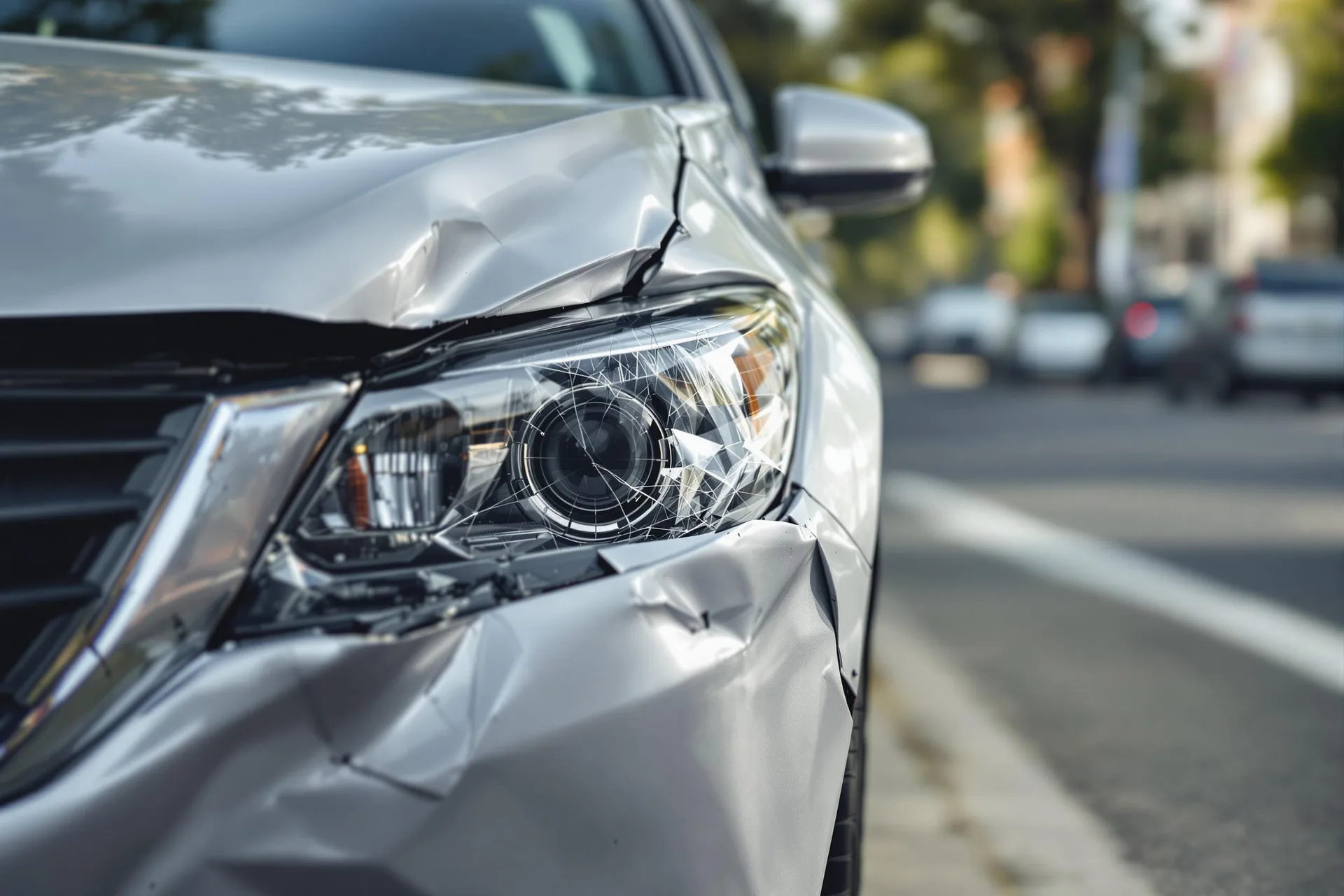
Imagine reversing out of a parking space and missing a bollard – a classic case for fully comprehensive insurance. The insurer covers the repair costs for your vehicle, less any excess agreed in advance, for example EUR 300. Another example is damage caused by vandalism: unknown persons scratch the paintwork of your car. Here too, fully comprehensive insurance applies. It is important to report the damage to your insurer without delay, often possible online or by phone. Document the damage carefully with photos and collect all relevant information about what happened. The insurer will then review the case and usually provide a repair shop recommendation or leave the choice to you, depending on the contract terms. For leased vehicles, fully comprehensive insurance is often mandatory and the leasing company must be informed immediately. The motor vehicle fully comprehensive insurance offers important protection here. The process for handling a fully comprehensive claim on your own car usually follows a clear pattern:
- Immediate notification of the claim (often within 7 days).
- Detailed documentation of the damage (photos, accident report).
- Clarification of cost coverage with the insurer (expert assessment if required).
- Repair of the vehicle or a notional settlement.
- Observance of the excess and any possible downgrading in your no-claims bonus class.
The exact steps can vary depending on the insurer and the policy, so it is always advisable to check your insurance documents. Knowing what a fully comprehensive claim is helps in an emergency.
Expert depth: legal aspects and special cases
With a comprehensive insurance claim on your own car, the Insurance Contract Act (VVG) provides the legal basis. Particular attention is required for the issue of gross negligence. If gross negligence is proven against you, for example running a red light and causing an accident, the insurer may reduce the benefit or even refuse it. However, many policies include a waiver of the defence of gross negligence; exceptions often apply to driving under the influence of alcohol or drugs. It is essential here to take a look at your own policy terms for own-damage cover.
Recent rulings show that courts decide on a case-by-case basis what counts as grossly negligent. For example, operating a navigation device while driving was classified as gross negligence (LG Potsdam, case no. 6 O 32/09). Our expert tip: Choose a tariff that explicitly waives the defence of gross negligence so you are better protected in the event of a claim. This often offers enhanced protection for less than a ten per cent additional premium. Another important distinction is between third-party liability, partial comprehensive and fully comprehensive cover.
Important legal points are:
- Policyholder obligations (e.g. timely notification, truthful information).
- Reduction of benefits in cases of gross negligence (§ 81 VVG).
- Definition of the term accident (a sudden event caused by external influence).
- Rules on the excess and no-claims bonus class.
- Option of an expert appraisal procedure in disputes over the amount of loss.
Understanding these aspects helps you to better understand your rights and obligations in the event of a claim. For a more detailed look at what comprehensive insurance means, read our in-depth article.
Weighing up costs and benefits: When is comprehensive insurance still worth it?
The decision for or against fully comprehensive insurance depends on several factors. In general, it is recommended for new cars and young used cars up to an age of around five years. The vehicle’s depreciation plays a major role. The older the car and the lower its value, the more likely it may be worthwhile to switch to third-party, fire and theft cover. However, bear in mind that even an older vehicle can represent a significant financial loss in the event of a total loss caused by your own fault.
The question of how long you should insure a car with fully comprehensive insurance therefore has to be answered individually. The cost of fully comprehensive insurance is influenced by the insurance group, regional class, no-claims discount and the amount of the excess. An excess of, for example, 300 or 500 euros can noticeably reduce the premium. Weigh up the annual cost against the risk of an expensive claim on your own car. For new drivers with a statistically higher accident risk, fully comprehensive insurance can also be worth considering for older vehicles in order to minimise the financial risk.
The advantage of fully comprehensive insurance lies in the comprehensive protection it provides. Also consider when a switch from fully comprehensive to third-party, fire and theft cover would be appropriate for you.
Recommended actions: How to behave correctly in the event of a claim
After a self-inflicted claim to your own car, quick and correct action is required. First secure the accident scene and, if necessary, provide first aid if anyone has been injured. In the event of major damage, injuries or an unclear situation, inform the police. Document the damage immediately and in detail. Take photos from different angles and note the sequence of the accident. Report the comprehensive insurance claim for your own car to your insurer without delay. Most insurers set a deadline of seven days for this. Clarify the next steps with your insurer, especially regarding the choice of workshop and any possible assessment of the damage.
Keep all receipts and correspondence carefully. For smaller damages, it can sometimes be cheaper to pay for the repair yourself in order to avoid a downgrade in your no-claims bonus. However, this should be carefully calculated. nextsure will be happy to support you in assessing your individual situation. Request your personal risk analysis now: Have your insurance situation checked free of charge and receive concrete optimisation suggestions.
Frequently asked questions
- What is the difference between partial comprehensive and fully comprehensive cover in the event of damage to your own car?
Partial comprehensive cover includes damage that you did not cause yourself (e.g. theft, fire, storm, glass damage). Fully comprehensive cover includes all partial comprehensive benefits and, in addition, damage caused by accidents you have caused yourself and vandalism to your own car.
- Do I have to pay an excess for a fully comprehensive claim?
That depends on your insurance policy. Many comprehensive cover policies include an excess (e.g. 300 or 500 euros), which you would have to pay yourself in the event of a claim. A higher excess often leads to lower premiums.
- Will I be downgraded in my no-claims discount class after a fully comprehensive insurance claim?
Yes, after a comprehensive insurance claim has been settled (self-inflicted or vandalism), there is usually a downgrade in the no-claims bonus class, which can lead to higher premiums. With partial comprehensive cover, there are no no-claims bonus classes and therefore no downgrade either.
- What happens if the other driver leaves the scene of the accident?
If the at-fault driver leaves the scene and cannot be identified, your comprehensive insurance will cover the damage to your own vehicle.
- Can I also have the fully comprehensive damage paid out to me (notional settlement)?
Yes, with many insurers, a notional settlement is possible. This means you have the estimated repair costs paid out to you (often on the basis of an expert report or cost estimate) without having the vehicle repaired. VAT is then usually not reimbursed.
- What counts as vandalism under comprehensive insurance?
Vandalism includes deliberate or malicious damage to your vehicle by third parties, for example scratched paintwork, broken-off mirrors or punctured tyres.
Sources
- [1]Wikipedia provides a comprehensive overview of comprehensive cover, an important type of motor vehicle insurance.
- [2]The Federal Statistical Office (Destatis) provides official data and statistics on road traffic accidents in Germany.
- [3]The Federal Motor Transport Authority (KBA) provides information on traffic offences and relevant statistics in German road traffic.
- [4]The German Insurance Association (GDV) offers insights into the impact of natural hazards on motor insurance claims and further industry statistics.
- [5]The Consumer Advice Centre explains the obligation to have motor insurance and other important aspects for consumers.
- [6]The ADAC provides comprehensive information and support on the subject of motor insurance claims.
- [7]The Federal Highway Research Institute (BASt) presents research findings and data from the German In-Depth Accident Study (GIDAS), which contribute to accident research.
- [8]The German Road Safety Council (DVR) provides current accident statistics and information on road safety in Germany.