Car insurance own damage cover
Find out how motor insurance own damage cover protects your assets. Get informed at nextsure now and secure the right protection!
 Katrin StraubManaging DirectorInsurance expert with over 20 years of experience in the insurance industry.
Published on
Last updated on
3 min read
Table of Contents
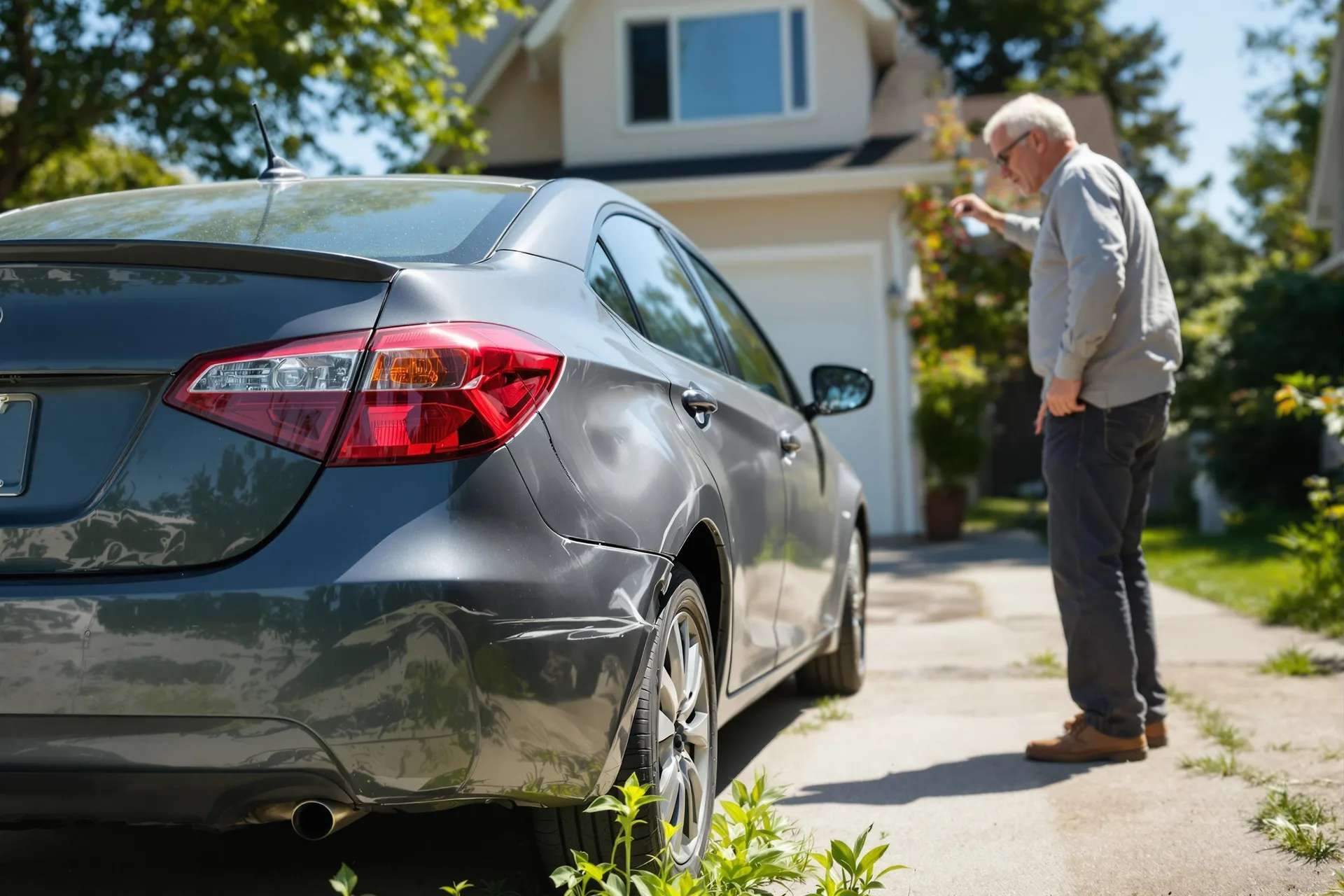
One moment of inattention, and it has happened: you have damaged your second vehicle or your own garage with your car. Without the right car insurance own-damage cover, this can quickly cost several thousand euros, because standard liability insurance does not cover this.
Understanding own-damage cover: More than just liability insurance
Own-damage cover is a special component of your motor third-party liability insurance. It applies when you cause damage to your other own assets with your insured vehicle. This concerns, for example, a second car that belongs to you, or buildings such as your garage, where cover limits of up to one hundred thousand euros often apply. Standard motor third-party liability insurance only covers damage to third parties, while comprehensive insurance is responsible for the vehicle causing the damage itself. Own-damage cover therefore closes an important gap for damage to your other possessions caused by your own vehicle, and often for a small additional premium of less than fifty euros a year. This protection is particularly relevant, as such damage can quickly amount to several thousand euros. The exact terms, such as a possible excess of typically five hundred euros, vary depending on the insurer. It is therefore important to check the details of your policy carefully.
Practical examples: When own-damage cover becomes indispensable
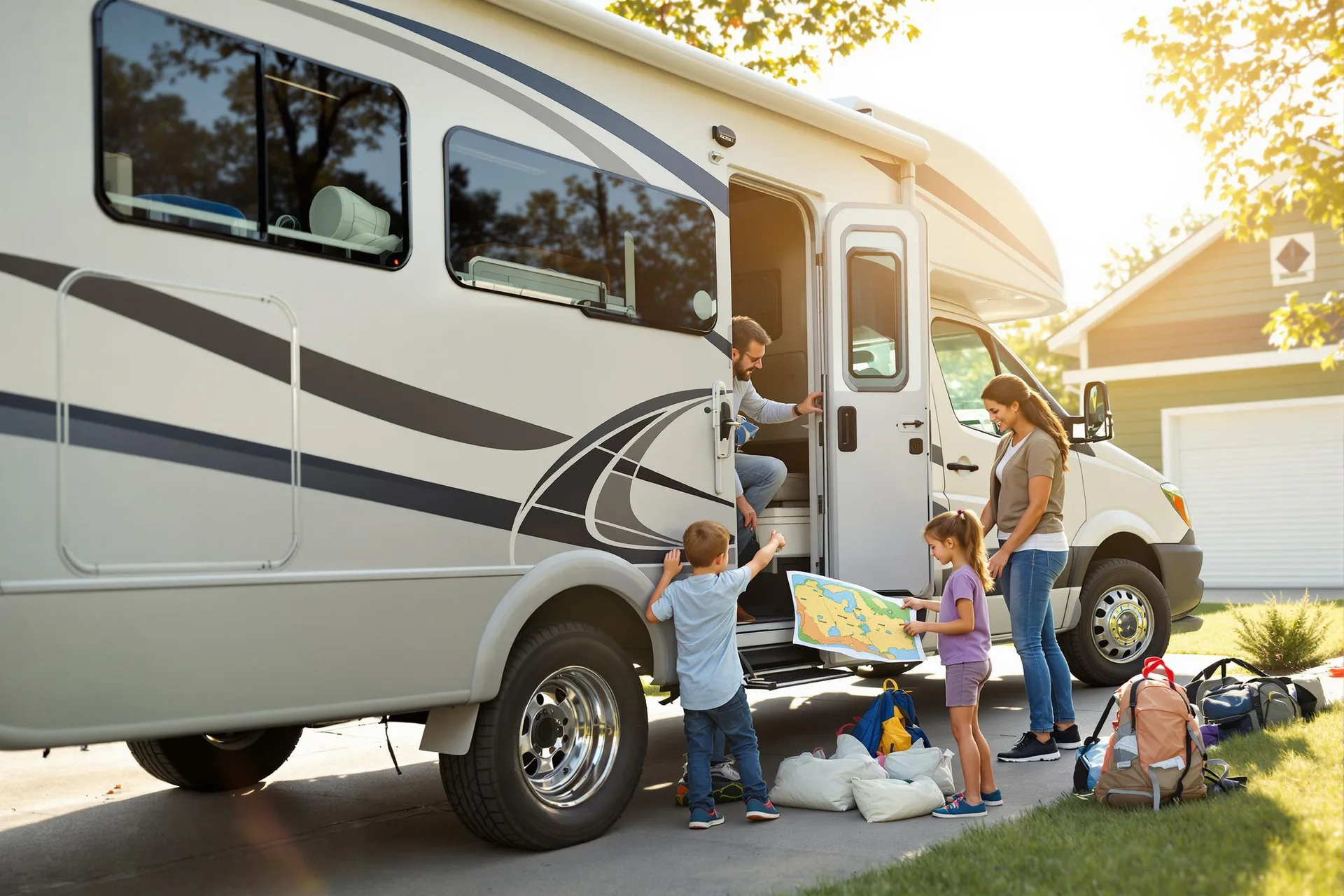
Imagine manoeuvring your first car and accidentally damaging your second car, which is parked on the same property. Such damage can quickly cost two thousand euros or more. Without own damage cover, you would have to bear these costs yourself, as neither the standard liability insurance nor the comprehensive cover of the vehicle causing the damage would pay for the damage to the second car. Another common scenario is damaging your own garage door or a fence post when parking or leaving a parking space, which can also lead to repair costs of over five hundred euros. In these cases, own damage cover pays the costs of repairing the damaged property, less any excess. This protection is often essential for owners of multiple vehicles or properties with private vehicle access. Some tariffs even extend the cover to movable items such as bicycles that are damaged on the property. The exact benefits depend on your individual policy.
Here are typical situations in which own damage cover applies:
- Damage to a second vehicle registered to you caused by your first vehicle (repair costs often exceed one thousand five hundred euros).
- Hitting your own garage door or the house wall (damage often between five hundred and three thousand euros).
- Damage to a bicycle or garden fence standing on the property caused by your car.
- Damage caused to your other property by a driver covered under the policy (e.g. your spouse) using your vehicle.
These examples show how quickly a financial shortfall can arise without this additional cover.
Costs and conditions: What you need to bear in mind with own damage cover
The cost of own-damage cover is usually low compared with the potential loss, and often starts at under fifty euros per year. It is generally significantly cheaper than separate comprehensive insurance for each individual item. The sum insured for own damage is often capped at a maximum amount, for example one hundred thousand euros per claim or per year. In addition, an excess is often agreed, typically between two hundred and fifty and five hundred euros. Check the level of the sum insured and the excess carefully before taking out a policy. Many insurers offer own-damage cover as part of comfort or premium packages. Comparing different motor insurance tariffs is worthwhile in order to find the best value for money for your needs. Make sure you check whether the cover also applies on your own property or only off-site. The exact terms can differ considerably between providers.
Keeping an eye on legal fundamentals and current developments
The framework conditions for motor insurance in Germany are regulated in the Insurance Contract Act (VVG) and the Compulsory Insurance Act (PflVG). However, the specific benefits of own-damage cover arise from the General Conditions for Motor Insurance (AKB) of the respective provider. These conditions may contain details on exclusions, the scope of cover and the policyholder's obligations that go beyond the statutory minimum requirements. It is crucial to study the individual contractual terms carefully, as these can vary from insurer to insurer. For example, the definition of what counts as “other property” may differ. Current court rulings can also influence the interpretation of insurance clauses, so if anything is unclear, it is advisable to seek expert advice. An annual review of your insurance cover ensures that it still matches your current life situation. Also note cancellation periods, which are usually one month before the end of the contract.
Target group analysis: For whom is own-damage coverage particularly worthwhile?
Own-damage cover in motor insurance is particularly worthwhile for people who own several vehicles, all registered to the same owner. Here, the risk of damaging one of your own vehicles with another is statistically higher and can quickly lead to costs of more than two thousand euros. Owners of houses with a garage, carport or narrow driveways also benefit, as manoeuvring can quickly cause damage to the building or to fixed installations such as fences, the repair of which often costs more than five hundred euros. Families in which several drivers use the same vehicle and may also have access to other household vehicles should also consider this additional cover. The low additional cost, often only three to five euros per month, is very reasonable in relation to the potential financial loss.
Ultimately, it is an individual decision: How high is your personal risk, and how much would such damage cost you without insurance? A careful analysis of your situation helps with the decision.
The following groups of people should consider own-damage cover:
- Owners of two or more vehicles.
- Homeowners with their own garage or narrow yard (risk of damage increased by up to thirty percent).
- People who regularly need to manoeuvre on their own property.
- Families with several drivers who have access to the vehicles.
Advice can help to determine individual needs precisely.
Expert tip: Find the optimal protection for your property
To ensure suitable protection through motor insurance own damage cover, you should first analyse your individual needs. Consider which of your own belongings could be at risk from your vehicle and how high a potential claim could be; often these amounts are over one thousand euros. Then compare the offers from different insurers, paying attention not only to the price, but also to the details such as cover limits (at least fifty thousand euros recommended), excess and exclusions. Read the small print in the policy terms and conditions (AKB) carefully.
Sometimes own damage cover is already included in more comprehensive tariffs at no great extra cost. Comprehensive third-party motor insurance is the basis, and own damage cover is a useful addition. At nextsure, we will be happy to help you optimise your insurance cover and find a tailored solution that can save you costs of up to several tens of thousands of euros in the event of a claim. This gives you the reassurance that even accidents involving your own vehicle and your own property are financially covered.
Frequently asked questions
- What is the difference between own-damage cover and comprehensive cover?
Own-damage cover (as part of motor third-party liability) pays for damage you cause with your vehicle to your other property (e.g. second car, garage). Comprehensive insurance, on the other hand, covers damage to the causing vehicle itself, even if you were at fault for the accident.
- Which damages are typically not covered under own-damage cover?
Damage to the vehicle causing the damage itself is not covered. Damage caused intentionally, or damage due to wear and tear, is also usually excluded. The relevant insurance conditions (AKB) govern the details.
- What is the sum insured for own damage cover?
The cover limit is often capped at a specific amount, for example one hundred thousand euros per claim or insurance year. It is important to check this in your policy.
- Can I also take out own-damage cover for my only car?
Own damage cover is primarily intended to cover damage to other property. If you only own one car and, for example, damage your house wall with it, own damage cover may apply. Damage to the car itself would be a case for comprehensive cover.
- Does a claim under own damage cover affect my no-claims discount?
Yes, as own-damage cover is usually a component of motor vehicle liability insurance, a claim settled under it can lead to a downgrade in the no-claims bonus class for liability cover. This depends on your insurer’s terms and conditions.
- Where can I find the exact terms for my own damage cover?
The exact terms, benefits and exclusions can be found in the General Motor Insurance Terms and Conditions (AKB) of your insurance contract, as well as in the insurance certificate (policy).
Sources
- [1]Wikipedia provides a comprehensive overview of car insurance in Germany.
- [2]The Federal Statistical Office (Destatis) offers an overview page on statistics about road traffic accidents in Germany.
- [3]The Federal Statistical Office (Destatis) provides a list of tables with detailed statistics on road traffic accidents.
- [4]The German Insurance Association (GDV) publishes statistics on road traffic accidents from the perspective of the German insurance industry.
- [5]The German Insurance Association (GDV) provides the General Conditions for Motor Insurance (AKB 2015) as a PDF.
- [6]The ADAC offers information on fully comprehensive insurance for motor vehicles.
- [7]On Gesetze im Internet you can find the Act on Compulsory Insurance for Motor Vehicle Owners (PflVG).