Equine Surgery Insurance: Coverage for Laryngeal (Roarer) Surgery
Does equine surgery insurance cover roarer surgery for laryngeal paralysis? Waiting periods, pre-existing conditions, GOT rates, and exclusions explained.
All details are taken from the provider's linked product page and the contract documents (IPID/policy conditions) published there; the insurer's documents prevail. Premiums, benefits and the insurance product itself may change – please verify the details directly with the partner before signing up; only the information provided there is binding.
 Katrin StraubManaging DirectorInsurance expert with over 20 years of experience in the insurance industry.
Published on
Last updated on
12 min read
Table of Contents
When a horse is diagnosed with laryngeal hemiplegia (roaring), equine surgery insurance covers the cost of roarer surgery provided the condition was not yet known when the policy was taken out and the general waiting period, usually three months, has elapsed. Some providers, however, exclude this specific airway procedure by contract. A careful tariff comparison is therefore essential to reliably cover the high surgery costs and expensive follow-up treatment.
Equine surgery insurance
Horse surgery insurance via nextsure: Three flexible tariffs, reimbursement up to twice the GOT rate, and free choice of clinic worldwide. Protect your horse from high surgery costs – digital, transparent and uncomplicated.
Learn moreThe medical and financial dimension of roarer surgery
Medical basics of laryngeal hemiplegia
The medical dimension of roarer surgery concerns above all the horse's airway performance and confronts owners with far-reaching decisions. Roaring, referred to precisely in veterinary medicine as laryngeal hemiplegia, is a progressive, usually one-sided paralysis of the laryngeal muscles. This paralysis means the arytenoid cartilage can no longer be actively pulled to the side. As a result, the airway narrows, which produces the characteristic whistling breathing sound, especially under physical exertion. The reduced oxygen intake severely limits the animal's performance, causing a drastic drop in performance particularly in sport and leisure horses. Surgery is often the only solution. The operation, usually performed as a laryngoplasty, widens the airway artificially and permanently. Veterinarians fix the paralyzed cartilage in place with special sutures so that airflow can pass unobstructed again. This procedure demands a high degree of surgical precision and deep anatomical knowledge.
Cost structure under the veterinary fee schedule
The financial burden on horse owners from this highly specialized procedure is considerable and calls for forward-looking budget planning. The cost of roarer surgery in horses is based on the German veterinary fee schedule (Gebührenordnung für Tierärzte, GOT) and depends on the surgical method chosen [2]. The pure surgery costs in practice often range between €1,500 and €3,000, depending on the level of difficulty and the clinic chosen. On top of that come further, unavoidable expenses for the prior endoscopic diagnostics, complex anesthesia monitoring, and a multi-day inpatient stay at the veterinary clinic. If unforeseen complications such as wound infections or post-operative bleeding occur, this sum can quickly double. Solid coverage therefore makes economic sense. Clinics bill each case individually based on the actual time and staff involved. Without appropriate insurance cover, owners bear the full financial risk of this necessary medical procedure.
Protection through the right policy
To minimize this enormous cost burden and avoid having to forgo the operation for financial reasons in an emergency, many owners look for a suitable solution. A strong equine surgery insurance policy reliably absorbs these financial peaks and protects the household's liquidity. The policies cover the billed rates of the veterinary clinics, provided the contractual requirements are met. What matters here is a precise, critical review of the tariff terms before signing up. Not every insurer covers airway operations as standard in its base tariffs. Some providers classify roaring as a genetic predisposition or a breeding-related developmental defect and exclude it consistently. Others classify it as a regular, insurable illness and reimburse the costs without objection. The choice of the right tariff therefore decisively determines actual cost coverage in an emergency.
Coverage concepts in equine surgery insurance compared
Exclusions in the fine print
The various coverage concepts offered by providers differ fundamentally when it comes to roarer surgery and require a detailed market comparison. While some insurers reimburse this specific airway procedure without issue, others define clear, unambiguous exclusions in their general insurance terms and conditions (AVB). Roarer and "cribbing" (Kopper) operations are generally excluded from R+V's standard equine surgery insurance tariffs [4]. In direct contrast, Barmenia offers tariffs that do not explicitly strike this procedure from the list of covered benefits, provided there is no pre-existing condition. Such significant differences in the terms and conditions carry enormous weight for horse owners and can make a difference of thousands of euros. Signing up without reading the fine print often leads to coverage gaps. A careful reading of the insurance terms is essential. Anyone who relies only on advertising promises risks a complete refusal of cost coverage from the insurer in the event of surgery.
Reimbursement rates and specialist clinics
Another important aspect of coverage is the reimbursement rate under the statutory veterinary fee schedule. Uelzener offers tariffs that pay out independently of the GOT rate and allow free choice of clinic [3]. This is particularly relevant for highly specialized procedures such as laryngoplasty of the larynx. Specialist clinics often bill such complex operations at two to three times the standard GOT rate to refinance the use of specialist staff and state-of-the-art technology. A tariff that strictly reimburses only the base rate leaves the policyholder with a massive coverage gap that must be paid out of pocket. Premium tariffs even cover up to four times the fee schedule rate in an emergency, offering maximum financial security. Choosing the right tariff therefore requires strategic foresight. Being limited to a low fee rate is one of the most common reasons for high co-payments despite having insurance.
Aftercare and incidental costs
Beyond the pure surgical benefit, the incidental costs and aftercare benefits covered also vary considerably between providers. Depending on the tariff, insurers reimburse accommodation at a veterinary clinic after surgery for up to 10 days at a maximum of €25 per day [5]. Other providers such as Barmenia reimburse follow-up treatment for up to 15 days in their strongest tariffs, including inpatient stays [1]. These seemingly small differences quickly add up to several hundred euros in the case of a longer clinic stay with complications. It is worth checking possible exclusions in the insurance contract in detail beforehand and comparing the aftercare periods. Only this way is comprehensive protection guaranteed. An operation is only complete, medically and financially, once the horse leaves the clinic healthy and aftercare has ended.
Key comparison criteria for roarer surgery
- Explicit inclusion or exclusion of airway operations in the terms and conditions
- Maximum reimbursement rate under the veterinary fee schedule (GOT)
- Duration of covered inpatient follow-up treatment at the veterinary clinic
- Coverage of costs for imaging procedures and endoscopy
- Rules on operations performed under standing sedation
A careful comparison of these criteria prevents coverage gaps in an emergency.
Pre-existing conditions and the relevance of the diagnosis date
Strict rules for known diagnoses
Known pre-existing conditions are the biggest obstacle when applying for insurance and demand absolute honesty in the application process. Barmenia's insurance terms consistently exclude illnesses, accidents, or developmental defects that were already known to the owner at the time of application. If the treating veterinarian had already diagnosed the roaring before the policy was taken out, coverage for this specific condition and all resulting follow-up operations is permanently void. This strict principle applies across the industry to all reputable providers on the German market. Retroactive coverage of already existing diagnoses is excluded. Signing up in good time, while the horse is healthy, is essential. Anyone who waits until the first breathing noises are audible under saddle has already missed the optimal moment to take out a policy and must bear the surgery costs themselves.
The exact timing of the diagnosis
Insurers' claims departments define the timing of diagnosis extremely strictly. If the point of clinically relevant symptoms falls before the start of cover or within the contractual waiting period, the insurer rigorously refuses to cover the cost. A mere suspicion of laryngeal paralysis, noted in passing in the vet's electronic patient record, is often enough to trigger a complete refusal of benefits. Depending on the tariff, equine surgery insurance covers part or all of the costs of surgery for laryngeal paralysis, provided the policy was taken out before the diagnosis was made [2]. Transparency during the health assessment is essential. False statements or concealing prior findings inevitably lead to loss of cover and entitle the insurer to immediately contest or terminate the entire contract.
Coverage despite existing findings
In practice, it is often difficult for owners to insure horses with existing pre-existing conditions. If the horse already suffers from roaring, surgery cost insurance can nevertheless often be taken out with many providers for other, entirely unrelated procedures. The known laryngeal condition and all related treatments are then excluded from cover through a specific, individual clause. If a life-threatening colic or a complicated bone fracture occurs later, the insurer pays out as contractually agreed and covers the costs. It is important to document these exclusions precisely. That way both parties to the contract know exactly which risks are covered and where the owner bears the financial risk themselves. An open conversation with the broker helps set up these special contract arrangements in a legally sound and transparent way.
Waiting periods and their effect on planned procedures
General waiting periods for illness
Contractual waiting periods delay full insurance cover after the policy is taken out and serve to protect the pool of insured policyholders. For claims arising from illness, the general waiting period at Barmenia and many competitors is exactly three months from the documented start of cover. If the diagnosis of roaring occurs within these first three months, there is no entitlement to reimbursement of the surgery costs, even if the procedure is only carried out later. This strict rule effectively protects the community of policyholders from short-term opportunistic sign-ups by owners who are already planning surgery. Only in the case of unforeseeable accidents or acute, life-threatening colics do these waiting periods generally not apply at all. Horse owners must factor these deadlines into their planning. An operation that is not an acute lifesaving emergency should, if possible, only be diagnosed and scheduled after this qualifying period has elapsed.
Special blocking periods for specific diagnoses
Certain diagnoses are subject to even longer, specific blocking periods at many providers, intended to minimize risk for the insurer. For joint operations involving isolated shadowing, osteochondrosis dissecans (OCD), or so-called chips, a special waiting period of a full twelve months often applies. Roarer surgery of the larynx, however, falls under the regular three-month waiting period in most terms and conditions, since it primarily affects the airways rather than the musculoskeletal system. Even so, it is advisable to check the policy carefully before a planned procedure. Some insurers individually extend the periods for specific airway conditions when certain breeds are insured. A detailed comparison of the general insurance terms and conditions guards against surprises. Anyone who does not know the deadlines risks having to finance the expensive laryngoplasty entirely out of their own pocket despite ongoing premium payments.
Waiver of the waiting period when switching providers
A complete waiver of the waiting period is only possible under very specific and strictly reviewed conditions. If a previous policy existed with another insurer and transitions seamlessly, without interruption, into the new contract, many providers waive the general waiting period as a goodwill gesture. However, this contractually applies only to exactly those benefits that were already fully covered under the previous contract. If roarer surgery was explicitly excluded under the previous contract, the three-month waiting period still applies in full to this specific risk under the new contract. Switching providers therefore requires strategic planning. The experts at nextsure analyze such transitions in detail. They check the certificates of prior insurance and make sure that no dangerous coverage gaps arise during the switch that would result in high out-of-pocket costs in the event of a sudden airway diagnosis.
| Type of benefit | Typical waiting period | Special features |
|---|---|---|
| Accident / acute colic | None / 5 days | Immediate cover for unforeseeable events |
| General illness (incl. roarer surgery) | 3 months | Diagnosis must not be made before this period elapses |
| Joint operations (OCD, chips) | 12 months | Long blocking period due to high prevalence |
The exact deadlines vary depending on the insurer and tariff terms.
Diagnostics and aftercare as cost drivers
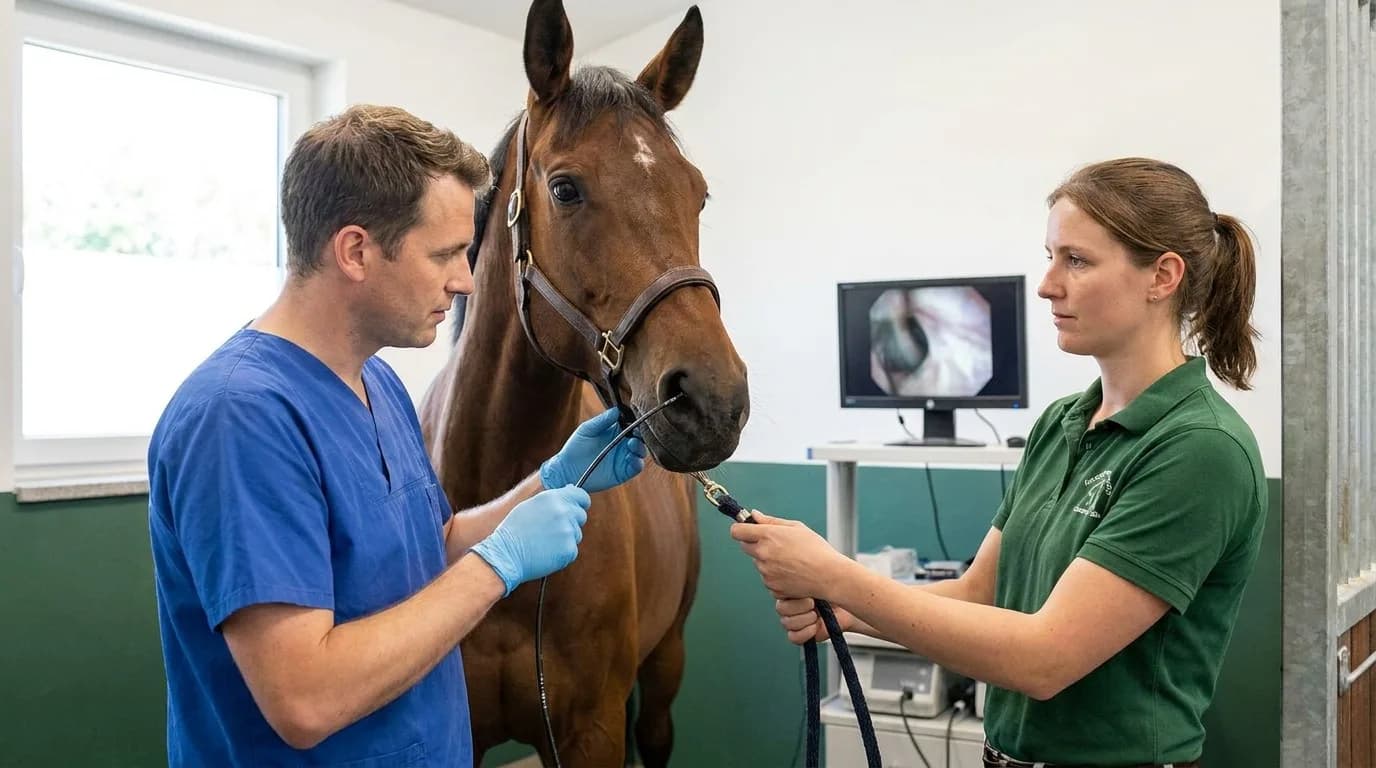
Extensive endoscopy before the procedure
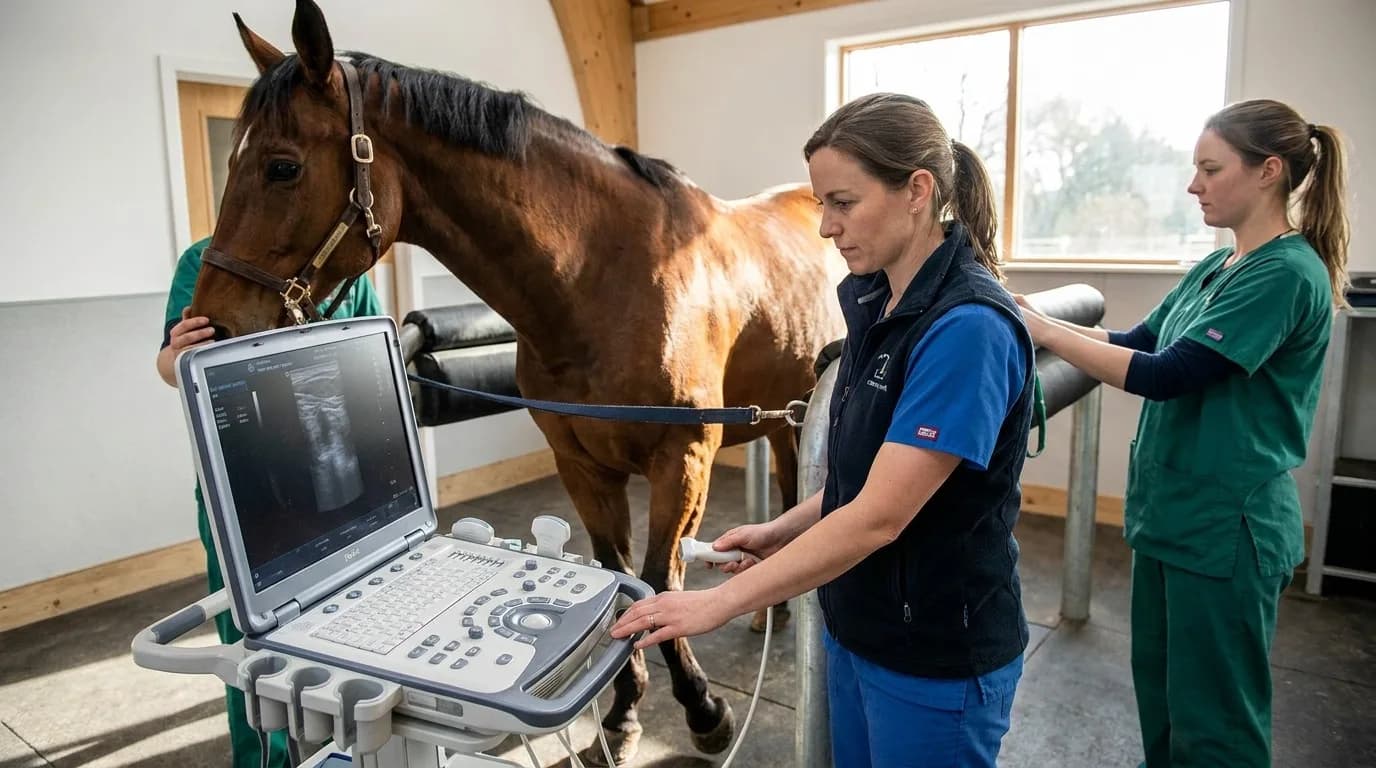
Precise diagnostics before the operation already generate considerable costs, which are often underestimated. To establish roaring beyond doubt and determine the degree of paralysis, veterinarians usually perform dynamic endoscopy of the airways. This elaborate examination often takes place under real exertion on a treadmill or directly while being ridden. Barmenia reimburses the costs of these pre-operative examinations if they were essential to establishing the diagnosis and the operation is subsequently actually carried out. If the horse ultimately does not undergo surgery, owners are often left covering the diagnostic costs themselves. A pure health insurance policy offers broader protection here. It covers the diagnostics even if the owner decides against surgery and chooses conservative therapy instead.
Inpatient accommodation and medication
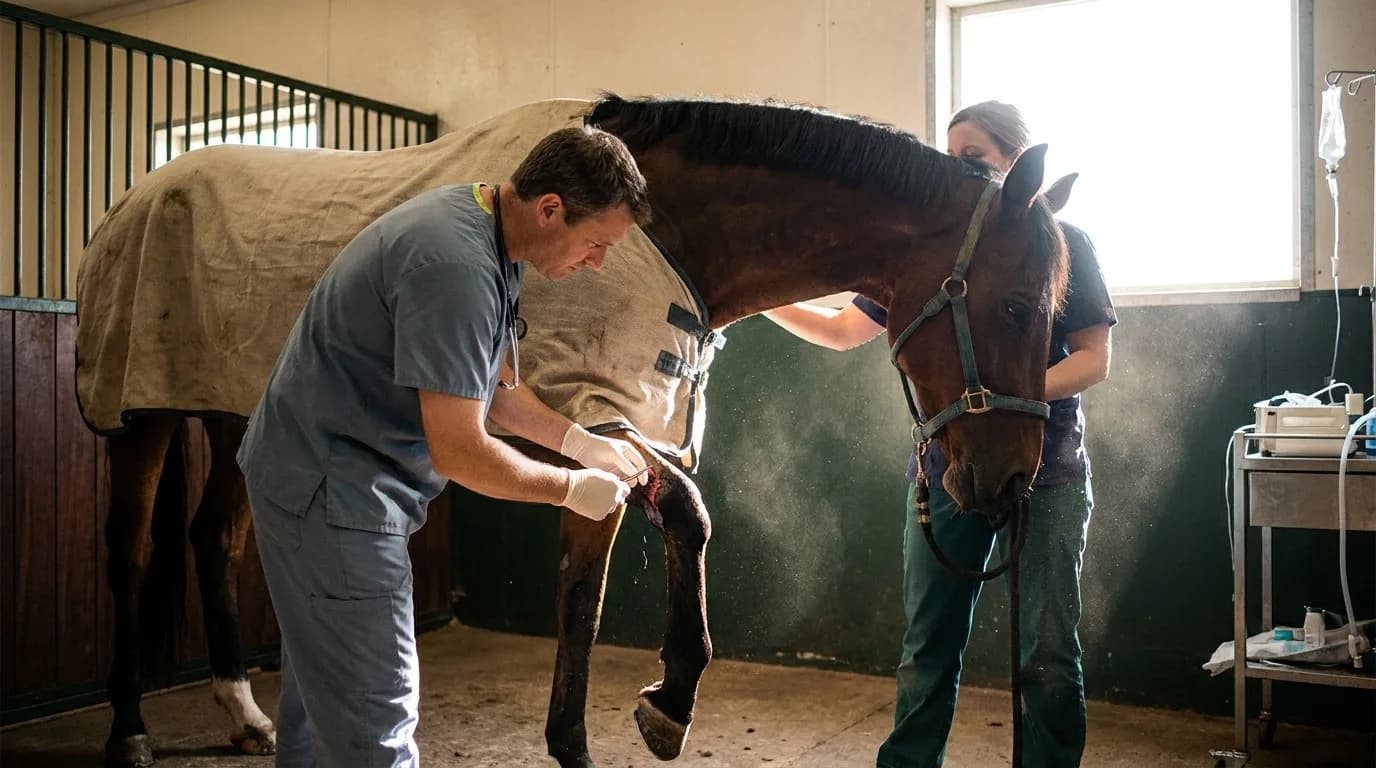
After a successful procedure, intensive medical care of the horse is needed to secure the success of the operation over the long term. Strong tariffs reimburse follow-up treatment after an operation for up to 15 days [1]. This includes expensive medication such as antibiotics and painkillers, special dressing materials, and inpatient accommodation at the veterinary clinic. Pre- and post-treatment directly related to an insured operation is even covered without a time limit by some providers [5]. The length of covered aftercare is a key quality feature of a tariff. Complications with wound healing often require longer clinic stays. If a tariff cuts off aftercare after just a few days, the owner's out-of-pocket costs quickly explode, since every additional day at the clinic adds up in accommodation and treatment costs.
Physiotherapy and rehabilitation
Modern aftercare concepts increasingly include alternative and physiotherapeutic treatment approaches that actively support the healing process. Premium tariffs sometimes cover up to five physiotherapy sessions after the regular follow-up treatment period has ended, provided these were prescribed by a veterinarian. This promotes rapid recovery and a safe return to full performance under saddle. Especially for sport horses, optimal, professionally supervised rehabilitation after an airway operation is decisive for their further career. The costs of these specialized therapies add up quickly. A forward-looking choice of tariff also covers these modern treatment methods. Anyone who cuts corners here delays the healing process and risks the horse never regaining its full performance potential after the expensive operation.
Typical cost items around laryngoplasty
- Dynamic endoscopy for an exact diagnosis
- Anesthesia induction, monitoring, and recovery phase
- Surgical procedure billed at the GOT rate
- Special implants and suture material
- Inpatient accommodation and medicated aftercare
All of these items should be covered by the chosen tariff.
Surgical methods and anesthesia risks
Standing sedation as a modern method
The chosen surgical methods affect both the medical risk to the animal and the clinic's final bill. Traditionally, laryngoplasty to correct roaring was performed under general anesthesia with the horse lying on its back on the operating table. Modern veterinary methods, however, increasingly allow certain procedures to be performed under standing sedation on the sedated, standing horse. This massively reduces the considerable anesthesia risk and the physical strain on the horse. Barmenia's insurance terms explicitly include operations under general anesthesia, sedation, local anesthesia, or standing sedation within the scope of cover. This flexibility is essential for modern veterinary medicine. The veterinarian chooses the safest method. Owners need not worry that a gentler, modern surgical method performed on a standing horse will be rejected by the insurer for formal reasons.
Risks of general anesthesia in horses
The risk of general anesthesia in a horse is statistically significantly higher than in dogs or cats and places an enormous strain on the circulatory system. Standing up after anesthesia in the recovery box carries an acute risk of severe fractures or irreversible muscle damage due to the animal's high body weight. If a horse dies during induction of anesthesia, the operation is often contractually treated by good providers as having been carried out. The preparation costs and fees incurred up to that point are reimbursed in these tragic cases, which at least eases the financial burden. Choosing standing sedation significantly minimizes these specific risks. Billing follows the same fee schedule as for general anesthesia. Cost reimbursement therefore remains unaffected, while the medical risk to the horse drops significantly.
Material costs and implants
The surgical technique requires special instruments and expensive implants; clinics list these separately on the invoice. In roarer surgery, the paralyzed arytenoid cartilage is permanently fixed outward with special, tear-resistant sutures to keep the airway open. The costs of this high-quality consumable material and the implants are fully included in good surgery insurance policies and reimbursed without deductions. Cheap tariffs sometimes exclude expensive special materials or cap the reimbursement amount at an unrealistically low figure. A close look at the materials cost clause prevents financial gaps. The quality of the implants determines the long-term success of the operation. A torn suture would require another, even more complicated operation, which is why only the most modern, proven materials should be used here.
Tariff selection and contractual pitfalls
The danger of maximum compensation limits
A systematic approach to tariff selection protects horse owners from hidden contractual pitfalls that force high co-payments in an emergency. One key point when reviewing a contract is the annual maximum compensation limit. R+V pays out regardless of the level of the billed GOT rate and its tariffs have no annual maximum compensation limit [4]. Other providers strictly cap payouts at €5,000 or €10,000 per insurance year. If an expensive roarer operation occurs in the same year and an emergency colic follows just a few months later, such a limit is exhausted extremely quickly. Unlimited coverage sums offer the highest level of financial security. They ensure that full benefits are paid even if several medical emergencies occur in quick succession, and that the owner is not suddenly confronted with insurmountable veterinary bills.
Deductibles as a strategic tool
Another key criterion in tariff design is the contractually agreed deductible. Tariffs with a fixed excess of €250 or 20 percent per claim noticeably lower the monthly premium and make the policy cheaper day to day. However, on a surgery bill of €3,000 for laryngoplasty, a percentage-based deductible of 20 percent means an immediate co-payment of €600. Horse owners must honestly weigh up whether they would always have this sum readily available in an emergency. Tariffs without a deductible are more expensive on a monthly basis but offer absolute cost certainty. Individual liquidity determines the best choice. Anyone who has built up reserves often does better long-term with a deductible, while safety-oriented owners should prefer full cover with no excess.
Type of use and medical necessity
Particular care is needed regarding the exact definition of how the horse is used. Anyone looking for special cover for sport horses must check the terms extremely carefully. Some tariffs categorically exclude operations that serve solely to restore athletic performance and are not medically necessary for the animal's pure survival. Since roaring primarily limits performance in competitive sport, a restrictive insurer could deny liability here if the horse shows no symptoms at all in everyday life in the paddock. The definition of medical necessity is the decisive lever here when benefits are assessed. Professional advice is essential. A specialized broker ensures that the policy matches the horse's actual use exactly and that such interpretive gaps are closed.
Transparent comparison, no one-size-fits-all offering
The digital sign-up and claims process at nextsure centralizes the management of specialty insurance for horse owners. As an independent broker under Section 34d of the German Trade Regulation Act (GewO), nextsure does not offer a confusing grab-bag of products but hand-picked, high-performing tariffs. The platform compares the complex terms of equine surgery insurance policies in real time and immediately filters out unsuitable offers. Horse owners can see at a glance which tariff covers roarer surgery, which waiting periods apply, and where hidden exclusions lurk. This transparent, data-driven comparison saves hours of research through fine-print PDF documents and specialist forums. The digital needs analysis leads reliably to the right product. The entire sign-up process is paperless, legally sound, and completed within minutes, so cover can be applied for without unnecessary delay.
Direct billing in the event of a claim
A claim is where the true quality of an insurance platform and the strength of the broker model become apparent. If a horse is diagnosed with roaring, nextsure customers can upload the detailed veterinary invoices, surgery reports, and endoscopy findings directly through the portal. Direct billing with the treating veterinary clinic is easily possible with many partner insurers such as Barmenia, on explicit instruction. The horse owner then does not have to advance the high surgery costs out of pocket, which greatly eases the strain on liquidity. The nextsure team proactively supports communication with the insurer and clarifies any queries about medical necessity. Fast processes ease the burden in an already stressful situation. The owner can focus entirely on the horse's recovery while the experts manage the financial processing in the background.
Central management of all specialty policies
nextsure bundles the management of all existing policies centrally in one digital customer account. Whether it's equine surgery insurance, dog liability insurance, or cover for a valuable saddle, all documents are always available on the go. The platform automatically reminds you of cancellation deadlines and regularly checks in the background whether existing cover is still competitive or whether better tariffs are available. With more than 70 specialty products across seven categories, nextsure covers exactly the niches that often fall through the cracks on the large comparison portals. The combination of digital efficiency and personal expert advice creates measurable added value for demanding customers. That leaves more time for the horse. The broker always works in the customer's interest, not as an extension of the insurance company.
Frequently asked questions
- Does equine surgery insurance pay for roarer surgery in cases of laryngeal paralysis?
Yes, many strong tariffs cover the costs of laryngoplasty, provided the roaring was not yet known when the policy was taken out and the general waiting period, usually three months, has elapsed. Some providers, however, explicitly exclude this procedure in their base tariffs.
Sources
Conclude directly online
Verified partner tariffs at no extra cost. The button takes you straight to the provider's calculator.
 Barmenia
Horse surgery insurance
Surgery cost cover for horses in case of illness and accidents, including diagnostics and after-care.
- Waiting period:
- 3 months (colic surgery: 5 days, accidents: none)
- Coverage abroad:
- worldwide, up to 12 months
- Maximum benefit:
- depends on the cover level, as stated in the policy
- Surgery costs for illness and accidents, including tooth extractions and root canal treatment
- Pre-surgical examination (X-ray, endoscopy, biopsy, lab work)
- After-care including acupuncture, homeopathy, physiotherapy, laser therapy
- Emergency veterinary service up to 4x the standard veterinary fee schedule (GOT) rate plus the emergency callout fee
- Premium cover: up to 5 physiotherapy sessions (max. 60 minutes each) after the after-care period ends
- Once per animal: surgery costs for a birth-related, medically necessary caesarean section
Key exclusions
- Illnesses and developmental abnormalities known at the time of application
- Hoof abscesses and hoof ulcers (exception: hoof cancer)
- Surgery due to cryptorchidism
- Neutering that isn't medically necessary
Service-Champions GOLD: Nr. 1 der Versicherer im Multikanalvertrieb (ServiceValue, 10/2024)
Barmenia (Anbieter der Pferde-OP-Versicherung)
Special waiting periods: 12 months for joint surgery (chip fragments, OC/OCD, Birkeland fractures), 6 months for medically necessary neutering; Premium cover includes a waiver of the insurer's right to cancel from the 7th insurance year.
Fact sheet: benefits, exclusions and waiting periods in detail
All details are taken from the provider's linked product page and the contract documents (IPID/policy conditions) published there; the insurer's documents prevail. Premiums, benefits and the insurance product itself may change – please verify the details directly with the partner before signing up; only the information provided there is binding.
Information last updated: July 2026 · Source: provider product information (IPID/policy conditions)