Equine Surgery Insurance: Wound Care & Suturing Coverage
Does equine surgery insurance cover wound suturing? Standing sedation, accident waiting periods, and GOT-based reimbursement explained.
All details are taken from the provider's linked product page and the contract documents (IPID/policy conditions) published there; the insurer's documents prevail. Premiums, benefits and the insurance product itself may change – please verify the details directly with the partner before signing up; only the information provided there is binding.
 Katrin StraubManaging DirectorInsurance expert with over 20 years of experience in the insurance industry.
Published on
12 min read
Table of Contents
Equine surgery insurance covers the cost of wound care by suturing or stapling, provided the procedure is carried out under anesthesia, sedation, or local anesthesia. The skin or the tissue beneath it must be cut through more than superficially in the process. For accident-related lacerations or cuts, the regular waiting period is usually waived entirely. A simple superficial wound cleaning without surgical closure, on the other hand, does not count as an insured operation.
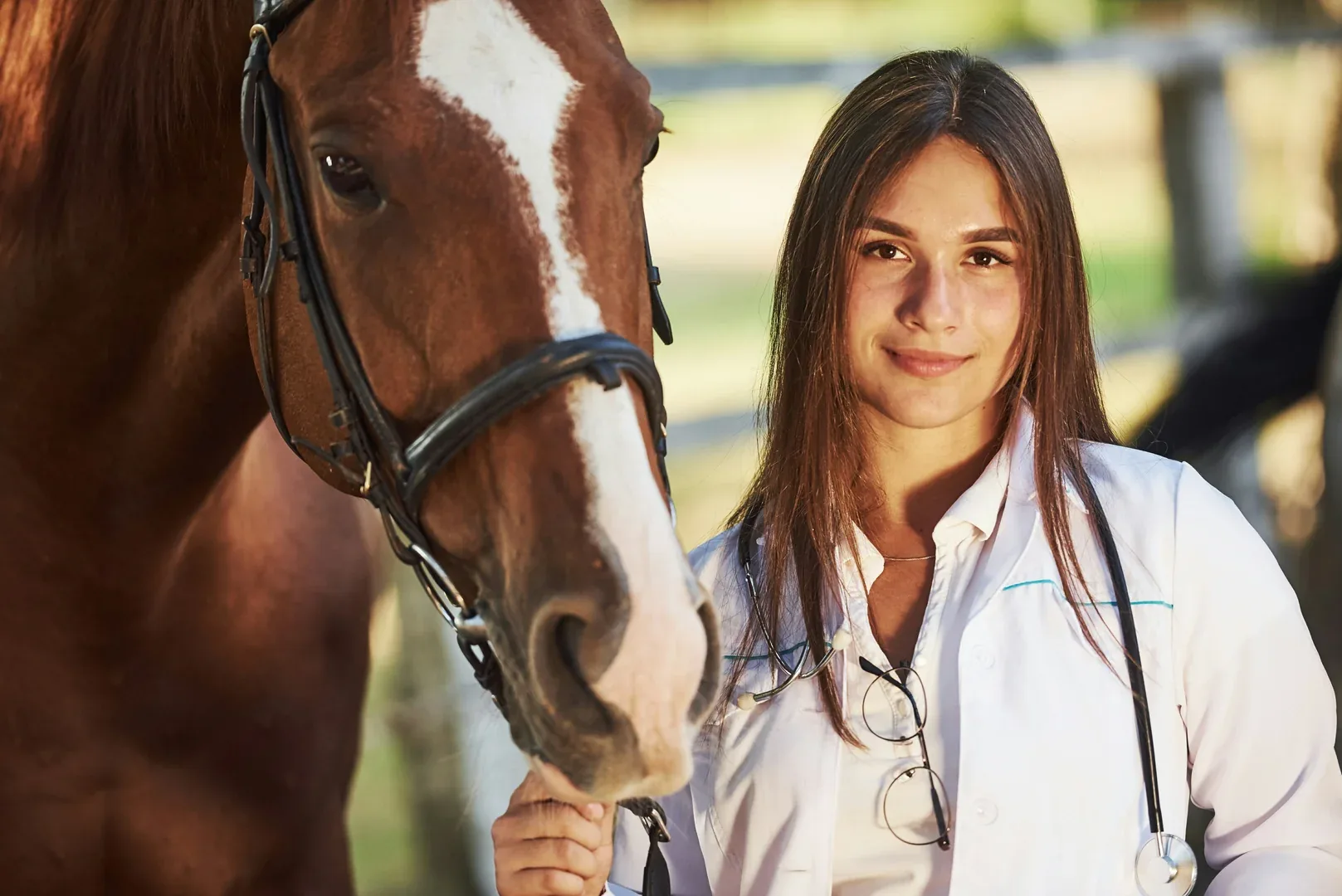
Equine surgery insurance
Horse surgery insurance via nextsure: Three flexible tariffs, reimbursement up to twice the GOT rate, and free choice of clinic worldwide. Protect your horse from high surgery costs – digital, transparent and uncomplicated.
Learn moreDefinition and Requirements of Equine Surgery Insurance for Wound Care
When a Wound Counts as Surgery
The precise definition used by equine surgery insurance determines in practice whether an expensive vet treatment is reimbursed or whether the owner must bear the cost themselves. Under the detailed general insurance conditions, such as those set out in Barmenia's contract documents, an insured operation exists only when a veterinary-necessary surgical procedure is carried out on or inside the horse's body. A central and non-negotiable criterion here is the cutting of tissue. The skin or the tissue beneath it must be cut through by the procedure more than just superficially. A superficial scratch, a light graze, or a simple injection with a needle definitely do not suffice to trigger the obligation to pay. Fixed in the contract: the definition protects the community of policyholders from claims for minor injuries being billed under the guise of surgery.
The Role of Suturing and Stapling
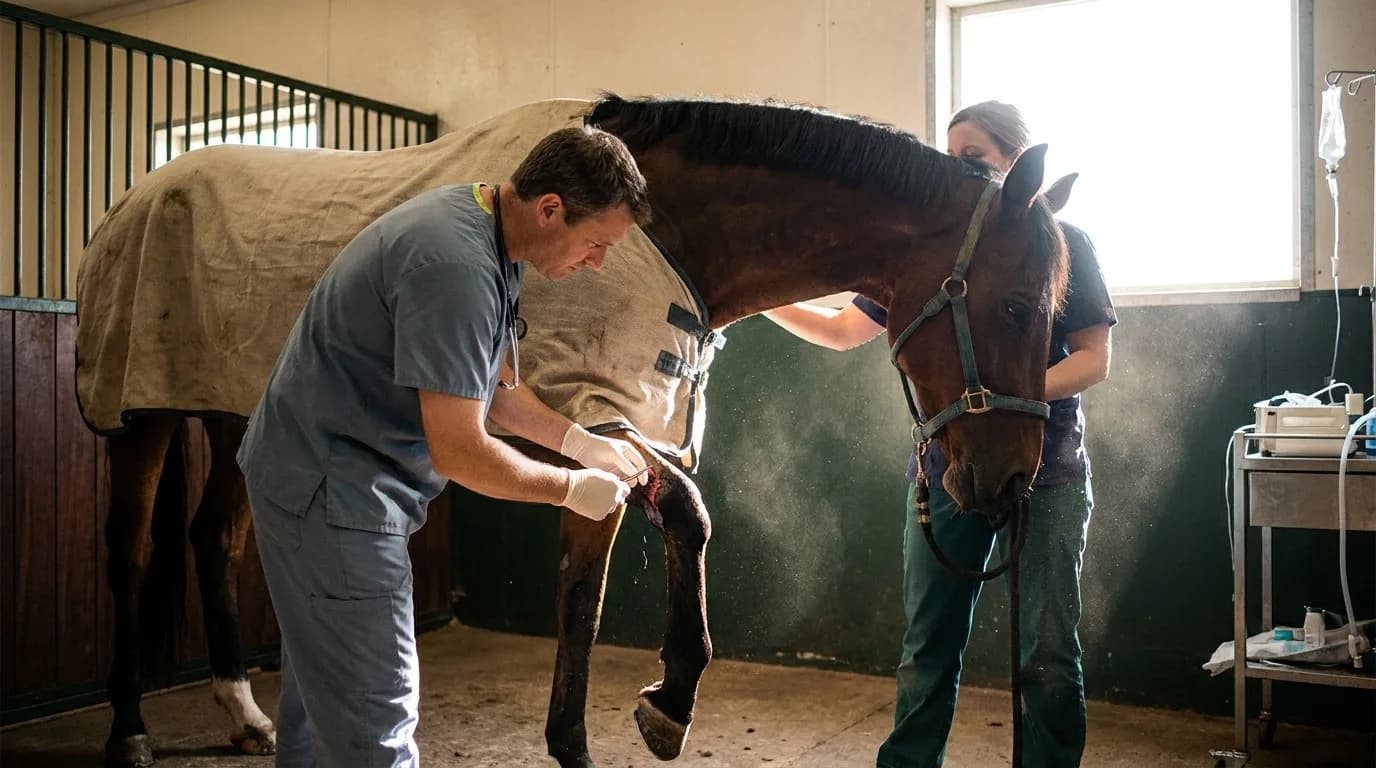
Wound care by suturing or stapling, medically referred to as primary and secondary wound closure, is explicitly covered as surgery under strong tariffs [1]. This also includes complex accompanying measures such as placing drains for deep, contaminated injuries to safely drain wound fluid. Precise, professional documentation by the attending vet is essential here for claims settlement. The vet must accurately note the relevant billing item on the detailed invoice according to the current Veterinary Fee Schedule. Without this formal assignment to a surgical code, the insurer can refuse reimbursement citing the policy conditions. The risk is real. Absolutely necessary: horse owners should therefore point out at the time of treatment that billing will go through a surgery policy, so that the invoice meets the insurance company's formal requirements from the start.
Medical Necessity as a Core Principle
Another important aspect for the benefit decision is the strict medical necessity of the measure performed. The examination and treatment methods used must correspond to the current, generally recognized state of veterinary science in Germany. Voluntary, experimental, or purely cosmetic procedures generally do not fall under the defined insurance cover. However, if a horse suffers a deep cut in the pasture or while out riding that must be surgically closed to prevent infection and restore tissue integrity, the cover of the surgery cost insurance generally applies in full. Assessing the necessity is up to the attending vet, whose diagnosis lays the groundwork for the insured event. A decisive factor: a clean wound suture prevents serious secondary conditions and secures the horse's long-term usability. In these cases, the policy takes on the financial burden of the acute procedure.
Standing Sedation and Sedation for Wound Suturing
Treatment Directly in the Home Stable
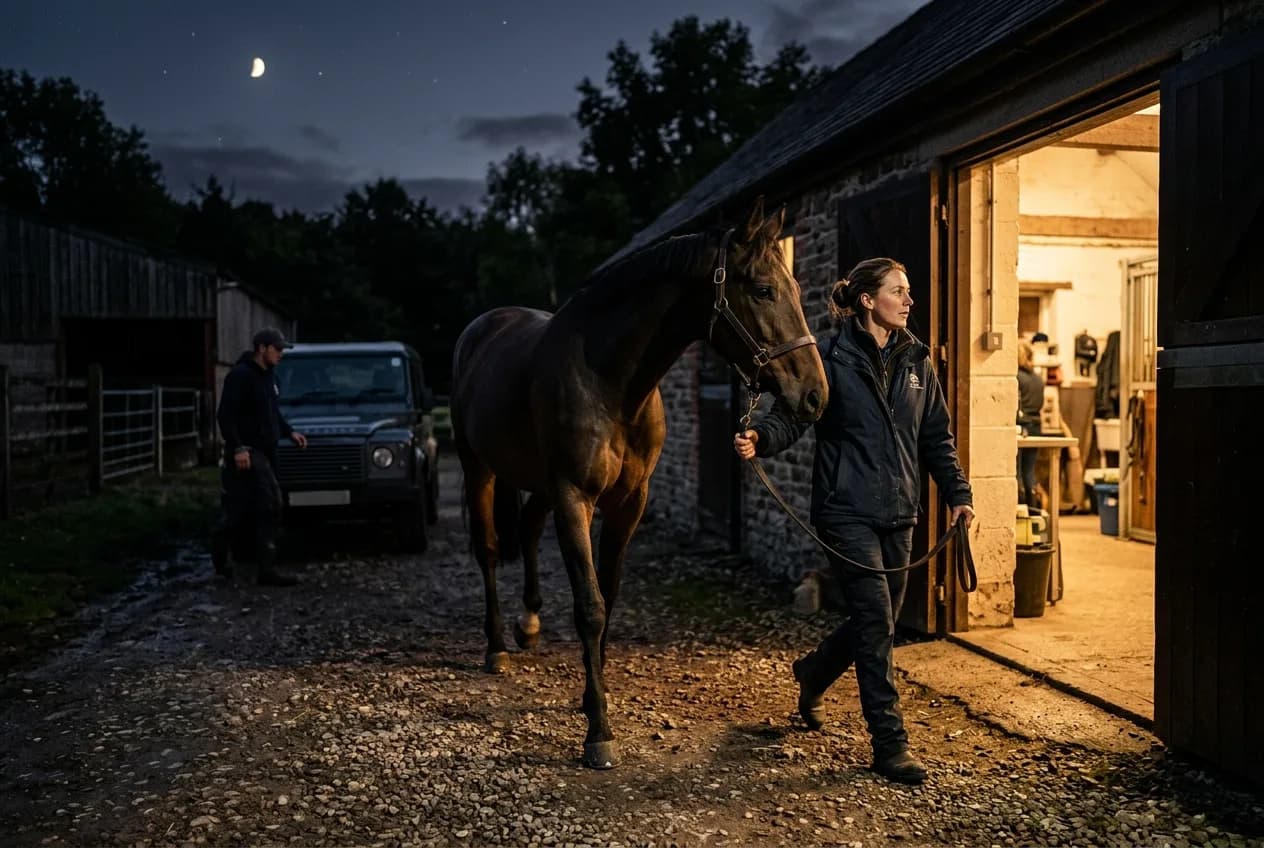
Standing sedation is a key factor in assessing the claim entitlement after an accident or injury. Many horse owners wrongly assume that a recognized surgery must necessarily take place under risky general anesthesia in the sterile rooms of an equine clinic. Contractually, however, this is not the case. The insurance conditions make unmistakably clear that procedures under general anesthesia, sedation, or local anesthesia are covered equally. In practice, suturing wounds in horses very often takes place under light sedation, which allows immediate treatment directly in the home stable or in the paddock. Procedures under standing sedation are thus a regular and fully recognized part of the insurance cover. This arrangement spares the injured animal a stressful transport to a clinic. Time saved in an emergency: the vet can act quickly and efficiently on site.
Reducing Risk through Sedation
Stapling wounds under sedation is explicitly covered without deductions under strong tariffs such as the Pegaschutz top tariff or current Barmenia tariffs [3]. The vet administers an intravenous sedative to the horse and additionally numbs the affected area locally to ensure it is pain-free. This significantly reduces the overall risk for the horse as a flight animal. Deep general anesthesia in large animals always carries a high cardiovascular risk and a substantial danger of fractures or muscle tears when the animal subsequently gets back up. Experienced vets therefore almost always prefer the far gentler option of standing sedation for wound sutures, lacerations, or cuts. Insurers support this veterinarily sensible approach by fully equating standing sedation with classic general anesthesia in their tariffs. Protection for the animal - and it also lowers the overall cost of the procedure.
Billing for Medication and Materials
The cost of the medications administered for sedation and local anesthesia is reimbursed without issue as part of the surgery preparation and the actual procedure. The essential consumables, such as sterile suture material, surgical staples, swabs, and disinfectants, likewise fall under the policy's reimbursable costs. Once again, it's important that the vet itemizes these individual items in detail and transparently on the invoice. Flat-rate billing or bundled line items are often not accepted by insurance companies' review departments and lead to delays. A precise breakdown by the fee schedule's billing codes ensures smooth, fast reimbursement by the insurer. Horse owners should briefly check the invoice for this formal completeness before submitting it, to avoid follow-up queries. Formally essential: a correct invoice significantly speeds up the entire reimbursement process.
Distinguishing from Full Health Insurance for Horses
Focus on Surgical Procedures
A clear distinction between the various tariffs helps horse owners choose the right product for their needs. A pure surgery insurance policy is the significantly cheaper alternative to comprehensive full health insurance and focuses specifically on covering expensive surgical procedures [1]. While full insurance also covers conservative treatments, general diagnostics without a subsequent operation, vaccinations, and expensive medication for chronic conditions such as asthma or arthritis, the surgery policy only applies to genuine surgical interventions. This fundamental difference between surgery and health insurance is crucial for the horse owner's long-term budget planning. Anyone who wants to avoid the high monthly premiums of full insurance will find in surgery cover the most important safety net for unforeseeable, existentially threatening vet costs. A major cost lever. The decision depends on individual security needs.
Limits of Simple Wound Care
If a superficial wound is merely cleaned, disinfected, and bandaged by the vet, without surgical suturing or stapling of the tissue, this formally does not constitute surgery under the strict insurance conditions. In this specific case, the resulting treatment costs must be borne entirely by the horse owner, unless full health insurance exists for the animal. The exact definition of a surgical procedure forms the hard, insurmountable limit of the tariff's cover here. A hard limit on benefits. However, as soon as the injured tissue is freshened with a scalpel, cut through, and then properly sutured again, the simple wound treatment legally turns into a reimbursable operation. This fine distinction often causes misunderstandings in practice. Good advice clarifies these details in advance.
The Ideal Middle Ground for Horse Owners
Stiftung Warentest and other renowned consumer portals very often recommend surgery insurance as the essential, indispensable basic protection for every horse owner. A genuinely recommendable equine surgery insurance policy should cover at least several thousand euros per operation and must include several days of aftercare in its conditions [2]. The monthly premiums for full health insurance are usually around three times as high as those of a pure, focused surgery policy. For many digitally minded private customers, nextsure's hand-picked, curated selection offers the absolutely ideal middle ground between manageable ongoing costs and essential, resilient protection in a worst-case scenario. The broker model ensures an independent view of the market. The ideal path: this is how customers find the tariff that truly fits them.
Waiting Periods and Exceptions for Accidents
Regular Periods to Protect the Community of Policyholders
Regular waiting periods are an extremely important detail in every insurance contract and must be checked carefully before signing. For insured events resulting from general internal illness, the contractual waiting period at many established providers is standardly three months from the policy date. For special, often chronic-related procedures such as joint surgery for isolated opacities, OCD, or so-called chip fragments, a significantly longer special waiting period of 12 months often applies. If the insured event occurs exactly within this defined period, there is absolutely no entitlement to financial reimbursement from the company. The owner pays themselves. This strict rule effectively protects the community of policyholders from opportunistic contract signings for conditions the animal already acutely has or that are foreseeable. Protecting the community of policyholders: without these periods, premiums for all policyholders would rise massively.
Immediate Cover for Accidental Injuries
A decisive and extremely customer-friendly exception to this rule is a sudden accident. For insured events that clearly arise from accidents, there is generally no waiting period at all, provided the veterinary treatment is demonstrably and exclusively attributable to exactly this accident. Strong equine surgery insurance without a waiting period thus applies immediately from day one if, for example, the horse suffers a deep, bleeding cut on a branch or the pasture fence while out riding. Under the conditions, an accident is clearly defined as an event that acts suddenly and unexpectedly on the animal's body from the outside and results in physical harm. An operational advantage: this immediate cover is worth its weight in gold for pasture accidents.
Documentation and Prior Insurance Periods
The attending vet must clearly and unambiguously document the accident as the primary cause of the necessary wound suture on the invoice or in the findings report. If this essential reference to the accident is missing, the insurer will automatically apply the regular, multi-month waiting period during review and refuse payment. Even with a seamless switch from an existing prior policy to a new provider, the waiting period can be waived entirely, provided the previous contract offered comparable cover in substance. When arranging such switch-optimized tariffs, nextsure checks very carefully whether prior insurance periods can be credited in full, to strictly avoid dangerous coverage gaps for the customer when switching. Seamless cover: a smooth transition ensures the horse's continuous protection.
Exclusions in Wound Treatment
Pre-Existing Conditions and Known Damage
Certain exclusions limit the general scope of cost reimbursement and must be strictly observed by the policyholder. Categorically excluded from cover are illnesses, developmental defects, or accidents that were already known to the owner at the time of application. So if a horse is newly insured while already carrying an open, untreated wound, the company naturally will not cover the cost of suturing it. For successful acceptance into the policy, many providers require that no surgical wound care or other operation has been carried out in the months immediately before the application [3]. The health questions in the application process must therefore be answered completely truthfully and without gaps, so as not to jeopardize cover. Contractually excluded: false statements inevitably lead to loss of insurance cover.
Non-Reimbursable Ancillary Costs
It is enormously important for every horse owner to know the specific exclusions in equine surgery insurance in detail before an emergency arises. Companies do not reimburse, for example, mileage fees, waiting fees, and general travel costs for the attending vet to reach the stable. Expensive transport costs for the horse to a specialist equine clinic likewise generally do not fall under the defined insurance cover of the surgery policy. Special diet feed or expensive supplements recommended and fed by the vet to nutritionally support wound healing are also completely excluded from financial reimbursement. Insurers focus on the core medical, surgical benefit and aftercare. Cost item for the owner: the owner always bears additional costs for logistics and special feed themselves.
Intent and Special Circumstances
Further standard exclusions in the conditions cover operations caused by intentional acts or gross negligence by the owner or their immediate family members. Surgical procedures directly related to pregnancy, covering, and birth are also very often excluded, unless it is an acutely life-saving, medically necessary caesarean section for the mare. Careful, attentive reading of the insurance conditions protects horse owners from unpleasant financial surprises in an emergency. As a digital broker, nextsure places the greatest importance on transparent, honest advice, so that customers know in advance exactly which specific wound care is covered and which risks they must bear themselves. Clarity in the conditions: transparency builds trust in the chosen coverage solution.
Typical exclusions in equine surgery insurance
- Treatment of illnesses or injuries that were already known when the contract was concluded.
- Mileage fees, waiting fees, and travel costs for the vet to reach the stable.
- Transport costs for the horse to an equine clinic.
- Special diet feed and preventive vitamin supplements for wound healing.
- Procedures caused by intentional acts of the owner.
The exact exclusions vary by tariff and should be checked in detail before signing.
Cost Coverage under the Veterinary Fee Schedule (GOT)
Billing at Fixed Rates
The exact cost coverage provided by the insurance always follows strictly the binding requirements of the Veterinary Fee Schedule. Insurers reimburse the vet's billed fees according to the currently valid fee schedule up to the maximum fee rate documented in the individual policy. Since the last major, much-discussed revision of the GOT, the cost of all veterinary treatments in Germany has risen sharply. A simple but professionally performed wound suture on a horse can quickly cost several hundred euros today, especially if it is time-consuming, located in a difficult spot, or requires very special, expensive suture material. The insurance reliably absorbs these extreme financial spikes for the owner. Protection against liquidity strain: the policy secures the horse owner's ability to pay in an emergency.
Cost Coverage for Veterinary Emergency Service
Particular attention should be paid, when choosing a tariff, to the expensive veterinary emergency service. If the horse is seriously injured at night, on a weekend, or on a public holiday, emergency surcharges result in significantly higher treatment costs. Strong tariffs readily reimburse the vet's fees in these genuine emergencies up to four times the regular fee rate. In addition, the insurance covers the statutory flat emergency service fee. However, the attending vet must explicitly and verifiably confirm the existence of a genuine emergency on the invoice. Without this important formal note, the claims department often only reimburses the standard rate. Absolutely necessary: a brief conversation with the vet about invoicing is always worthwhile here.
Advantages of Tariffs without an Annual Limit
Premium surgery tariffs for horses cover almost all medically necessary operations and wound care, often completely without a limiting annual cap [2]. This is a substantial and often underestimated advantage over cheap basic tariffs, which rigidly cap maximum reimbursement per insurance year at, for example, 1,500 euros or 2,500 euros. With very complicated wound care followed by days of clinic stay and intensive care, such a financial limit is reached extremely quickly. The independent experts at nextsure therefore usually strongly advise their customers to choose tariffs without rigid annual caps, in order to truly and sustainably transfer the incalculable financial risk of a serious injury fully onto the insurer. That is the best protection. Only this way is the horse optimally protected in an absolute worst case.
Aftercare and Physiotherapy Treatments under Premium Cover
Importance of Immediate Follow-Up Treatment
Comprehensive, professional aftercare is absolutely critical for successful, complication-free wound healing in horses. According to the conditions, the reimbursable costs of an operation also include the expenses for medically necessary follow-up treatment directly afterward. The exact period for this insured aftercare is firmly documented in the respective policy and, depending on the chosen tariff, is often between 10 and 20 days after the procedure. During this sensitive time, important measures such as regular bandage changes, veterinary wound checks, the final removal of stitches or staples, as well as essential medications like high-dose antibiotics or anti-inflammatory painkillers, are paid without issue by the insurer. This secures the healing process. This phase often decides whether performance capacity is fully restored.
Physiotherapy as an Added Benefit
Premium cover offers very clear and valuable extensions in the area of aftercare compared to simple standard tariffs on the market. As part of aftercare, top tariffs, such as Barmenia's premium cover, additionally insure up to five physiotherapy treatments of a maximum of 60 minutes each after the regularly agreed period ends. This is particularly relevant in practice when a deep, muscle-damaging wound on an important joint or a large muscle group has been sutured and the horse then needs to be gently and properly rebuilt afterward. The prescribed physiotherapy can be carried out by a vet or a recognized animal physiotherapist following referral. This helps the horse a great deal. Such additional benefits significantly speed up the horse's rehabilitation.
Alternative Healing Methods for Wound Healing
Alternative and complementary treatment methods are also often directly integrated into paid aftercare in modern premium tariffs. Treatments such as acupuncture, magnetic field therapy, neural therapy, or laser therapy to specifically promote wound healing are reimbursed, provided their medical effectiveness is backed by veterinary science and they are billed correctly according to the GOT. This holistic, modern view of recovery reflects today's high standards for animal health and veterinary medicine. A carefully chosen tariff does not leave the horse owner alone with the often immense follow-up costs of rehabilitation right after the surgical procedure itself. Nextsure pays particular attention to these important qualitative details in the conditions when selecting tariffs. This is modern veterinary medicine. A holistic approach secures the animal's long-term health.
Specialty Insurance and Extensions for Animal Owners
Comprehensive Coverage of the Animal Population
Modern specialty insurance today goes far beyond the absolute standard and also covers unusual risks. Besides classic equine surgery insurance, the insurance market offers numerous innovative niche products for special assets and risks. In this complex environment, nextsure clearly positions itself as a digital specialist for hand-picked tariffs precisely tailored to the specific needs of discerning animal owners. A qualified broker who advises completely independently of individual companies finds the exactly right solution for every individual animal risk. This naturally applies not only to riding horses but to the entire, often very diverse animal population of a farm or a private household. This prevents costly gaps. A holistic view of the animal population prevents expensive double insurance.
Solutions for Hobby Livestock
The platform also offers tailored, digital solutions for ambitious owners of smaller livestock or valuable exotic animals. Specialized insurance for hobby livestock, for example, covers private herds of goats, sheep, or alpacas, which in the pasture are often exposed to injury risks quite similar to those of large horses. Intelligently bundling various specialty policies with a single digital broker significantly reduces the administrative burden for the owner. The customer always has a clear overview of all their contracts in a digital customer folder and benefits from central, fast claims reporting via app or web portal. This saves valuable time and nerves in a hectic emergency. This saves a lot of time. Having a single point of contact for everything greatly simplifies insurance management.
Digital Efficiency Meets Expert Advice
Nextsure's modern digital insurance platform enables an absolutely transparent tariff comparison and a legally sound, simple online conclusion in just a few minutes. Instead of laboriously working through countless, hard-to-understand tariff documents and fine print as a layperson, users here receive clear, data-driven recommendations based on their actual, individual needs. This focused approach eliminates the classic, confusing hodgepodge of the large, generic comparison portals. The smart combination of digital process efficiency and personal, liability-safe expert advice under Section 34d of the German Trade Regulation Act (GewO) reliably ensures that, in an emergency, the chosen cover exactly matches the damage that has occurred. This makes insurance cover simple and reliable for the consumer again in the digital age. This builds real trust. Nextsure stands for quality over quantity in tariff selection.
Frequently asked questions
- Does equine surgery insurance pay for suturing a wound?
Yes, equine surgery insurance covers the cost of suturing a wound, provided the procedure is carried out under anesthesia, sedation, or local anesthesia. The skin or tissue must be cut through more than just superficially in the process. That is the condition. Simple superficial cleaning without surgical closure, on the other hand, is not enough for the insurer to reimburse costs.
- Does a sutured laceration count as an insured operation?
A sutured laceration generally counts as an insured operation when it is surgically closed by a vet under sedation or local anesthesia. The vet must state the procedure on the invoice as primary or secondary wound closure under the Veterinary Fee Schedule (GOT). This ensures smooth acceptance by the claims department.
- Must wound care necessarily be carried out under general anesthesia?
No, general anesthesia at an equine clinic is not required for the benefit obligation to apply. The insurance conditions of providers such as Barmenia explicitly also cover procedures carried out under so-called standing sedation - that is, sedation combined with local anesthesia - directly on site in the home stable.
- Is follow-up treatment of the wound covered under the policy?
Yes, the necessary follow-up treatment is covered as part of the contractually agreed aftercare period. Depending on the chosen tariff, this period is usually between 10 and 20 days. During this time, the insurance covers the cost of bandage changes, wound checks, removal of stitches, and prescribed medication such as antibiotics and painkillers.
- Is the waiting period waived for a wound caused by an accident?
For injuries clearly and demonstrably caused by an accident, the regular waiting period - usually three months - is waived entirely. Insurance cover applies immediately from the first day of the contract in this case. Proof is required. However, the attending vet must clearly document the accident as the cause on the invoice.
- Are physiotherapy treatments reimbursed after a wound suture?
Physiotherapy is usually not included in simple basic tariffs. Premium tariffs, such as Barmenia's premium cover, do however reimburse up to five physiotherapy sessions following the regular aftercare period. This is especially important when deep wounds on joints or large muscle groups have been sutured and the horse needs to be gently rehabilitated.
Sources
Conclude directly online
Verified partner tariffs at no extra cost. The button takes you straight to the provider's calculator.
 Barmenia
Horse surgery insurance
Surgery cost cover for horses in case of illness and accidents, including diagnostics and after-care.
- Waiting period:
- 3 months (colic surgery: 5 days, accidents: none)
- Coverage abroad:
- worldwide, up to 12 months
- Maximum benefit:
- depends on the cover level, as stated in the policy
- Surgery costs for illness and accidents, including tooth extractions and root canal treatment
- Pre-surgical examination (X-ray, endoscopy, biopsy, lab work)
- After-care including acupuncture, homeopathy, physiotherapy, laser therapy
- Emergency veterinary service up to 4x the standard veterinary fee schedule (GOT) rate plus the emergency callout fee
- Premium cover: up to 5 physiotherapy sessions (max. 60 minutes each) after the after-care period ends
- Once per animal: surgery costs for a birth-related, medically necessary caesarean section
Key exclusions
- Illnesses and developmental abnormalities known at the time of application
- Hoof abscesses and hoof ulcers (exception: hoof cancer)
- Surgery due to cryptorchidism
- Neutering that isn't medically necessary
Service-Champions GOLD: Nr. 1 der Versicherer im Multikanalvertrieb (ServiceValue, 10/2024)
Barmenia (Anbieter der Pferde-OP-Versicherung)
Special waiting periods: 12 months for joint surgery (chip fragments, OC/OCD, Birkeland fractures), 6 months for medically necessary neutering; Premium cover includes a waiver of the insurer's right to cancel from the 7th insurance year.
Fact sheet: benefits, exclusions and waiting periods in detail
All details are taken from the provider's linked product page and the contract documents (IPID/policy conditions) published there; the insurer's documents prevail. Premiums, benefits and the insurance product itself may change – please verify the details directly with the partner before signing up; only the information provided there is binding.
Information last updated: July 2026 · Source: provider product information (IPID/policy conditions)