Equine Surgery Insurance: How High Should Coverage Be?
Find out how high your coverage amount and GOT rate need to be so equine surgery insurance fully covers costly procedures like colic surgery.
All details are taken from the provider's linked product page and the contract documents (IPID/policy conditions) published there; the insurer's documents prevail. Premiums, benefits and the insurance product itself may change – please verify the details directly with the partner before signing up; only the information provided there is binding.
 Katrin StraubManaging DirectorInsurance expert with over 20 years of experience in the insurance industry.
Published on
12 min read
Table of Contents
The optimal coverage amount for equine surgery insurance should be at least €5,000 per procedure. For full cost coverage in expensive emergencies such as colic surgery, a tariff that pays up to four times the veterinary fee schedule rate is required. Lower reimbursement rates inevitably lead to high out-of-pocket costs for the horse owner in complex emergency-service procedures. It is therefore advisable to look into your insurance options.
Equine surgery insurance
Horse surgery insurance via nextsure: Three flexible tariffs, reimbursement up to twice the GOT rate, and free choice of clinic worldwide. Protect your horse from high surgery costs – digital, transparent and uncomplicated.
Learn moreThe relevance of the coverage amount for equine surgery
Financial ceilings in an emergency
The contractually agreed coverage amount defines the absolute financial ceiling for cost reimbursement in surgical procedures on a horse. Horse owners often underestimate the actual cost structures of modern veterinary clinics, which work with highly specialized staff and expensive equipment. A simple wound suture in the paddock still causes manageable costs in the low three-figure range. A life-saving procedure on the digestive tract, however, blows through the private budget extremely quickly. Consumer organization Finanztip therefore explicitly recommends that a strong policy must cover at least €5,000 per operation [4]. Tariffs with significantly lower limits pose a massive financial risk for the owner.
If the billed surgery costs exceed the contractual limit, the owner must cover the difference from their own funds. In critical emergencies, insufficient cover forces serious economic decisions. Barmenia Allgemeine Versicherungs-AG defines an operation as a surgical procedure under anesthesia, sedation, or standing sedation in which the skin is cut more than just superficially. Extractions of wolf teeth also fall under this cover. This is important.
Annual limits versus unlimited coverage
A close look at the tariff landscape reveals significant structural differences in how maximum compensation is set. Some providers cap reimbursement per policy year at a fixed amount, regardless of how many procedures are necessary. Other insurers cap the amount per individual procedure but allow multiple operations per year. The strongest concepts do away entirely with an absolute cap on the amount. R+V's equine surgery insurance, for example, reimburses high clinic costs with no annual maximum compensation limit [3]. Such unlimited tariffs offer the highest level of financial security for the owner. They effectively prevent a situation where, after a first expensive operation in the year, no budget remains for further unforeseen procedures. A thorough comparison of the benefits of equine surgery insurance is essential before signing up. Barmenia offers worldwide cover for up to twelve months during temporary stays abroad. Reimbursement then applies up to the level of the GOT applicable in Germany. This is fair.
Pre-treatment and diagnostic procedures
Besides the pure surgery amount, covering pre-treatment and modern diagnostics plays a decisive role for the overall budget. The operation itself is often only part of the total bill. Diagnostic imaging procedures such as magnetic resonance imaging or computed tomography already drive up costs massively beforehand. After the procedure, further high costs arise from inpatient accommodation and necessary medication. Finanztip recommends choosing tariffs that fully cover at least seven days of aftercare [4]. Barmenia Allgemeine Versicherungs-AG even includes up to five physiotherapy sessions in its premium cover after the regular period has ended. These sessions may last a maximum of sixty minutes each and can be carried out by a veterinarian or a certified equine physiotherapist following referral. These details largely determine the actual financial relief for the horse owner after a major surgical procedure. This is crucial.
The GOT rate as the key lever for cost reimbursement
How the fee schedule works
The billed GOT rate largely determines the amount of the veterinary bill and therefore defines the requirements for the chosen insurance tariff. The veterinary fee schedule (Gebührenordnung für Tierärzte, GOT) regulates payment for veterinary services nationwide and sets a binding range from one to three times the standard rate [1]. Veterinarians calculate the exact factor based on the difficulty of the service, the time involved, and the specific local circumstances. A standard operation during regular practice hours is usually billed at twice the rate. Industry experts strongly advise horse owners to cover at least twice the GOT rate in their policy [5]. A tariff strictly limited to the standard rate does not cover the real costs. The owner then bears most of the bill themselves. This gets expensive.
Billing during veterinary emergency service
Special circumstances such as life-saving treatment during emergency service justify billing at a significantly higher GOT rate [1]. Since the fee schedule was revised, veterinarians must charge a flat emergency call-out fee of €50 during emergency service. In addition, they must bill all veterinary services during emergency service at a minimum of twice the standard rate. In these critical cases, they may even bill up to four times the rate. If the veterinarian bills a service above the insured GOT rate, the horse owner must pay the entire difference themselves [5]. A tariff that only covers twice the rate leaves a significant coverage gap of several thousand euros for an emergency operation on a weekend. Covering four times the rate is therefore essential for emergencies. This is a fact.
Different tariff logics across providers
Insurers' tariff designs respond very differently to the complex mechanics of the veterinary fee schedule. Some providers rigidly tie their maximum reimbursement to a specific multiplier, for example twice the rate. Other insurers decouple the benefit entirely from this factor and reimburse the actual costs. Uelzener, for example, reimburses one hundred percent of the insured surgery costs independent of the billed GOT rate, up to the chosen reimbursement level [2]. R+V's surgery cost insurance likewise pays out independently of the billed GOT rate [3]. Barmenia, in a documented emergency, reimburses fees up to four times the standard rate plus the applicable emergency call-out fee. Careful review is essential. Only this way can you determine whether the tariff really covers the full invoice amount in an emergency. This is smart.
| Billing rate | Application scenario | Cost factor |
|---|---|---|
| 1x rate | Base value of the fee schedule | 100% |
| 2x rate | Standard operation during the day | 200% |
| 3x rate | Difficult conditions | 300% |
| 4x rate | Emergency service on weekends | 400% |
By law, billing during emergency service must be at least twice the standard rate.
Cost scenario: colic surgery and the required coverage amount
The financial scale of an emergency
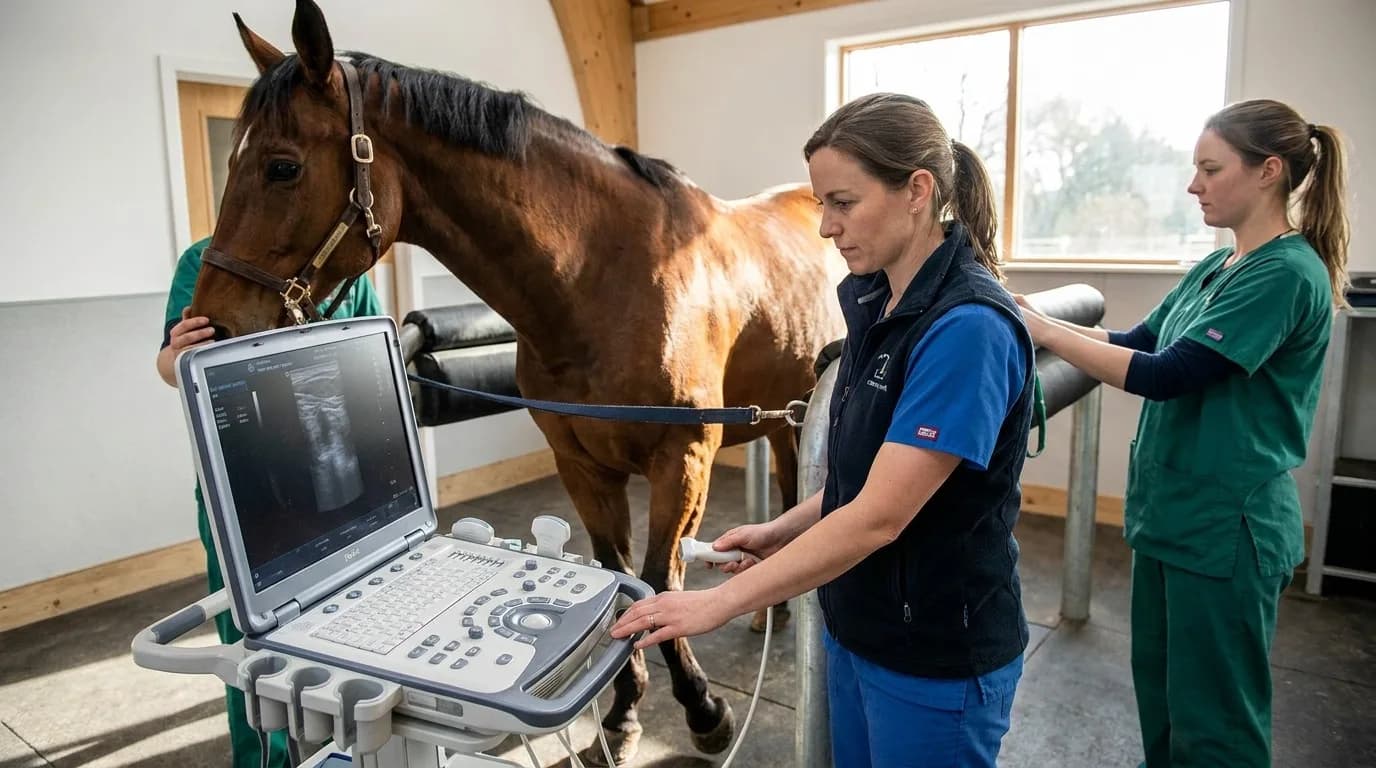
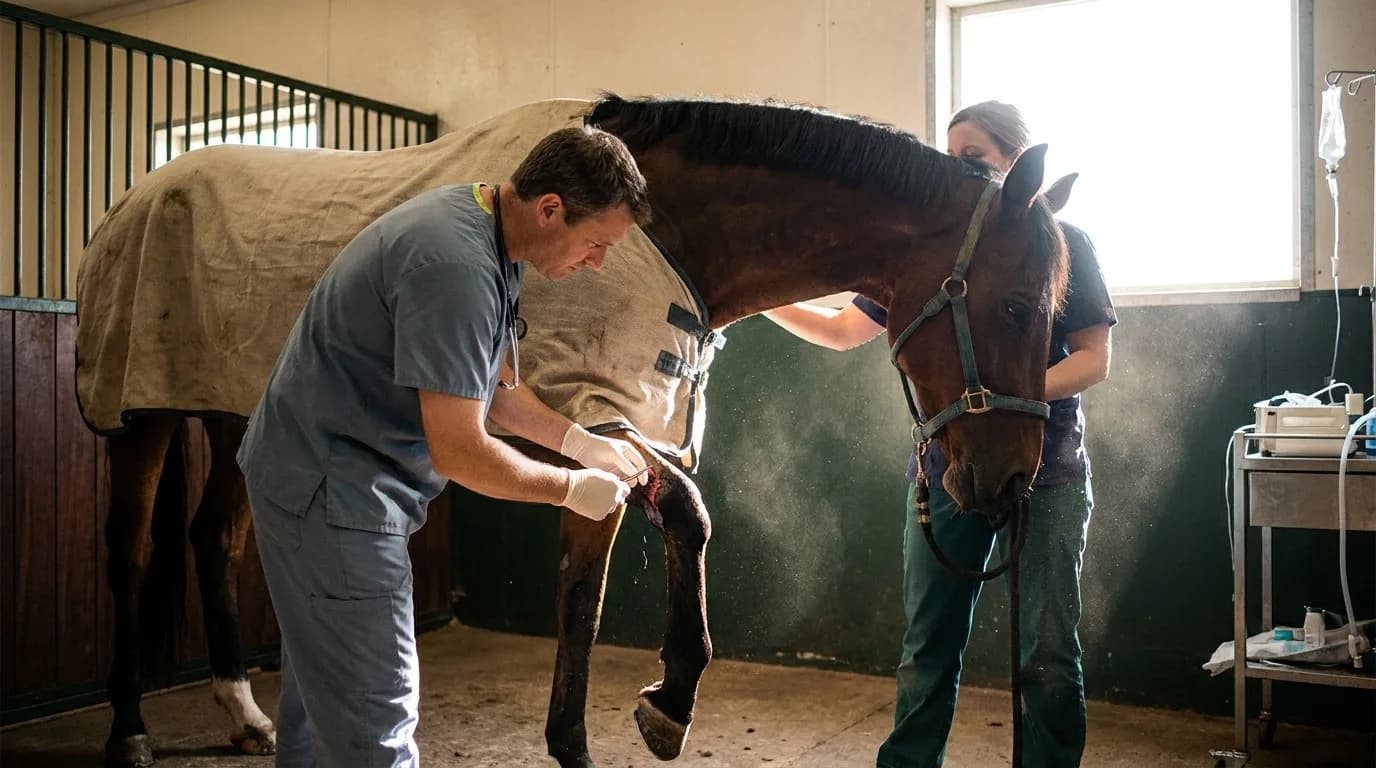
Life-saving colic surgery requires a sufficiently high coverage amount, since this complex procedure is among the most expensive veterinary procedures there is. Cost coverage for colic surgery is the primary reason many owners take out a corresponding policy. Severe gas colic or a twisted intestine usually occurs completely without warning. It requires immediate surgical intervention under general anesthesia at a specialized equine clinic. The pure surgery costs quickly add up to several thousand euros due to the enormous staff and technical effort involved. On top of that come the costs of extensive diagnostics, anesthesia monitoring, and intensive care. A coverage amount of €3,000 is used up after just a few hours at the clinic with this condition. This is fatal.
Billing rates for nighttime procedures
A close analysis of the typical veterinary costs for horses illustrates the enormous financial scale of such an emergency. Since life-threatening colics occur disproportionately often late at night or on weekends, the significantly increased emergency service rates under the fee schedule regularly apply. The clinic then quite legitimately bills at three or even four times the GOT rate. Including two weeks of inpatient aftercare in intensive care, total costs can very easily reach between €8,000 and €12,000. Tariffs with a fixed cap of €5,000 cover only about half of the actual expenses in this realistic scenario. The owner pays the difference. They must fund the enormous remaining amount from their own reserves at short notice. This is risky.
The importance of inpatient aftercare
The contractual rules on follow-up treatment are particularly critical to assess and check exactly in the case of major abdominal surgery. The recovery phase after a major procedure on the digestive tract is lengthy and requires close round-the-clock veterinary monitoring. Barmenia defines follow-up treatment as a necessary measure to restore health and explicitly includes the expensive inpatient accommodation costs. Uelzener's equine surgery insurance covers not only the operation but also three days of pre-treatment and seventeen calendar days of follow-up treatment [2]. A short aftercare period of just three or five days inevitably leads to extremely high follow-on costs for the owner in the case of colic. The duration is decisive. The length of aftercare acts as a key quality feature and determines the actual value of the policy. This is clear.
Typical cost blocks of a colic operation
- General and special pre-examinations including ultrasound and blood count
- Anesthesia induction, intubation, and continuous anesthesia monitoring
- The actual surgical procedure on the digestive tract
- Consumables, medication, and sterile drapes
- Inpatient accommodation and intensive care at the clinic
Costs multiply for procedures during veterinary emergency service.
Tariff comparison and reimbursement limits in detail
Specific limits for joint operations
A systematic tariff comparison shows that providers' reimbursement limits vary considerably and must be analyzed precisely before signing up. The market offers a wide range of models, from cheap basic cover to comprehensive premium tariffs. A key differentiator is how tariffs handle joint operations for isolated shadowing, osteochondrosis dissecans, or so-called chips. These procedures are extremely costly. While usually plannable, they place an enormous strain on the budget. Barmenia provides for a special twelve-month waiting period for such specific operations and strictly limits reimbursement to the pure surgery costs per day, including anesthesia. Pre-examinations using imaging procedures and the subsequent follow-up treatment fall entirely outside the tariff's coverage for this specific condition. This is important.
Effects of the tariff deductible
The deductible is another key tool insurers use to control monthly premiums and distribute financial risk. Some tariffs provide for a fixed percentage deductible of ten or twenty percent per submitted invoice. Other models work with a fixed euro amount as an absolute deductible per claim. A policy with no deductible at all offers maximum financial protection but naturally comes with higher monthly premiums. Deciding for or against a deductible requires careful calculation. A twenty percent deductible on a clinic bill of over €10,000 still means a sudden financial burden of €2,000 for the policyholder, which must be paid immediately. This gets expensive.
Distinction from full health insurance
The difference from full health insurance lies primarily in the scope of reimbursable benefits beyond surgical procedures under anesthesia. Pure surgery cost insurance, under the contract, only pays out if the skin or underlying tissue is cut more than just superficially. Conservative treatment of lameness, chronic airway diseases, or stomach ulcers is generally not covered under these tariffs. Full insurance also comprehensively covers this outpatient and inpatient medical treatment. Premiums are significantly higher. For many owners, surgery cost insurance represents the optimal compromise for covering existential financial risks from expensive emergency operations, while smaller routine veterinary bills are paid from ongoing monthly income. This is smart.
| Invoice amount | Tariff with no deductible | Tariff with 20% deductible |
|---|---|---|
| €2,000 | €0 out of pocket | €400 out of pocket |
| €5,000 | €0 out of pocket | €1,000 out of pocket |
| €10,000 | €0 out of pocket | €2,000 out of pocket |
Percentage-based deductibles can lead to high costs for expensive procedures.
Waiting periods and exclusions in surgery cost insurance
General and special waiting periods
Contractual waiting periods define the exact time between formally signing the contract and the actual start of full insurance cover. Insurers consistently use this tool to protect themselves against costly opportunistic sign-ups for horses with existing illnesses. The general waiting period for regular illnesses at Barmenia is exactly three months. For abdominal cavity operations due to life-threatening colic, however, a significantly shortened period of just five days applies. This reflects the acute and unpredictable nature of this dangerous condition. If clinically relevant symptoms occur before these defined periods have elapsed, the corresponding illness is permanently excluded from insurance cover. This applies strictly.
Immediate cover for unforeseeable accidents
For accidents, most insurers waive the waiting period entirely, so financial protection applies immediately for the owner. An accident is clearly defined in the terms as an event that suddenly affects the animal's body from outside. Serious health damage from unintentionally ingesting poisonous bait is also often contractually treated as an accident. If the horse suffers a serious kick injury in the paddock the day after the policy is signed and needs stitches, the insurer covers the cost. This provides security. Primary and secondary wound sutures under sedation or local anesthesia are explicitly listed in the terms as a covered operation. This is ideal.
Permanent exclusions in the contract
Certain procedures and pre-existing conditions are generally and permanently excluded from insurers' obligation to pay under the general insurance terms. Illnesses or genetic developmental defects that were already known to the owner at the time of application or that are documented by a veterinarian are not covered. Likewise, routine examinations, dental care, cosmetic dental treatments, and castrations without a compelling medical indication are consistently excluded. Tariffs only reimburse a castration if there is a compelling medical indication (gynecological, andrological, oncological). A special six-month waiting period applies to these medically indicated castrations at Barmenia. Hoof abscesses and their consequences, as well as gold acupuncture, are also often excluded. These exclusions require a precise review of the terms before signing up. This is mandatory.
Emergency service and aftercare as hidden cost drivers
The cost trap of veterinary emergency service
Strict statutory requirements mean veterinary emergency service causes considerable extra costs, which the chosen insurance tariff must cover in full without fail. Operations at night, on weekends, or on public holidays are unfortunately not rare in acute equine medicine. The fee schedule mandates a flat emergency call-out fee for these specific times. In addition, the law requires a significantly higher billing rate for all individual services provided by the veterinarian. A tariff that rigidly limits reimbursement to twice the rate does not offer sufficient protection here. In a documented emergency, Barmenia explicitly reimburses up to four times the standard rate, including the applicable emergency call-out fee. This provides enormous protection.
The duration of covered follow-up treatment
The duration and quality of covered aftercare largely determine the actual financial relief after a major surgical procedure. An operation is nowhere near finished once the wound is stitched up. The subsequent inpatient monitoring, regular dressing changes, and precise medication management cause extremely high daily costs. Finanztip demands, as an absolute minimum standard, cover for seven days of aftercare [4]. Premium tariffs go well beyond that. They cover up to twenty days of expensive clinic accommodation. Alternative healing methods such as acupuncture or magnetic field therapy are also reimbursable as part of follow-up treatment with some providers, provided they are recognized in veterinary science and billed according to GOT. This is good.
Regenerative therapies in equine medicine
Regenerative therapies are becoming increasingly important in modern equine medicine and should absolutely be included in the insurer's scope of benefits. Treatments with platelet-rich plasma or special stem cells significantly speed up the healing of tendons and ligaments after surgical procedures. These procedures are costly. They require special lab equipment and trained staff at the clinic. Barmenia explicitly includes regenerative therapies as part of follow-up treatment in its insurance cover. Such important details set an average basic tariff apart from an excellent premium product on the market. A close look at the terms prevents coverage gaps during claims processing. This is strong.
Strategic tariff selection for horse owners
Long-term planning security through a cancellation waiver
Strategic tariff selection requires precisely weighing the monthly premium burden against the desired long-term level of security for the animal. A young, healthy horse can be insured on significantly better terms than an older animal with an extensive medical history. Barmenia, for example, contractually waives its ordinary right of termination at the end of the policy year if the horse was no older than seven at the start of the contract. This provides enormous long-term planning security. If a chronic illness requiring multiple expensive operations occurs later in life, the insurer cannot unilaterally end the contract. Cover remains in full for the horse into old age. This is secure.
Digital management and expert advice
Digital management and fast, unbureaucratic claims processing are key factors when choosing the right insurance partner for horse owners. Modern platforms such as nextsure enable a transparent comparison of the tariff landscape with no hidden clauses in the fine print. Cover for hobby and working animals requires specialized knowledge that general comparison portals often don't offer in the necessary depth. The nextsure team reviews the terms in detail and makes sure that clauses on standing sedation, tooth extractions, and imaging procedures match current medical standards. This ensures fast cost coverage from the insurer in an emergency. This saves time.
Risk management for responsible owners
Ultimately, surgery cost insurance is an indispensable tool of modern risk management for every responsible horse owner who wants to provide the best possible care for their animal. It protects against financial ruin and ensures that medical decisions aren't dictated by the current bank balance. This protection is essential. Choosing a tariff with an unlimited coverage amount and reimbursement up to four times the GOT rate is by far the safest strategy. It fully covers even the absolute worst-case scenario of a nighttime colic operation on a weekend. An undersized basic tariff often forces economic decisions at the expense of medical care in an emergency. Another strategic advantage is the option of direct billing. On the owner's explicit instruction, insurers such as Barmenia settle the services provided directly with the treating veterinary clinic. The horse owner does not have to advance the enormous sums. This must be prevented.
Frequently asked questions
- How high is the maximum compensation per operation?
The maximum compensation varies considerably depending on the chosen tariff. Basic policies often only cover amounts between €2,500 and €3,000 per procedure. Strong premium tariffs, on the other hand, waive an absolute cap on the amount entirely or offer limits of €10,000 and more. For optimal protection, the coverage amount should be unlimited or at least €5,000, so expensive emergency operations can be reliably funded.
- Is the amount enough for expensive colic surgery?
A coverage amount of €3,000 to €5,000 is usually not enough for complex colic surgery during emergency service. The total costs for the surgical procedure, anesthesia monitoring, and subsequent intensive care at the clinic often amount to €8,000 to €12,000. To fully cover colic surgery, a tariff with unlimited maximum compensation and reimbursement up to four times the GOT rate is essential. Horse owners should definitely look into this with their insurer.
- Does reimbursement depend on the chosen GOT rate?
Yes, in many tariffs, reimbursement is directly tied to the multiplier of the veterinary fee schedule. If your tariff only covers the standard or double rate, but the veterinarian bills at three times the rate due to the difficulty of the procedure, you must pay the difference yourself. This can get expensive. Some premium providers, however, reimburse costs independently of the billed GOT rate, up to the agreed maximum limit.
- Is a higher rate reimbursed during emergency service?
Good insurance tariffs adapt to the statutory requirements for veterinary emergency service. During emergency service, veterinarians must charge a flat fee of €50 and bill at a minimum of twice, up to a maximum of four times, the standard rate. Strong policies reimburse costs in these documented emergencies up to four times the GOT rate, including the emergency call-out fee, to protect the owner from high co-payments.
- Will I be left covering costs if the GOT rate is too low?
Definitely. If the veterinary clinic bills a service at three times the rate, but your insurance policy is contractually limited to twice the rate, you cover the entire difference out of pocket. On bills of several thousand euros, this means a sudden financial burden in the four-figure range. Choosing a sufficiently high GOT rate when signing up is therefore essential.
- What waiting periods apply to equine surgery insurance?
The general waiting period for illnesses is three months with most providers. For life-threatening colics, a significantly shortened waiting period of just five to seven days often applies. For specific joint operations such as OCD or chips, however, you usually have to wait twelve months. For accidents, the waiting period generally does not apply at all, so cover applies immediately.
Sources
Conclude directly online
Verified partner tariffs at no extra cost. The button takes you straight to the provider's calculator.
 Barmenia
Horse surgery insurance
Surgery cost cover for horses in case of illness and accidents, including diagnostics and after-care.
- Waiting period:
- 3 months (colic surgery: 5 days, accidents: none)
- Coverage abroad:
- worldwide, up to 12 months
- Maximum benefit:
- depends on the cover level, as stated in the policy
- Surgery costs for illness and accidents, including tooth extractions and root canal treatment
- Pre-surgical examination (X-ray, endoscopy, biopsy, lab work)
- After-care including acupuncture, homeopathy, physiotherapy, laser therapy
- Emergency veterinary service up to 4x the standard veterinary fee schedule (GOT) rate plus the emergency callout fee
- Premium cover: up to 5 physiotherapy sessions (max. 60 minutes each) after the after-care period ends
- Once per animal: surgery costs for a birth-related, medically necessary caesarean section
Key exclusions
- Illnesses and developmental abnormalities known at the time of application
- Hoof abscesses and hoof ulcers (exception: hoof cancer)
- Surgery due to cryptorchidism
- Neutering that isn't medically necessary
Service-Champions GOLD: Nr. 1 der Versicherer im Multikanalvertrieb (ServiceValue, 10/2024)
Barmenia (Anbieter der Pferde-OP-Versicherung)
Special waiting periods: 12 months for joint surgery (chip fragments, OC/OCD, Birkeland fractures), 6 months for medically necessary neutering; Premium cover includes a waiver of the insurer's right to cancel from the 7th insurance year.
Fact sheet: benefits, exclusions and waiting periods in detail
All details are taken from the provider's linked product page and the contract documents (IPID/policy conditions) published there; the insurer's documents prevail. Premiums, benefits and the insurance product itself may change – please verify the details directly with the partner before signing up; only the information provided there is binding.
Information last updated: July 2026 · Source: provider product information (IPID/policy conditions)