Guinea Pig Health Insurance: Tariffs & Costs Compared
Is guinea pig health insurance worth it? Surgery costs, waiting periods, and tariffs for small pets compared.
All details are taken from the provider's linked product page and the contract documents (IPID/policy conditions) published there; the insurer's documents prevail. Premiums, benefits and the insurance product itself may change – please verify the details directly with the partner before signing up; only the information provided there is binding.
 Katrin StraubManaging DirectorInsurance expert with over 20 years of experience in the insurance industry.
Published on
12 min read
Table of Contents
Guinea pig health insurance protects owners against high veterinary costs, which can quickly reach four figures for operations such as removing bladder stones. The market offers pure surgery insurance as well as comprehensive full health coverage. Chronic pre-existing conditions are usually excluded. A deductible noticeably lowers the monthly premium. Signing up is especially worthwhile when there are no large financial reserves available for sudden veterinary emergencies.

Small pet insurance
Small pet insurance for rabbits, guinea pigs, parrots and reptiles: Cleos Welt from 6.99 EUR a month, up to 4x the GOT rate, no waiting period for accidents.
Learn moreMarket Analysis of Veterinary Costs for Guinea Pigs
Rising Costs From Modern Veterinary Medicine
A precise market analysis shows that veterinary care for small pets is becoming increasingly complex and cost-intensive. Modern diagnostic methods continuously drive up treatment costs in veterinary practice. Vets today use high-resolution ultrasound, digital X-ray equipment, and specialized lab technology for precise diagnostics in small rodents. This technical upgrade greatly improves the animals' chances of recovery. At the same time, the financial burden on owners rises significantly. A simple basic examination often costs only a few euros. Complex surgical procedures, however, require an unexpectedly high budget. The German fee schedule for veterinarians (Gebührenordnung für Tierärzte, GOT) sets out the legal framework for this billing in detail. Every veterinary service is billed at fixed rates. A standard rate applies for routine treatments during regular office hours. In emergency service or for extremely difficult procedures, veterinary clinics often charge two to three times the GOT rate. This multiplies the final bill drastically.
Four-Figure Amounts for Serious Illnesses
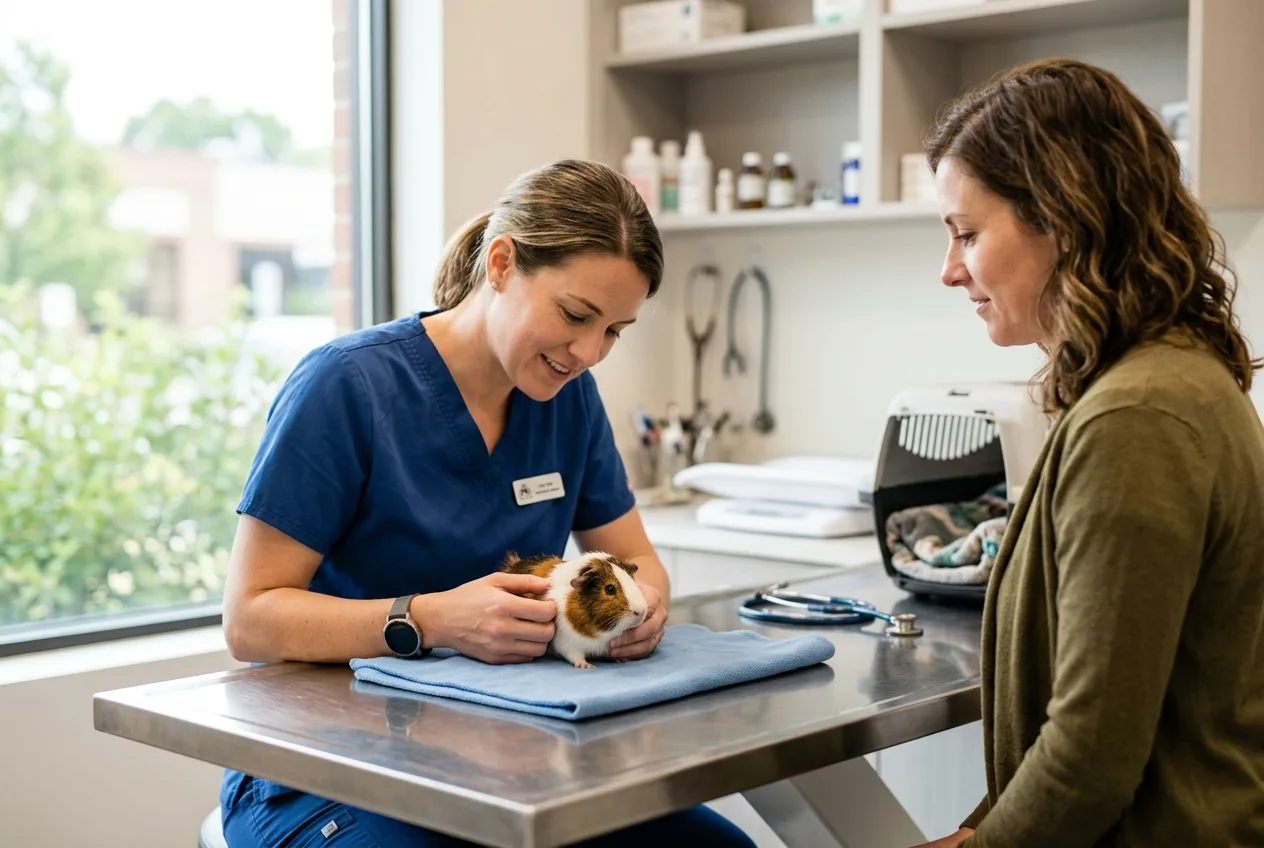
Especially with serious illnesses, veterinary costs for guinea pigs can quickly reach four figures [3]. An operation to remove bladder stones or tumors requires special inhalation anesthesia. This form of anesthesia is safer for small rodents, but also considerably more expensive than conventional methods. On top of that come costs for inpatient care and intensive aftercare at the veterinary clinic. Such unforeseen expenses often exceed the monthly household budget. A solid financial buffer is therefore essential. Without adequate reserves, pet owners quickly come under massive financial pressure in an emergency. The costs of imaging diagnostics add up rapidly. A single CT scan or a comprehensive blood panel drive up the upfront costs before the actual surgical procedure even begins.
Risk Transfer Through Insurance Solutions
General pet health insurance offers a structured approach here for effectively minimizing risk. By paying a fixed monthly premium, owners transfer the financial risk to the insurer. This allows for reliable budget planning without incalculable spikes in a veterinary emergency. The decision for or against a policy requires a careful assessment of individual risk tolerance. Anyone who can't build up large reserves benefits from immediate liquidity in the event of a claim. The policy thus acts as an important safety net. The animal's health always stays at the center of the decisions this way. A predictable monthly premium replaces the unpredictable cost risk. Owners don't have to make ethical decisions due to a lack of financial means in an emergency.
Comparing Tariff Models for Guinea Pig Health Insurance
Full Coverage vs. Surgery Insurance
The various tariff models on the market differ fundamentally in their structure and density of benefits. Insurers primarily distinguish between comprehensive small-pet health insurance and pure small-pet surgery insurance. Full coverage covers, besides operations, regular medical treatment, lab tests, and imaging diagnostics. Surgery insurance, by contrast, is strictly limited to surgical procedures and the medical preparation directly associated with them. This clear distinction allows for precise adjustment to the pet owner's personal need for security. Pure surgery coverage is naturally significantly cheaper. However, it effectively covers the biggest financial risk in serious illnesses. The choice of model determines the ongoing costs. Established risk carriers stand behind many tariffs. For example, Uelzener Allgemeine Versicherungs-Gesellschaft a.G. acts as the risk carrier for Cleos Welt's small-pet insurance.
Differences in Medication Reimbursement
A look at the contract terms clarifies the differences between the coverage concepts. With comprehensive full coverage, medically necessary medications are also reimbursed even when administered completely independently of an operation. The reduced surgery-only policy usually only covers medication when it's directly connected in time to a surgical procedure. Both variants reimburse the veterinary costs incurred based on the contractually agreed maximum rate under the fee schedule for veterinarians. Specialized coverage for exotic small pets takes into account the special medical requirements of these sensitive species. The exact definition of the scope of coverage is decisive. Owners must check the policy precisely. Reimbursement limits vary by tariff level. Some basic tariffs only cover the standard GOT rate, while premium tariffs also cover triple the rate for emergency service.
Weighing the Options Strategically
The strategic decision between the models requires a realistic assessment of the vet visits to be expected. Chronically ill animals cause ongoing costs through expensive medication and regular diagnostic checkups. In such cases, full coverage offers considerable financial relief over the animal's entire lifespan. Healthy animals often only need inexpensive routine checkups for years, until suddenly an expensive surgical emergency occurs. Here, pure surgery insurance proves to be an efficient tool for covering existential financial risks. A careful weighing of the options is essential. The premium difference should always be factored into the long-term calculation. A sharp pencil pays off when choosing a tariff. The cumulative premiums of full coverage often exceed the actual veterinary costs for healthy animals.
Key Differences Between the Tariff Models
- Surgery insurance: covers surgical procedures and the direct preparation for them.
- Full coverage: additionally covers regular medical treatment and diagnostics.
- Medication: only operation-related under surgery coverage, generally reimbursable under full coverage.
- Premiums: surgery coverage is significantly cheaper than full health insurance.
The choice of tariff should be guided by individual budget and need for security.
Scope of Coverage for Operations and Diagnostics
Surgical Procedures and Preparation
The scope of coverage defines a policy's practical value in a medical emergency. Cleos Welt offers a special small-pet insurance policy that also applies to guinea pigs and integrates important medical components [1]. At the center of contractual coverage are surgical procedures, which require the utmost precision and special instruments in small rodents. The policy covers not just the pure surgical service performed by the treating surgeon. The pre-operative examination leading to the final diagnosis is also a fixed part of the coverage. This prevents hidden costs before the procedure. Pre-operative diagnostics are often the most expensive item. Blood panels and swabs fall under this preparation phase. They're absolutely necessary to reliably establish whether the small patient can tolerate anesthesia before the procedure.
Aftercare and Convalescence
After a successful procedure, the critical convalescence phase begins for the operated animal. High-performing tariffs reliably cover the necessary pre- and post-treatment following an insured operation. This includes regular wound checks, proper removal of stitches, and the administration of pain-relief medication and antibiotics. This intensive aftercare is essential to prevent life-threatening infections in these sensitive animals. Health insurance for less common pets often shows very similar coverage structures, since veterinary care is comparably demanding. Seamless cost coverage secures the quality of treatment. The owner doesn't have to make financial compromises. The aftercare phase is often clearly time-limited. Many insurers only reimburse follow-up treatment costs for a period of 15 to 20 days after the operation.
Imaging Procedures and Reimbursement Limits
Another central aspect of the policy is covering the cost of modern imaging procedures. X-rays, ultrasound, and in special cases even CT scans are essential for precisely locating internal injuries or tumors. Pet health insurance bears these high expenses within the contractually agreed maximum limits. Various tariff levels with different sums insured are available, allowing individual coverage [1]. A sufficiently high sum insured protects against unexpected co-payments in extremely expensive treatment courses. Choosing the right tariff requires strategic foresight. A precise comparison of the maximum reimbursement limits is essential. Some tariffs offer unlimited annual maximum benefits. Other models cap reimbursement at fixed amounts such as €500 or €1,000 per insurance year.
Exclusions and Waiting Periods for Policies
Pre-Existing Conditions and Documentation
A detailed analysis of all exclusions in the contract terms before signing up is essential. Insurance companies systematically exclude certain risks to protect the collective of policyholders from incalculable costs. Examinations already known, begun, or medically recommended before the contract was signed are not insured. The same applies to the consequences of defects and illnesses already documented in the patient's file when the insurance was taken out. Retroactive coverage of existing conditions isn't provided for in insurance. The exact health status at the time of application is decisive. False statements inevitably lead to loss of coverage. Congenital defects are a classic ground for exclusion. If these defects occur before the contractual waiting period ends, the insurer refuses to cover the costs entirely.
Blocking Periods After Signing Up
Besides purely medical exclusions, providers define clear time-based blocking periods for all new contracts. The general waiting period after signing up is usually 30 days [2]. If illnesses occur within this defined period, there's no claim to benefits for these specific diagnoses, not even in the distant future. Sudden accidents are usually exempt from this strict rule and enjoy immediate coverage. This waiting period effectively prevents policies from only being taken out on the way to an acute vet visit. Early coverage while the animal is still healthy is therefore strategically wise. Anyone who waits too long bears the full risk themselves. The waiting period begins exactly with the start of coverage. This start date is bindingly documented in the insurance certificate and requires payment of the first premium.
General Peril Exclusions
In addition, general peril exclusions exist that are firmly anchored in nearly all common property and health insurance policies. Events such as war, earthquakes, floods, as well as far-reaching epidemics and pandemics, are generally excluded from coverage. Damage that the owner caused intentionally also results in complete loss of the insurer's obligation to pay. Insurance for hobby livestock is subject to very similar regulatory restrictions within the broader small-pet segment. These industry-standard clauses limit the insurance companies' cumulative financial risk in the event of unforeseeable major events. For normal everyday veterinary care, however, these extreme scenarios play almost no practical role. Regular medical care for the animal remains unaffected by this. Intent always leads to immediate loss of coverage. Gross negligence, by contrast, is tolerated up to a certain rate in many modern tariffs.
| Category | Rule | Exception |
|---|---|---|
| General waiting period | 30 days after the contract starts | Accidents (often immediate coverage) |
| Pre-existing conditions | Generally excluded from coverage | No exceptions possible |
| Congenital defects | No benefits if known | Unknown defects after the waiting period |
The exact deadlines may vary slightly by insurer and tariff.
Deductibles as a Lever for Controlling Premiums
How the Deductible Works
The deductible is a central tool for actively controlling monthly fixed costs. It defines the amount owners must cover themselves in the event of a claim before the insurance covers the remaining costs [5]. Insurers offer various models here, ranging from a fixed euro amount per insurance year to a percentage share of every vet bill. A percentage deductible of 20 percent means the insurer covers 80 percent of the reimbursable expenses. This risk-sharing reduces the administrative burden for minor claims. The insurer passes this cost advantage directly on to the customer. The premium drops noticeably as a result. A fixed annual deductible is often easier to plan for. It protects the owner from spiraling percentage-based co-payments on extremely expensive individual treatments.
Balancing Savings and Risk
Deliberately agreeing to a deductible effectively helps keep monthly insurance premiums for the guinea pig moderate long-term [5]. Especially with very comprehensive full-coverage tariffs, a wisely chosen deductible can significantly reduce the ongoing financial burden on the household. However, owners absolutely must make sure they can easily cover the chosen deductible from their own funds in a medical emergency. A deductible set too high defeats the actual purpose of the insurance, namely reliable protection against financial overload. Finding the perfect balance between premium savings and personal residual risk is absolutely crucial. Detailed cash-flow planning is essential here. Every owner has a different financial pain threshold. The choice of deductible is binding. A subsequent change during the current insurance period is generally excluded by contract.
Tariff Comparison and Health Data
Compared to other pets, premiums for small rodents are generally lower. Health insurance for cats is usually more cost-intensive due to their higher life expectancy and more expensive diagnostics. Still, even for small pets, the premium adds up to a relevant factor over the years. Petcover, for example, offers special guinea pig insurance, since guinea pigs are classified veterinarily as exotic pets [4]. Monthly costs there depend heavily on the chosen benefit tariff and the deductible. A transparent tariff comparison reveals the best value for money. The animal's individual health data feeds into the calculation. Age at enrollment significantly affects the premium. Anyone who insures their pet while it's still young permanently benefits from significantly cheaper entry-level terms.
International Coverage and Contractual Notice Periods
Worldwide Insurance Coverage
International coverage is an often-overlooked but highly relevant part of modern pet health insurance. The insured animal has its primary coverage within the Federal Republic of Germany. However, many policies generously extend this radius to international stays. Abroad, some providers offer the animal full coverage for up to 12 months. This is especially advantageous for owners who spend extended periods in nearby countries or take their pet on trips. Billing in these cases is usually handled with the owner paying upfront. Owners submit the original invoices to the insurer afterward. The insurer often requires a translation of the documents. Worldwide coverage offers enormous geographic flexibility. Veterinary costs abroad are reimbursed according to the German GOT rates or local fee schedules.
Cancellation Options and Flexibility
Contractual notice periods define the owner's flexibility when life circumstances change. Modern tariffs offer customer-friendly exit options that prevent unnecessary long-term commitment. Contracts can often be canceled with a short 14-day notice period, effective at the end of the month. A special right of termination also applies after a settled claim or when the insured risk permanently ceases to exist. If the animal dies or is permanently given up, the contract ends early with no further premium payments. This transparency builds trust in the contractual relationship. The administrative effort for canceling is minimal. Brief proof from the vet is usually enough. The 14-day notice period is a strong customer right. It allows a quick switch to a more comprehensive tariff if medical needs change.
Premium Payment and Automatic Renewal
Regular premium payment and automatic contract renewal follow clear industry-standard practices. Coverage initially applies exactly for the term agreed in the insurance certificate. With an initial term of at least one year, the contract automatically renews for another year unless canceled in time by either side. Depending on the contractual agreement, insurers collect the premiums due monthly or annually via direct debit. A mandatory requirement for coverage to begin is timely and complete payment of the first premium. A payment delay massively jeopardizes the coverage commitment in the event of a claim. Owners should always ensure sufficient funds in their account. The contractual obligations are legally binding. The SEPA direct debit scheme minimizes the risk of missed payments. It guarantees timely transfer and protects the owner from unintentionally losing coverage.
Economic Assessment of Guinea Pig Health Insurance
Premium Burden vs. Cost Risk
An economic assessment of such a policy requires a sober comparison of premium burden and potential cost risk. A guinea pig has an average life expectancy of five to eight years. Over this period, the monthly insurance premiums add up to a firmly calculable amount. Set against that are the incalculable risks of serious illness, which can occur at any time. A single complex tumor operation can immediately pay for several years' worth of premiums. Anyone with enough free capital can theoretically bear the risk themselves. For most households, however, transferring the risk is the safer strategy. Financial predictability is a huge advantage. The return on insurance is measured in security. It's not about financial profit, but about protection against total ruin.
Digital Platforms and Transparency
The digital insurance platform nextsure positions itself in this segment with a clear focus on transparency and quality. Instead of a confusing grab-bag of options, the platform offers hand-picked tariffs for niche and specialty insurance. The needs analysis is done entirely digitally and takes just minutes. Customers receive a transparent comparison of the best available options on the market. This curated approach prevents owners from ending up in unsuitable or overpriced contracts. Licensed insurance brokers clarify all individual questions in expert consultations before signing up. Signing up online is structured to be legally sound; nextsure manages all documents paperlessly. iMatch GmbH operates the platform as a licensed broker. It's officially registered under § 34d para. 1 of the German Trade Regulation Act (Gewerbeordnung) and is subject to strict regulatory requirements.
Conclusion on Coverage
In conclusion, insuring small pets is no longer a niche product by any means. Advances in veterinary medicine make highly complex treatments possible - but they come at a price. Pure surgery insurance offers solid basic protection against the biggest financial catastrophes. Full health coverage provides maximum protection for owners unwilling to compromise on their pet's health. The choice of the right tariff ultimately depends on individual risk tolerance and available budget. A structured comparison of coverage limits and exclusions is the most important step before signing. An animal's health should never fail because of financial hurdles. The market today offers over 70 specialized products. This variety guarantees that every pet owner finds exactly the right scope of coverage for their individual risk profile.
Specific Conditions and Their Coverage
Dental Disease and Respiratory Conditions
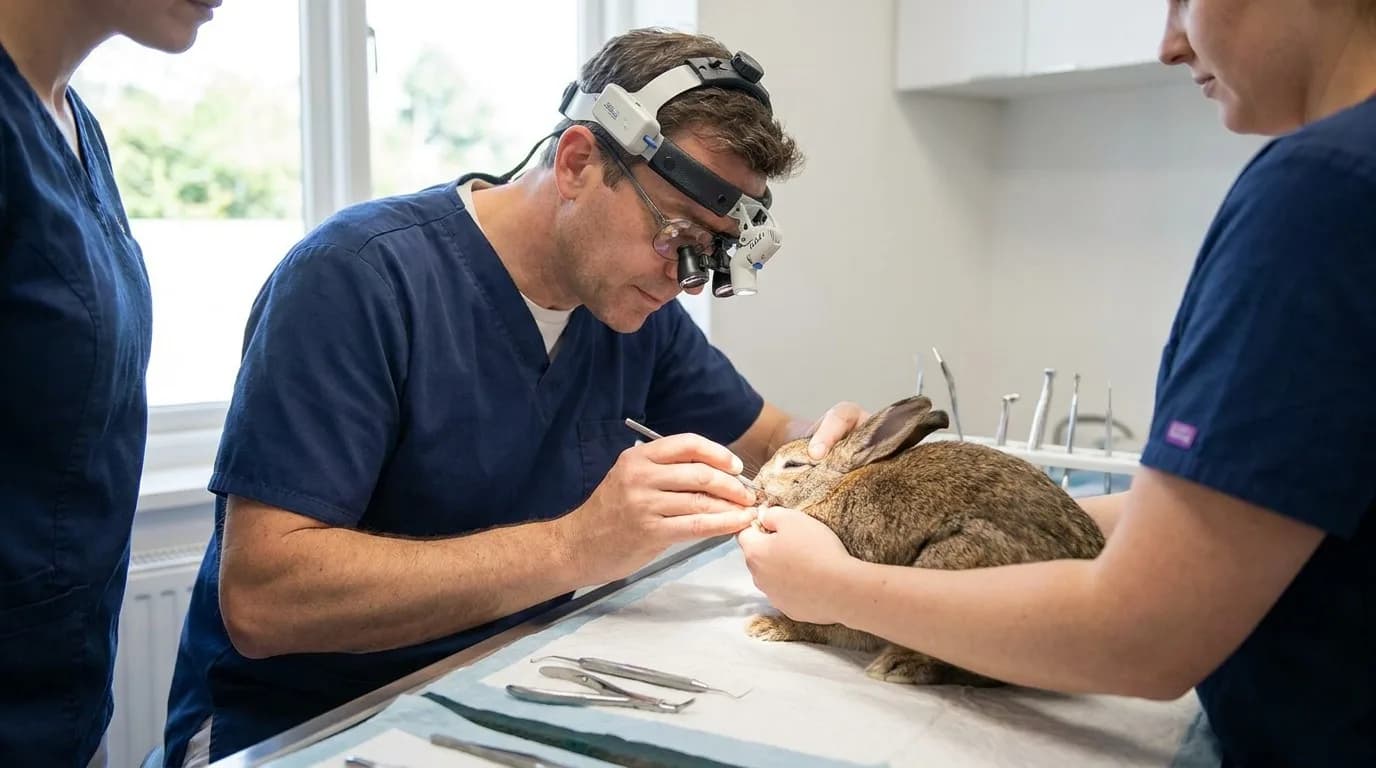
Specific conditions in rodents often require highly specialized veterinary intervention. Dental disease is among the most common problems in guinea pigs, since their teeth grow continuously. Malocclusion quickly leads to massive problems with eating and requires regular correction under anesthesia. High-performing tariffs explicitly include these dental treatments in their scope of coverage. Chronic respiratory illness or digestive disorders also cause recurring costs for diagnostics and medication. The policy absolutely must cover these breed-specific weak points to offer real added value in everyday life. A close look at the description of benefits is essential. Excluded illnesses reduce the value of the insurance. Dental corrections without anesthesia are often excluded. Only surgical procedures on the teeth fall under the coverage of pure surgery tariffs.
Bladder Stones as an Emergency
Treating bladder stones is another classic example of cost-intensive emergencies in these animals. The stones cause severe pain and can block the urinary tract in a life-threatening way. Surgical removal is unavoidable in most cases and requires an inpatient stay at the veterinary clinic. The costs for ultrasound, blood panel, surgery, and aftercare add up extremely quickly here. A solid surgery insurance policy reliably absorbs this financial spike and enables an immediate life-saving procedure. Owners don't have to think about financing the treatment in such stressful situations. The medical indication takes priority. The insurer handles the financial side. Inpatient accommodation costs extra every day. High-quality policies cover these accommodation costs for up to fifteen days after the procedure.
Free Choice of Vet for Exotic Pets
The classification of guinea pigs as exotic pets by some insurers underscores the special demands of their veterinary care [4]. Not every vet has the necessary expertise and special instruments for treating small pets. Free choice of vet is therefore an essential criterion when choosing a tariff. Owners must be able to see a specialized vet or a recognized specialty clinic in an emergency without the insurer reducing benefits. High-quality policies guarantee this flexibility and reimburse the cost regardless of the chosen provider. This secures the best possible medical care. The animal's health benefits from this freedom. Specialists often charge higher GOT rates. The policy must therefore contractually guarantee reimbursement up to triple the fee rate.
Frequently asked questions
- Does Health Insurance for Guinea Pigs Make Sense?
Health insurance protects owners against incalculable veterinary costs, which can quickly reach four figures for serious illnesses or operations. Signing up makes particular sense for owners without large financial reserves, since the monthly premium eliminates the risk of a sudden financial squeeze. This ensures the animal's medical care is secured at all times.
- What Does Insurance for a Guinea Pig Cost?
Monthly costs vary depending on the chosen tariff model, the animal's age, and the agreed deductible. Pure surgery insurance is significantly cheaper than comprehensive full health insurance. By choosing a percentage or fixed deductible, the monthly premium can be actively controlled and adjusted to the personal household budget.
- Are Typical Procedures Like Bladder Stones or Tumors Covered?
Yes, surgical procedures to remove bladder stones or tumors are the core component of small-pet surgery insurance. The policy generally covers not just the pure surgical service, but also the necessary inhalation anesthesia, pre-operative diagnostics, and immediate aftercare and pain medication at the veterinary clinic.
- Is There an Age Limit When Signing Up for the Policy?
Many insurers define a maximum age for enrollment in pet health insurance. Older animals can often only be placed in special senior tariffs or pure surgery insurance. Signing up early, while young and healthy, not only secures cheaper premiums but also prevents benefit exclusions due to pre-existing conditions.
- Does a Waiting Period Apply After Signing Up?
Yes, the industry-standard waiting period after signing up is generally 30 days. If illnesses occur within this period, they're excluded from coverage. Accidents are usually exempt from this blocking period and enjoy immediate coverage. This rule protects the community of policyholders from opportunistic sign-ups on the way to the vet.
- Are Chronic Pre-Existing Conditions Covered?
No, chronic illnesses already known before signing up, or those begun or recommended by a vet, are systematically excluded from coverage. Retroactive coverage of existing conditions isn't possible. That's why it's strategically important to take out insurance while the guinea pig is still completely healthy and no entries exist in its patient file yet.
Sources
Conclude directly online
Verified partner tariffs at no extra cost. The button takes you straight to the provider's calculator.
 Cleos Welt
Small pet health insurance
Health insurance for small mammals, birds and reptiles in three tariffs: surgery, treatment, diagnostics and medication up to 3 or 4 times the GOT rate.
- Premium:
- from 6.99 EUR a month
- Annual benefit:
- 3,000 EUR, 5,000 EUR or unlimited
- GOT rate:
- 3 times, Rundum 4 times
- Deductible:
- 0 EUR
- Waiting period:
- 30 days, 6 months for specific surgeries
- Cover abroad:
- up to 12 months
- Surgery, treatment and after-care up to the agreed maximum GOT rate
- Laboratory and imaging diagnostics, medication, boarding and feeding in the clinic
- Specific surgeries (egg binding, otitis, malocclusion) after a 6-month waiting period
- Remote diagnostics and consultation with a veterinarian
- Rundum tariff: unlimited annual benefit, 4 times the GOT rate, 200 EUR preventive-care budget
- Accidents without a waiting period, previous insurance counts towards it
Key exclusions
- Pre-existing conditions and treatments begun or recommended before the policy started
- Preventive care, vaccinations and parasite products unless agreed as an add-on
- Neutering/spaying without a separate agreement
- Routine dental work in mammals without the dental add-on
- Travel and transport costs, reports, and the emergency fee when no operation follows
- Epidemics, pandemics, war, earthquake and flood
Google Rezensionen: 4,5/5 Sterne (210 Bewertungen)
Cleos Welt insgesamt (Anbieterbewertung, alle Versicherungen)
Annual age adjustment of 3% of the premium; cancel monthly with 14 days' notice; sum insured and deductible as stated in the policy. Insurer: Uelzener Allgemeine Versicherungs-Gesellschaft a.G.
Fact sheet: benefits, exclusions and waiting periods in detail
Cleos Welt
Rabbit insurance
The same small pet health insurance with rabbit premiums and the dental add-on that makes the difference for teeth that grow for life.
- Premium:
- from 34.99 EUR a month
- Rundum:
- from 62.99 EUR a month
- Dental add-on:
- from 20.00 EUR a month
- Deductible:
- 0 EUR
- Waiting period:
- 30 days, malocclusion 6 months
- Malocclusion surgery (tooth misalignment) covered after a 6-month waiting period
- Dental add-on from 20 EUR a month: 500 EUR tooth extractions and corrections plus 200 EUR dental prevention a year
- Rundum: unlimited annual benefit, 4 times the GOT rate, 200 EUR preventive-care budget
- Myxomatosis and RHD covered if vaccination is proven by an international vaccination certificate
- E. cuniculi covered if a negative test from no more than one year before the start of cover exists
- Accidents without a waiting period, cancel monthly with 14 days' notice
Key exclusions
- Myxomatosis/RHD without proof of vaccination in the international vaccination certificate
- Damage from Encephalitozoon cuniculi without a negative test that is at most one year old
- Tooth trimming, extractions and dental prevention without the dental add-on
- Neutering/spaying without a separate agreement
- Pre-existing conditions and treatment during the waiting period
Google Rezensionen: 4,5/5 Sterne (210 Bewertungen)
Cleos Welt insgesamt (Anbieterbewertung, alle Versicherungen)
Husbandry duty under the terms: rabbits per section 35 of the German animal welfare livestock husbandry ordinance. Annual age adjustment of 3%. Insurer: Uelzener Allgemeine Versicherungs-Gesellschaft a.G.
Fact sheet: benefits, exclusions and waiting periods in detail
Cleos Welt
Parrot insurance
The same small pet health insurance with bird premiums: egg binding and beak treatment are the cases that matter for parrots.
- Premium:
- from 10.49 EUR a month
- Rundum:
- from 20.99 EUR a month
- Deductible:
- 0 EUR
- Waiting period:
- 30 days, egg binding 6 months
- Egg-binding surgery with diagnostics and after-care covered after a 6-month waiting period
- Beak treatment included in all tariffs according to the product page
- Treatment, diagnostics and medication up to the agreed GOT rate
- Rundum: unlimited annual benefit, 4 times the GOT rate, 200 EUR preventive-care budget
- Accidents without a waiting period, cover abroad up to 12 months
- Also insurable for finches, chickens and pigeons as well as reptiles
Key exclusions
- Cosmetic beak and tooth trimming to breed or show standard
- Examination and treatment of young animals after hatching
- Preventive care, vaccinations and parasite products unless agreed as an add-on
- Pre-existing conditions and treatment during the waiting period
Google Rezensionen: 4,5/5 Sterne (210 Bewertungen)
Cleos Welt insgesamt (Anbieterbewertung, alle Versicherungen)
Species-appropriate husbandry (housing, temperature, rest periods) is a policyholder duty. Annual age adjustment of 3%. Insurer: Uelzener Allgemeine Versicherungs-Gesellschaft a.G.
Fact sheet: benefits, exclusions and waiting periods in detail
Cleos Welt Small pet health insurance: Monthly premium by species and tariff (product pages, as of July 2026)
| Species | Basis (up to 3,000 EUR/year, 3x GOT rate) | Standard (up to 5,000 EUR/year, 3x GOT rate) | Rundum (unlimited, 4x GOT rate) |
|---|---|---|---|
| Cheapest species | from 6.99 EUR | from 13.99 EUR | from 17.49 EUR |
| Parrot | from 10.49 EUR | from 17.49 EUR | from 20.99 EUR |
| Guinea pig | from 20.99 EUR | from 31.49 EUR | from 34.99 EUR |
| Rabbit | from 34.99 EUR | from 48.99 EUR | from 62.99 EUR |
All details are taken from the provider's linked product page and the contract documents (IPID/policy conditions) published there; the insurer's documents prevail. Premiums, benefits and the insurance product itself may change – please verify the details directly with the partner before signing up; only the information provided there is binding.
Information last updated: July 2026 · Source: provider product information (IPID/policy conditions)