Hail damage: comprehensive or partial coverage?
Hail damage to your car? Find out whether comprehensive or partial cover will pay out and how you can save money. Find out more now at nextsure!
 Katrin StraubManaging DirectorInsurance expert with over 20 years of experience in the insurance industry.
Published on
Last updated on
9 min read
Table of Contents
A hailstorm can damage your vehicle in seconds. But which insurance cover applies in the event of hail damage – comprehensive or third-party, fire and theft? This article explains and shows you how to avoid costly pitfalls.
Hail damage: Understanding basic cover under comprehensive insurance
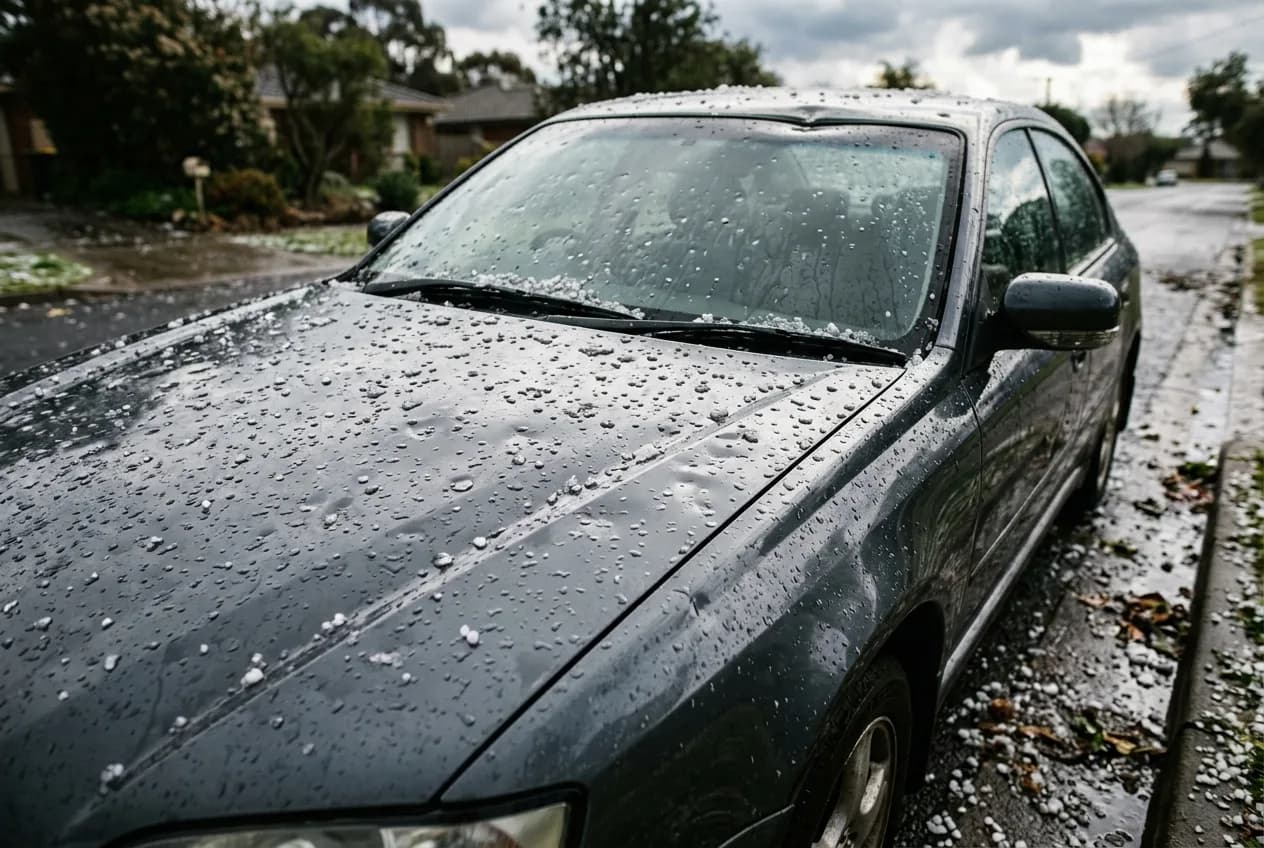
Hail damage to a car is a classic case for comprehensive cover. Both partially comprehensive cover and fully comprehensive cover cover the cost of repairs. Motor third-party liability insurance alone is not sufficient here, as it only covers damage you cause to others. Hail damage is a natural peril that is typically covered by partially comprehensive insurance. Since fully comprehensive insurance includes all the benefits of partially comprehensive insurance, hail damage is covered there too. The decision between fully comprehensive or partially comprehensive cover therefore does not depend primarily on hail protection, but on other factors such as the age of the vehicle and the desired all-round protection. The good news: a downgrading in your no-claims bonus class usually does not occur in the case of hail damage alone, as this is a partially comprehensive claim.
Clarify the scope of coverage of partial comprehensive insurance for hail damage
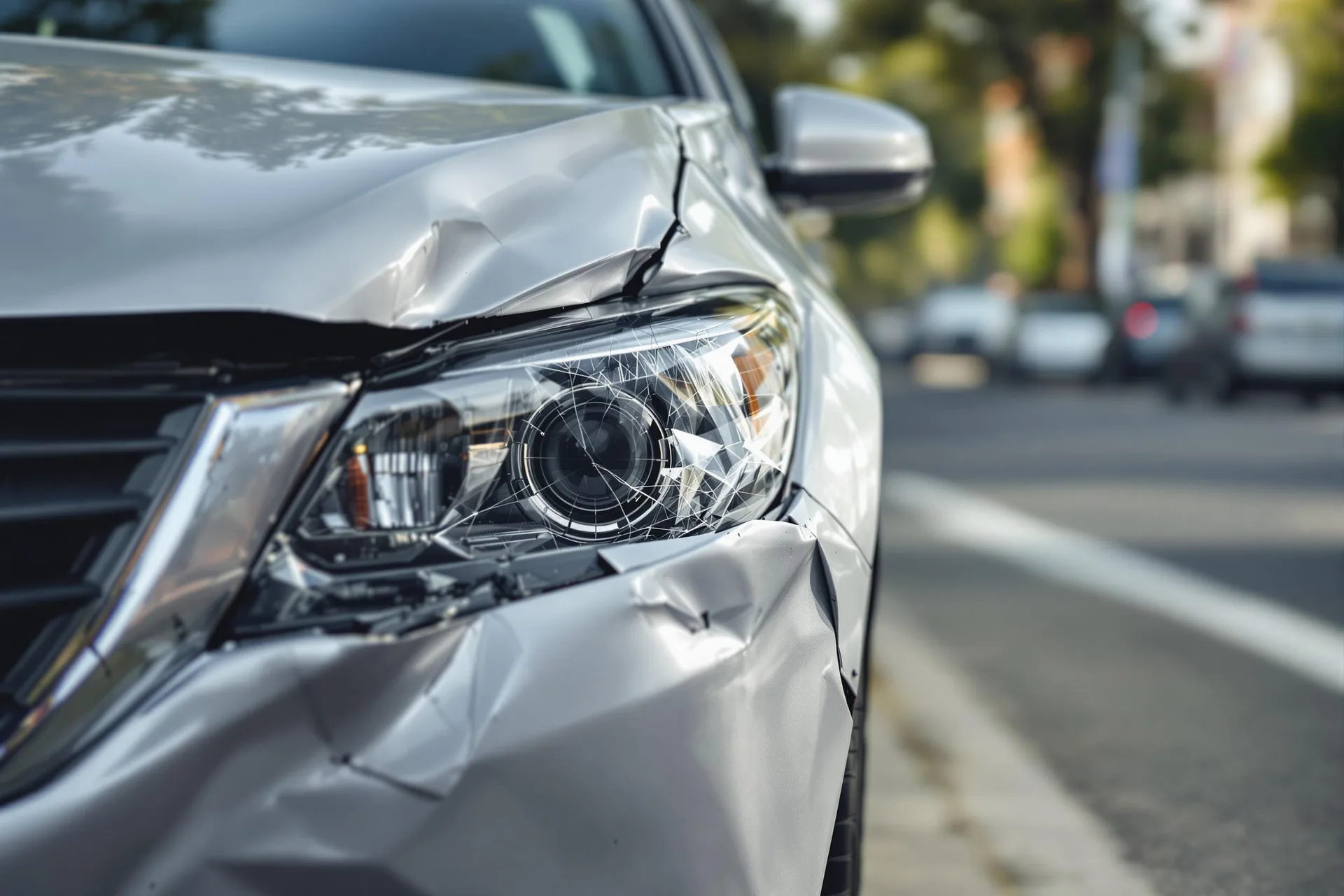
Partial comprehensive insurance is the primary point of contact for hail damage. It covers damage that you did not cause yourself, such as damage caused by storms, hail, theft or broken glass. In the event of hail damage, partial comprehensive cover pays for the repair of dents in the bodywork, paint damage and also shattered windows. If an excess has been agreed in the policy, you must pay this share of the costs yourself, which is usually EUR 150. The insurance covers the repair costs beyond this. It is important to report the damage to the insurer without delay, usually within one week. A distinction between partial and fully comprehensive insurance is only relevant here insofar as fully comprehensive insurance also includes this protection.
Define the role of comprehensive cover and distinguish it from partial cover in the event of hail
Comprehensive cover includes all the benefits of partial cover and therefore also protection against hail damage. The key added value of comprehensive cover lies in protection against accident damage you cause yourself and vandalism. However, in the event of hail damage, the partial cover element of comprehensive cover applies. This means that, in this case too, the agreed excess for partial cover claims (e.g. 150 euros) is usually payable, rather than the often higher excess for comprehensive cover claims (e.g. 300 euros). A downgrade of the no-claims discount does not occur in the event of hail damage, even for those insured under comprehensive cover. The question "hail damage comprehensive cover or partial cover" is therefore less critical for pure hail damage, as both provide cover.
Optimise claims reporting and processing for hail damage
After hail damage, swift action is required. Report the damage to your insurer immediately, ideally within a week. Many insurers require prompt notification so they can establish the connection to the storm. Carefully document the damage with photos from different angles and close-ups of the dents. Note the date, time and location of the hailstorm. The insurer will usually appoint an assessor to evaluate the damage. If you have a leased vehicle, also inform your leasing company. The following steps are important when reporting the damage:
- Immediate contact with the insurer (often possible online or by phone).
- Keep your insurance policy number to hand.
- Exact details of the location and time of the damage.
- Submitting photos of the damage.
- Arranging an inspection appointment with the assessor.
Good preparation significantly speeds up the processing of hail damage.
Calculate costs and excess for hail damage
The costs of repairing hail damage can be considerable and depend on the number and size of the dents, as well as the vehicle parts affected. Partial cover (and thus comprehensive cover too) covers these costs minus any excess that may have been agreed. This excess for partial-cover claims is often €150. Check your insurance policy carefully for the level of the agreed excess for partial-cover claims. It is also possible to have the damage settled on an estimated basis, i.e. without repair. In this case, however, VAT is deducted from the assessed damage amount. In the event of a total loss, if repair costs exceed the replacement value, the insurer reimburses the difference between the replacement value and the salvage value of the vehicle. The question of whether comprehensive cover is still worthwhile should be assessed independently of the hail damage risk.
Expert tips: Consider legal aspects and current rulings
There are a few nuances to bear in mind in insurance law. Our expert tip: have any prior damage that has not been repaired clearly documented before any subsequent hail damage occurs. According to a ruling by the Munich Local Court (case no. 271 C 10 327/10), if a second loss occurs and the first loss was settled on a notional basis only, the policyholder must prove which dents are newly added. [2] If a clear distinction is not possible, this may be to the insured's detriment. [2] The deadline for reporting the damage is also relevant; it is usually one week, to ensure the temporal connection to the storm event. [4,4] Ensure comprehensive documentation and observe reporting deadlines to avoid reductions in benefits. Knowledge of self-inflicted damage is not directly relevant here, but a basic understanding of comprehensive cover terms is always an advantage.
Long-term outlook: Increase in hail damage and review preventive measures
Statistics show an increase in hail damage to vehicles over the past few decades. [2] The summer storms “Lambert” and “Kay” alone in June 2023 caused insured damage to motor vehicles amounting to around EUR 350 million in Germany. [3] The southern federal states are often particularly affected. [3] Even if hail cannot always be avoided, there are some preventive considerations. These include:
- Checking the local hail risk (some insurers offer risk maps).
- Using garages or carports, where available.
- Heeding severe weather warnings and, if necessary, sheltering the vehicle in good time.
- Using hail protection mats or covers when parking outdoors during an announced storm is unavoidable.
Although marten damage has a different cause, it also highlights the importance of good comprehensive motor insurance for unforeseen events. Choosing the right insurance is crucial.
Conclusion and recommendation: Ensuring the optimal protection for your vehicle
In summary, both comprehensive and fully comprehensive insurance cover hail damage. The damage is settled through the comprehensive cover component, which means there is no loss of no-claims discount and the agreed excess for comprehensive cover applies. It is important to report the claim promptly and with thorough documentation, and to be aware of your policy terms, especially the excess. In view of the increasing weather extremes, adequate comprehensive motor insurance is an important safeguard for every vehicle owner. [3] Review your cover regularly to ensure that it still suits your vehicle and your needs, especially if you are considering switching from fully comprehensive to third-party, fire and theft. We at nextsure will be happy to advise you on the best cover for your needs. Request an individual risk analysis now: Have your insurance situation reviewed free of charge and receive specific optimisation suggestions.
Frequently asked questions
- What is the difference between comprehensive and partial cover for hail damage?
In the event of hail damage, there is hardly any difference in the actual claims settlement. Both types of insurance cover hail damage, as comprehensive cover includes the benefits of partial cover. The claim is handled via the partial cover portion of the policy, including the excess agreed there and without any impact on your no-claims discount.
- Does the insurance cover the full cost of repairing hail damage?
The insurance covers the repair costs less your contractually agreed excess for partial cover. In the event of a total loss where repair is uneconomical, the replacement value less the residual value will be reimbursed.
- Do I need to have hail damage repaired?
No, you can also opt for a notional payout. The insurer will then reimburse the repair amount determined by the surveyor, less VAT and your excess. [3]
- What happens if I have not repaired pre-existing damage and new hail damage occurs?
You must be able to prove which damage was newly caused by the current hailstorm. If a clear distinction from the unrepaired previous damage is not possible, the insurer may reduce the benefit. [2]
- Is it true that hail damage is increasing?
Yes, statistics and reports from insurers suggest that the frequency and severity of hail events and the resulting damage to vehicles have increased in recent years. [2,3]
- What documents does the insurance company need to report hail damage?
As a rule, you will need your insurance number, details of the place and time of the hailstorm, as well as photos of the damage. Sometimes a cost estimate or an expert report is also requested directly, but most of the time the assessor is appointed by the insurance company. [5]
Sources
- [1]The German Insurance Association (GDV) provides a data service for natural hazard reports, specifically for property insurance for storm and hail.
- [2]The German Insurance Association (GDV) provides data on damage to residential buildings caused by storm and hail.
- [3]The German Insurance Association (GDV) provides an overview of climate-related natural hazards.
- [4]The German Insurance Association (GDV) explains the different type classes for vehicles.
- [5]The German Weather Service (DWD) provides information about the phenomenon of hail.
- [6]The German Weather Service (DWD) provides current severe weather warnings for hail.
- [7]The German Environment Agency (UBA) provides information on extreme weather events.
- [8]The ADAC provides comprehensive information on hail damage to cars and motor vehicle insurance.