Equine Surgery Insurance: Night & Weekend Emergency Care
Does equine surgery insurance cover the 4x GOT rate and emergency call-out fees on weekends?
All details are taken from the provider's linked product page and the contract documents (IPID/policy conditions) published there; the insurer's documents prevail. Premiums, benefits and the insurance product itself may change – please verify the details directly with the partner before signing up; only the information provided there is binding.
 Katrin StraubManaging DirectorInsurance expert with over 20 years of experience in the insurance industry.
Published on
12 min read
Table of Contents
In an emergency at night or on the weekend, strong equine surgery insurance covers both the increased fee rate, up to four times the GOT rate, and the statutory emergency call-out fee. This requires the treating veterinarian to formally confirm the emergency on the invoice. This protection is crucial. Tariffs without this specific emergency-care coverage often reimburse only the standard rate, which leads to massive out-of-pocket costs for nighttime operations.
Equine surgery insurance
Horse surgery insurance via nextsure: Three flexible tariffs, reimbursement up to twice the GOT rate, and free choice of clinic worldwide. Protect your horse from high surgery costs – digital, transparent and uncomplicated.
Learn moreThe financial reality of emergency surgery
How the veterinary chamber defines emergency hours
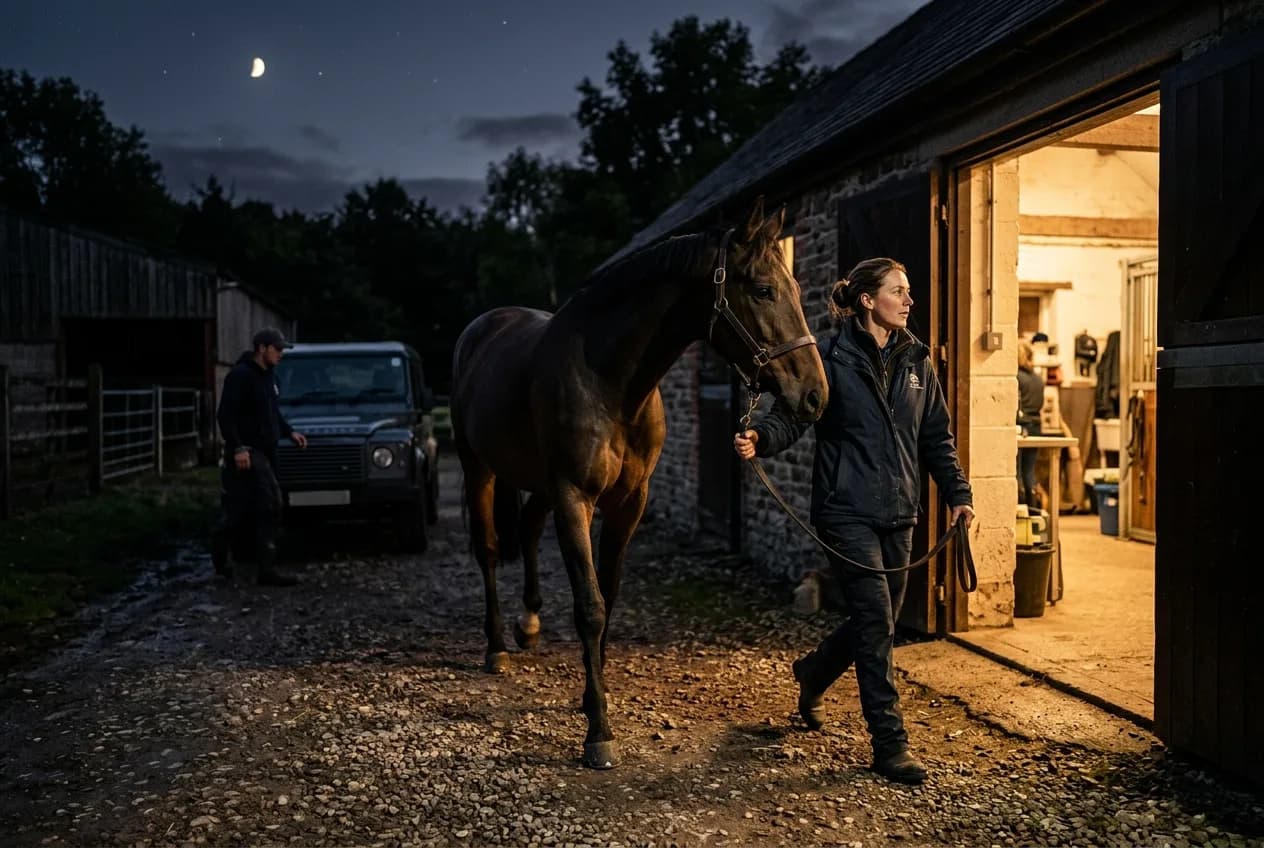
The financial reality of emergency surgery calls for solid liquidity. Veterinarians charge significantly higher rates for life-saving measures performed during emergency service. The Federal Chamber of Veterinarians (Bundestierärztekammer) defines emergency service clearly and unambiguously: it applies every day from 6:00 p.m. in the evening until 8:00 a.m. the following morning [1]. On weekends, this costly period extends from Friday 6:00 p.m. to Monday 8:00 a.m. Statutory public holidays count as emergency service around the clock, from midnight to midnight. Special billing rules under the veterinary fee schedule (Gebührenordnung für Tierärzte, GOT) apply during these windows. This drives costs up rapidly. A seemingly simple procedure can quickly turn into a massive financial burden for the owner. Knowing these hours precisely is essential. Only then can the financial risks of a horse's life be realistically assessed and covered.
Higher fee rates and the mandatory emergency call-out fee
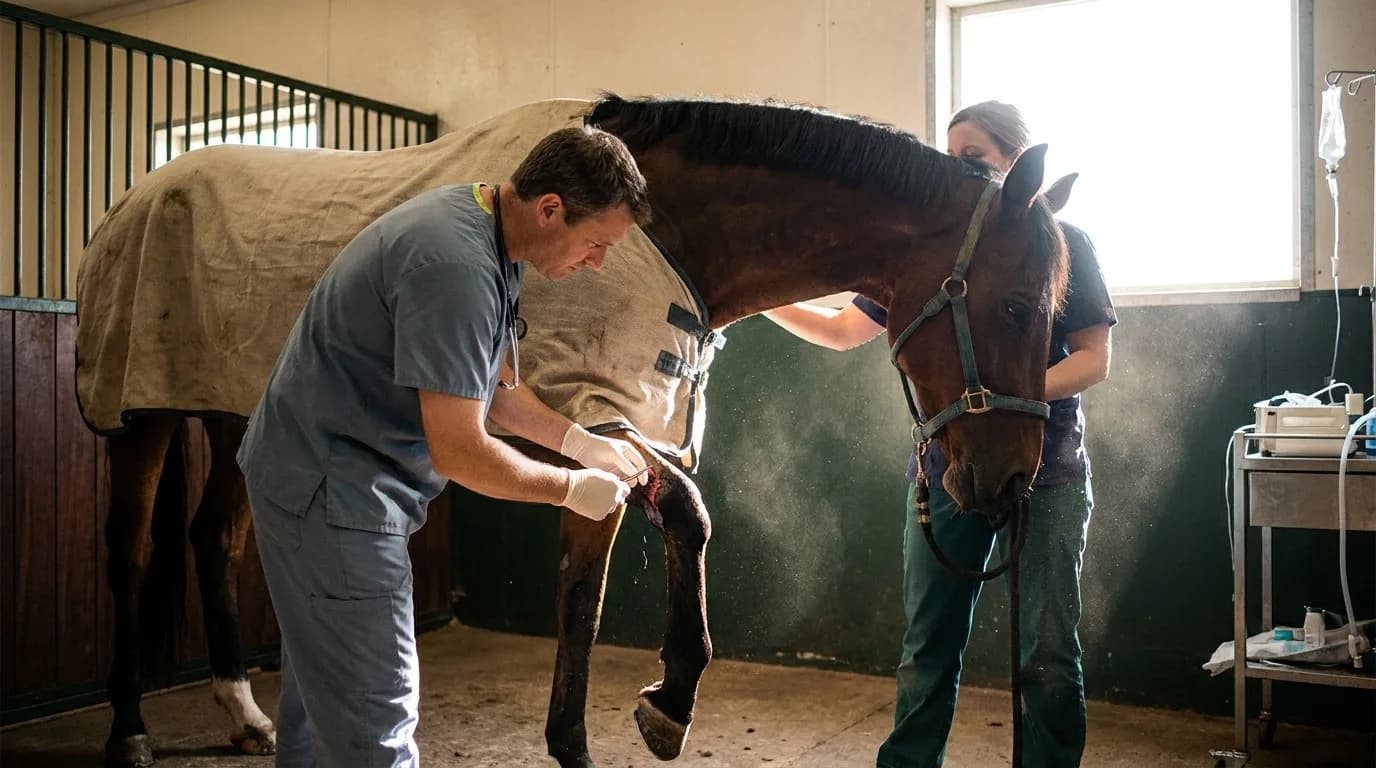
Regular treatment is usually billed at one to three times the standard GOT rate, depending on the effort involved. During emergency service, however, veterinarians must charge a flat emergency call-out fee and bill the services provided at a minimum of twice up to a maximum of four times the standard rate [2]. Equine clinics justify this pricing with the enormous staff costs of maintaining round-the-clock availability [3]. For the horse owner, this means a drastic multiplication of the regular surgery costs. The bill for a nighttime colic operation can very quickly reach five figures. Without suitable insurance cover, this creates a major liquidity risk. The statutory requirements leave veterinarians no room for discounts during emergency service. Every action, every medication, and every monitoring unit is billed with the increased multiplier. This system makes emergency medicine for horses one of the most expensive areas of veterinary medicine altogether.
Additional cost factors such as travel fees and diagnostics
Beyond the pure surgery costs, further significant fees apply during emergency service. Veterinarians charge a significantly increased travel fee per double-kilometer for driving to the stable [2]. These extra costs add up enormously for stables in rural locations or for long drives to the nearest specialist clinic. Explaining the enormous veterinary costs of unforeseen emergencies is therefore a central part of sound advice at nextsure. Well-thought-out cover protects against these incalculable risks. The focus is on tariffs that reliably absorb these peak costs. Preparatory diagnostics such as X-rays or ultrasound are also billed at four times the rate during emergency service. Nighttime transport to the clinic maximizes the fee multiplier. Precise cover cushions this peak burden.
Cost factors in veterinary emergency service
- Mandatory flat emergency call-out fee for every emergency call
- Veterinary services billed at up to four times the GOT rate
- Increased travel fee for the veterinarian's drive to the stable
- Surcharges for imaging diagnostics performed at night
- High inpatient accommodation costs for intensive monitoring
The exact rates are governed by the current veterinary fee schedule (GOT).
Benefit components of equine surgery insurance during emergency service
Coverage of up to four times the GOT rate
The benefit components of modern equine surgery insurance must be tailored exactly to the reality of emergency medicine. The most important factor is covering costs up to four times the veterinary fee schedule (GOT) rate. If a horse is brought to the clinic with a severe injury on a Sunday morning, the veterinarian bills at the maximum rate. High-quality tariffs, such as those offered by providers like Uelzener, pay out independently of the GOT rate and therefore fully cover the 4x rate during emergency service [4]. Tariffs that cap payouts at twice the rate leave an enormous coverage gap. The owner must pay the difference out of pocket. This often leads to unexpected costs. A close look at the insurance terms is essential here. nextsure meticulously checks these details for its customers.
Reimbursement of the statutory emergency call-out fee
Another critical point is the explicit reimbursement of the statutory emergency call-out fee. This flat fee applies for every emergency call-out, regardless of the actual treatment. This item must be firmly anchored in the basic benefits of equine surgery insurance. Barmenia Allgemeine Versicherungs-AG clearly documents in its terms that the emergency call-out fee is reimbursed under the GOT if the services were provided at night, on the weekend, or on a public holiday. The only requirement is that the veterinarian formally confirms that an emergency occurred. If this confirmation is missing, insurers only reimburse the standard rate. This formal requirement is a small but decisive hurdle in the claims process. Horse owners must actively remind the veterinarian to note the emergency on the invoice. This ensures smooth reimbursement.
Coverage of pre-examination and diagnostics
An operation begins, medically and financially, long before the actual incision. The pre-operative examination is an enormous cost block, especially during emergency service. Imaging procedures such as X-rays, computed tomography (CT), or magnetic resonance imaging (MRI) are extremely expensive when billed at night at four times the rate. Good policies fully reimburse the costs of the examination that was necessary to establish the diagnosis. If the insured animal dies after anesthesia has begun, the operation is contractually treated as having been carried out, even if the surgical procedure itself had not yet started. This clause is especially relevant for severe colics. It protects the owner from the costs of a failed rescue attempt. This clause neutralizes the financial risk of failed rescue attempts.
| Benefit feature | Basic cover (often insufficient) | Premium cover (nextsure recommendation) |
|---|---|---|
| Maximum GOT rate | Up to 2x rate | Up to 4x rate |
| Emergency call-out fee | Not reimbursed | Fully reimbursed |
| Pre-examination (e.g., MRI) | Often excluded | Included (even during emergency service) |
| Follow-up treatment | Maximum 5 days | Up to 20 days or more |
Premium cover is essential in emergencies to avoid high co-payments.
Waiting periods and immediate cover for life-threatening emergencies
The general waiting period and its exceptions
Waiting periods are a central topic when it comes to immediate cover for unforeseeable events. As a rule, cover for each insured horse only begins after a defined period has elapsed. For regular claims due to illness, the general waiting period is usually three months. If an illness occurs during this time, it and its consequences are permanently excluded from cover. There are, however, essential exceptions for life-threatening emergencies. For abdominal cavity operations, i.e. colic, this waiting period is reduced to just five days with top providers. This short period is a major advantage. Colics occur suddenly and require immediate action. A tariff with a months-long waiting period for colic is practically worthless. Horse owners should scrutinize this clause in the contract very carefully.
Immediate cover for accidents, no waiting period
The rule for genuine accidents is even better. For claims arising from accidents, there is generally no waiting period at all. Cover applies from the very first minute of the agreed start date. An accident is defined as an event that suddenly affects the animal's body from outside and causes physical harm. If the horse falls in the paddock the day after the contract is signed and breaks a leg, the insurer covers the emergency surgery immediately. Health damage from ingesting poisonous bait is also often contractually treated as an accident. Anyone specifically looking for tariffs with immediate cover and no waiting period will find suitable solutions at nextsure. This immediate cover is a reassuring safety net for every horse owner.
Special waiting periods for joint operations
While accidents and colics are covered quickly, significantly longer periods apply for certain chronic or degenerative conditions. For claims arising from joint operations involving isolated shadowing, OC, OCD, or so-called chips, a special waiting period of twelve months often applies. These procedures are rarely acute emergencies requiring surgery at night — they are usually planned operations. Even so, it is important to know these periods to avoid disappointment in the event of a claim. A six-month waiting period also usually applies to castrations that become medically necessary due to oncological conditions. The clear distinction between an acute emergency and a planned operation is reflected in the tariff structure. A transparent broker explains these differences in detail before signing. This builds trust and planning security.
Pre-examination and follow-up treatment in clinical practice
The scope of pre-operative diagnostics
The pre-examination is the crucial first step before any surgical procedure. For operations carried out, good policies reimburse the costs of the examination that was necessary to establish the diagnosis. This includes all veterinary measures suitable for producing a finding. This covers clinical examinations as well as special procedures such as X-rays, endoscopy, biopsy, or extensive lab analyses. These items add up extremely quickly, especially during weekend emergency service. If a horse is brought in with unclear abdominal pain, comprehensive diagnostics can be a matter of life and death. The insurer covers these costs provided they are directly related to the subsequent operation. However, if it is decided not to operate after the expensive diagnostics, surgery insurance generally does not apply. This is an important detail.
Inpatient accommodation and aftercare
After successful emergency surgery, the critical follow-up treatment phase begins. Reimbursable costs also include expenses for subsequent follow-up treatment directly connected to the operation. The number of covered follow-up treatment days varies considerably depending on the chosen tariff. Premium tariffs often cover 15 to 20 days. During this time, the high costs of inpatient accommodation at the equine clinic are also covered. After colic surgery, a horse often needs days of intensive care monitoring. Infusions, medication, and constant checks by the veterinarian drive the bill up further. Sufficient aftercare coverage prevents medically risky early discharges for cost reasons.
Alternative healing methods and physiotherapy
Modern tariffs go far beyond conventional medicine in aftercare. They also reimburse alternative and complementary treatment methods such as acupuncture, homeopathy, laser therapy, or magnetic field therapy. The requirement is that their effectiveness is documented in veterinary science and that they are billed by a veterinarian according to the GOT. Premium cover variants often even include physiotherapy treatments. These can be carried out by a certified equine physiotherapist following referral by the veterinarian. Such measures significantly speed up rehabilitation after major procedures. A holistic view of recovery is a quality feature of excellent insurance terms. nextsure pays close attention to these extensive aftercare benefits when selecting partner insurers. Holistic funding of rehabilitation is a key building block for lasting surgical success.
Exclusion criteria and contractual pitfalls
Known pre-existing conditions and developmental defects
A policy's exclusion criteria define the hard limits of insurance cover. The terms consistently exclude illnesses, accidents, or congenital developmental defects that were already known to the owner at the time of application. Anyone who tries to quickly insure an already sick horse will come away empty-handed in the event of a claim. Insurers scrutinize the veterinary history very closely for expensive emergency operations. For illnesses that were demonstrably not known at the time of application, however, full cover applies. Developmental defects are conditions that, according to current scientific understanding, are congenital, hereditary, or acquired. It is essential to be absolutely honest when answering the health questions on the application. A breach of the pre-contractual duty of disclosure entitles the insurer to withdraw from the contract. In this case, the insurer's obligation to pay the emergency service costs is fully void.
Uninsured routine procedures and travel fees
Besides pre-existing conditions, there is a long list of procedures that are generally not reimbursed. Routine, preventive, or voluntary examinations not directly related to an illness or accident are excluded. The insurer also does not pay for cosmetic dental treatments or operations that serve merely to achieve a breed standard. An important point for emergency service: some basic tariffs explicitly exclude the treating veterinarian's travel and waiting fees. Anyone who ignores possible exclusions in the contract terms bears these cost blocks themselves. Transport costs for the horse to the clinic are also almost never covered under pure surgery insurance. These details make the difference between a cheap bait offer and genuine premium cover. Reading the terms and conditions carefully is a must.
Specific conditions with no coverage
Some very specific conditions are completely excluded from cover in many tariffs. Operations due to hoof abscesses or hoof ulcers and their consequences are often not covered, unless it is a veterinarian-diagnosed case of hoof cancer. Procedures related to pregnancy, breeding, or false pregnancy are also usually excluded. An exception here is often the cesarean section, which becomes medically necessary due to birth complications. This is covered once per insured animal in good policies. Owners of rare animals often look for special cover for hobby livestock, since standard horse tariffs don't apply here. Knowing these exclusions precisely prevents false expectations. A professional broker safely guides customers through this jungle of clauses and conditions.
Typical exclusions in equine surgery insurance
- Treatment of illnesses that were already known when the contract was taken out
- Routine examinations and preventive measures
- Transport costs for the horse to the veterinary clinic
- Operations due to hoof abscesses (except hoof cancer)
- Procedures not carried out by a licensed veterinarian
Check whether travel fees during emergency service are included in your tariff.
Tariff comparison and market analysis for emergency cover
Separating the wheat from the chaff
Comparing tariffs is essential to find the best cover for an emergency. The market for animal insurance is confusing and full of tariffs that look cheap at first glance but have structural coverage gaps during emergency service. Emergency operations can be extremely expensive, especially for horses, which is why cover above the standard GOT rate is essential [5]. A basic tariff that only reimburses twice the rate is simply unsuitable for a horse. The owner must bear the difference to the 4x rate the clinic bills at night themselves. That's often several thousand euros. nextsure continuously analyzes the market and consistently filters out these inadequate offers. Only hand-picked tariffs that reliably pay out even in a worst-case scenario make it onto the platform. Quality clearly comes before a seemingly cheap monthly premium here.
Annual maximum limits and deductibles
Another important comparison criterion is the contractual annual maximum limit. Some insurers cap annual reimbursement at €5,000 or €10,000. A complicated emergency operation with lengthy aftercare easily blows past this limit. Premium tariffs waive such caps and pay out without limit. The choice of deductible also significantly affects the tariff. A percentage-based deductible of 20 percent may seem moderate for small bills. On a clinic bill of €12,000, however, this means a co-payment of €2,400. Fixed deductibles of, say, €250 per claim are much more predictable here and protect against financial surprises. Structuring these parameters requires expertise. The experts at nextsure advise digitally and personally to find the optimal balance between premium and benefits for the individual horse.
Specialist providers vs. large all-rounders
Specialized animal insurers such as Uelzener compete in the market with large all-round groups such as Barmenia or Allianz. Specialists often offer very in-depth terms tailored exactly to riders' needs. They know clinic practice and often settle claims more smoothly. Large groups, on the other hand, score with financial strength and innovative digital processes. Barmenia, for example, offers a waiver of the ordinary right of termination from the seventh policy year onward in its premium cover, provided the horse was no older than seven when the contract was taken out. That's an enormous advantage for aging horses. Choosing the right provider depends on many factors: the horse's age, breed, pre-existing conditions, and the desired level of security. An independent comparison is the only way to find the perfect policy.
The digital sign-up and claims process
Fast needs analysis without paperwork
Signing up for equine surgery insurance digitally is now standard for modern horse owners. Paper-based application processes are inefficient. Platforms like nextsure offer a fast, fully digital needs analysis. The platform records the horse's relevant data in a few minutes: age, breed, type of keeping, and any pre-existing conditions. The algorithm matches this data in real time against insurers' underwriting guidelines and immediately presents tailored offers. This process delivers data-based coverage concepts. The customer can see at a glance which tariffs cover the important 4x GOT rate during emergency service and which don't. Sign-up is completed online, legally sound. The policy and all important documents land promptly in the digital customer inbox. This gets the horse covered as quickly as possible.
Direct billing with the veterinary clinic
Process efficiency in the event of a claim is a key evaluation criterion. A huge advantage of modern policies is the option of direct billing. On the customer's explicit instruction, the insurer settles the services provided directly with the veterinarian or the veterinary clinic. The insurer pays the reimbursable amount directly to the clinic. The horse owner does not have to advance ten thousand euros. This must, however, be clarified with the clinic beforehand, since not every facility accepts this assignment declaration. If the clinic agrees, this prevents liquidity bottlenecks from having to advance large sums.
Digital claims reporting via app
Without direct billing, the owner first pays the invoice themselves and submits it digitally. This process, too, is now fully digitized. Through customer portals or dedicated apps, the clinic invoice can simply be photographed or uploaded as a PDF. The invoice must clearly state the diagnosis, the billed service item according to GOT, and the date. Especially important: the veterinarian must explicitly confirm the emergency on the invoice so the increased rates are reimbursed. Processing times at insurers have dropped significantly thanks to these digital workflows. Often the money is already in the policyholder's account within a few days. Digital claims processing minimizes turnaround times. nextsure actively supports its customers in asserting their legitimate claims.
Frequently asked questions
- Does equine surgery insurance pay for emergency surgery at night or on weekends?
Yes, strong equine surgery insurance covers the costs of emergency operations at night, on weekends, and on public holidays. This is crucial. It's important to choose a tariff that explicitly covers treatment during emergency service. The treating veterinarian must formally confirm the medical emergency on the invoice so the insurer reimburses the costs smoothly.
- Is the increased GOT rate, up to 4x, reimbursed during emergency service?
Premium tariffs reimburse veterinary services during emergency service up to four times the veterinary fee schedule (GOT) rate. Basic tariffs often cap benefits at twice the rate. Since clinics are required to bill higher rates during emergency service, cover up to the 4x rate is essential to avoid high out-of-pocket costs.
- Is the statutory emergency call-out fee covered?
The flat emergency call-out fee that veterinarians must charge for call-outs outside regular office hours is fully covered by high-quality surgery insurance. Checking the insurance terms and conditions (AVB) will tell you whether this specific item is included in your chosen tariff.
- Does the veterinarian have to confirm the emergency?
Yes, to reimburse the increased emergency rates and the call-out fee, insurers generally require a corresponding note on the invoice. The veterinarian must document that the treatment took place outside regular office hours due to an acute, unavoidable emergency.
- Does emergency cover also apply on public holidays?
Yes, according to the Federal Chamber of Veterinarians, public holidays count as emergency service around the clock, from midnight to midnight. If your horse needs emergency surgery on a public holiday, the same contractual cost-coverage rules apply as for nighttime emergencies or weekends.
- Is there a waiting period for emergency operations due to colic?
The general waiting period is usually three months. For life-threatening colics (abdominal cavity operations), however, many good providers reduce this period to just five days. For emergency operations caused by an accident (e.g., a broken leg in the paddock), the waiting period generally does not apply at all.
Sources
Conclude directly online
Verified partner tariffs at no extra cost. The button takes you straight to the provider's calculator.
 Barmenia
Horse surgery insurance
Surgery cost cover for horses in case of illness and accidents, including diagnostics and after-care.
- Waiting period:
- 3 months (colic surgery: 5 days, accidents: none)
- Coverage abroad:
- worldwide, up to 12 months
- Maximum benefit:
- depends on the cover level, as stated in the policy
- Surgery costs for illness and accidents, including tooth extractions and root canal treatment
- Pre-surgical examination (X-ray, endoscopy, biopsy, lab work)
- After-care including acupuncture, homeopathy, physiotherapy, laser therapy
- Emergency veterinary service up to 4x the standard veterinary fee schedule (GOT) rate plus the emergency callout fee
- Premium cover: up to 5 physiotherapy sessions (max. 60 minutes each) after the after-care period ends
- Once per animal: surgery costs for a birth-related, medically necessary caesarean section
Key exclusions
- Illnesses and developmental abnormalities known at the time of application
- Hoof abscesses and hoof ulcers (exception: hoof cancer)
- Surgery due to cryptorchidism
- Neutering that isn't medically necessary
Service-Champions GOLD: Nr. 1 der Versicherer im Multikanalvertrieb (ServiceValue, 10/2024)
Barmenia (Anbieter der Pferde-OP-Versicherung)
Special waiting periods: 12 months for joint surgery (chip fragments, OC/OCD, Birkeland fractures), 6 months for medically necessary neutering; Premium cover includes a waiver of the insurer's right to cancel from the 7th insurance year.
Fact sheet: benefits, exclusions and waiting periods in detail
All details are taken from the provider's linked product page and the contract documents (IPID/policy conditions) published there; the insurer's documents prevail. Premiums, benefits and the insurance product itself may change – please verify the details directly with the partner before signing up; only the information provided there is binding.
Information last updated: July 2026 · Source: provider product information (IPID/policy conditions)