Lower car insurance costs for new drivers
Find out how new drivers can save money on car insurance. Tips on rates & discounts from nextsure.
 Katrin StraubManaging DirectorInsurance expert with over 20 years of experience in the insurance industry.
Published on
Last updated on
10 min read
Table of Contents
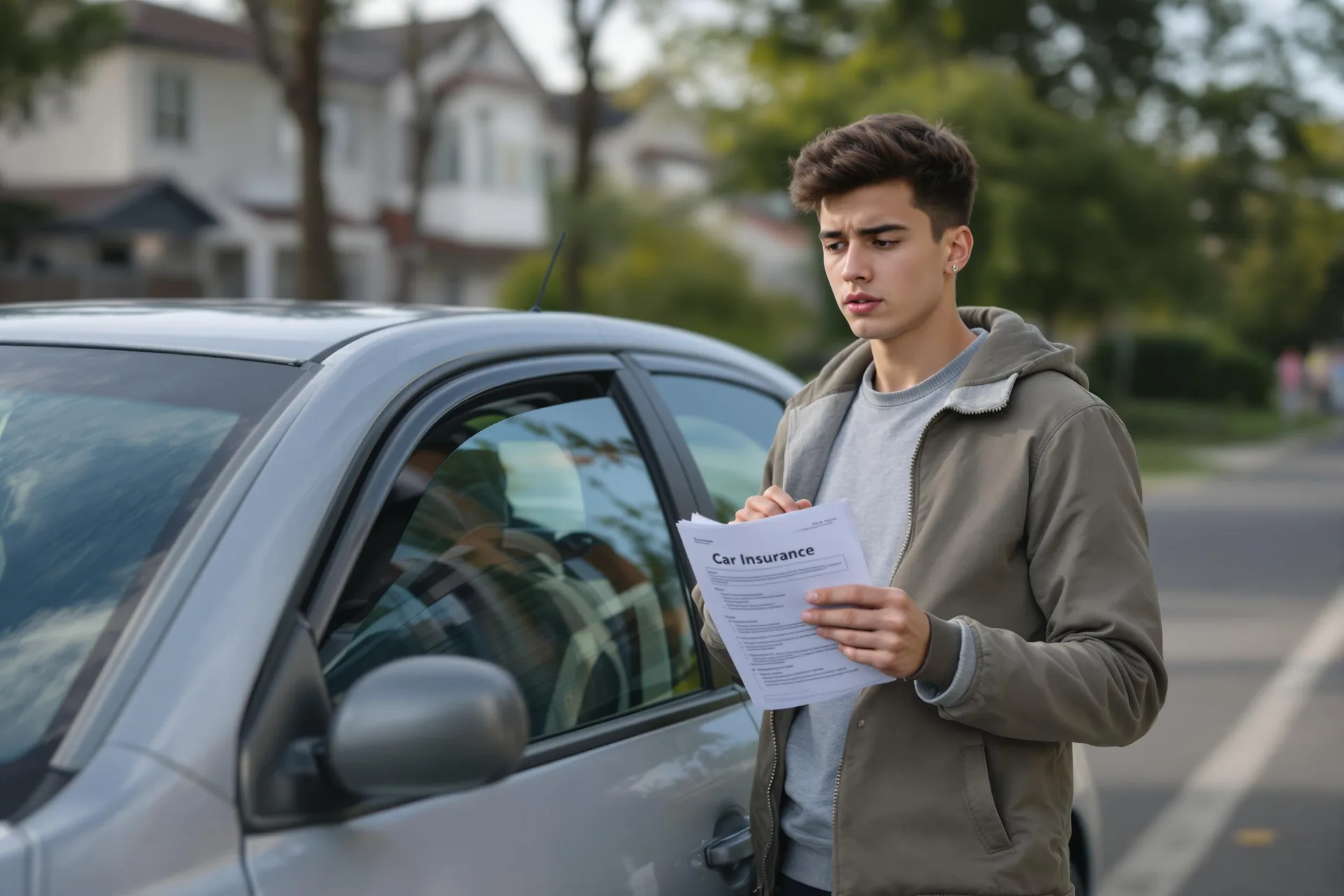
The first car insurance policy of your own can quickly become expensive for new drivers, often costing more than a thousand euros a year. But there are numerous ways to significantly reduce these costs. This article shows you how, as a new driver, you can save smartly on your car insurance.
Understanding cost factors in car insurance for new drivers
The cost of car insurance for new drivers can initially seem high, often over one thousand euros per year. Several factors significantly influence the premium amount. Insurers assess the risk of young drivers aged between 18 and 24 as higher, as they are statistically more often involved in accidents. This leads to classification in a low no-claims class (SF class), usually SF 0, which can drive the premium rate up to 260 per cent of the standard rate. Other important factors are the vehicle type class and the regional class of the place of residence. Choosing a vehicle with a low type class can already reduce costs by several hundred euros a year. These factors form the basis for calculating your individual insurance costs as a new driver. An understanding of these connections is the first step towards a cheaper policy.
Optimise no-claims bonus class and premium rate for new drivers
New drivers typically start in no-claims bonus class 0, which means the highest premium rate. Each accident-free year leads to a better classification and therefore to a lower premium rate for car insurance. However, there are ways to avoid having to start at SF 0. Anyone who has held a driving licence for more than three years can often be classified in SF ½. This better classification can reduce the premium by around 16 to 28 per cent. Another option is to take over a no-claims bonus class from relatives, although this is subject to certain conditions. Knowing the SF classes table helps you better assess your own situation. Optimising the SF class is a key lever for reducing insurance costs for new drivers.
Unlock savings potential with the right vehicle choice and insurance type
Choosing your first car has a significant impact on insurance costs for new drivers. Vehicles that are popular with young drivers often fall into a higher insurance group, as statistically they are involved in accidents more frequently. Choosing a car with a low insurance group can significantly reduce the premium. You can find information on a model's insurance group, for example, from the German Insurance Association. In addition to third-party motor insurance, which is required by law, there is partial comprehensive and fully comprehensive cover. For older used cars with a low value, partial comprehensive cover or even third-party liability insurance alone is often sufficient. A fully comprehensive policy is usually only worthwhile for new cars or very high-value nearly new used cars and can increase costs by several hundred euros. Consider carefully which cover you actually need. Making a considered decision when buying a car and choosing the level of insurance cover offers considerable potential savings.
Here are some vehicle types that often have lower insurance groups:
- Small cars with lower engine power (e.g. some models from Skoda, Seat, Hyundai)
- Older models that are not considered typical beginner cars
- Vehicles with good safety equipment
- Models that are stolen less often
Always check the current insurance group rating for cars for new drivers before making a purchase decision.
Second car policy: A smart option for new drivers
A very effective way to reduce insurance costs for new drivers is to register the vehicle as a second car through the parents or partner. Many insurers place a second car at least in claims-free class ½, some even better, depending on the SF class of the first car. This can halve the annual premium compared with having your own insurance in SF 0. The savings here can quickly amount to several hundred euros. It is important that the new driver is listed as the driver of the second car. Another advantage: a claim with the second car generally does not affect the SF class of the first car. This arrangement often offers the cheapest entry for young drivers. Check the exact conditions with your insurer to make the most of the potential.
Use telematics tariffs and accompanied driving to reduce costs
Modern insurance policies offer innovative ways to save costs. Telematics policies reward anticipatory and safe driving. Driving data is recorded via an app or a small sensor in the car, and if your driving behaviour is good, a discount of up to thirty per cent on the premium can be granted. Many providers already offer a starting bonus of five per cent. For new drivers in particular, who often pay high premiums, a telematics policy can be worthwhile in order to demonstrate their careful driving and reduce costs. Another way to reduce premiums is accompanied driving from age 17 (BF17). BF17 participants gain valuable driving experience even before their 18th birthday. This is rewarded by many insurers, either through a lower surcharge if the young driver is included on their parents’ policy, or through a better rating for their first policy. The saving here can be in the low three-digit range. Use these options to actively influence your insurance costs.
More money-saving tips for affordable car insurance as a new driver
In addition to the strategies already mentioned, there are further levers to optimise insurance costs for new drivers. Annual payment is often cheaper than monthly or quarterly instalments. A repair-shop requirement can reduce the comprehensive premium by up to twenty per cent. In this case, you agree to have damage repaired at a partner garage of the insurer. Stating a lower annual mileage also reduces the premium, as fewer kilometres driven mean a lower risk of accidents. Reducing your annual mileage by, for example, five thousand kilometres can save up to ten per cent. Also consider whether an excess in your comprehensive insurance is suitable for you; typical amounts are three hundred euros for comprehensive cover and one hundred and fifty euros for partial cover. A driver safety course can not only improve driving competence, but with some insurers also lead to discounts. Always compare several offers, as prices and benefits can vary considerably.
Additional points for reducing costs:
- Restricting the group of drivers: The fewer people drive the car, the cheaper the insurance can be.
- Parking space: A garage or private parking space can reduce the premium compared with parking on the street.
- Public sector employment or civil servant status: Some insurers offer special discounts for this.
- Seasonal number plate: If the car is not used all year round, a seasonal number plate can save costs.
Our expert tip: Regularly check whether your insurance terms still suit your current situation and do not hesitate to compare offers. This is the key to keeping premiums low in the long term.
Expert knowledge: legal aspects and recent rulings
In insurance law there are some aspects that are particularly relevant for novice drivers. It is essential to provide all required information truthfully when taking out the contract. Incorrect information, for example about the group of drivers or the annual mileage, can lead to reductions in benefits in the event of a claim or even loss of insurance cover. It is particularly important to state the youngest driver correctly, as this has a significant impact on the premium. The probationary period for novice drivers in Germany is usually two years and can be extended to up to four years in the event of violations.
During this time, stricter rules apply, for example a zero per mille limit. Recent court rulings repeatedly confirm the importance of complying with contractual obligations. For example, driving without a valid driving licence or under the influence of alcohol can lead to the insurer refusing cover in full. If anything is unclear, contact your insurer directly or seek independent advice to avoid pitfalls. nextsure will be happy to help you make your insurance situation legally compliant.
Your personalised risk analysis for optimal insurance costs
The cost of car insurance for novice drivers depends on many individual factors. It is therefore hardly possible to make a blanket statement about the cheapest tariff. To find the optimum and most affordable solution for you, a thorough analysis of your personal situation is essential. Take all of the aspects mentioned into account: from choosing the vehicle through to usage options such as a second-car arrangement or telematics-based rates, right through to determining the appropriate level of cover. A careful review could save you several hundred euros per year. Take the time to run through different options and compare quotes. An informed decision pays off in the long term. If you would like support with analysing your situation and selecting the right insurance cover, we will be happy to help.
Frequently asked questions
- Why is car insurance for new drivers so expensive?
Insurers generally classify novice drivers, due to their lack of driving experience and a statistically higher risk of accidents, into the least favourable no-claims discount class (SF 0). This leads to a high premium rate, making insurance expensive.
- Which insurance is mandatory for new drivers?
Motor vehicle liability insurance is legally required for all drivers in Germany, including new drivers. It covers damage you cause to other road users.
- How can I save the most on car insurance as a new driver?
New drivers often achieve the greatest savings by insuring the car as a second vehicle through their parents, choosing a vehicle with a low insurance group and using telematics plans.
- Is comprehensive car insurance worth it for new drivers?
A comprehensive car insurance policy is usually only recommended for new cars or very young, high-value used cars. For older vehicles, which are often driven by novice drivers, partial cover or even just motor third-party liability insurance is often sufficient.
- What is SF class 0 for new drivers?
SF class 0 is the standard rating for new drivers who are insuring their first car and cannot yet demonstrate any claim-free years. It is associated with the highest premium rate. [1,2,<="//---">-]
- Does accompanied driving (BF17) affect insurance costs?
Yes, accompanied driving from the age of 17 can have a positive effect on insurance costs. Insurers often reward the additional driving experience with more favourable terms or a better no-claims bonus rating.
Sources
- [1]The Federal Statistical Office (Destatis) provides detailed statistical data on road traffic accidents involving 18- to 24-year-olds in Germany.
- [2]The Federal Highway Research Institute (BASt) provides research results and articles on the topic of novice drivers and road safety.
- [3]The German Road Safety Council (DVR) offers comprehensive information and resources specifically for young drivers to promote road safety.
- [4]The German Insurance Association (GDV) publishes statistics on road traffic accidents that are relevant to the German insurance industry.