Does Barmenia Cover Physiotherapy After Equine Surgery?
An analysis of Barmenia's reimbursement for physiotherapy after equine surgery.
All details are taken from the provider's linked product page and the contract documents (IPID/policy conditions) published there; the insurer's documents prevail. Premiums, benefits and the insurance product itself may change – please verify the details directly with the partner before signing up; only the information provided there is binding.
 Katrin StraubManaging DirectorInsurance expert with over 20 years of experience in the insurance industry.
Published on
12 min read
Table of Contents
Barmenia covers the cost of physiotherapy after equine surgery, provided it's classified as medically necessary follow-up treatment and billed strictly according to the veterinary fee schedule (Gebührenordnung für Tierärzte, GOT). Under the Premium tier, up to five additional physiotherapy sessions (maximum 60 minutes per session) are even included once the regular follow-up-care period has ended. A veterinary referral is mandatory for external physiotherapists.
Equine surgery insurance
Horse surgery insurance via nextsure: Three flexible tariffs, reimbursement up to twice the GOT rate, and free choice of clinic worldwide. Protect your horse from high surgery costs – digital, transparent and uncomplicated.
Learn moreBasic Cost Coverage for Physiotherapy Under Barmenia
Medical Necessity as the Basis
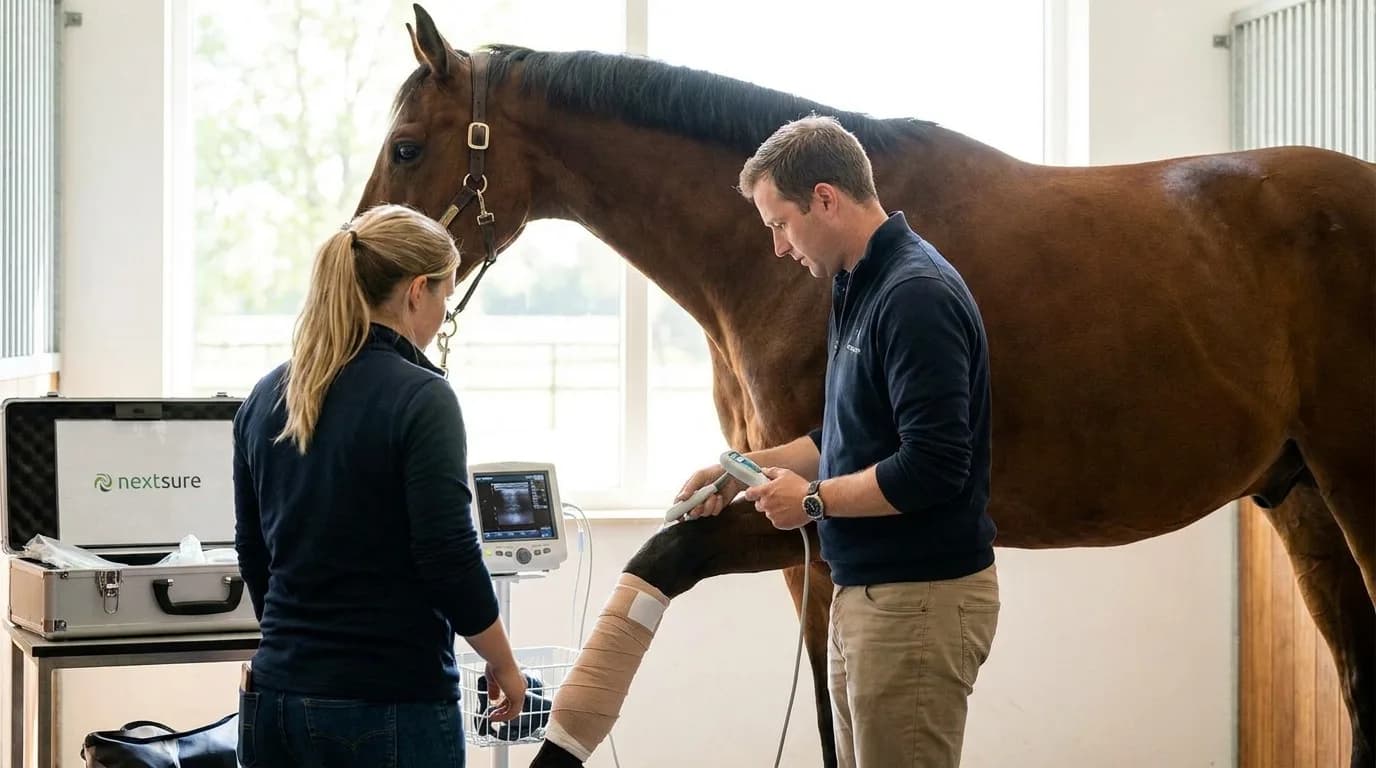
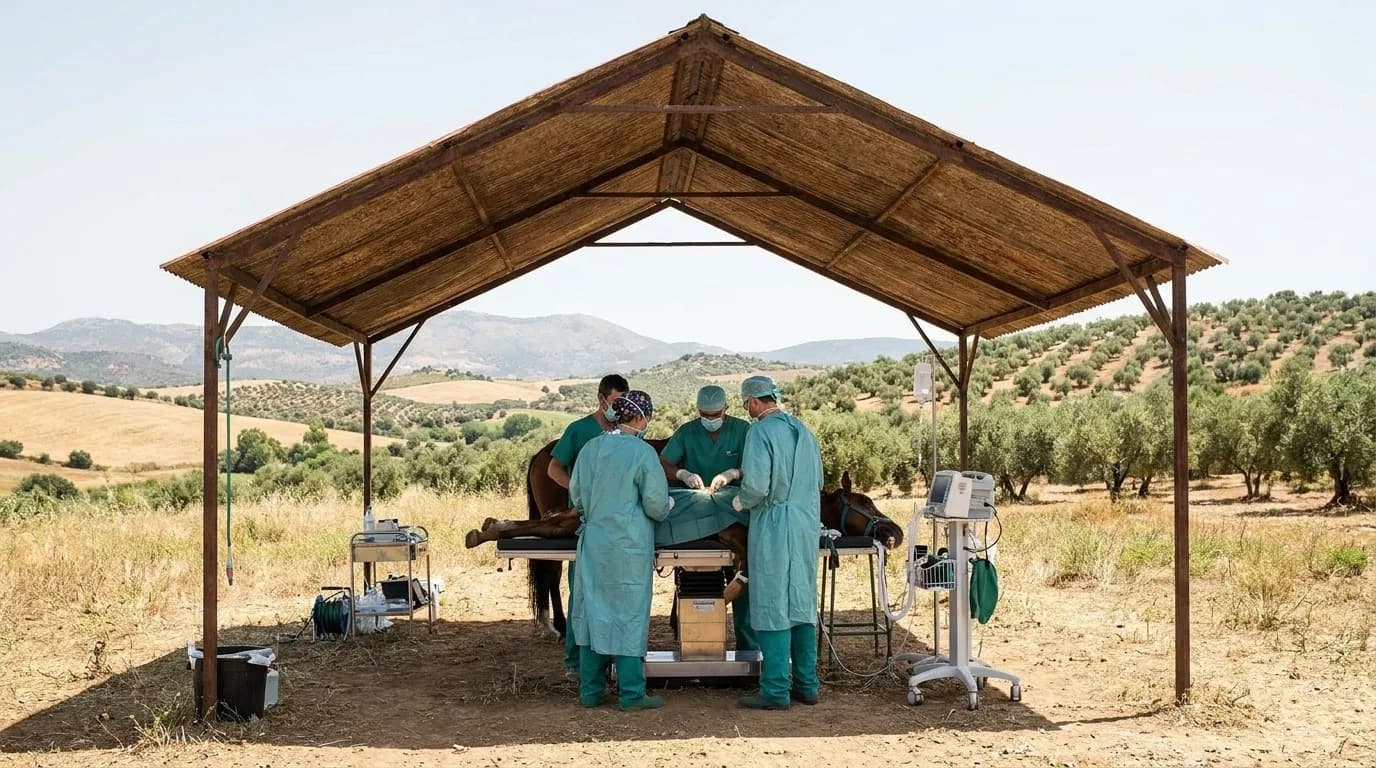
Coverage for rehabilitative measures is a core building block of modern animal insurance. Barmenia reimburses the cost of physiotherapy after a surgical procedure, provided it's classified as medically necessary follow-up treatment [1]. The insurer requires either a prescription from, or direct treatment by, a licensed vet. Billing must strictly follow the veterinary fee schedule (GOT). Without this formal basis, the company consistently refuses to settle submitted invoices. Horse owners must document this step precisely before treatment begins. Barmenia Allgemeine Versicherungs-AG's contract terms define follow-up treatment as a measure to restore health or prevent deterioration. This explicitly includes restoring the musculoskeletal system after orthopedic procedures. That safeguards the quality of the therapy. Under the insurance terms, an operation is defined as a surgical procedure under anesthesia, sedation, local anesthetic, or standing sedation in which the skin is cut more than superficially. Wound care involving stitches or staples also falls under this cover.
The Time Frame for Regular Follow-up Treatment
A key factor for reimbursement is the time frame for regular follow-up treatment. Depending on the tariff chosen, the equine surgery insurance covers a fixed, defined period directly after the procedure. Within this contractual period, all physiotherapy measures prescribed by a vet are fully included, aimed at restoring the horse's mobility as quickly as possible. When assessing claims, Barmenia sticks strictly to current veterinary medical standards in Germany. Experimental procedures without recognized scientific evidence are generally excluded from the scope of cover. Reimbursement only applies if the effectiveness of the method used has been verified and documented by veterinary science. This prevents disputes during claims settlement and gives the policyholder a reliable basis for budgeting the upcoming rehabilitation. That's a major financial advantage. The follow-up-treatment days are documented precisely in the policy as calendar days after the day of the operation.
Incorporating Alternative Healing Methods
Besides classic movement therapy, the scope of cover includes further complementary approaches for pain relief and promoting healing. Barmenia incorporates alternative healing methods for horses such as acupuncture, laser therapy, neural therapy, and magnetic field therapy into its reimbursable benefits [1]. These special methods must likewise be billable under the GOT and carried out by a vet. Combining classic surgery with subsequent holistic rehabilitation significantly reduces recovery time for severe injuries. Horse owners benefit from a transparent cost structure, since the insurance terms set clear requirements around medical necessity and proportionality. A setup like this protects against unexpected financial burdens during the critical phase after an operation. Invoices are submitted digitally, which speeds up the review process considerably. Invoices must be submitted no later than one month after treatment ends.
The Premium Tier in Detail and Extended Physiotherapy Benefits
Five Additional Therapy Sessions
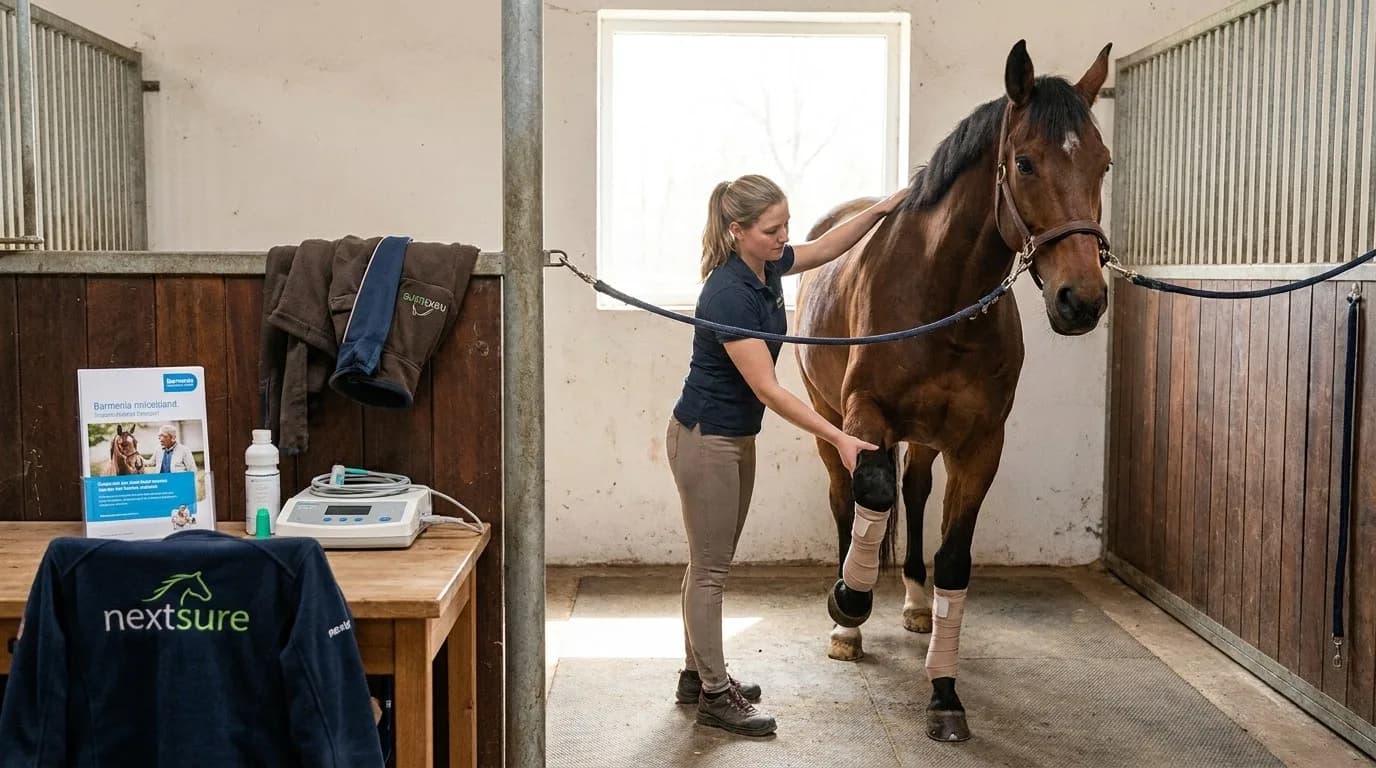
Compared with the basic tiers, the Premium tier offers a significant expansion of rehabilitation benefits. In this top-tier tariff, Barmenia has built in a special clause for physiotherapy that extends beyond the regular follow-up-treatment period. Specifically, the insurer reimburses up to five additional physiotherapy treatments once the agreed regular follow-up-treatment period has ended. Each of these sessions may last a maximum of 60 minutes. This extension is especially valuable for complex orthopedic procedures, such as joint operations or fracture treatment. Healing in horses often requires months of continuous therapeutic support. The cost of this extended therapy phase can quickly run into four figures without appropriate cover. An independent comparison shows that only a few providers on the market explicitly guarantee such a specific extension of physiotherapy in their general insurance terms. This positions the tariff as an excellent choice for demanding owners. The five sessions provide enormous planning certainty.
Requirements for External Physiotherapists
Precisely worded requirements apply to using these five additional treatments. Treatments can be carried out either directly by a vet or by a recognized animal physiotherapist. In the latter case, however, a formal referral from the treating vet is mandatory. This rule ensures the therapy remains medically indicated and is carried out competently. Horse owners must obtain the referral before the first appointment with the physiotherapist and submit it to Barmenia along with the invoice. If this document is missing, the company refuses to reimburse the costs. The clear separation between veterinary diagnosis and physiotherapeutic execution meets the highest quality standards in veterinary medicine. These administrative steps require precision. The invoice must state the diagnosis and the billed service item under the applicable GOT.
Regenerative Therapies and Inpatient Accommodation
Besides physiotherapy, the Premium package includes other costly follow-up treatment methods. These include regenerative therapies such as IRAP (interleukin-1 receptor antagonist protein), PRP (platelet-rich plasma), and stem-cell treatments. These specialized procedures greatly speed up tissue regeneration but incur substantial material and lab costs. Barmenia covers these expenses within the contractual limits. Another advantage of the Premium tariff is inpatient accommodation. The horse can stay at an equine clinic for up to 14 days, with accommodation costs fully covered [2]. This comprehensive cover drastically minimizes the financial risk of severe complications. The combination of inpatient care, regenerative therapies, and subsequent physiotherapy forms a seamless safety net for the animal. Inpatient accommodation is often the key to successful rehabilitation.
Requirements for the Five Additional Physiotherapy Sessions
- The regular contractual follow-up-treatment period must already have fully expired.
- Treatment may last a maximum of 60 minutes per individual session.
- Treatment must be carried out by a vet or a recognized animal physiotherapist.
- For external physiotherapists, a prior veterinary referral is mandatory.
- Billing for the services must be documented transparently and traceably under the GOT.
If the veterinary referral is missing, reimbursement for external physiotherapy is refused.
Comparing the Basic, Top, and Premium Tariff Tiers
Scope of Follow-up-Treatment Periods
Barmenia's tariff tiers differ substantially in scope of cover and the duration of follow-up treatment. While the Basic tariff offers solid base cover for surgical emergencies, it limits follow-up care to a very narrow time window. The Top tariff already widens this window noticeably and includes more diagnostic pre-examinations as well as longer post-operative care. The Premium tariff represents the absolute top tier, offering the longest regular follow-up-treatment period along with the previously mentioned additional benefits for physiotherapy and regenerative medicine. A close look at the general insurance terms reveals that the choice of tariff directly determines the financial burden during the rehab phase. That has consequences. Skipping sufficient cover shifts the full cost of physiotherapy onto the owner. The exact number of follow-up-treatment days varies according to the individual policy.
Reimbursement Rates Under the GOT
A critical factor in choosing a tariff is the reimbursement rate under the veterinary fee schedule (GOT). The Basic tariff generally only covers the standard to double rate, which is often not enough at specialized equine clinics. The Premium tier, by contrast, reimburses regular operations up to the double GOT rate and even covers up to the quadruple rate for emergency veterinary services [1]. This distinction is essential, since emergency operations on weekends or at night are billed at extremely high rates. In addition, under the Premium tariff Barmenia waives its ordinary right of termination after a claim, provided the horse was at most seven years old when the contract was taken out [4]. This waiver of termination rights offers lifelong planning certainty for the owner. It's an enormous added value. The emergency-service fee under the GOT is likewise reimbursed if the service is provided at night, on a weekend, or on a public holiday.
Individual Risk Profiles and Choosing a Tariff
The choice between the packages should always be based on the individual risk profile and the value of the horse. For leisure horses, a Top tariff is often enough, while sport and competition horses definitely need the Premium tier. Downtime here needs to be minimized through optimal medical care. Anyone who knows the difference between surgery insurance and health insurance knows that a pure surgery policy doesn't cover the ongoing costs of chronic conditions. It focuses purely on the surgical procedure and its direct consequences. nextsure analyzes these tariff differences in detail and helps horse owners identify exactly the right cover. A transparent comparison protects against being underinsured when it matters. nextsure's digital platform allows a quick comparison of coverage limits. That identifies the tariff with the optimal balance of budget and security. Advice is provided free of charge through insurance brokers under Section 34d GewO.
| Tariff variant | Follow-up-treatment duration | Physiotherapy add-on | GOT reimbursement, emergency service |
|---|---|---|---|
| Basic | Limited | Not included | Up to 2x rate |
| Top | Extended | Not included | Up to 3x rate |
| Premium | Up to 14 days inpatient | 5 sessions of 60 min. each | Up to 4x rate |
The exact number of follow-up-treatment days varies according to the individual policy.
Waiting Periods and Exclusions for Follow-up Treatments
General and Special Waiting Periods
Waiting periods define the time between signing the contract and cover actually starting. Barmenia applies a general waiting period of three months for ordinary illnesses. That's standard in the industry. For life-threatening colic operations, this period is shortened to just five days to ensure quick help. Special caution is needed for joint operations: if there are isolated shadowing findings, osteochondrosis (OC), osteochondrosis dissecans (OCD), Birkeland fractures, or chips, an extended waiting period of 12 months applies. If the insured event occurs within these blocking periods, the company refuses to cover the operation and all subsequent physiotherapy sessions. For accidents, the waiting period is waived entirely, provided the treatment is demonstrably due to the accident. Precise documentation of how the accident happened is mandatory here.
Contractual Exclusions
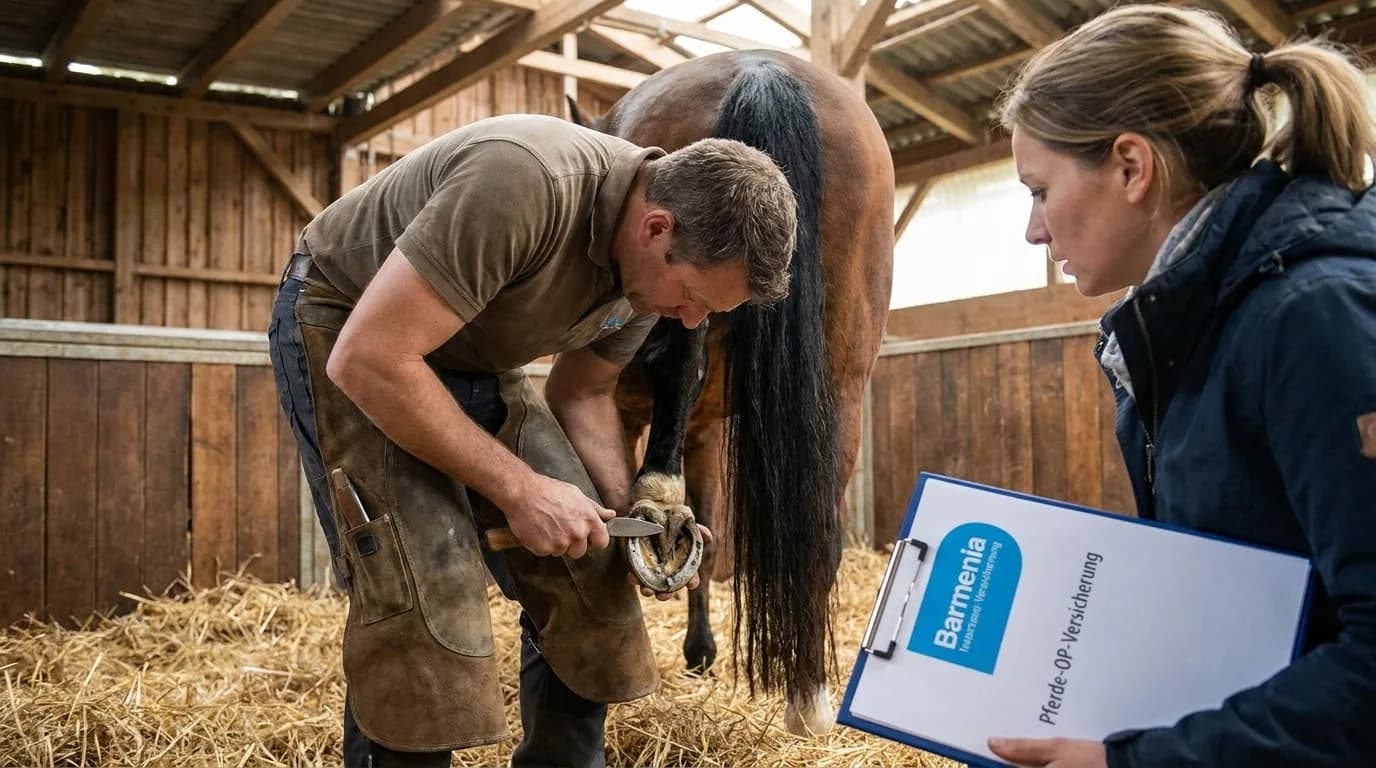
Besides the time-based restrictions, policyholders must study the contractual exclusions carefully. Barmenia excludes congenital, genetically caused, or acquired conditions that the owner already knew about when applying. Likewise, routine checkups, dental care, or cosmetic procedures aren't reimbursed. Anyone who looks into the exclusions in equine surgery insurance prevents unexpected refusals during claims settlement. Another important point is castration: this is generally excluded, unless it becomes necessary due to a medical indication such as a tumor. In such medical exception cases, a waiting period of six months applies. Knowing these clauses precisely is essential for financial planning. Horse owners should thoroughly review their horse's health records before signing a contract. Concealed pre-existing conditions inevitably lead to loss of cover. Hoof abscesses are likewise explicitly excluded from cover.
Causal Link Between the Operation and Follow-up Treatment
A common point of dispute during claims settlement is treatment not directly linked to the operation. Follow-up treatment, including physiotherapy, must serve to restore health following precisely this surgical procedure. Preventive measures or treatment of concurrent conditions unrelated to the operation aren't covered by the insurance. Barmenia requires a clear causal link here, which the treating vet must document on the invoice. If this link is missing, reimbursement for the physiotherapy costs is refused. Clear communication with the equine clinic before invoicing prevents such formal grounds for refusal. The broker nextsure actively supports its customers in correctly submitting these complex claims. Invoices must include the horse's life number or chip number.
Worldwide Cover and Free Choice of Vet
Cover During Stays Abroad
Worldwide cover is a decisive criterion for horse owners who compete internationally or train their animal abroad. Barmenia provides worldwide insurance cover for temporary stays abroad of up to 12 months [3]. If a surgical emergency occurs during such a trip, the insurer covers the cost of the operation and subsequent follow-up treatment, including physiotherapy. Reimbursement is up to the level of fees customary in that country, but capped at the rates of the German GOT. This cap protects the company from extreme price spikes in countries with very high veterinary costs, such as Switzerland or the USA. Travelers must factor in these caps when choosing a foreign equine clinic. Calculating costs in advance is advisable. Cover applies to all contractually agreed benefits.
Unrestricted Choice of Clinic and Vet
Another major advantage of Barmenia's tariffs is the unrestricted free choice of vet and clinic [5]. The policyholder isn't tied to a specific network of contracted vets. This matters especially for highly specialized procedures that require transporting the horse to a distant specialist clinic. Free choice naturally also applies to subsequent physiotherapy. The owner can hire the therapist they trust, as long as that therapist meets the formal requirements. This flexibility guarantees the horse always receives the best possible medical care, regardless of current location. There are no regional restrictions within Germany. Free choice of vet is a quality feature that isn't a given in the industry. Many cheap tariffs dictate the choice of clinic. Barmenia does away with such restrictions entirely.
Direct Billing and Protecting Liquidity
To spare the horse owner's liquidity in the event of a claim, Barmenia offers the option of direct billing. At the policyholder's explicit instruction, the company transfers the reimbursable amount directly to the treating equine clinic or vet. This spares the owner the often difficult task of pre-financing invoices, which can quickly run to several thousand euros. This requires that the clinic accepts this form of billing and that Barmenia can complete the claims review promptly. If there are delays of more than a month, the policyholder is also entitled to an advance payment equal to the undisputed minimum amount. These financial safety mechanisms make the tariff extremely valuable in day-to-day practice. Invoices must be submitted no later than one month after treatment ends. Missing this deadline puts the claim at risk. Direct billing must be arranged with the clinic in advance.
The Role of the GOT in Reimbursing Physiotherapy
Mandatory Billing Under the Fee Schedule
The veterinary fee schedule (GOT) plays an absolutely central role in claims assessment. Barmenia only reimburses treatments billed under the official line items of the currently valid GOT. This applies without exception to all physiotherapy measures and alternative healing methods. If an animal physiotherapist bills a flat fee or uses their own rates that don't comply with the GOT, the insurer's obligation to pay lapses. Horse owners must therefore clarify in advance whether their chosen therapist is able and entitled to issue a GOT-compliant invoice. This is often only the case for therapists who work closely with a veterinary practice or are vets themselves. Incorrect invoicing is the most common reason for refused reimbursements in the field of rehabilitation. The invoice must state the exact date services were provided.
Reimbursement Limits and Billing Rates
The amount reimbursed depends directly on the GOT rate applied. Depending on the level of difficulty, time required, and local conditions, vets can bill between the standard and triple rate. In emergency service, even the quadruple rate is permitted. Barmenia's Premium tariff covers regular treatments up to the double rate. If the physiotherapy is carried out at an expensive city clinic that bills the triple rate as standard, the horse owner must cover the difference out of pocket. This cap is an important detail to factor into budgeting for aftercare. An open conversation with the therapist about the planned billing rates creates clarity early on. A detailed cost estimate before treatment begins protects against financial surprises. The emergency-service fee is only reimbursed for genuine emergencies.
Effects of the GOT Revision
The historic revision of the GOT in 2022 led to a significant increase in veterinary costs. Rates for physical therapy and movement exercises were also raised noticeably. A strong surgery insurance policy is therefore more important than ever today. Anyone who wants to cover outpatient treatment in addition to surgery cover should consider full health insurance. Many horse owners who also keep other animals combine their contracts cleverly. For example, health insurance for dogs is a logical step to protect the whole household of animals against rising GOT costs. nextsure offers bundled solutions for this that minimize administrative effort and optimize cover across all pets. Managing all policies digitally in one dashboard provides maximum overview and cost control. That protects the family budget sustainably.
nextsure as a Digital Broker for Specialty Insurance
Curated Tariffs Instead of a Confusing Scattershot Selection
As a digital broker, nextsure positions itself well away from the confusing comparison portals that often flood customers with ill-fitting standard tariffs. The company focuses on hand-picked niche and specialty insurance products, which include complex equine surgery insurance. Instead of a confusing scattershot selection, the platform offers curated tariffs tailored precisely to the needs of demanding horse owners. Barmenia's tariffs are analyzed objectively and compared against other market offerings. This data-driven approach guarantees that customers get not just the cheapest, but the strongest cover for their animal. nextsure advises transparently, digitally, and with no hidden fees. nextsure is remunerated in the classic way, through commissions from insurers under Section 34d GewO. This guarantees independent, customer-oriented brokering. iMatch GmbH operates the platform as a registered intermediary.
Specialist Expertise and Digital Sign-Up
A key advantage of the nextsure platform is its deep specialist expertise in animal health. The advisors understand the medical nuances, such as the relevance of physiotherapy after joint surgery or the pitfalls of GOT billing. This insider knowledge feeds directly into the tariff recommendations. If a customer values alternative healing methods or an extended follow-up-treatment period, the algorithm reliably filters out the matching Premium tier. The entire sign-up process is fully digital and completed in a few minutes. There's no annoying paperwork and no endless phone queues. The system is designed for maximum efficiency and user-friendliness, which particularly suits a digitally savvy audience. In the event of a claim, the nextsure team actively supports customers in enforcing their claims. The platform offers over 70 products across seven categories.
Holistic Risk Management for Horse Owners
nextsure's vision goes beyond simply signing a contract. The platform serves as a central hub for all insurance topics around mobility, valuable equipment, and pets. Customers can seamlessly combine their equine surgery policy with liability insurance or cover for expensive equestrian equipment. This holistic view of the individual risk profile prevents coverage gaps and duplicate insurance. The brand's clear, fact-based, analytical approach builds trust in an often opaque market. Anyone who wants to put their horse's cover on a professional footing will find the technological infrastructure and depth of expertise they need at nextsure. It's the modern way to manage risk intelligently. An individual comparison protects the horse against the financial consequences of major operations. The digital future of insurance starts here. The portfolio also includes drones and e-scooters.
Frequently asked questions
- How Many Physiotherapy Treatments Does Barmenia Pay for After Equine Surgery?
All medically necessary treatments are covered during the regular follow-up-treatment period. Under the Premium tier, Barmenia additionally reimburses up to five further physiotherapy sessions once this period has ended. Each of these sessions may last a maximum of 60 minutes and must be billed under the GOT.
- Is Physiotherapy Only Covered Under Barmenia's Premium Tier?
No, physiotherapy is covered under all tariffs during the contractually defined follow-up-treatment period, provided it is medically necessary. The Premium tier, however, offers the decisive advantage of explicitly covering five additional sessions once this regular period has ended.
- Does a Vet Have to Refer the Horse for Physiotherapy?
Yes, if the treatment is carried out not by the vet themselves but by a recognized animal physiotherapist, Barmenia requires a prior veterinary referral. Without this document, the insurer strictly refuses to cover the cost of the external therapy sessions.
- Does Barmenia Also Pay for Alternative Healing Methods After the Operation?
Yes, as part of follow-up treatment, Barmenia also reimburses alternative and complementary methods such as acupuncture, laser therapy, magnetic field therapy, and homeopathy. This requires that their effectiveness be backed by veterinary science and that billing is formally correct under the applicable GOT.
- How Long Is the Follow-up-Treatment Period Under Barmenia's Equine Surgery Insurance?
The length of regular follow-up treatment depends on the tariff chosen. Under the Basic tariff, the time window is tightly limited, while the Premium tier offers the longest period and even fully covers up to 14 days of inpatient accommodation costs at an equine clinic.
- Does Barmenia Reimburse the Physiotherapist's Travel Costs?
No, Barmenia's general insurance terms explicitly exclude travel fees, waiting fees, and travel costs of the treating vet or therapist from reimbursement. The horse owner must always cover these additional logistical costs out of their own funds.
Sources
Conclude directly online
Verified partner tariffs at no extra cost. The button takes you straight to the provider's calculator.
 Barmenia
Horse surgery insurance
Surgery cost cover for horses in case of illness and accidents, including diagnostics and after-care.
- Waiting period:
- 3 months (colic surgery: 5 days, accidents: none)
- Coverage abroad:
- worldwide, up to 12 months
- Maximum benefit:
- depends on the cover level, as stated in the policy
- Surgery costs for illness and accidents, including tooth extractions and root canal treatment
- Pre-surgical examination (X-ray, endoscopy, biopsy, lab work)
- After-care including acupuncture, homeopathy, physiotherapy, laser therapy
- Emergency veterinary service up to 4x the standard veterinary fee schedule (GOT) rate plus the emergency callout fee
- Premium cover: up to 5 physiotherapy sessions (max. 60 minutes each) after the after-care period ends
- Once per animal: surgery costs for a birth-related, medically necessary caesarean section
Key exclusions
- Illnesses and developmental abnormalities known at the time of application
- Hoof abscesses and hoof ulcers (exception: hoof cancer)
- Surgery due to cryptorchidism
- Neutering that isn't medically necessary
Service-Champions GOLD: Nr. 1 der Versicherer im Multikanalvertrieb (ServiceValue, 10/2024)
Barmenia (Anbieter der Pferde-OP-Versicherung)
Special waiting periods: 12 months for joint surgery (chip fragments, OC/OCD, Birkeland fractures), 6 months for medically necessary neutering; Premium cover includes a waiver of the insurer's right to cancel from the 7th insurance year.
Fact sheet: benefits, exclusions and waiting periods in detail
All details are taken from the provider's linked product page and the contract documents (IPID/policy conditions) published there; the insurer's documents prevail. Premiums, benefits and the insurance product itself may change – please verify the details directly with the partner before signing up; only the information provided there is binding.
Information last updated: July 2026 · Source: provider product information (IPID/policy conditions)