Horse surgery insurance wolf claw
Find out when horse surgery insurance covers the cost of removing a wolf claw (chestnut/spur). Find out now!
All details are taken from the provider's linked product page and the contract documents (IPID/policy conditions) published there; the insurer's documents prevail. Premiums, benefits and the insurance product itself may change – please verify the details directly with the partner before signing up; only the information provided there is binding.
 Katrin StraubManaging DirectorInsurance expert with over 20 years of experience in the insurance industry.
Published on
Last updated on
7 min read
Table of Contents
The discovery of a so-called wolf claw, also known as a chestnut or spur, raises questions for many horse owners. Removal can quickly cost more than a thousand euros, but cover by horse surgical insurance is subject to clear conditions. This article explains when a procedure is medically necessary and how to ensure your insurer covers the costs.
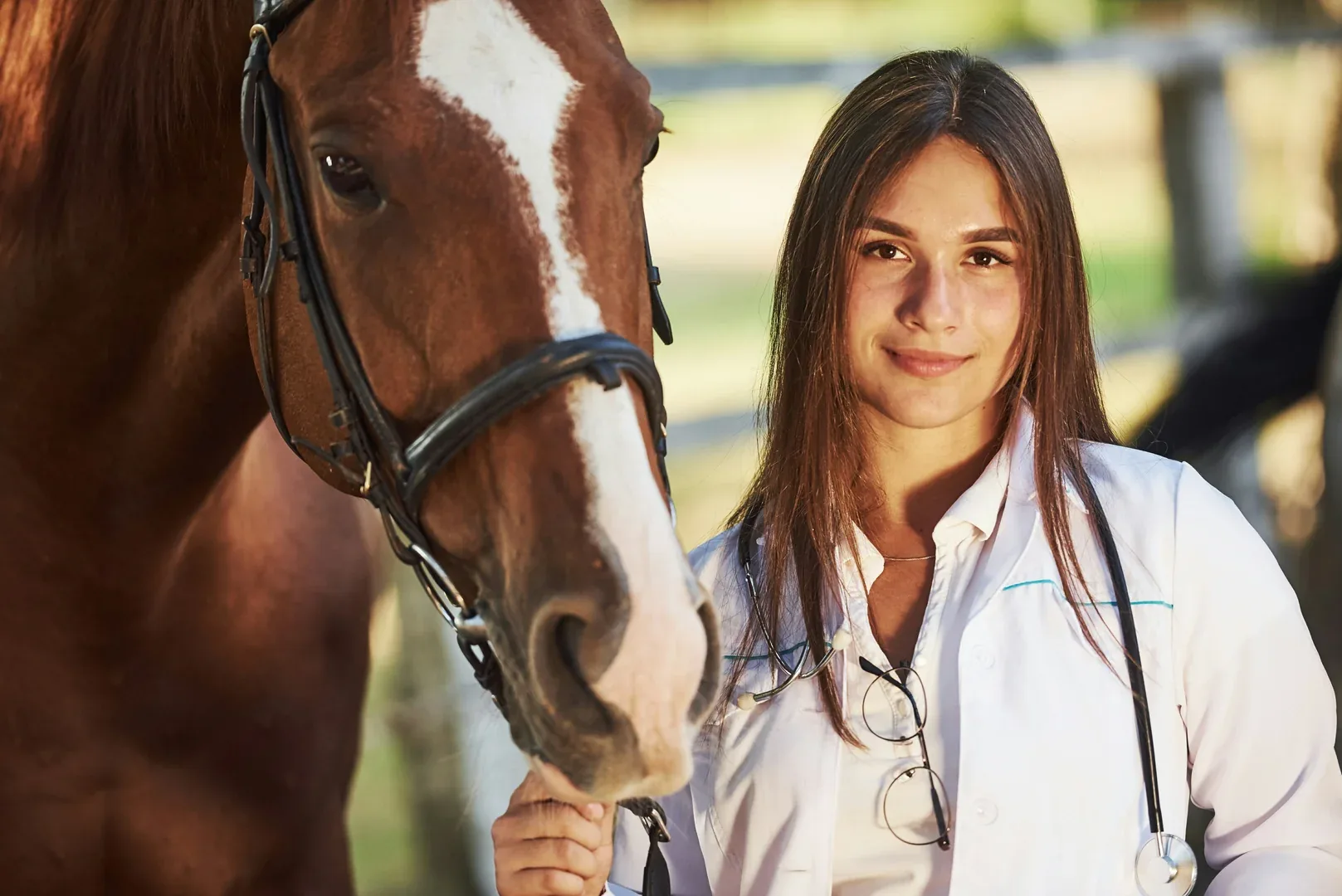
Equine surgery insurance
Horse surgery insurance via nextsure: Three flexible tariffs, reimbursement up to twice the GOT rate, and free choice of clinic worldwide. Protect your horse from high surgery costs – digital, transparent and uncomplicated.
Learn moreCosts and coverage at a glance
The surgical removal of an injured chestnut or a spur is not a standard procedure, but it can quickly incur significant costs. An average operation of this kind, including anaesthesia and aftercare, can cost between €800 and €1,500. The horse surgery insurance usually covers these costs only if there is a clear medical indication. Purely prophylactic or cosmetic removal is not covered by any insurer and is questionable under animal welfare law. Most tariffs provide for a waiting period of at least three months. Before you act, an accurate diagnosis from the vet is crucial for later reimbursement. This first step defines the entire process that follows.
Medical necessity as a decisive factor
Insurers make a strict distinction between necessary and elective procedures. A procedure is considered medically necessary if the chestnut or spur is torn, has become inflamed, or poses an acute risk of injury to the horse. If a veterinarian determines that the structure has been damaged, for example by a paddock accident, and an infection is imminent, this is a classic insurance claim. In such a scenario, a good equine health insurance policy covers the costs after deduction of the excess. Without this finding, the insurer will reject a claim with ninety per cent certainty. Precise documentation by the veterinarian is therefore essential for a smooth settlement. This turns an unclear situation into a clearly defined claim.
Cost analysis: What the procedure really costs
The total costs for the removal of a wolf claw are made up of several items that are often underestimated. A sample calculation quickly shows how a total of over 1,200 euros comes about. The exact amounts are based on the scale of fees for veterinarians (GOT), which can charge one to three times the standard rate.
- General examination and consultation: around 80 euros
- Injection anaesthesia or sedation: between 250 and 400 euros
- The surgical procedure itself: depending on the effort involved, 300 to 500 euros
- Medication and dressing materials: around 150 euros
- Follow-up examination and suture removal: around 100 euros
- Two days’ inpatient stay at the clinic: around 120 euros
This breakdown makes it clear why solid surgery and health insurance can cushion a financial burden of more than a thousand euros. Without insurance cover, horse owners must bear this sum in full themselves.
Insurance terms and conditions in detail: exclusions and waiting periods
The devil is in the detail, or rather in the small print of your insurance policy. Many policies explicitly exclude treatment for congenital malformations and their consequences. A chestnut or a spur can be classified by the insurer as such, which makes cost coverage difficult even when medically necessary. Our expert tip: clarify in writing with your insurer in advance how it classifies the removal of an injured chestnut. In addition, a general waiting period of three months after the contract is concluded applies to most procedures. Only accidents are sometimes covered earlier. A careful look at the policy protects you from unpleasant surprises.
Legal framework: The Animal Welfare Act sets limits
In addition to insurance-related aspects, there is an important legal hurdle to removing wolf claws. The German Animal Welfare Act prohibits, in Section Six, the amputation of body parts without a reasonable, that is, medical, justification. Purely prophylactic removal to prevent future injuries is therefore generally not permissible. This legal requirement is the main reason why insurers generally do not cover such procedures. The veterinarian must certify a clear medical necessity for the procedure to be protected both legally and in insurance terms. This makes it clear that the decision does not rest solely with the horse owner.
Your personalised risk analysis: Find the right cover
Your horse’s health is its most valuable asset, but unexpected operations can quickly become a serious financial burden. Powerful horse surgery insurance protects you against four- or even five-figure veterinary costs and ensures that your horse always receives the best medical care. Choosing the right tariff depends on many factors, such as your horse’s age, the desired level of cover and the excess. A precise analysis of your needs is the first step towards a worry-free life with your horse. Request an individual risk analysis now: have your insurance situation reviewed free of charge and receive specific recommendations for optimisation.
Frequently asked questions
- Does horse surgery insurance cover the cost of removing a dewclaw?
Yes, but only on the condition that the procedure is medically necessary. This means the wolf claw (in horses usually referred to as a chestnut or spur) must be injured, inflamed or torn off and pose a danger to the animal. Preventive removal is excluded.
- What are the veterinary costs for such an operation?
The costs can vary greatly, but are often between €800 and €1,500. This amount includes the preliminary examination, anaesthesia, the surgical procedure itself, medication and aftercare. Billing is carried out according to the Fee Schedule for Veterinarians (GOT).
- What does the exclusion "congenital malformations" mean?
Insurers often exclude cover for treatments attributable to congenital conditions. Since chestnuts and spurs are congenital, an insurer could refuse cover. In the event of an acute injury to this structure, however, the benefit should be provided. A prior enquiry provides clarity.
- Is there a waiting period for this procedure?
Yes, most horse surgery insurance policies have a general waiting period of three months for illnesses and planned operations. In the event of accidents, the waiting period may be shorter or may not apply at all. Please check the exact terms and conditions of your policy.
- What can I do if the insurer refuses to pay?
If the insurer refuses to cover the costs, you should first check the reasons given. Is there a veterinary report on medical necessity? Talk to the insurer and submit all documents. If in doubt, a lawyer specialising in insurance law can help.
- Is horse health insurance here better than standalone surgery cover?
A surgical insurance policy only covers the costs directly associated with the surgical procedure. A horse health insurance policy can also cover the costs of conservative treatments (e.g. for a mild inflammation without surgery) or preliminary diagnostics. In the event of surgery alone, both provide cover.
Sources
- [1]Verbraucherzentrale offers an article on the usefulness of pet health insurance.
- [2]Deutsche Reiterliche Vereinigung (FN) provides information on animal welfare in equestrian sports and horse keeping.
- [3]Bundestierärztekammer provides information on the scale of fees for veterinarians (GOT).
- [4]Tierärztlicher Berufsverband (TVT) offers a position paper on the BMEL guidelines on horse keeping.
- [5]Gesetze im Internet contains the full text of the German Animal Welfare Act.
- [6]Tierspital Zürich provides information on equine surgery.
- [7]Deutsche Reiterliche Vereinigung (FN) provides comprehensive information on horse insurance.
Conclude directly online
Verified partner tariffs at no extra cost. The button takes you straight to the provider's calculator.
 Barmenia
Horse surgery insurance
Surgery cost cover for horses in case of illness and accidents, including diagnostics and after-care.
- Waiting period:
- 3 months (colic surgery: 5 days, accidents: none)
- Coverage abroad:
- worldwide, up to 12 months
- Maximum benefit:
- depends on the cover level, as stated in the policy
- Surgery costs for illness and accidents, including tooth extractions and root canal treatment
- Pre-surgical examination (X-ray, endoscopy, biopsy, lab work)
- After-care including acupuncture, homeopathy, physiotherapy, laser therapy
- Emergency veterinary service up to 4x the standard veterinary fee schedule (GOT) rate plus the emergency callout fee
- Premium cover: up to 5 physiotherapy sessions (max. 60 minutes each) after the after-care period ends
- Once per animal: surgery costs for a birth-related, medically necessary caesarean section
Key exclusions
- Illnesses and developmental abnormalities known at the time of application
- Hoof abscesses and hoof ulcers (exception: hoof cancer)
- Surgery due to cryptorchidism
- Neutering that isn't medically necessary
Service-Champions GOLD: Nr. 1 der Versicherer im Multikanalvertrieb (ServiceValue, 10/2024)
Barmenia (Anbieter der Pferde-OP-Versicherung)
Special waiting periods: 12 months for joint surgery (chip fragments, OC/OCD, Birkeland fractures), 6 months for medically necessary neutering; Premium cover includes a waiver of the insurer's right to cancel from the 7th insurance year.
Fact sheet: benefits, exclusions and waiting periods in detail
All details are taken from the provider's linked product page and the contract documents (IPID/policy conditions) published there; the insurer's documents prevail. Premiums, benefits and the insurance product itself may change – please verify the details directly with the partner before signing up; only the information provided there is binding.
Information last updated: July 2026 · Source: provider product information (IPID/policy conditions)