Goat Liability Insurance: Cover for Hobby Livestock Owners
When pygmy goats are covered by home liability insurance, and when separate animal owner liability cover is required.
All details are taken from the provider's linked product page and the contract documents (IPID/policy conditions) published there; the insurer's documents prevail. Premiums, benefits and the insurance product itself may change – please verify the details directly with the partner before signing up; only the information provided there is binding.
 Katrin StraubManaging DirectorInsurance expert with over 20 years of experience in the insurance industry.
Published on
12 min read
Table of Contents
Goat liability insurance is essential for hobby owners, since Section 833 of the German Civil Code (BGB) imposes unlimited strict liability. Whether pygmy goats are covered under existing home liability insurance depends on the tariff. Special animal owner liability or exotic-animal liability cover is often required, especially if the animals escape and cause traffic accidents or property damage. Carefully checking the tariff protects against coverage gaps.
Hobby-Nutztier-Versicherung
Find personalised tariffs, compare services, and benefit from transparent information and personal advice – digital and straightforward.
Learn moreStrict Liability: The Legal Foundation of Goat Liability Insurance
Unlimited Liability Under Section 833 BGB
Strict liability forms the absolute legal foundation of goat liability insurance. Under Section 833 of the German Civil Code (Bürgerliches Gesetzbuch, BGB), an animal's owner is liable for all damage the animal causes, with no upper limit. This liability applies completely regardless of whether the owner is at fault. If a pygmy goat escapes and causes a traffic accident, the owner is liable with their entire personal assets. Without appropriate insurance, the financial consequences can quickly threaten the owner's very existence [5]. A brief moment of inattention is enough. The law makes no distinction here between a large commercial livestock operation and a private hobby owner. Every owner bears the full risk of an animal's unpredictable nature. A precise risk analysis is therefore essential. Covering this risk isn't a luxury—it's an absolute necessity for every responsible animal owner.
Why Goats Carry Special Risks
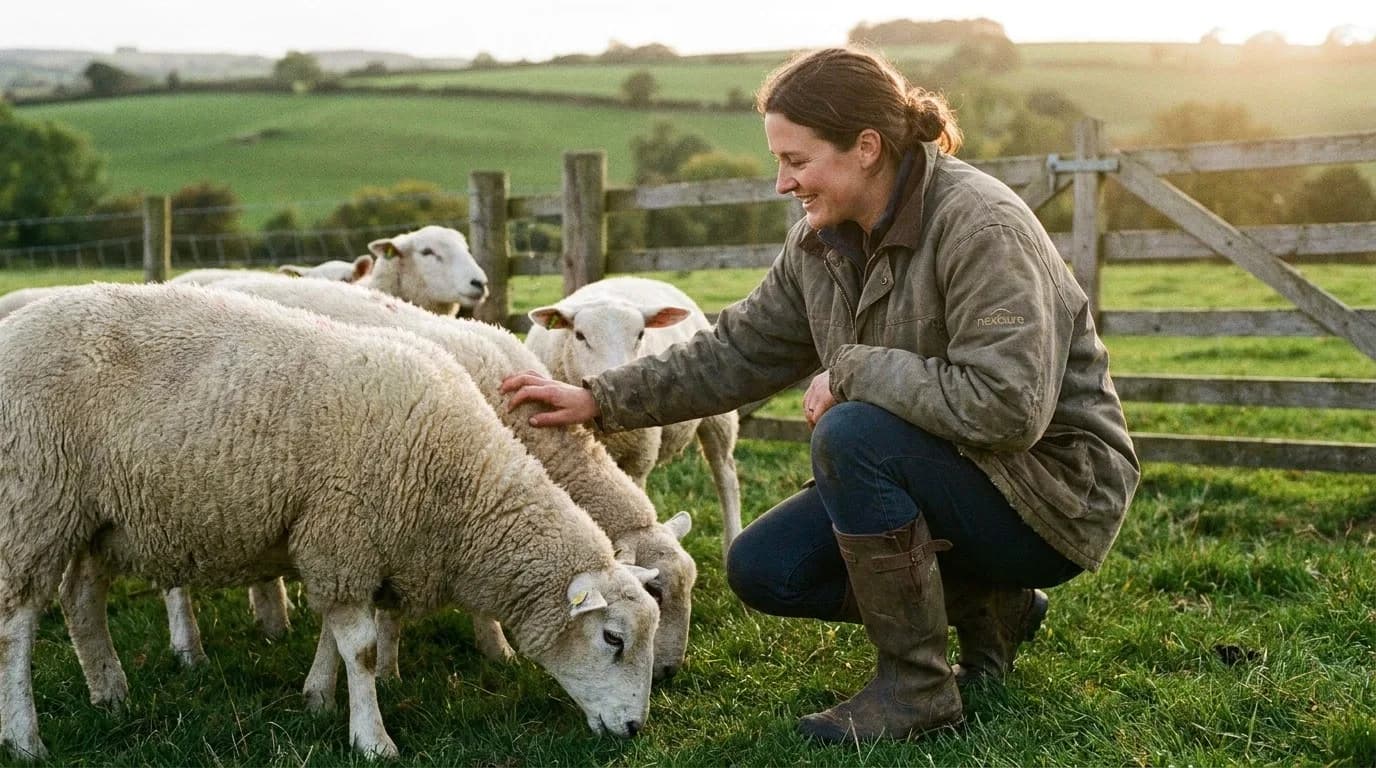
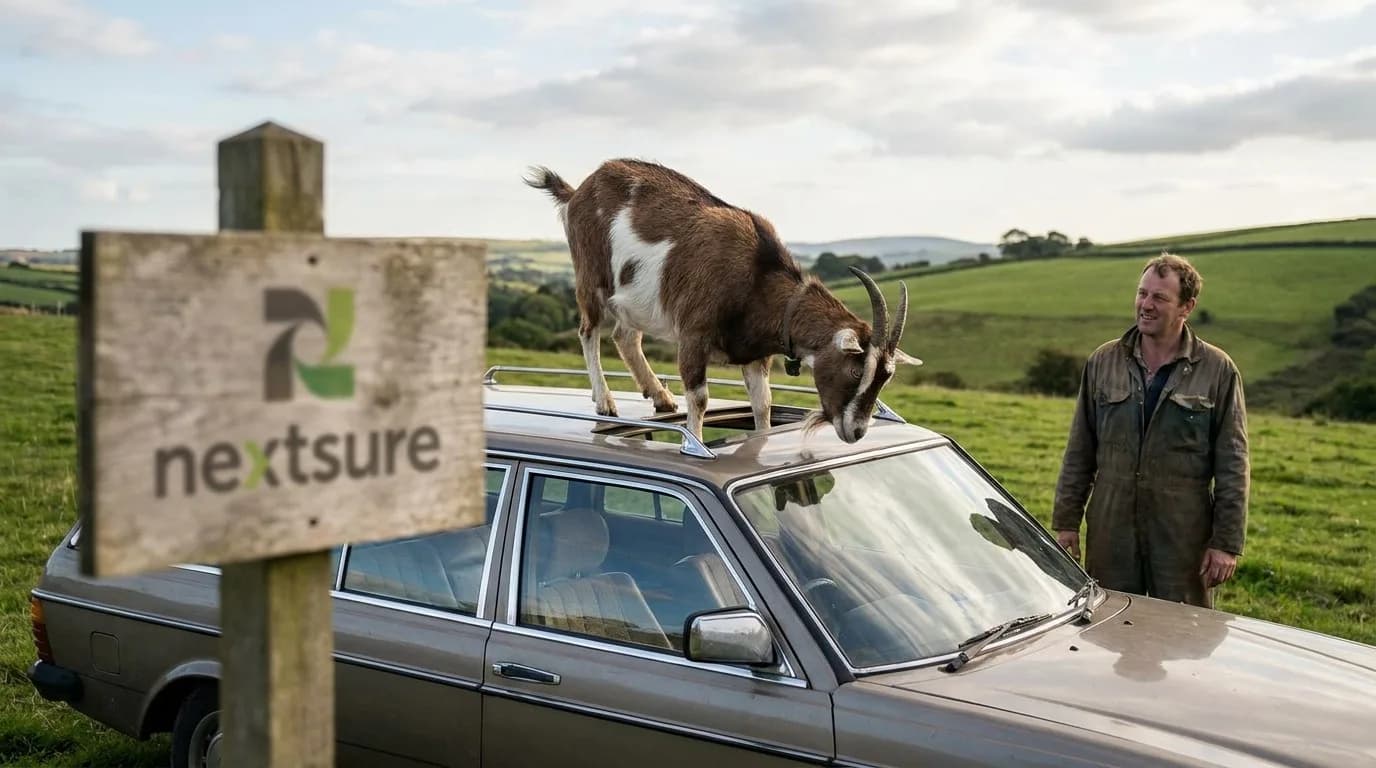
Goats, pygmy goats especially, are known for their pronounced curiosity and enormous love of climbing. Experts consider them notorious escape artists. The Chamber of Agriculture of North Rhine-Westphalia (Landwirtschaftskammer Nordrhein-Westfalen) recommends a secure fence at least 1.2 meters high for pygmy goats. Ideally, this should be a wire fence rather than knotted mesh, to prevent the animals' horns from getting dangerously caught [4]. Despite the best precautions, there's always a residual risk of an escape. Goats often find ways out of even well-secured enclosures. This underscores just how relevant specialized hobby livestock insurance is for every owner. A physical fence only offers limited protection. A policy's financial safety net catches the consequences when the physical barriers fail. The combination of solid fencing and the right insurance forms the optimal safety net.
Personal Injury, Property, and Financial Loss
A well-designed liability policy comprehensively covers personal injury, property damage, and any resulting financial loss. Personal injury, such as can result from a traffic accident caused by an escaped goat, can extremely quickly reach millions of euros. This includes medical treatment costs, pain and suffering compensation, and lifelong loss of earnings. Property damage includes, for example, a neighbor's ornamental garden completely eaten bare, or deep scratches on expensive parked cars. The coverage amount must therefore be set high enough without exception. Experts recommend at least €10 million. This is also the absolute standard for specialized exotic-animal liability tariffs [2]. Lower amounts carry the risk of dangerous underinsurance. In a real case, the owner would have to pay the difference out of their own pocket. A high coverage amount usually costs only a few euros more per year.
Home Liability vs. Animal Owner Liability: Where Goats Belong
Goats Under Home Liability Insurance
Classifying goats under home liability insurance isn't always clear-cut and requires a careful check. Some insurers classify goats, sheep, and chickens as tame pets and include them in especially strong home liability tariffs. ADAC's home liability policy, for example, explicitly covers keeping tame pets and domesticated small animals such as goats and sheep [1]. Still, it's essential to read the general liability terms (Allgemeine Haftpflichtbedingungen, AHB) closely. Many standard tariffs categorically exclude livestock. They limit cover to cats and small pets such as guinea pigs. A simple phone call to the insurer is often not enough. Written confirmation of inclusion is the only reliable document. Without this proof, a nasty surprise looms in the event of a claim.
The Need for Separate Animal Owner Liability Cover
If existing home liability insurance doesn't cover goats, separate animal owner liability cover is essential. These specialized tariffs are designed exactly for the particular risks of keeping livestock. The insurance industry often treats goats similarly to horses or dogs. For these animal types, a standalone policy is already required by law or contract anyway. A combination of liability and veterinary cost cover for goats and sheep provides comprehensive all-round protection for ambitious hobby owners. Such combined products significantly reduce administrative effort. They bundle the most important risks into a single contract. The owner therefore has just one point of contact for everything related to the animal. This considerably simplifies filing a claim and speeds up processing.
Exotic-Animal Liability as an Alternative
For certain breeds or unusual situations, exotic-animal liability cover can be exactly the right choice. Providers such as Cleos Welt offer specialized exotic-animal liability cover. This applies, among other things, to wild goats, wild sheep, alpacas, and llamas [2]. These policies are designed to cover animals that don't fit the classic categories too. Coverage amounts here are often geared to the potentially high risks of these particular animal types. Coverage of €10 million is the rule here. Such specialty tariffs often close gaps that standard insurers leave open. They offer tailored protection for niche hobbies. Digital broker nextsure compares exactly these hand-picked tariffs for its customers, so every owner finds the right cover for their exotic charges.
Hobby Keeping vs. Commercial Use: The Fine Line
Defining Hobby Keeping
The exact definition of hobby keeping is absolutely decisive when choosing a tariff for goat liability insurance. Private hobby keeping generally only applies if the animals aren't kept to generate income. Concretely, this means milk, meat, and offspring must not be sold regularly. The animals serve purely personal enjoyment or pure land management on your own property. Within this narrow scope, private animal owner liability cover or the relevant inclusion applies. As soon as money changes hands, the legal assessment changes drastically. When a claim is made, insurers check very closely whether the keeping still counts as private. An honest self-assessment when taking out the policy is therefore extremely important. False statements inevitably lead to a loss of coverage.
When Keeping Animals Becomes Commercial
As soon as there's an intention to make a profit, insurance needs change fundamentally and require immediate action. If an owner regularly sells goat cheese at the weekly market, or deliberately breeds pygmy goats for sale, the insurer classifies this as a commercial or agricultural activity. In that case, a private policy definitely is no longer enough. Keeping the animals then requires agricultural commercial liability insurance. This involves clearly different risks and entirely different premium structures. Commercial liability also covers product liability risks that arise when selling food. A gradual transition from hobby to side business is common in practice. Owners need to proactively track this development and have their insurance cover adjusted accordingly.
Gray Areas and Reporting Obligations
The line between a pure hobby and a business requiring registration can be very blurry in practice. Occasionally selling offspring to acquaintances may still count as a hobby. However, the boundaries are drawn extremely tightly and vary by insurer. It's essential to transparently disclose to the insurer the exact type and full scope of the animal keeping. If the owner conceals commercial aspects, they risk losing all insurance coverage entirely in the event of a claim. Clear communication with the broker prevents dangerous coverage gaps in a real case. The broker documents the details in a legally sound way. This documentation serves as important evidence should any disagreements arise later during claims processing. Transparency is the best protection against financial loss here.
Scope of Cover: What Matters in the Policy
Choosing Adequate Coverage Amounts
The scope of cover in goat liability insurance must be set high enough without exception, especially for personal injury. Experts recommend a blanket coverage amount of at least €10 to €15 million for personal injury, property damage, and financial loss. The financial risk is simply enormous. In traffic accidents caused by escaped animals, costs add up extremely quickly. Rescue operations, medical treatment, and lifelong pension payments quickly reach millions of euros. A lower coverage amount wouldn't fully absorb these costs. The owner would have to cover the remaining difference from their personal assets, which inevitably leads to financial ruin. Choosing the maximum available coverage amount is therefore always the economically sensible decision for any animal owner.
Rented-Property Damage and Field Damage
A truly good tariff should also fully cover damage to rented immovable property. This is especially relevant if the goat shed or pasture is leased and the animals cause substantial damage there. Equally important is explicit cover for what's known as field damage (Flurschäden). If the pygmy goats escape and completely strip a neighboring farmer's valuable vegetable field bare, the insurance must cover the resulting loss of yield. These specific risks of keeping livestock should be explicitly mentioned in the policy terms. Standard tariffs often exclude field damage. A close look at the terms is therefore essential. Specialized brokers pay close attention to exactly these important details when selecting a tariff, effectively avoiding expensive surprises after an escape.
Third-Party Caretaker Risk and Time Abroad
The so-called third-party caretaker risk is an often overlooked but extremely important part of the policy. If neighbors or friends look after the goats while you're on vacation and a claim arises during that time, the insurance must still reliably pay out. It should also be checked carefully whether cover applies without restriction during temporary stays abroad. This matters if, for example, the animals are transported to a neighboring country for an exhibition. Such fine details distinguish simple basic tariffs from genuine premium ones. Comprehensive cover lets the owner sleep soundly even on vacation. Including unpaid animal caretakers in the cover is a hallmark of good tariffs. It protects not only the owner but also helpful neighbors from financial claims.
Key Benefit Components of Goat Liability Cover
- A blanket coverage amount of at least €10 million.
- Inclusion of rented-property damage on leased pastures or sheds.
- Cover for field damage (for example, grazed-bare neighboring land).
- Inclusion of the third-party caretaker risk during vacation cover.
- Cover for unintended mating (Deckschäden).
These points require explicit mention in the policy's general terms (AHB).
Costs and Tariffs: What Does Cover Cost?
Calculating Premiums for Goats
The cost of goat liability insurance depends on several clearly defined factors. If the animals are included in home liability insurance, there's often no additional premium at all. However, this assumes the tariff is high-quality and current. Separate animal owner liability cover for goats usually costs between €30 and €80 a year. The exact price depends on the number of animals and the coverage amount chosen. There are often attractive discounts when several animals are insured at once. The investment is minimal compared to the potential financial risk. A well-researched tariff comparison helps identify the best value for money on the market.
Deductibles as a Lever
An agreed deductible of, say, €150 or €250 per claim can noticeably lower the annual premium. For hobby owners who would pay for smaller damage—such as a gnawed fence—out of pocket anyway, this is a very sensible option. The insurance then primarily protects against existential large-scale risks. Such large risks typically arise from serious traffic accidents. Choosing the deductible is an important tool for managing costs. Liability questions for privately keeping chickens show very similar mechanisms in premium design. A smart owner weighs the savings against the risk of smaller claims. The deductible often pays for itself fully after just a few claim-free years.
Comparing Pays Off
Since the market for hobby livestock insurance is very specialized, a detailed comparison is always worthwhile. Not every standard provider even has goats in its portfolio. Specialist brokers such as nextsure offer a decisive advantage here. They compare hand-picked tariffs tailored exactly to hobby owners' needs. iMatch GmbH acts as a licensed insurance intermediary under Section 34d(1) of the German Trade Regulation Act (GewO). This not only saves real money, but also ensures there are no dangerous coverage gaps in a real case. Advice from an independent broker is free for the end customer. Compensation comes transparently through commissions from the respective insurance companies. This guarantees an objective, needs-based tariff choice.
| Type of insurance | Coverage amount | Estimated annual premium | Special features |
|---|---|---|---|
| Included in home liability | €10 - 50 million | €0 (included in the tariff) | Only with premium tariffs, careful check needed |
| Separate animal owner liability | €10 - 20 million | €30 - 80 | Often volume discounts from the 2nd animal onward |
| Exotic-animal liability (e.g. wild goats) | €10 million | from approx. €60 | Specialty tariffs for particular breeds |
Premiums are for guidance and depend on individual factors.
Loss Prevention: Fencing and Supervision
Secure Fencing as a Basic Requirement
Active loss prevention necessarily starts with secure, species-appropriate fencing for pasture areas. Pygmy goats need a sturdy fence at least 1.2 meters high. Experts often recommend a special wire fence. In knotted mesh, the animals can get their horns caught and injure themselves badly [4]. An inadequate fence can cause serious problems with the insurer in the event of a claim. If gross negligence is found, the insurer can reduce or fully refuse to pay out. Investing in solid fencing is therefore essential. It protects not just the animals but also the owner's wallet. Regularly checking the fencing is an absolute must for every responsible goat owner.
Duty of Supervision and Documentation
Owners have a legally established duty to supervise their animals. Even if goats seem to be standing safely in the pasture, fences must be checked regularly and thoroughly. It's strongly advisable to document these checks in writing. In the event of an escape, proof of regular fence maintenance can help enormously. It effectively rebuts an accusation of gross negligence. The same applies analogously to cover for other small livestock such as Ouessant sheep. A simple pasture logbook is often enough as proof. Anyone who can demonstrably show they've met their duty of care has a much stronger position when a claim is settled. The insurer rewards this proactive risk management in a real case.
What to Do When a Claim Occurs
If a claim actually occurs, quick, level-headed action is called for. The incident must be reported to the insurer immediately, ideally the same day. Photos of the scene, the damaged fence, and the damage caused are extremely important for smooth claims processing. Owners are better off not making any hasty admissions of fault at the scene. Determining liability legally is solely the insurer's job. It also consistently fends off unjustified claims from third parties. This function is known as passive legal defense and is a core part of every liability policy. A rash admission of fault can jeopardize your coverage. Staying calm and contacting your broker is the best strategy.
Additional Cover for Goat Owners
Health and Surgery Insurance
For goat owners, additional cover beyond pure liability insurance is often very worthwhile financially. Besides goat liability insurance, the animals' health cover is increasingly coming into focus. Veterinary costs can extremely quickly reach four-figure amounts for complex surgery or chronic illness. General animal health insurance or special surgery cost cover tariffs effectively cushion these enormous financial burdens. Modern veterinary medicine is expensive and often requires specialized clinics. Providers such as GHV Versicherung also offer animal life insurance. This pays financial compensation for death or necessary emergency euthanasia of the animals [3]. Comprehensive health management protects both the animal and the owner's budget alike.
Legal Protection for Animal Owners
Specialized legal expenses insurance for animal owners is an extremely worthwhile addition to your existing coverage. It reliably kicks in when lengthy legal disputes arise—for example, if a neighbor claims the goats are too loud, or if there's a dispute over exactly who's at fault in a traffic accident. Liability insurance fends off unjustified claims, but it only acts defensively. If the owner wants to actively assert claims themselves, only legal expenses insurance helps. This is the case if, say, a stray dog kills the owner's own goats and the dog's owner refuses to pay. Legal expenses insurance then covers the resulting legal and court costs, ensuring a level playing field in court.
Theft Insurance for Valuable Animals
Especially for rare breeds or very valuable breeding animals, theft insurance can be extremely worthwhile. Unfortunately, goats are occasionally stolen directly from remote pastures. Some specialized animal life insurance policies already include theft risk as standard [3]. For hobby owners with just a few animals, this is often an optional add-on. For high-value animals, however, it means noticeably calmer nights. Financial loss from theft can be considerable, especially if a lot of time and money has been invested in breeding. A precise valuation of the animals before taking out the policy is essential here. Only this way is it guaranteed that the actual replacement value is reimbursed in the event of a claim.
Frequently asked questions
- Do I Need Animal Owner Liability Insurance for a Goat?
Yes. Goat owners are subject to strict liability under Section 833 BGB and are liable without limit for damage caused. Whether separate animal owner liability cover applies, or the animals are included under home liability insurance, depends on the specific tariff.
- Are Pygmy Goats Covered Under Home Liability Insurance?
That depends on the tariff. Some strong home liability policies include tame pets such as pygmy goats and sheep at no extra premium. However, many standard tariffs only cover small animals such as cats or guinea pigs. Getting written clarification from the insurer creates legal certainty here.
- Does the Insurance Pay If My Goat Escapes and Causes Damage?
Yes, existing liability insurance for the goat covers the cost of personal injury, property damage, and financial loss caused by the escaped animal. The condition is that the owner hasn't grossly negligently breached their duty of care (for example, by keeping fences intact).
- How Many Goats Can I Insure as a Hobby Owner?
The number of goats that can be insured under hobby keeping varies by provider. Small herds (for example, up to 5 or 10 animals) can often be covered under private tariffs without issue. For larger herds, the insurer checks whether the keeping already counts as agricultural or commercial.
- Is Keeping Several Goats Still Private, or Already Commercial?
The line between private and commercial is drawn at the intention to make a profit. As long as owners don't regularly sell products (milk, meat) or offspring, and keep the animals purely for enjoyment, this counts as private hobby keeping. Once there's income, commercial liability insurance is required.
- What Does Liability Insurance for Goats Cost?
If the goats aren't included in home liability insurance at no extra premium, separate animal owner liability cover for hobby livestock usually costs between €30 and €80 a year. The exact premium depends on the number of animals, the coverage amount, and any deductible.
Sources
Conclude directly online
Verified partner tariffs at no extra cost. The button takes you straight to the provider's calculator.
 Cleos Welt
Small pet insurance
Health insurance for small mammals, birds, and reptiles: reimburses surgery, treatment, and after-care costs up to the agreed maximum veterinary fee schedule (GOT) rate.
- Waiting period:
- 30 days, 6 months for specific surgeries
- Coverage abroad:
- up to 12 months
- Age-based adjustment:
- 3% premium increase per year
- Surgery, treatment, and after-care up to the agreed maximum GOT rate
- Medication as well as boarding and feeding during clinic stays
- Specific surgeries (egg binding, otitis, malocclusion) after a 6-month waiting period
- Remote diagnostics and consultation with a veterinarian
- Optional: vaccinations, neutering, physiotherapy, and supplemental dental cover
- Accidents are covered with no waiting period
Key exclusions
- Pre-existing conditions and treatments recommended before the policy started
- Myxomatosis/RHD in rabbits without proof of vaccination
- Neutering/spaying without a separate agreement
- Damage from Encephalitozoon cuniculi without a negative test (test max. 1 year old)
Google Rezensionen: 4,5/5 Sterne (210 Bewertungen)
Cleos Welt insgesamt (Anbieterbewertung, alle Versicherungen)
Cancellation possible at any time with 14 days' notice; sum insured and deductible (Selbstbeteiligung) as stated in the policy. Insurer: Uelzener Allgemeine Versicherungs-Gesellschaft a.G.
Fact sheet: benefits, exclusions and waiting periods in detail
All details are taken from the provider's linked product page and the contract documents (IPID/policy conditions) published there; the insurer's documents prevail. Premiums, benefits and the insurance product itself may change – please verify the details directly with the partner before signing up; only the information provided there is binding.
Information last updated: July 2026 · Source: provider product information (IPID/policy conditions)