Waiting period for colic surgery: really only 5 days?
Barmenia cuts the colic waiting period to five days. How the deadline is counted, and why the first symptom decides whether cover responds.
All details are taken from the provider's linked product page and the contract documents (IPID/policy conditions) published there; the insurer's documents prevail. Premiums, benefits and the insurance product itself may change – please verify the details directly with the partner before signing up; only the information provided there is binding.
 Katrin StraubManaging DirectorInsurance expert with over 20 years of experience in the insurance industry.
Published on
8 min read
Table of Contents
Under the Barmenia horse surgery policy, the waiting period for colic surgery is just five days. This article unpicks the exact clauses, explains the critical line drawn at the first symptom, and sets out which surgical and clinic costs are covered.
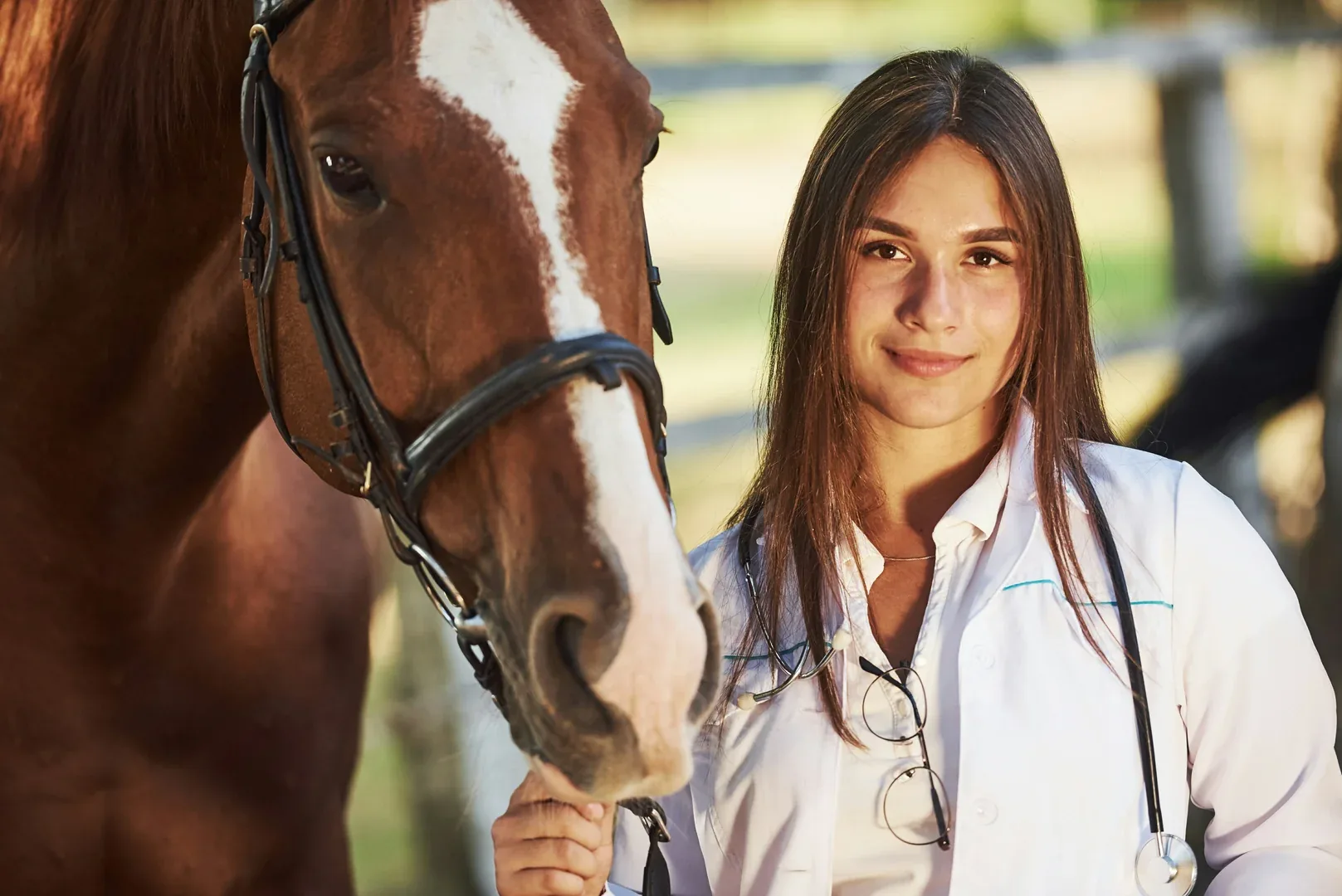
Equine surgery insurance
Horse surgery insurance via nextsure: Three flexible tariffs, reimbursement up to twice the GOT rate, and free choice of clinic worldwide. Protect your horse from high surgery costs – digital, transparent and uncomplicated.
Learn moreSaving a life against the clock: why colic surgery carries a 5-day wait
A hoof scraping sharply at the ground, an anxious glance at the flank, a horse going down suddenly in its box: colic symptoms are among the signs owners dread most. In equine medicine, a painful displacement or twist of the intestine follows one simple rule — time is life. If the vet cannot clear the blockage by conservative means, the only route left is often straight onto the table at an equine clinic.
The financial peak after the GOT reform
Since the scale of fees for veterinary surgeons (GOT) was revised, abdominal surgery has become markedly more expensive. Where such a procedure once cost between 5,000 and 8,000 euros, the total bill including out-of-hours surcharges and intensive care now often reaches 12,000 to 15,000 euros. Without the right cover, a surgical emergency puts many owners in an impossible position.
A special rule for emergencies: 5 days instead of 3 months
To give owners quick backing at that critical moment, the waiting period for colic surgery carries an important exception. General illness is subject to a standard deadline of three months under the policy conditions, but for abdominal surgery (colic) clause 2.2.2 shortens the waiting period to just five days.
That short deadline means a newly insured horse is protected against the most expensive surgical emergencies within days of the contract being signed. Even so, exactly how those five days are counted raises questions in practice.
Clause 2.2.2 in detail: from what moment does cover apply?
Pinning down when cover starts means reading the conditions of Barmenia Allgemeine Versicherungs-AG (as at 01.01.2024, document A 3726-02) closely. Clause 2.2.1 provides that cover for each insured animal begins only once the agreed waiting period has run.
Counting the 5 days from the start of cover
The five-day period for abdominal surgery starts exactly at the commencement date recorded in the policy schedule. If cover is agreed to start on 1 May at 00:00, the waiting period expires precisely on 5 May at 24:00. Only from 6 May at 00:00 is there a full claim to reimbursement of veterinary services for colic surgery.
How the waiting periods compare
Set against other operations, Barmenia's waiting periods are unusually consumer-friendly here. Other illnesses and chronic conditions demand a longer run-up, while the special rule for abdominal surgery reflects how acutely an emergency it is.
| Type of operation / condition | Standard waiting period | Contractual basis |
|---|---|---|
| Abdominal surgery (colic) | 5 days | Clause 2.2.2 |
| General illness | 3 months | Clause 2.2.2 |
| Joint surgery (chips, OCD) | 12 months | Clause 2.2.3.1 |
The distinction makes the purpose of the deadline plain: it stops anyone insuring an animal that is already ill, while still guaranteeing full protection against life-threatening emergencies within days.
The symptom trap: what if the first signs fall inside the deadline?
One of the commonest reasons a claim is declined after surgery is the timing of the first signs of illness. The conditions are unambiguous on this: where clinically relevant symptoms or the diagnosis predate the start of cover, or fall inside the waiting period, that illness and its consequences are permanently uninsured.
What counts as a clinically relevant symptom
Vets take clinically relevant symptoms to mean any visible or medically measurable sign of a disturbance in the digestive tract: refusing feed, scraping more than usual, flehmen, a raised pulse on palpation, reduced gut sounds or restlessness. If a horse shows its first signs of pain on day 4 after cover starts and has to be operated on day 6, the claim falls under the exclusion.
Why waiting it out is a bad idea
Some owners are tempted at this point to delay calling the vet until the five days are up. That is dangerous on animal-welfare grounds and useless legally. The equine clinic documents the course of the illness and the onset of symptoms precisely in its report. Delaying treatment also worsens the horse's chances of survival. The relevant contractual exclusions apply irrevocably once signs have appeared before the deadline.
- Symptoms starting before the deadline permanently exclude the underlying cause of that colic.
- The clinic's veterinary records are what the insurer treats as decisive evidence.
- Delaying treatment endangers the horse's life and changes nothing legally.
Signing up well before anything looks amiss is the reliable way past this trap.
The insured event: from the work-up to aftercare
Where colic strikes after the five-day waiting period with no earlier symptoms, the policy provides comprehensive cover. Clause 2.1.2.1 defines when the insured event begins: where an operation is carried out, it starts with the examination that was needed to establish the diagnosis.
What is reimbursable
Cover is by no means confined to the incision in theatre. Insured are all costs actually incurred and invoiced for veterinarily necessary procedures under general or partial anaesthetic and under sedation.
Inpatient stay and aftercare
A successful claim for colic surgery spans several phases of treatment. Alongside the procedure, policies reimburse the necessary stay at the equine clinic and the vet's aftercare.
- Pre-operative examinations on the day before and the day of the operation.
- The surgery itself, including anaesthesia, medication and consumables.
- Accommodation and feed at the equine clinic for up to 10 calendar days after the operation.
- Veterinary aftercare up to the 14th day following the procedure.
Covering those phases keeps owners financially protected through the most intensive period of care after major abdominal surgery.
Exclusions: which colic costs are not reimbursed
Surgery-only cover offers essential protection when an operation is needed, but it does not pay for every kind of colic treatment. Owners should know exactly where the policy stops, to avoid misunderstandings at claim stage.
Where conservative colic treatment sits
Most colic cases respond to conservative therapy and never need surgery at all: for only around 20 to 30 per cent of affected horses is an operation the only way to save them. Conservative treatment means antispasmodics, painkillers, fluids or relieving pressure through a nasogastric tube. If the horse is moved to a clinic for observation and treated there without an incision, a surgery-only policy does not cover those costs.
The specific exclusions in clause 3.2
Clause 3.2 lists further items expressly outside cover. Along with the excess you have chosen, owners should factor these into their planning.
| Element of cover | Status under a surgery policy | Contractual basis |
|---|---|---|
| Abdominal surgery under anaesthetic | Insured | Clause 2.1.1.1 |
| Conservative colic treatment without surgery | Not insured | Clause 2.1.1.1 |
| General transport costs to the clinic | Not insured | Clause 3.2 e |
| Dietary and supplementary feed | Not insured | Clause 3.2 f |
Anyone who wants conservative treatment covered as well needs comprehensive equine health insurance on top.
Practical advice: protecting your claim when it matters
In an emergency, decisions have to be made under great emotional pressure. Preparing properly helps you keep a clear head and protect your claim against the insurer.
Talk openly to the clinic and your vet
Tell the treating vet or the clinic's management about your horse surgery insurance as soon as the horse is admitted. Ask for the findings of the initial examination and the precise reason for operating to be documented in the clinical record — those entries are what later decide whether the claim is accepted.
An emergency checklist
- Check when cover started: make sure the five-day colic waiting period had fully run before the first symptoms appeared.
- Secure the documentation: ask the vet for the examination report stating exactly when symptoms began.
- Submit the invoices: send the itemised vet's bill to the insurer promptly after discharge.
At nextsure we support you with digital comparisons and straight advice, so you pick exactly the right cover for your horse. Our online process keeps policies and conditions in view at all times — digital, secure and tailored.
Frequently asked questions
- What if my horse gets colic on day 3 after signing?
If the first clinically relevant colic symptoms appear within the five-day waiting period, cover does not respond. Under clause 2.2.2, the illness and everything arising from it are permanently excluded.
- What does colic surgery on a horse cost?
Since the scale of fees for veterinary surgeons (GOT) was revised, costs have risen sharply. Colic surgery can run to between 12,000 and 15,000 euros today. Solid surgery cover absorbs that risk.
- Is the clinic stay after colic surgery paid for too?
Yes. The Barmenia horse surgery policy reimburses the cost of a stay at an equine clinic. Under the conditions, accommodation costs are covered up to the 10th calendar day after the operation.
- Does horse surgery insurance pay for conservative treatment?
No. Surgery-only policies respond only where a procedure takes place under anaesthetic or sedation. Conservative therapy with fluids and medication, which often costs 500 to 1,500 euros a day, is not insured under this type of policy.
- Are the examinations before and after colic surgery covered?
Yes. The insured event includes the pre-operative examinations on the day before or the day of surgery that established the diagnosis. Veterinary aftercare up to the 14th day after the operation is covered as well.
Sources
Conclude directly online
Verified partner tariffs at no extra cost. The button takes you straight to the provider's calculator.
 Barmenia
Horse surgery insurance
Surgery cost cover for horses in case of illness and accidents, including diagnostics and after-care.
- Waiting period:
- 3 months (colic surgery: 5 days, accidents: none)
- Coverage abroad:
- worldwide, up to 12 months
- Maximum benefit:
- depends on the cover level, as stated in the policy
- Surgery costs for illness and accidents, including tooth extractions and root canal treatment
- Pre-surgical examination (X-ray, endoscopy, biopsy, lab work)
- After-care including acupuncture, homeopathy, physiotherapy, laser therapy
- Emergency veterinary service up to 4x the standard veterinary fee schedule (GOT) rate plus the emergency callout fee
- Premium cover: up to 5 physiotherapy sessions (max. 60 minutes each) after the after-care period ends
- Once per animal: surgery costs for a birth-related, medically necessary caesarean section
Key exclusions
- Illnesses and developmental abnormalities known at the time of application
- Hoof abscesses and hoof ulcers (exception: hoof cancer)
- Surgery due to cryptorchidism
- Neutering that isn't medically necessary
Service-Champions GOLD: Nr. 1 der Versicherer im Multikanalvertrieb (ServiceValue, 10/2024)
Barmenia (Anbieter der Pferde-OP-Versicherung)
Special waiting periods: 12 months for joint surgery (chip fragments, OC/OCD, Birkeland fractures), 6 months for medically necessary neutering; Premium cover includes a waiver of the insurer's right to cancel from the 7th insurance year.
Fact sheet: benefits, exclusions and waiting periods in detail
All details are taken from the provider's linked product page and the contract documents (IPID/policy conditions) published there; the insurer's documents prevail. Premiums, benefits and the insurance product itself may change – please verify the details directly with the partner before signing up; only the information provided there is binding.
Information last updated: July 2026 · Source: provider product information (IPID/policy conditions)