Renovation loan for water damage
Repair water damage & bridge the financing gap. Find out how a renovation loan can help when insurance doesn’t pay out in full.
 Katrin StraubManaging DirectorInsurance expert with over 20 years of experience in the insurance industry.
Published on
Last updated on
3 min read
Table of Contents
Renovation loan for the remediation of water damage: your guide to financing and restoration
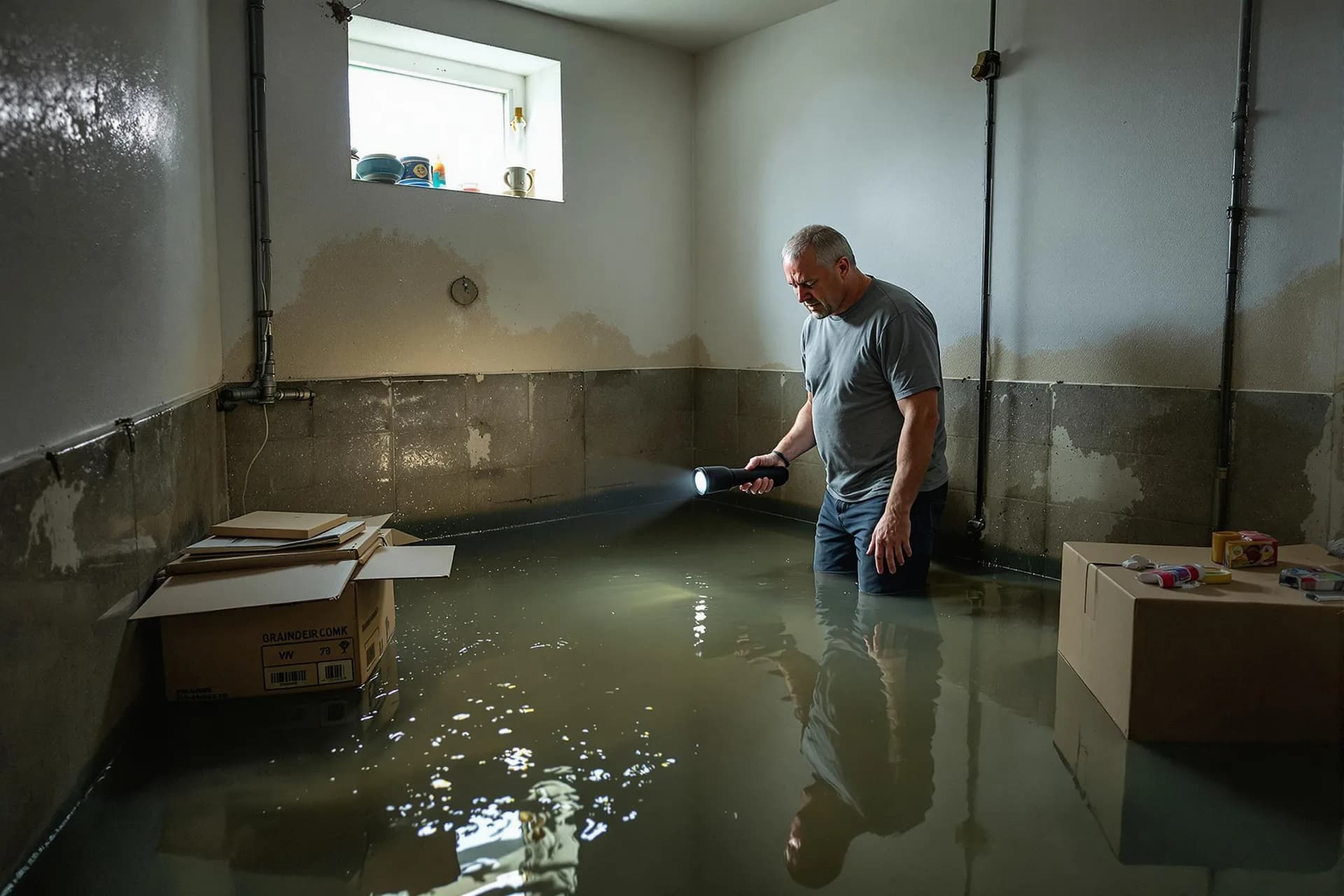
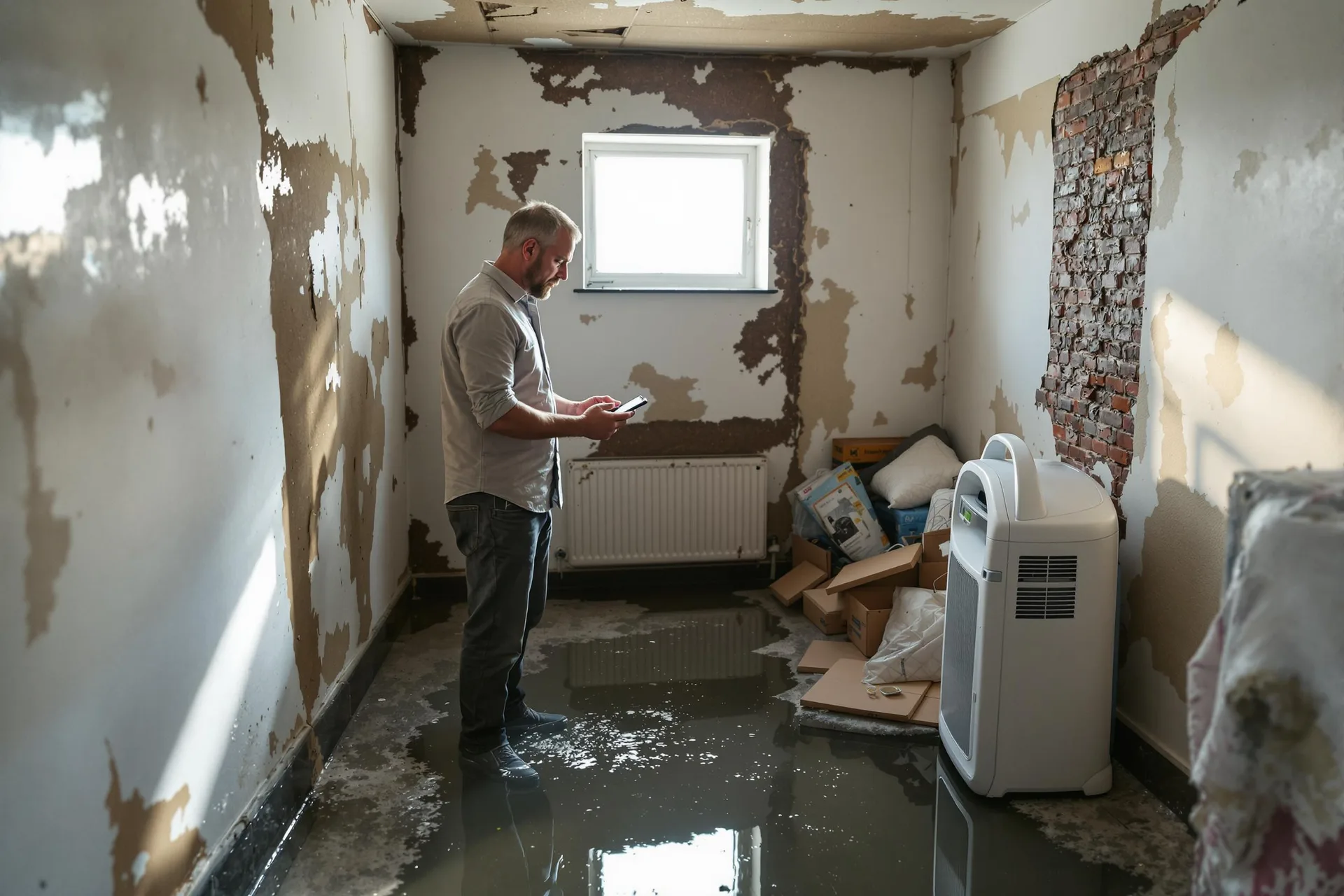
A water leak can hit property owners unexpectedly and quickly cause costs of several thousand euros. If the insurance does not cover the entire damage, the financial burden becomes enormous. This article shows you how a renovation loan for the remediation of water damage provides quick relief and which steps lead to successful restoration.
Water damage discovered: immediate measures to limit the damage
If you discover water damage, every minute counts when it comes to minimising costs. Turn off the main water tap and the power supply in the affected area immediately to prevent consequential damage. Document the damage comprehensively with photos from different angles before changing anything; these images are crucial for the insurance claim. Even minor water damage from pipes can quickly lead to costs of several thousand euros. Your first duty as the policyholder is the so-called duty to mitigate damage, which means that you must actively take measures to limit the damage. After these initial steps have been completed, the key question of cost coverage arises.
Check coverage: Which insurance pays for water damage
The handling of a water damage claim depends on the cause and the property damaged. In principle, two types of insurance are relevant: The buildings insurance covers damage to the building itself, namely to walls, floors and fixed installations. Damage to your movable belongings such as furniture, carpets and electrical appliances is covered by household contents insurance. A critical gap in insurance cover often exists for damage caused by natural events. For flooding caused by heavy rain or high water, you need additional natural hazard insurance. Alarmingly, in 2023 only 54 per cent of homeowners in Germany had this important cover. A careful review of your insurance policies is therefore the next crucial step.
Closing the financing gap: when insurance does not pay in full
There are several reasons why an insurer may reduce or refuse payment. Often, certain causes such as backflow from the sewer system are not included in the basic tariff, or gross negligence is alleged. Underinsurance can also lead to deductions if the insured sum is lower than the actual value. In such cases, a financing shortfall arises, which can quickly amount to €10,000 or more. It is precisely for this difference that a renovation loan for the remediation of water damage is designed. It bridges the missing sum and ensures that the refurbishment does not fail due to a lack of financial resources. This makes the loan an important tool for preserving the value of your property.
Renovation loan as a flexible solution for water damage
A renovation loan is generally an instalment loan that does not necessarily have to be secured by a land registry entry. Banks often offer such loans for amounts between €1,500 and €100,000, which covers most restoration costs after water damage. The major advantage is the rapid availability; after an online application, disbursement is often possible within 48 hours. This is particularly important, as delayed remediation can lead to consequential damage such as mould, the removal of which drives costs up further. A quick loan approval is therefore essential. The flexibility of terms from twelve to 120 months allows the instalments to be tailored to your financial situation.
Apply for a loan: Four steps to financing your renovation
The route to the right renovation loan can be broken down into four clear steps:
- Assess the extent of the damage: Obtain at least two to three detailed quotes from specialist contractors. These serve as the basis for the loan amount required.
- Define the financing requirement: Deduct the expected insurance benefit and any personal funds from the estimated total costs. The difference is the loan amount you need.
- Compare loan offers: Check the terms and conditions of different providers. Pay attention not only to the interest rate, but also to the option of making unscheduled repayments. An online loan comparison can save time here.
- Submit an application: Send in the required documents such as proof of income and the quotes. A fully digital process significantly speeds up approval.
Careful preparation of these four points is the basis for fast and successful financing.
Expert tips: Avoid legal pitfalls and make use of tax advantages
When renovating, pay attention to a few important details to optimise the financial outcome. Our expert tip: You can claim the labour, travel and machinery costs of tradespeople’s services for tax purposes. Per year, you can deduct twenty per cent of up to 6,000 euros, which means a tax saving of up to 1,200 euros. It is important that the invoice itemises these costs separately and is paid by bank transfer. If the renovation also includes an energy-efficient modernisation, such as installing better windows, KfW funding could even be an option, although it must be applied for before work begins. A look at the details in the insurance conditions, as discussed in judgments of the Federal Court of Justice (BGH) concerning leaking joints, can also provide information about the obligation to pay benefits. A careful review of insurance details is essential.
Prevention as the best strategy: avoiding future water damage
After a successful refurbishment, prevention is the best protection against future damage. Regular maintenance is a key component of this. Here are some effective measures:
- Check all water-bearing hoses at least once a year, such as those on washing machines and dishwashers.
- Install water detectors in at-risk areas such as the cellar or bathroom. These often cost less than 20 euros each.
- Have the watertightness of silicone seals in the bathroom checked by a professional every two years.
- Ensure you have comprehensive insurance cover that also includes natural hazards, so you are prepared for any eventuality.
A well thought-out concept for protecting your home and living space not only minimises risks, but also provides financial security. This ensures that the next heavy downpour does not trigger panic.
Conclusion: Tackling water damage with the right strategy
Water damage is a serious burden, but not an unsolvable problem. A structured approach involving immediate action, careful documentation and clear communication with the insurer forms the first line of defence. Where insurance cover ends, a flexible renovation loan for the remediation of water damage provides the necessary financial bridge to carry out the refurbishment without compromise and safeguard the value of your property. By taking advantage of tax benefits and investing in preventive measures, you can turn an emergency into an opportunity to make your home more resilient and secure. Request an individual risk analysis now: Have your insurance situation checked free of charge and receive specific recommendations for improvement.
Frequently asked questions
- Which insurance covers water damage?
That depends on the cause and location of the damage. Buildings insurance covers damage to the building itself. Contents insurance covers movable items. The liable party's private liability insurance applies if you cause damage to third parties (e.g. neighbours). Damage caused by flooding or heavy rain requires separate natural hazards insurance.
- What do I do if my insurance refuses to pay for the water damage?
First, check the insurer’s reasoning and your policy document. Often, this is due to uninsured risks such as gross negligence or a lack of natural hazard cover. If you consider the refusal unjustified, you can lodge an appeal and contact a solicitor specialising in insurance law or the insurance industry’s ombudsman. In the meantime, a renovation loan can finance the necessary repairs.
- Is a renovation loan for water damage earmarked for a specific purpose?
This varies depending on the provider. Many renovation loans are issued as unsecured instalment loans, which gives you flexibility. However, purpose-bound home improvement loans can often offer lower interest rates, as the bank assesses the property as collateral. Compare the terms carefully.
- What documents do I need to apply for a loan for water damage restoration?
As a rule, you will need recent proof of income (e.g. your last three payslips), a copy of your identity card, your bank statements and detailed quotes from the tradespeople who are to carry out the renovation.
- Does KfW funding cover refurbishment after water damage?
Pure remediation of damage is generally not funded by KfW. However, if you combine the renovation with measures to improve energy efficiency (e.g. insulating damp basement walls) or to make the property more suitable for older people, you can apply for KfW funding for these specific measures in the form of grants or low-interest loans. It is important to submit the application before work begins.
- What is the best way to prevent future water damage?
Regular maintenance is essential. Check hoses on household appliances, service your heating system and inspect seals. Installing water shut-off systems or smart water detectors can help identify and limit damage at an early stage. However, the most important step is comprehensive insurance cover, including cover for natural hazards.
Sources
- [1]Statista offers statistics on claims expenditure in residential building insurance in Germany.
- [2]The Federal Statistical Office (Destatis) provides information on water management.
- [3]The German Technical and Scientific Association for Gas and Water (DVGW) publishes gas and water statistics.
- [4]The German Insurance Association (GDV) offers an article on the topic of water damage.
- [5]The German Environment Agency provides comprehensive information on the topic of water.
- [6]An extensive data collection on the topic of water can be found at the German Environment Agency.
- [7]The German Environment Agency provides specific data on water management.
- [8]Information on water resources and their use is provided by the German Environment Agency.