Private aircraft hull insurance Germany
Protect your aircraft in the best possible way. Find out everything about the costs, cover and rates of private aircraft hull insurance in Germany.
 Katrin StraubManaging DirectorInsurance expert with over 20 years of experience in the insurance industry.
Published on
Last updated on
4 min read
Table of Contents
A private aircraft is a significant investment, yet even a small mistake on the ground can cause damage worth six figures. Statutory liability insurance alone does not protect your own aircraft from the financial consequences. Find out how the right private aircraft hull insurance in Germany protects your assets.
Foundation of protection: analysing the core benefits of comprehensive car insurance
The hull insurance covers damage to the aircraft itself that occurs during operation in the air or on the ground. A typical policy provides protection in the event of accidents, such as damage to the undercarriage after a heavy landing. Many policies are based on all-risks cover, which includes all risks not explicitly excluded. This often also covers damage caused by fire, theft, vandalism or natural events such as storms and hail. Damage to a Cessna 172 can quickly result in costs of more than EUR 50,000. Comprehensive aircraft hull insurance is therefore essential. This turns a potentially ruinous incident into an insurable event that can be calculated.
Understanding cost factors: How your insurance premium is made up
The premium for private aircraft hull insurance in Germany is determined by a wide range of factors. The value of the aircraft is the primary driver; a Beechcraft Bonanza valued at 400,000 euros costs more than an ultralight aircraft worth 80,000 euros. The pilot’s experience also plays a crucial role; a pilot with more than 500 flight hours often receives a discount of up to twenty per cent. The aircraft’s usage, whether purely private or also for training, also affects the premium. Even increasing the excess by 2,000 euros can reduce the annual premium by several hundred euros.
The exact calculation takes into account, among other things, the following points:
- Aircraft type and age of the aircraft.
- Insured sum, which usually corresponds to the market value.
- Qualification and total flight hours of the named pilots.
- Geographical scope, for example Germany only or all of Europe.
- Chosen excess in the event of a claim, often between 2,500 and 10,000 euros.
- No-claims discount, which can amount to up to twenty per cent for accident-free flying.
These factors enable a risk-appropriate assessment, which is crucial for a safe leisure flight in Europe.
Real-world damage scenarios: Cost examples from practice
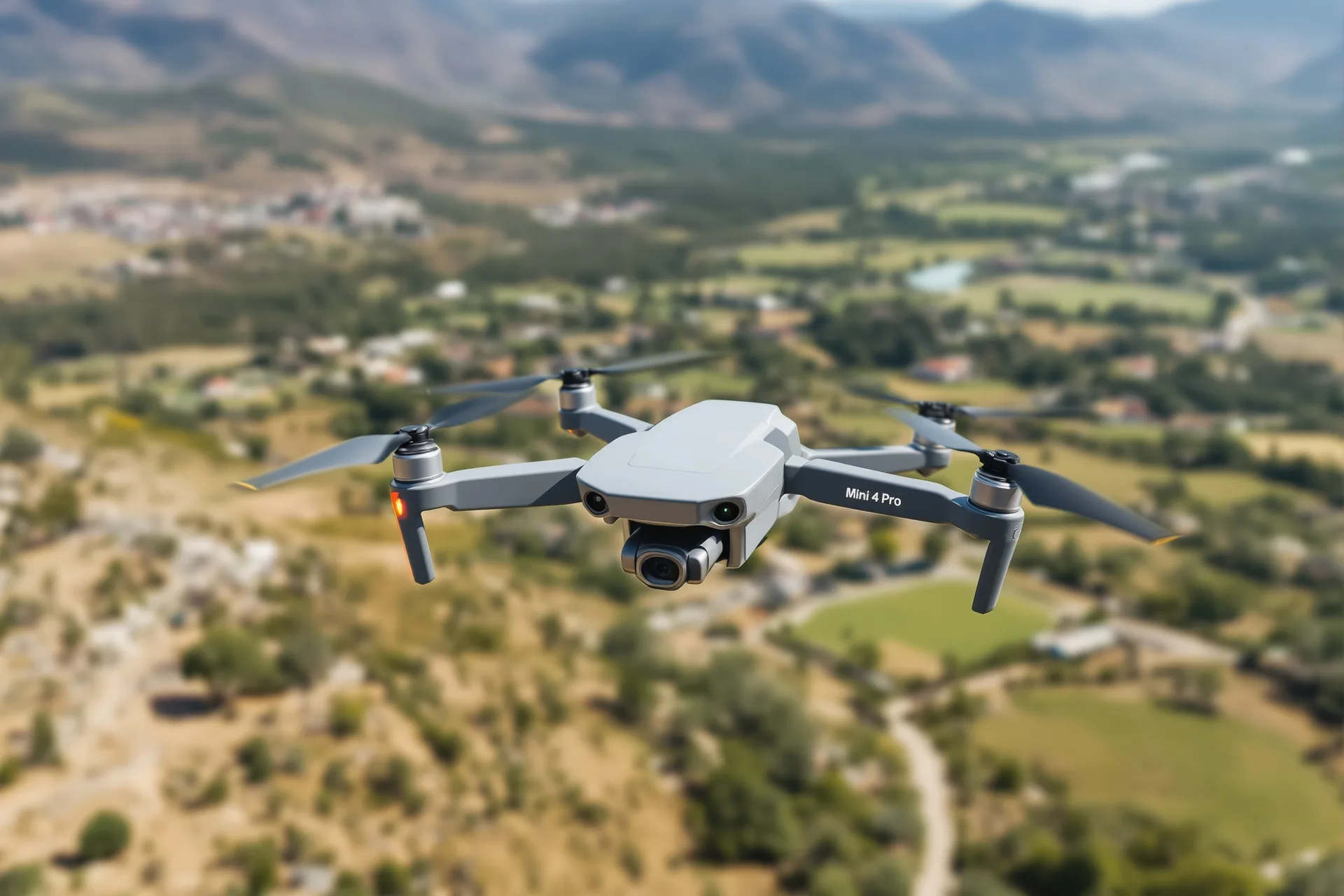
A classic claim is the so-called “prop strike”, in which the propeller touches the ground. This requires not only a new propeller for around EUR 10,000, but also an expensive engine inspection for consequential damage (“shock loading”), which often adds a further EUR 15,000. Another example is a taxiing accident in the hangar, in which the wing of another aircraft is damaged. While your liability insurance covers the third-party damage of EUR 25,000, only your hull insurance covers the damage of EUR 18,000 to your own aircraft. Even smaller aircraft such as drones show how quickly high costs can arise, which makes a specific drone hull insurance relevant. Without hull cover, you bear these significant costs in full yourself.
Legal framework: mandatory and optional cover in aircraft insurance
In Germany, aircraft owners' liability insurance is mandatory for every aircraft owner under Section 43 of the Air Traffic Act (LuftVG). This compulsory insurance ensures that third parties are compensated in the event of an accident. EU Regulation 785/2004 also sets minimum coverage amounts across Europe, based on the maximum take-off weight (MTOW). For a light aircraft up to 1,000 kilograms, for example, this is 1.5 million Special Drawing Rights (SDR), which corresponds to around 1.9 million euros. Private aircraft hull insurance, by contrast, is voluntary but just as important. It closes the gap left by compulsory insurance: protection for your own valuable asset. As with insurance for car & mobility, hull insurance complements the basic cover. This ensures comprehensive protection for all eventualities.
Expert tips for contract drafting: How to optimise your protection
Careful contract wording can improve your insurance cover while also saving costs. Even defining the group of pilots precisely can reduce the premium by up to ten per cent.
Our expert tip: when choosing your policy, pay attention to the following four points:
- Choose the excess deliberately: A higher excess, for example EUR 5,000 instead of EUR 1,000, can significantly reduce the annual premium.
- Define the group of pilots precisely: Restrict the authorised pilots to people with a specified minimum number of flying hours.
- Check the area of cover: Make sure the insurance cover applies to all countries in which you want to fly.
- Understand the scope of cover: Clarify whether salvage and clean-up costs following an accident are also insured up to a limit of EUR 50,000.
A well-considered policy is similar to that for other high-value assets, such as a pleasure craft hull insurance policy. A thorough analysis of the terms and conditions protects you from unpleasant surprises if a claim arises.
The process in the event of a claim: from reporting to settlement
In the event of a claim, a structured approach is crucial for prompt settlement. Report the incident immediately, often within 48 hours, by phone or online to your insurer. Document the damage comprehensively with photos from different angles and gather all relevant documents. The insurer usually appoints a specialist aviation surveyor who assesses the extent of the damage within seven days. After approval by the surveyor, repairs can begin at a certified shipyard, with the costs covered up to the agreed sum insured. A transparent process ensures that your aircraft is ready to fly again within three months at the latest. Request an individual risk analysis now: Have your insurance situation reviewed free of charge and receive specific recommendations for improvement.
Frequently asked questions
- What is the difference between third-party liability and comprehensive insurance?
Aircraft owner’s liability insurance is required by law and covers personal injury and property damage that you cause to third parties with your aircraft. Hull insurance is optional and covers damage to your own aircraft.
- Does my German comprehensive car insurance also apply abroad?
The scope of cover is set out in the insurance contract. Policies that apply throughout Europe are common, but there are also plans that are limited to Germany or apply worldwide. Check this point carefully before travelling abroad.
- How is the value of my aircraft determined for insurance purposes?
As a rule, the aircraft's current market value (current value) is agreed as the sum insured. This is often determined by an appraisal or by comparing current market prices for the same aircraft type and condition.
- Can I reduce the premium of my comprehensive car insurance?
Yes. The premium can be reduced through various measures, for example by agreeing a higher excess, restricting the circle of pilots to experienced pilots, or by providing proof of secure storage in a hangar.
- What happens if an unregistered pilot flies my aircraft and damage occurs?
If the pilot does not meet the qualifications required in the contract or is not named in the pilot group, the insurer may reduce the benefit or, in the worst case, even refuse it in full. Therefore, make sure you strictly comply with these clauses.
- Is engine damage also covered?
Damage to the engine caused by an external accident (e.g. prop strike) is generally covered. Pure operational damage, i.e. wear and tear or material fatigue without external influence, is usually excluded from comprehensive cover.
Sources
- [1]The Federal Aviation Office (LBA) provides an overview of aircraft data sheets and type approvals.
- [2]The Federal Statistical Office (Destatis) provides publications on passenger transport in air traffic.
- [3]The Federal Bureau of Aircraft Accident Investigation (BFU) publishes its annual reports.
- [4]The Federal Ministry for Digital and Transport (BMDV) offers comprehensive information on air traffic.
- [5]The European Union Aviation Safety Agency (EASA) provides information on general aviation.
- [6]The German Aviation Industry Association (BDL) provides an industry report on business and competition.
- [7]The German Aerospace Center (DLR) is a research institution in the field of aerospace.
- [8]The German Aerospace Industries Association (BDLI) represents the German aerospace industry.