Poultry insurance illness vet
Protect yourself against high veterinary costs for your poultry. Discover how poultry insurance can help in the event of illness. Find out more now!
All details are taken from the provider's linked product page and the contract documents (IPID/policy conditions) published there; the insurer's documents prevail. Premiums, benefits and the insurance product itself may change – please verify the details directly with the partner before signing up; only the information provided there is binding.
 Katrin StraubManaging DirectorInsurance expert with over 20 years of experience in the insurance industry.
Published on
Last updated on
3 min read
Table of Contents
A sick chicken can quickly lead to veterinary costs of several hundred euros. Many keepers significantly underestimate this financial risk. Find out how specialist poultry insurance helps in the event of illness and when the vet bill is actually covered.
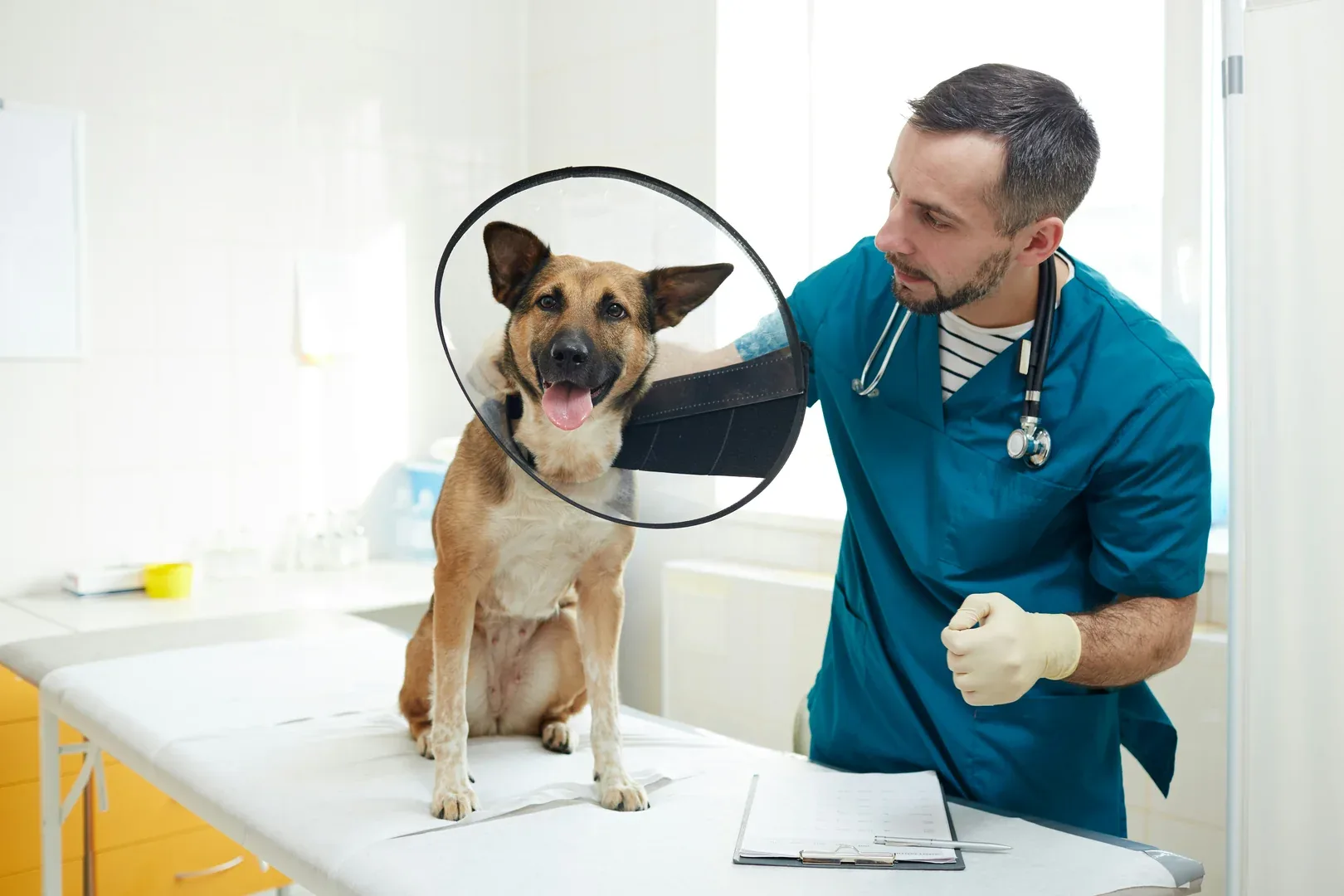
Tierkrankenversicherung
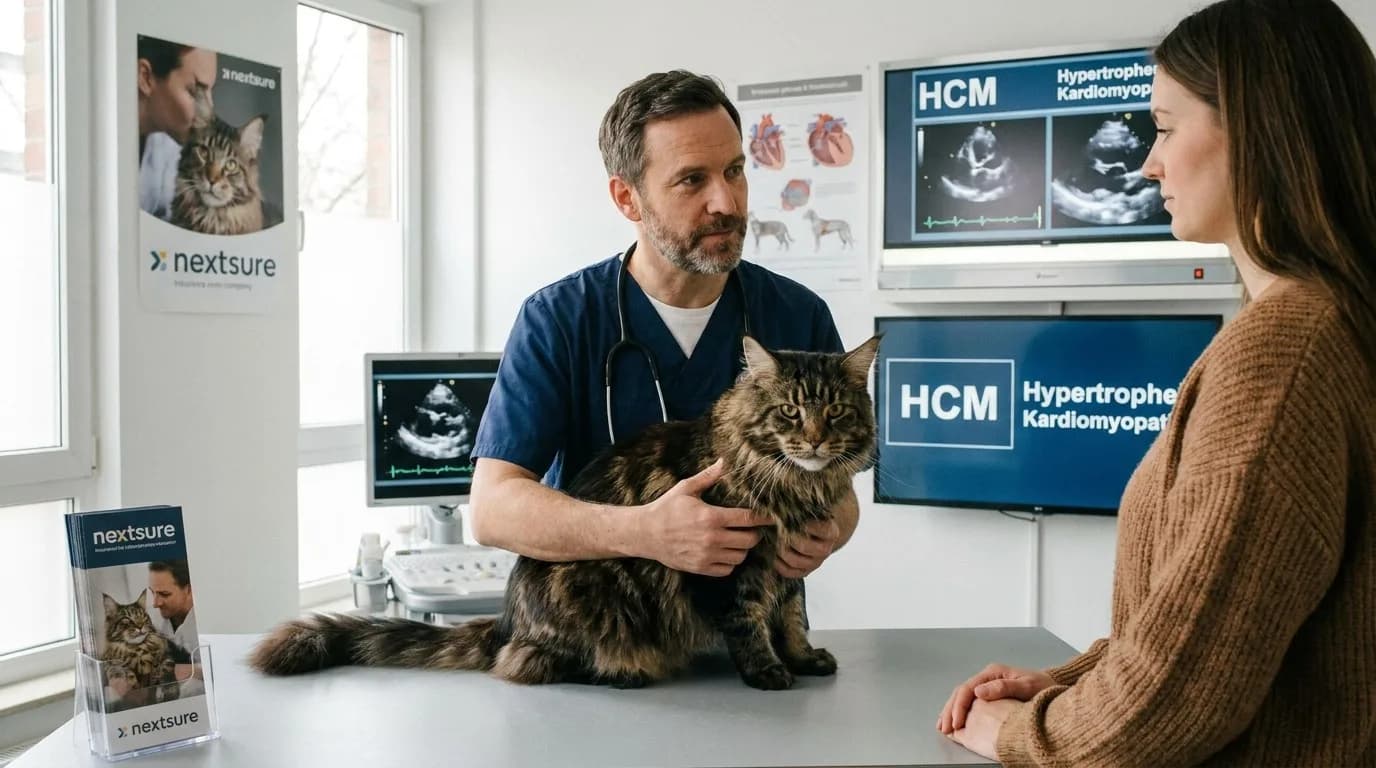
Comprehensive health protection for dogs, cats, and other pets. Discover now the tailored pet insurance from nextsure and ensure your furry companion receives the best medical care – simple and digital.
Learn moreVeterinary cost trap: The real treatment costs for poultry
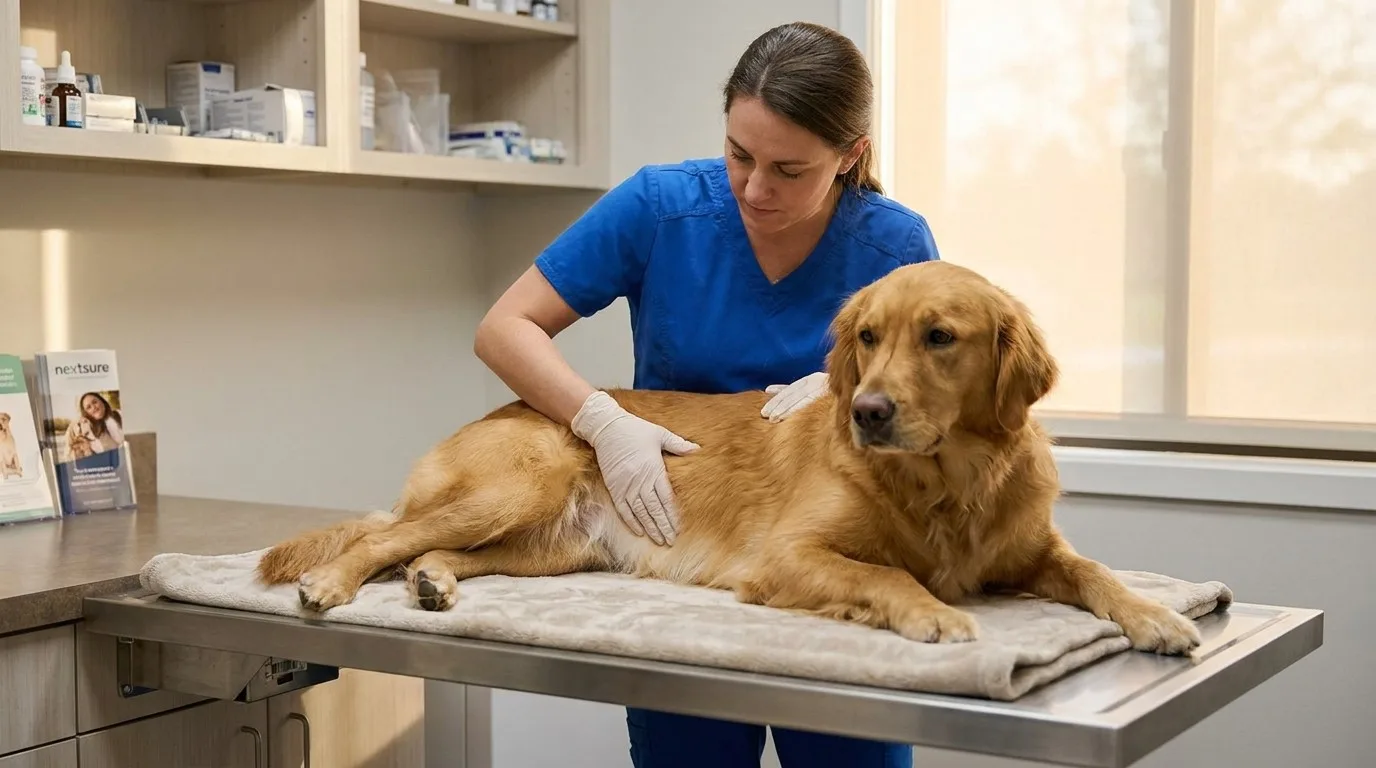
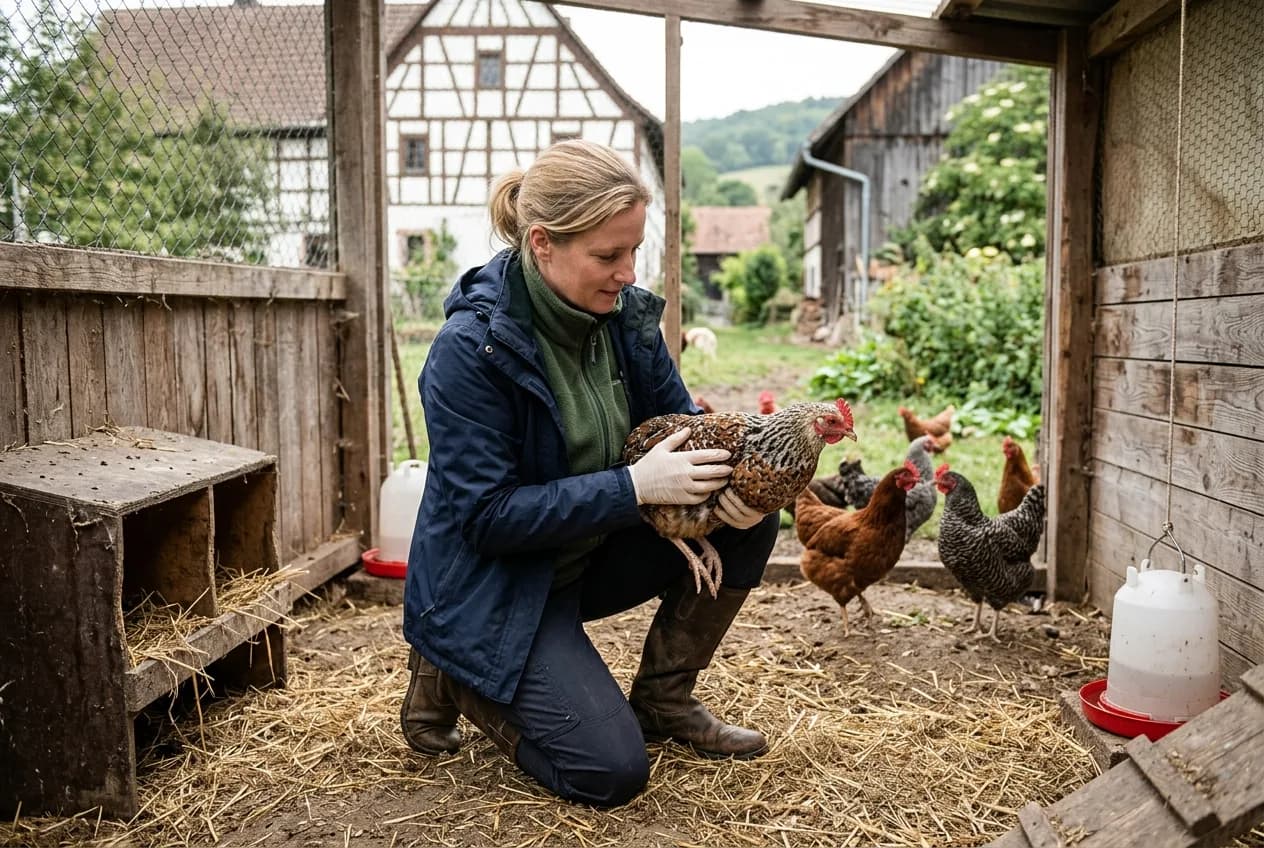
The assumption that a chicken causes hardly any medical costs is an expensive mistake. A simple examination already costs more than 23 euros. In the case of serious illnesses such as coccidiosis or a prolapsed oviduct, treatment costs can quickly rise to 200 to 300 euros. Many keepers are surprised that a single operation can cost ten times the purchase price of the entire flock. Regular preventive measures such as deworming or vaccinations add up to around ten euros per chicken per year, but this does not cover emergencies. A well-considered animal health insurance policy provides predictable financial security here. These unpredictable expenses make targeted cover almost essential for responsible keepers.
How poultry insurance works and models
A poultry insurance policy works similarly to established policies for dogs or cats and protects you against unexpected vet costs. In principle, there are two main models: pure surgical cover and comprehensive health cover. As the name suggests, surgical cover only covers the costs of surgical procedures and is the cheaper option. Comprehensive cover is broader and also covers outpatient treatments, diagnostics and medicines. A good comprehensive cover tariff can reduce vet costs by up to eighty per cent. Such a hobby livestock insurance turns unpredictable risks into fixed monthly premiums of often just ten to twenty euros. This makes the best possible care for your animals predictable and affordable.
Practical example: When poultry insurance pays off
Imagine you have a small flock of twelve chickens. A full cover insurance policy costs you, for example, 15 euros per month, or 180 euros per year. If one of your animals falls ill with a bacterial infection that requires a laboratory test (approx. 50 euros), medication (approx. 30 euros) and two follow-up appointments (25 euros each), the total cost comes to 130 euros. If another chicken needs a minor operation on its leg, the costs can quickly exceed 250 euros. Even with just one medium-sized claim per year, veterinary costs exceed the annual premium of the insurance policy. Just like with a horse surgery insurance, the aim is to cushion catastrophic individual events. So the policy only makes sense when you have several sick animals, but already protects you from the first unforeseen incident.
Statutory obligation meets private provision: the role of the animal disease fund
Every poultry keeper in Germany is legally obliged to register their flock with the responsible veterinary office and the animal disease fund from the first animal onwards. This mandatory membership is not a private insurance policy. The animal disease fund is a collective scheme that provides financial compensation if animals have to be culled under official order because of a notifiable disease such as avian influenza. However, it does not cover individual veterinary visits for everyday illnesses or accidents. A breach of the reporting obligation can, under the Animal Health Act, be punished with fines of up to €30,000. While the animal disease fund is a legal requirement, private chicken keeper liability insurance and health insurance are the optional extras for comprehensive cover. The following list highlights the key differences:
- Animal disease fund (mandatory): Provides compensation when culling is ordered by the authorities due to disease outbreaks.
- Private insurance (optional): Covers the costs of individual treatments, diagnostics and operations.
- Animal disease fund (mandatory): Applies to the entire flock in the event of an outbreak.
- Private insurance (optional): Covers illness in individual animals.
- Animal disease fund (mandatory): Does not cover routine vet visits.
- Private insurance (optional): That is exactly what it is designed for.
Private provision therefore closes the gap left by state cover.
Select the optimal insurance tariff for your poultry
Choosing the right policy is crucial for effective protection. Not every plan suits every need. Pay attention to the details in the small print to ensure you are optimally covered in an emergency. The amount of the annual benefit limit is particularly important; it should be at least EUR 1,000. Free choice of vet gives you the flexibility to consult a specialist, similar to what is recommended for insurance for goats and sheep. The following checklist helps you decide:
- Free choice of vet: Can you go to any vet or any clinic?
- Benefit limits: Is there an annual limit for reimbursement?
- Excess: How much do you have to pay yourself per invoice?
- Waiting periods: From when after the contract is signed does cover apply (often 30 days)?
- Diagnostic costs: Are expensive procedures such as X-rays or laboratory analyses also covered?
Our expert tip: Choose a plan that covers diagnostic costs by at least eighty per cent, as these often make up the largest part of a high bill.
Comprehensive protection: thinking beyond health insurance alone
Good cover for your poultry is an important building block, but responsible animal husbandry often involves more. Many owners of niche and hobby animals discover that other areas also carry risks. For example, an escaped chicken could cause a traffic accident for which you, as the owner, are liable. This is where the already-mentioned animal owner's liability insurance comes into play. If, in addition to chickens, you keep other, perhaps more exotic animals, it is worth taking a look at specialised policies. Whether grey parrot or royal python, today there are tailored solutions for almost every animal. A conversation with our advisers can help analyse your individual risk profile and close coverage gaps. Request an individual risk analysis now: Have your insurance situation checked free of charge and receive concrete suggestions for improvement.
Frequently asked questions
- Which diseases does poultry insurance cover?
Good policies cover the treatment costs for most common illnesses such as respiratory infections, parasite infestations (e.g. coccidiosis), egg-binding or injuries. The costs of necessary operations are also included, depending on the plan (surgical cover or comprehensive cover). In general, congenital malformations and illnesses that already existed before the contract was concluded are excluded.
- Is there a waiting period for poultry insurance?
Yes, most insurance policies have a waiting period of around 30 days after the contract is taken out. This means that illnesses that occur during this period are not yet covered. In the case of accidents, the waiting period is often waived.
- Can I freely choose the vet for my poultry?
With most modern policies, you can choose your vet or veterinary clinic freely. However, it is advisable to check this in the policy terms before signing the contract, as some older contracts may stipulate that you are tied to a particular vet.
- What is the difference between poultry insurance and the animal disease compensation fund?
The animal disease fund is a statutory mandatory membership for all animal keepers and only provides compensation in the event of culling ordered by the authorities in the case of an outbreak. A private poultry insurance policy is a voluntary form of cover that covers the costs of individual veterinary treatment in the event of illness or an accident involving your animal.
- Are the costs for diagnostics such as X-rays or laboratory tests also covered?
In comprehensive full health insurance plans, the costs of diagnostic measures are usually also covered. The exact reimbursement rate (e.g. eighty or one hundred per cent) depends on the selected tariff. Pure surgical cost cover usually only covers these in direct connection with an insured operation.
- What happens if my chicken dies from an illness not covered by insurance?
The insurance only covers the cases agreed in the contract. If an animal dies from an excluded disease or for another uninsured reason, the treatment costs will not be reimbursed. The costs of carcass disposal may, under certain circumstances, be covered by the animal disease fund, but this is regulated differently depending on the federal state.
Sources
- [1]Friedrich-Loeffler-Institut (FLI): The Federal Research Institute for Animal Health provides comprehensive information and research findings on its homepage.
- [2]OpenAgrar: Here you will find a PDF file containing a scientific article or report from the Journal of Animal Breeding and Genetics (TGJB) from 2022.
- [3]Statistisches Bundesamt (Destatis): The Federal Statistical Office provides detailed tables and statistics on poultry keeping and production here.
- [4]Nutztierhaltung.de: This site offers valuable information on monitoring laying hens in order to detect diseases or behavioural changes at an early stage.
- [5]Bundesinstitut für Risikobewertung (BfR): A press release from the BfR provides information about salmonella infections in Europe and gives important hygiene rules for safe poultry preparation.
- [6]Bayerisches Landesamt für Gesundheit und Lebensmittelsicherheit (LGL): The LGL provides current information and background on avian influenza in Bavaria here.
Conclude directly online
Verified partner tariffs at no extra cost. The button takes you straight to the provider's calculator.
 Cleos Welt
Dog health insurance
Combined health and surgery cover for dogs, reimbursing vet costs up to the agreed maximum veterinary fee schedule (GOT) rate.
- Reimbursement:
- up to the agreed maximum GOT rate
- Coverage abroad:
- 12 months
- Notice period:
- 14 days before the end of the month
- Treatment for illness and accidents
- Surgery, including pre-surgical diagnostic examinations
- Pre- and post-treatment following a covered surgery
- Lab work and imaging diagnostics, plus medically necessary medication
- Coverage abroad: 12 months
Key exclusions
- Treatments and surgeries already known or recommended before the policy started
- Illnesses occurring before the waiting period ends
- War, earthquakes, floods, epidemics, and pandemics
- Damage caused intentionally
CHECK24 Tarifnote 1,0 „exzellent“
Cleos Welt Hundekrankenversicherung
FOCUS MONEY: Beste Tierkrankenversicherung (Premiumtarif), Ausgabe 14/2026
Cleos Welt Hundekrankenversicherung
ASCORE „Tarif des Monats“ 08/2025
Cleos Welt Tierkranken Hund, Rundum Plus Schutz inkl. Vorsorge & SOS-Schutz
CHECK24 Tarifnote 1,0 „exzellent“
Cleos Welt Hunde-OP-Schutz (Rundum Plus inkl. SOS-Schutz)
„Kundenfavorit“: über 50.000 geschützte Haustiere
Cleos Welt Tierversicherungen (Tierkranken Hund)
Google Rezensionen: 4,5/5 Sterne (210 Bewertungen)
Cleos Welt insgesamt (Anbieterbewertung, alle Versicherungen)
Contract term at least 1 year with automatic renewal; sum insured and deductible (Selbstbeteiligung) as stated in the policy. Insurer: Uelzener Allgemeine Versicherungs-Gesellschaft a.G.
Fact sheet: benefits, exclusions and waiting periods in detail
Cleos Welt
Cat health insurance
Combined health and surgery cover for cats, reimbursing vet costs up to the agreed maximum veterinary fee schedule (GOT) rate.
- Reimbursement:
- up to the agreed maximum GOT rate
- Coverage abroad:
- 12 months
- Notice period:
- 14 days before the end of the month
- Treatment for illness and accidents
- Surgery, including pre-surgical diagnostic examinations
- Pre- and post-treatment following a covered surgery
- Lab work and imaging diagnostics, plus medically necessary medication
- Coverage abroad: 12 months
Key exclusions
- Treatments and surgeries already known or recommended before the policy started
- Illnesses occurring before the waiting period ends
- War, earthquakes, floods, epidemics, and pandemics
- Damage caused intentionally
CHECK24 Tarifnote 1,0 „exzellent“
Cleos Welt Katzenkrankenversicherung, Tarif Rundum Plus
CHECK24 Tarifnote 1,0 „exzellent“
Cleos Welt Katzen-OP-Schutz (Rundum Plus inkl. SOS-Schutz)
Google Rezensionen: 4,5/5 Sterne (210 Bewertungen)
Cleos Welt insgesamt (Anbieterbewertung, alle Versicherungen)
Contract term at least 1 year with automatic renewal; sum insured and deductible (Selbstbeteiligung) as stated in the policy. Insurer: Uelzener Allgemeine Versicherungs-Gesellschaft a.G.
Fact sheet: benefits, exclusions and waiting periods in detail
All details are taken from the provider's linked product page and the contract documents (IPID/policy conditions) published there; the insurer's documents prevail. Premiums, benefits and the insurance product itself may change – please verify the details directly with the partner before signing up; only the information provided there is binding.
Information last updated: July 2026 · Source: provider product information (IPID/policy conditions)