Fish Finder & Fishing Rod Insurance for Damage
Protect your expensive fishing equipment from damage and theft. Find out when contents insurance does not pay and how a specialist insurance policy can help.
 Katrin StraubManaging DirectorInsurance expert with over 20 years of experience in the insurance industry.
Published on
Last updated on
12 min read
Table of Contents
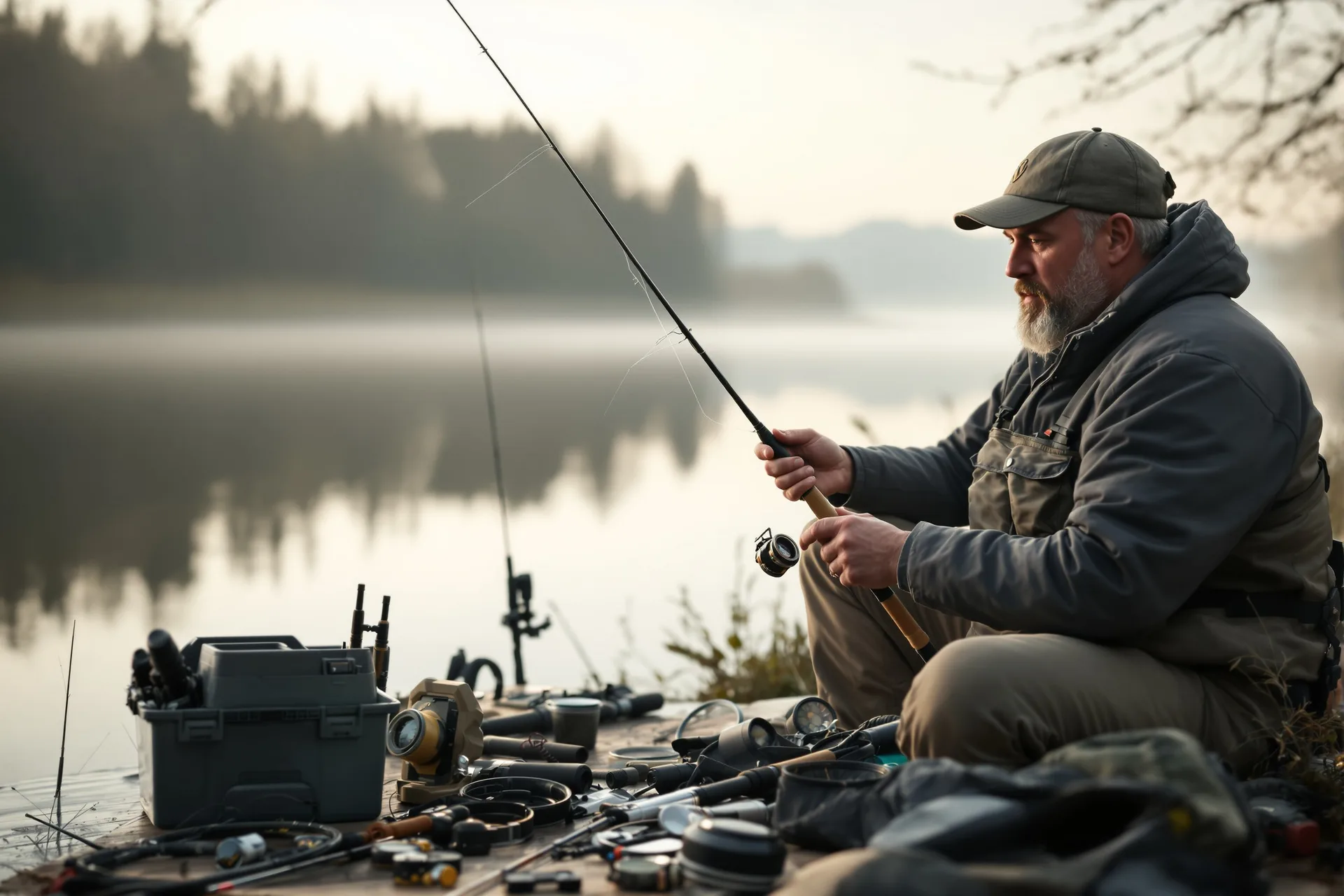
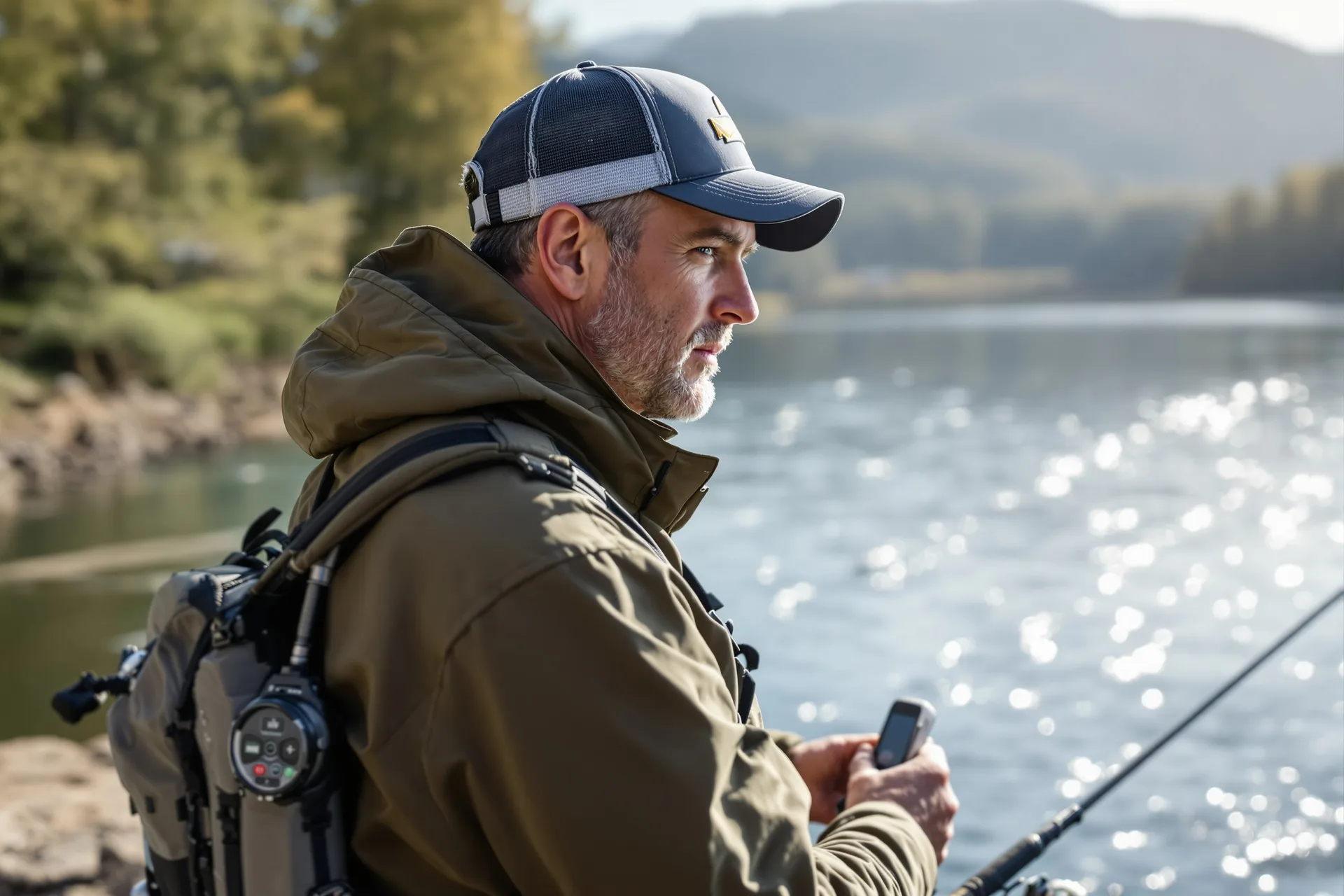
Your high-quality fishing equipment is more than just a hobby – it is an investment. A fall, an unfortunate transport incident or theft can quickly cause damage of over €1,500. We show you how a specialised echo sounder and fishing rod insurance policy applies in the event of damage, where a standard home contents policy falls short.
Identify specific gaps in home contents insurance coverage
Many anglers assume that their expensive equipment is protected by their household contents insurance. However, this usually only covers damage caused by burglary in your flat or basement. A typical claim on the water, such as a broken rod worth €700, is not insured in nine out of ten cases. Theft from an unattended vehicle is also often only covered to a limited extent, if at all.
The so-called away-from-home cover in contents insurance does apply on holiday, but often only up to a certain compensation limit. In addition, simple damage or loss at the fishing spot is almost always excluded. A fish finder worth €1,200 that has fallen into the water is not replaced by household contents insurance. This gap can mean a significant financial loss for the individual. A specialised insurance for fishing tackle offers more comprehensive protection here.
These policies are tailored precisely to the risks of angling and close the critical gaps left open by standard insurance policies.
Making the most of specialist policies' cover
A specialist insurance policy for fishing equipment offers cover that goes far beyond contents insurance. It typically covers a wide range of risks that can occur while fishing. These include not only theft, but also breakage and damage during use or transport. Even user error or equipment being dropped is covered in many policies, which is crucial for a rod costing over €500.
The insurance cover usually includes all parts of your equipment. Here is a brief overview of what can be insured:
- Fishing rods and reels
- Electronic bite alarms and echo sounders
- Inflatable, fishing and bait boats
- Accessories such as rod bags, cases and tents
- Navigation devices and outboard motors
Some providers offer all-risks cover, which insures everything that is not explicitly excluded. This offers the most comprehensive protection for all your equipment. Such a worldwide sports equipment insurance policy is particularly important for travel. This means you are financially protected if unforeseen damage occurs.
Understanding claims in practice and how they are settled
Theory is good, but concrete examples show the true value of insurance. Imagine your two-year-old carbon fishing rod worth €900 breaking while casting because of a material fault. The manufacturer’s warranty has expired. Without specialist insurance, you bear the €900 cost yourself.
Another scenario: your fish finder, purchased for €1,500, slips from your hand and sinks into the lake. It is three years old. A good specialist insurance policy reimburses you for its current value. According to a typical depreciation schedule, after three years you would still receive seventy per cent of the replacement value, i.e. €1,050. Without insurance, the financial loss would be complete.
These examples illustrate how targeted fish finder and fishing rod insurance cushions the financial impact of damage. The cost of fishing tackle insurance is low compared with the potential loss. Investing in cover often pays off after the first claim.
Clearly distinguish liability and own damage
It is important to distinguish between damage to other people's property and damage to your own property. If you accidentally damage a friend's fishing rod worth 400 euros, this is a classic case for your private liability insurance. This covers the damage you cause to third parties. It settles the loss and indemnifies you against your friend's claim.
However, if your own equipment breaks, liability insurance will not help. For damage to your own equipment, you need property insurance, such as fishing tackle insurance. This covers damage to your own property, for example if your own echo sounder suffers a short circuit due to an operating error. Liability insurance is therefore no substitute for a dedicated travel and leisure insurance policy that protects your property. This distinction is crucial for comprehensive cover.
Avoid legal pitfalls such as gross negligence
Insurance pays out for many types of damage, but in cases of gross negligence they may reduce the payment or even refuse it altogether. Under Section 276 of the German Civil Code (BGB), gross negligence exists when the required duty of care is breached to an especially serious degree. This means not paying attention to what should have been obvious to anyone. One example would be leaving all your equipment worth 3,000 euros out in the open overnight at the fishing spot.
Our expert tip: document your equipment with photos and purchase receipts. Always keep expensive devices such as fish finders safely locked away when you are not using them. This helps to rebut any allegation of gross negligence. A good policy should also include a waiver of the defence of gross negligence, at least up to a certain level of loss. This way, you are also on the safe side when it comes to minor lapses in care. A look at the details of comprehensive insurance can also be enlightening here.
Systematically choose the right insurance plan
The choice of the right tariff determines the protection you have in the event of a claim. Careful review of the terms and conditions is essential to ensure cover tailored to your needs. Pay attention not only to the price, but above all to the benefits. A tariff costing 100 euros a year can end up being cheaper than one for 70 euros if it offers better conditions.
The following points should you check when choosing your insurance for fishing rods and echo sounders:
- Insured sum: Does it correspond to the total value of your equipment? Underinsurance can lead to deductions.
- Scope of cover: Do you need protection only in Germany or worldwide?
- Excess: How much is your own contribution in the event of a claim? Amounts between 50 and 250 euros are common.
- New-for-old or market value: Does the insurance replace the new value or only the lower market value?
- Exclusions: Which losses are explicitly not insured, for example wear and tear or damage caused intentionally?
A well-considered choice provides you with optimal cover. For specialist equipment such as underwater cameras, there are often dedicated solutions, such as insurance for underwater cameras. Request an individual risk analysis now: Have your insurance situation checked free of charge and receive specific suggestions for optimisation.
Frequently asked questions
- What types of damage are typically covered by a fish finder and fishing rod insurance policy?
A good insurance policy covers theft, robbery, breakage, damage caused by accidents or drops, transport accidents, as well as often also user errors and liquid damage.
- What is the difference between replacement cost compensation and actual cash value compensation?
New-for-old compensation means you receive the amount required to purchase a new, equivalent device. Current value compensation takes into account a reduction in value due to age and wear and tear; you therefore receive less than the original purchase price.
- Does the insurance also cover accessories such as bite alarms and tackle boxes?
Yes, in general, all fishing equipment is also covered by insurance, provided it has been included in the sum insured. This also includes items such as tackle bags, landing nets or bait boats.
- What should I do in the event of a claim?
Report the damage to your insurance company immediately. Take photos of the damage and keep the damaged device. In the event of theft, a police report is also required.
- Are borrowed fishing tackle also insured?
Usually not. The insurance applies to the insured person's property. If you damage borrowed equipment, your personal liability insurance may apply in some circumstances.
- What happens in the event of underinsurance?
When the actual value of your equipment is higher than the agreed sum insured, the insurer may reduce the benefit proportionately in the event of a claim. It is therefore important to set the sum insured at a realistic level.
Sources
- [1]The Federal Maritime and Hydrographic Agency offers information on measurement methods in hydrographic surveying, including echo sounding.
- [2]The German Angling Association provides figures and facts about angling in Germany.
- [3]The Consumer Advice Centre provides information on which insurance policies one needs.
- [4]The DGUV offers information on safety and health at work in the fishing industry.