
Barmenia Vet Bill Deadline: When to File Your Claim
Find out the deadline for submitting your vet bill under Barmenia equine surgery insurance.
All details are taken from the provider's linked product page and the contract documents (IPID/policy conditions) published there; the insurer's documents prevail. Premiums, benefits and the insurance product itself may change – please verify the details directly with the partner before signing up; only the information provided there is binding.
 Katrin StraubManaging DirectorInsurance expert with over 20 years of experience in the insurance industry.
Published on
12 min read
Table of Contents
Under its general policy terms, Barmenia requires policyholders to submit the vet bill without delay, and no later than one month after treatment ends. The document must show the owner's name, the horse's chip number, the diagnosis, and the billed fee schedule for veterinarians (Gebührenordnung für Tierärzte, GOT) line items. Direct billing with the veterinary clinic is easy to arrange with prior agreement.
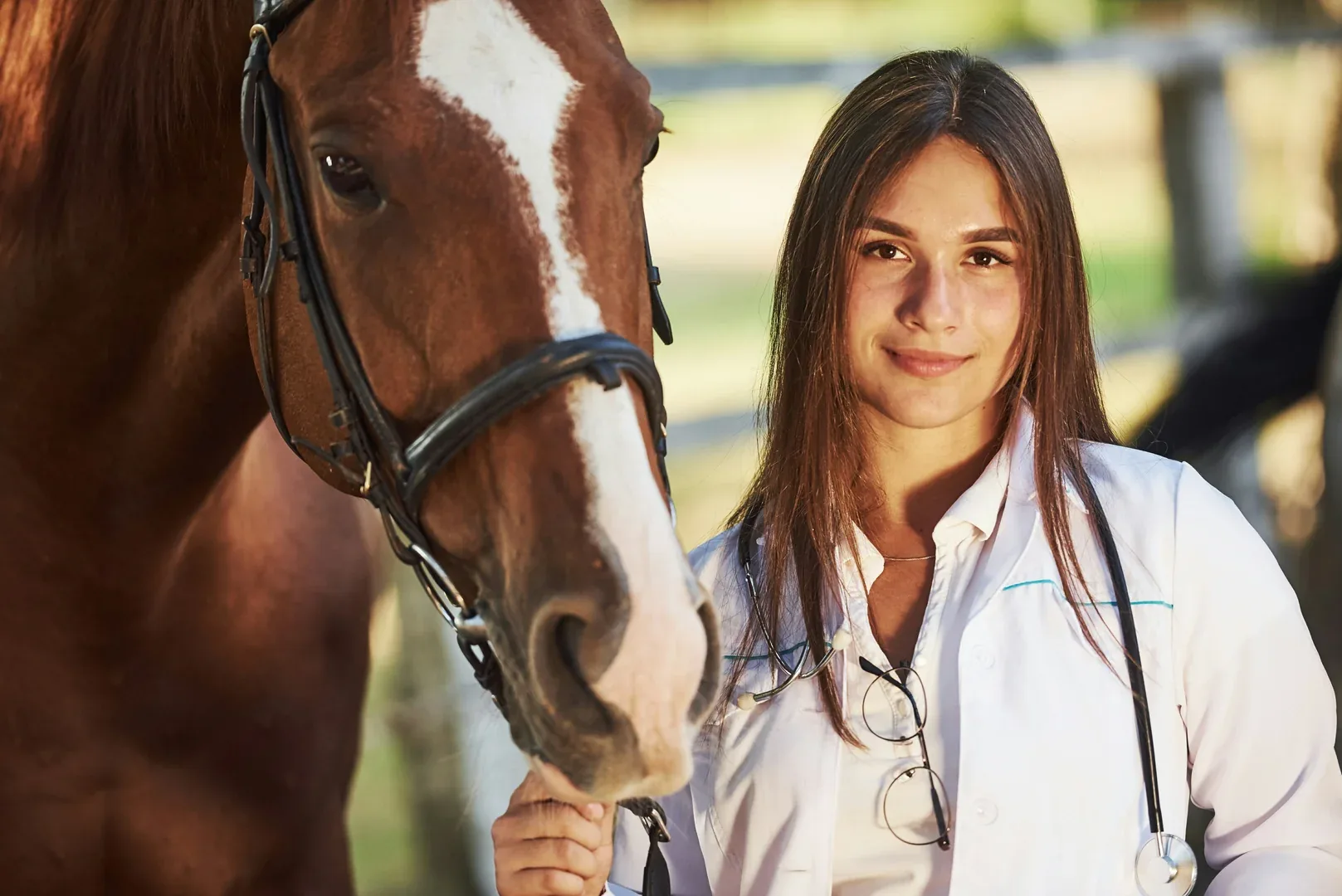
Equine surgery insurance
Horse surgery insurance via nextsure: Three flexible tariffs, reimbursement up to twice the GOT rate, and free choice of clinic worldwide. Protect your horse from high surgery costs – digital, transparent and uncomplicated.
Learn moreThe Contractual Submission Deadline for Barmenia Equine Surgery Insurance
Barmenia's Strict Contractual Requirements
The submission deadline for Barmenia equine surgery insurance is set out extremely precisely and unambiguously in the general policy terms. Policyholders must prove costs incurred by presenting the original bill without delay. The document must reach the insurer no later than one month after the respective treatment ends. This strict contractual requirement deviates massively from the general statutory rule. Submitting bills for private health and supplementary insurance normally falls under the statutory three-year limitation period [1]. Barmenia, however, requires notification much faster so it can review the claim promptly and efficiently. Meeting this one-month deadline is essential: missing it extinguishes the contractual right to reimbursement entirely. Prompt submission is therefore directly in the horse owner's own financial interest.
Calculating When the Deadline Starts After Treatment
The three-year limitation period normally starts at the end of the year in which the treatment took place and the bill was issued [1]. For Barmenia's equine surgery cost insurance (AVB Pferde-OP-Kosten, as of January 1, 2024), however, the strict one-month deadline applies from the actual completion of the course of treatment. If post-operative follow-up care extends over several weeks, the deadline only starts on the very last day of treatment at the clinic. Horse owners should send the documents digitally right after the last clinic visit. Prompt submission protects against losing the right to reimbursement and secures liquidity. Owners are best off requesting the bill immediately as a PDF file rather than waiting for a paper document. Every day of delay increases the risk of accidentally missing the contractual one-month deadline.
Digital Submission and Broker Support
nextsure recommends that horse owners send bills to tierarztrechnung@barmenia.de by email immediately upon receipt [2]. The relevant policy number and bank details (IBAN) must be included in the cover note [2]. If equine surgery insurance is taken out through nextsure, the team actively assists with filing the claim. Documents are checked in advance for formal completeness. This avoids follow-up questions from the claims department and speeds up the process. Administrative pressure drops - the focus stays on the horse's recovery.
Mandatory Information on the Vet Bill for a Smooth Reimbursement
Formal Criteria and Identifying the Horse
The vet bill has to meet specific formal criteria for Barmenia to accept the claim without legal delays. Under clause 4.1 of the policy terms, the owner's name on the document has to match the registered policyholder exactly. Clearly and unambiguously identifying the treated animal is also mandatory. The horse's official life number or implanted chip number has to be clearly legible on the document. If this specific number is missing, the insurer can formally refuse payment, since it remains unclear whether the bill relates to the insured risk. Owners are best off proactively instructing the treating veterinary clinic to include the chip number in the digital patient file by default and to print it on every invoice. This avoids unnecessary bureaucratic back-and-forth after an already stressful operation.
Medical Diagnosis and GOT Line Items
Another essential part of the bill is the exact medical diagnosis. The bill has to state the reason for the surgical procedure clearly and correctly in professional terms. Barmenia also requires a detailed breakdown of the billed service items under the currently valid fee schedule for veterinarians (GOT). Flat-rate invoices without itemized GOT line items are categorically not accepted by the claims department. The date of the services rendered has to be shown separately for each individual item. This matters especially for pinpointing exactly when the insured event began and ended, and for proving that the one-month deadline was met. It's advisable to check the bill for these details while still at the clinic.
Documenting Preliminary Exams and Findings
If special diagnostic procedures such as an ECG, X-ray, or ultrasound were needed for the treatment, the insurer will request the corresponding examination documents on demand. Owners should therefore request these findings digitally directly from the clinic and keep them safe. Given the high vet costs for horses, complete documentation is the absolute key to fast reimbursement. nextsure advises submitting all bills, pharmacy receipts, and physiotherapy referrals together in one submission [2]. A fragmented submission inevitably causes delays. Carefully preparing all documents before officially filing the claim with Barmenia is decisive.
Mandatory information on the vet bill for Barmenia
- Full name of the owner, exactly as in the insurance contract
- Unambiguous identification via the horse's life number or chip number
- Precise medical diagnosis for the surgical procedure performed
- Detailed breakdown of the service items under the current GOT
- Exact date of the veterinary services rendered
Missing information can cause significant delays in payout.
The Process for Direct Billing With the Treating Veterinary Clinic
Financial Relief Through Direct Billing
Direct billing is a huge financial advantage for horse owners in an emergency. Barmenia's equine surgery insurance offers tariffs with free choice of vet and optional unlimited reimbursement [3]. Direct billing with the vet is possible, so the owner doesn't necessarily have to front high costs [3]. Under clause 4.4 of the general policy terms, the insurer pays the reimbursable amount directly to the veterinary clinic. This requires an explicit written instruction to Barmenia. This option spares owners from having to advance amounts in the high four figures or even five figures out of their own reserves. This protection for liquidity is invaluable for the horse owner, especially with complex colic surgeries.
Procedure and Preparation at the Veterinary Clinic
The clinic has to be informed that the policy exists before the surgical procedure. Barmenia enables straightforward direct billing with the vet, provided the practice supports this technically and administratively [4]. Many large equine clinics in Germany bill directly with the major insurers as a matter of course. On site, only an assignment declaration needs to be signed. The clinic then submits the bill to Barmenia itself, within the deadline; the owner receives a copy. This process should be clarified when the horse is admitted to the clinic, to avoid misunderstandings.
Digital Processes and Handling Co-Payments
After treatment, the veterinary practice can upload the bill digitally to receive reimbursement directly from Barmenia [5]. If the bill includes items not covered by the chosen tariff, the clinic bills that difference separately. With equine health insurance, such co-payments are lower than with pure surgery tariffs. nextsure advises objectively and with data on which clinics in the region routinely offer direct billing, and helps navigate administrative hurdles confidently in an emergency.
Reimbursement of Emergency Fees and Increased GOT Rates
Cost Coverage for Veterinary Emergency Service
Reimbursing emergency service fees is a core component of Barmenia's policy terms. Surgeries often happen unplanned at night, on weekends, or on public holidays. During these times, vets charge a flat emergency fee of €50 net under the statutory fee schedule. They also have to bill veterinary services at a minimum of twice and a maximum of four times the standard rate. Barmenia covers these massively increased costs as long as a genuine medical emergency exists. This protects the horse owner from the extreme price spikes that inevitably arise with emergency surgeries outside regular office hours. A solid policy has to cover this risk fully.
Confirming the Emergency Through the Vet
The treating vet has to explicitly confirm the emergency in writing on the bill. If this formal confirmation is present, the insurer reimburses GOT fees up to four times the standard rate. This applies exclusively to veterinary services provided at night, on weekends, or on public holidays, within the time windows precisely defined in the GOT. If the emergency confirmation is missing from the document, the benefit is rigorously cut back to the regular contractually agreed rate. The bill should be carefully checked for this note before submission. If needed, ask the vet for an immediate correction.
Tariff Differences in the Maximum Rates
A close look at the tariff details is worthwhile before signing up. The difference between equine surgery insurance and equine health insurance often shows up in the strict caps on maximum rates. While basic tariffs regularly cap the GOT rate at twice the standard rate, premium tariffs offer full financial protection up to four times the rate for emergency services. nextsure analyzes these subtle but decisive differences with complete transparency. Independent advice from nextsure ensures owners aren't left covering extra costs in an emergency. A seemingly cheap tariff can quickly turn into an expensive trap for emergency care.
Follow-Up Care and Physiotherapy After the Surgical Procedure
Definition and Duration of Follow-Up Care
Barmenia defines follow-up care as a fixed, integral part of the insured event. The reimbursable costs of a surgery also include expenses for follow-up care that directly continues afterward. The period for this cost reimbursement varies significantly by tariff. The exact number of insured follow-up care days is documented unambiguously in the policy. Within this defined window, Barmenia covers the costs of necessary medication, consumables, and inpatient accommodation costs at the veterinary clinic. If the insurance contract ends before follow-up care is complete, ongoing follow-up treatment fortunately remains insured until the contractual deadline expires.
Alternative Healing Methods and Complementary Medicine
A special feature of Barmenia's policy terms is the explicit inclusion of alternative and complementary treatment methods. These include procedures such as acupuncture, homeopathy, laser therapy, magnetic field therapy, and neural therapy. The mandatory requirement is that their effectiveness is proven in veterinary science and that billing strictly follows the GOT. In the premium tier of cover, the insurer goes a significant step further. Here, up to five physiotherapy sessions of up to 60 minutes each are additionally insured after the regular follow-up care period ends. This is a huge advantage for the horse's complete rehabilitation after major orthopedic procedures.
Billing Physiotherapy and Specialized Treatments
These physiotherapy measures can be carried out by a vet or a recognized animal physiotherapist following a prior referral. The vet's written referral is best submitted together with the physiotherapist's bill to avoid follow-up questions. Cover for hobby livestock can include similar modules when it comes to aftercare. nextsure particularly recommends Barmenia's premium tariff for sport horses, since rehabilitation after complex joint surgeries is often lengthy and requires highly specialized physiotherapy. nextsure provides detailed advice on the reimbursement limits for these additional benefits.
Waiting Periods and Special Rules for Colic Surgery
General Waiting Periods and the Colic Exception
Waiting periods largely determine when cover actually kicks in after signing the contract. For regular claims due to illness, Barmenia's general waiting period is exactly three months. If a clinically relevant symptom occurs within these three months, the condition is permanently excluded from cover. A crucially important exception is life-threatening colic. For abdominal surgery due to acute colic, the waiting period is shortened to just five days. This customer-friendly rule reflects the fact that colic occurs completely unpredictably and requires immediate surgical action to save the horse's life.
Accidents and Special Joint Surgeries
The waiting period is waived entirely for accidents. If the horse falls in the paddock, for example, and suffers a fracture, full cover applies immediately from day one. Special caution is needed, however, for specific joint surgeries. For procedures involving isolated shadowing, osteochondrosis (OC), osteochondrosis dissecans (OCD), Birkeland fractures, or chips, a special, extended waiting period of twelve months applies. This long period protects the community of policyholders from people deliberately bringing in known pre-existing conditions. Castrations or sterilizations are generally excluded, unless performed due to oncological disease, in which case a six-month waiting period applies.
Crediting Prior Insurance When Switching
Switching insurers can be very advantageous under certain circumstances. If prior insurance exists and continues seamlessly into the new Barmenia contract with no gap in time, the general waiting period is waived entirely for comparable benefits. For the special waiting periods, the duration of the prior insurance is credited exactly. This does not apply, however, to scopes of cover that the old contract wouldn't have covered. With every tariff switch, nextsure carefully checks whether credited periods apply and how they need to be documented. This way, nextsure ensures the horse stays fully covered during the transition with no gaps in cover.
Comparing the Basic, Top, and Premium Tariff Lines
The Basic Tariff as Solid Baseline Cover
A detailed comparison of the tariff lines reveals clear differences in benefits that should be known before signing up. Barmenia offers equine surgery insurance in three variants: Basic, Top, and Premium. The Basic tariff provides solid but limited baseline cover. It covers pure surgery costs but limits follow-up care time to a few days and normally reimburses only up to twice the GOT rate. For owners with a very tight budget, this is a sensible entry point, but it carries the risk of co-payments for emergency care. Imaging procedures are only subsidized marginally here.
Top and Premium Tariffs for Maximum Protection
The Top tariff noticeably widens the scope of cover. The follow-up care period is extended, and the reimbursement limits rise significantly. Imaging procedures such as MRI or CT ahead of the surgery are subsidized more generously. The Premium tariff offers the most comprehensive cover on the market by far. It includes reimbursement up to four times the GOT rate for emergency services, unlimited reimbursement sums for many procedures, and the five physiotherapy sessions already mentioned. In addition, Barmenia contractually waives its ordinary right of termination from the seventh year of insurance onward under Premium cover. This gives the owner long-term planning security for aging horses.
Objective Advice Through the Broker Model
Choosing the right tariff depends heavily on individual security needs and the horse's financial value. nextsure analyzes the specific need precisely and with data. Barmenia's tariffs are compared in detail against each other and against offers from other insurers. The broker model offers objective advice with no sales pressure. Owners get recommendations tailored exactly to the horse, risk appetite, and budget. A well-founded decision protects against unexpected costs.
The Payout Process After Submitting the Documents
How Barmenia's Claims Review Works
Barmenia's payout process is structured, professional, and transparent. As soon as the bill and all required documents have been submitted within the deadline, the internal claims review begins. The insurer checks the medical necessity of the procedure, strict compliance with the waiting periods, and the vet's correct GOT billing. Under clause 4.2 of the policy terms, Barmenia makes the payment immediately after completing these necessary inquiries. As a rule, with complete and error-free documents, this process takes only a few business days. Cleanly prepared documents are the decisive factor for speed here.
Right to Interim Payments in Case of Delays
If the review is unexpectedly delayed, policyholders have strong contractual rights. If the inquiries aren't fully completed within one month of the claim being reported, an official interim payment can be demanded. This corresponds exactly to the amount Barmenia will presumably have to pay at minimum. The mandatory precondition, however, is that the delay wasn't the policyholder's own fault, for example by withholding requested findings. This right applies when large sums threaten liquidity and the review stalls.
Digital Processes for Fast Handling
To speed up the whole process as much as possible, digital and proactive communication is recommended. Bills are scanned legibly and sent directly to the claims department along with the policy number. nextsure customers simply upload the documents to their secure profile; nextsure handles forwarding and follow-up with the insurer. This saves time and spares nerves when the horse is ill. Fast handling secures liquidity.
Frequently asked questions
- By when do I have to submit the vet bill to Barmenia?
Under Barmenia's policy terms, you have to submit the vet bill without delay, and no later than one month after treatment ends. Fast digital submission by email ensures your reimbursement claim is reviewed and paid out within the deadline.
- What information is mandatory on the bill for the horse?
The bill has to include the owner's name, the horse's life number or chip number, the exact medical diagnosis, and the detailed billed service items under the fee schedule for veterinarians (GOT). The date of each individual service also has to be clearly identifiable.
- Does Barmenia offer direct billing with the veterinary clinic?
Yes, Barmenia enables direct billing. If you give the insurer an explicit instruction and the veterinary clinic supports this service, Barmenia transfers the reimbursable amount directly to the clinic. You then don't have to front the high surgery costs yourself.
- Are emergency service fees covered by the equine surgery insurance?
For genuine medical emergencies, Barmenia covers the flat emergency fee as well as the increased treatment costs up to four times the GOT rate. The treating vet has to explicitly confirm the emergency on the bill so no cuts are made to the reimbursement.
- How long is the waiting period for colic surgery at Barmenia?
While the general waiting period for illnesses is three months, the deadline for life-saving abdominal surgery due to colic is shortened to just five days. For accidents, the waiting period is waived entirely, so cover applies immediately.
- Does Barmenia also pay for physiotherapy after the surgery?
Cost coverage for physiotherapy depends on the chosen tariff. Under Premium cover, Barmenia reimburses up to five physiotherapy sessions of up to 60 minutes each, provided they are prescribed by a vet and billed under the GOT.
Sources
Conclude directly online
Verified partner tariffs at no extra cost. The button takes you straight to the provider's calculator.
 Barmenia
Horse surgery insurance
Surgery cost cover for horses in case of illness and accidents, including diagnostics and after-care.
- Waiting period:
- 3 months (colic surgery: 5 days, accidents: none)
- Coverage abroad:
- worldwide, up to 12 months
- Maximum benefit:
- depends on the cover level, as stated in the policy
- Surgery costs for illness and accidents, including tooth extractions and root canal treatment
- Pre-surgical examination (X-ray, endoscopy, biopsy, lab work)
- After-care including acupuncture, homeopathy, physiotherapy, laser therapy
- Emergency veterinary service up to 4x the standard veterinary fee schedule (GOT) rate plus the emergency callout fee
- Premium cover: up to 5 physiotherapy sessions (max. 60 minutes each) after the after-care period ends
- Once per animal: surgery costs for a birth-related, medically necessary caesarean section
Key exclusions
- Illnesses and developmental abnormalities known at the time of application
- Hoof abscesses and hoof ulcers (exception: hoof cancer)
- Surgery due to cryptorchidism
- Neutering that isn't medically necessary
Service-Champions GOLD: Nr. 1 der Versicherer im Multikanalvertrieb (ServiceValue, 10/2024)
Barmenia (Anbieter der Pferde-OP-Versicherung)
Special waiting periods: 12 months for joint surgery (chip fragments, OC/OCD, Birkeland fractures), 6 months for medically necessary neutering; Premium cover includes a waiver of the insurer's right to cancel from the 7th insurance year.
Fact sheet: benefits, exclusions and waiting periods in detail
All details are taken from the provider's linked product page and the contract documents (IPID/policy conditions) published there; the insurer's documents prevail. Premiums, benefits and the insurance product itself may change – please verify the details directly with the partner before signing up; only the information provided there is binding.
Information last updated: July 2026 · Source: provider product information (IPID/policy conditions)