Comprehensive cover for classic cars
Find out which insurer offers all-risk cover for classic cars and offers the best protection for your vehicle. Find out more now!
All details are taken from the provider's linked product page and the contract documents (IPID/policy conditions) published there; the insurer's documents prevail. Premiums, benefits and the insurance product itself may change – please verify the details directly with the partner before signing up; only the information provided there is binding.
 Katrin StraubManaging DirectorInsurance expert with over 20 years of experience in the insurance industry.
Published on
Last updated on
5 min read
Table of Contents
Classic car insurance
Discover nextsure's tailor-made classic car insurance. Optimal protection, digital processing, and expert advice for your automotive treasure.
Learn moreWhich insurance offers all-risk cover for classic cars?
Your classic car is more than just a vehicle; it is an investment and a piece of passion. However, conventional insurance policies often do not cover all the risks associated with classic cars. Find out how all-risks cover protects your pride and joy from unexpected damage and gives you financial peace of mind.
All-risk cover: The crucial difference to fully comprehensive insurance
Comprehensive cover generally insures all conceivable damage to the vehicle. In contrast to fully comprehensive cover, which has a fixed catalogue of insured risks, only the points explicitly named in the contract are excluded here. This means protection is also provided in the event of braking, operating and breakage damage, which are often not covered by standard motor insurance. For example, engine damage caused by misuse would fall under comprehensive cover with many providers. Specialist insurers often offer this extensive protection as a premium option. This expands the question "What does fully comprehensive cover include?" by an important dimension. This extended approach to protection is at the heart of comprehensive cover and explains its added value.
Scope of cover: These damages are typically covered
The greatest advantage of all-risks cover is protection against unforeseen internal defects. A classic example is gearbox damage in a 1975 Porsche 911 that occurs without any external impact. While comprehensive cover does not pay out here, all-risks cover covers repair costs that often exceed EUR 10,000. Many policies even cover damage caused by incorrect operation. Another benefit is the allowance for increases in value of up to 30 per cent, provided a current valuation report is available. Here is an overview of typical benefits:
- Engine damage (e.g. due to material fatigue)
- Gearbox damage (e.g. due to a broken gear)
- Breakage damage to axles or drive shafts
- Damage caused by incorrect operation (e.g. selecting the wrong gear)
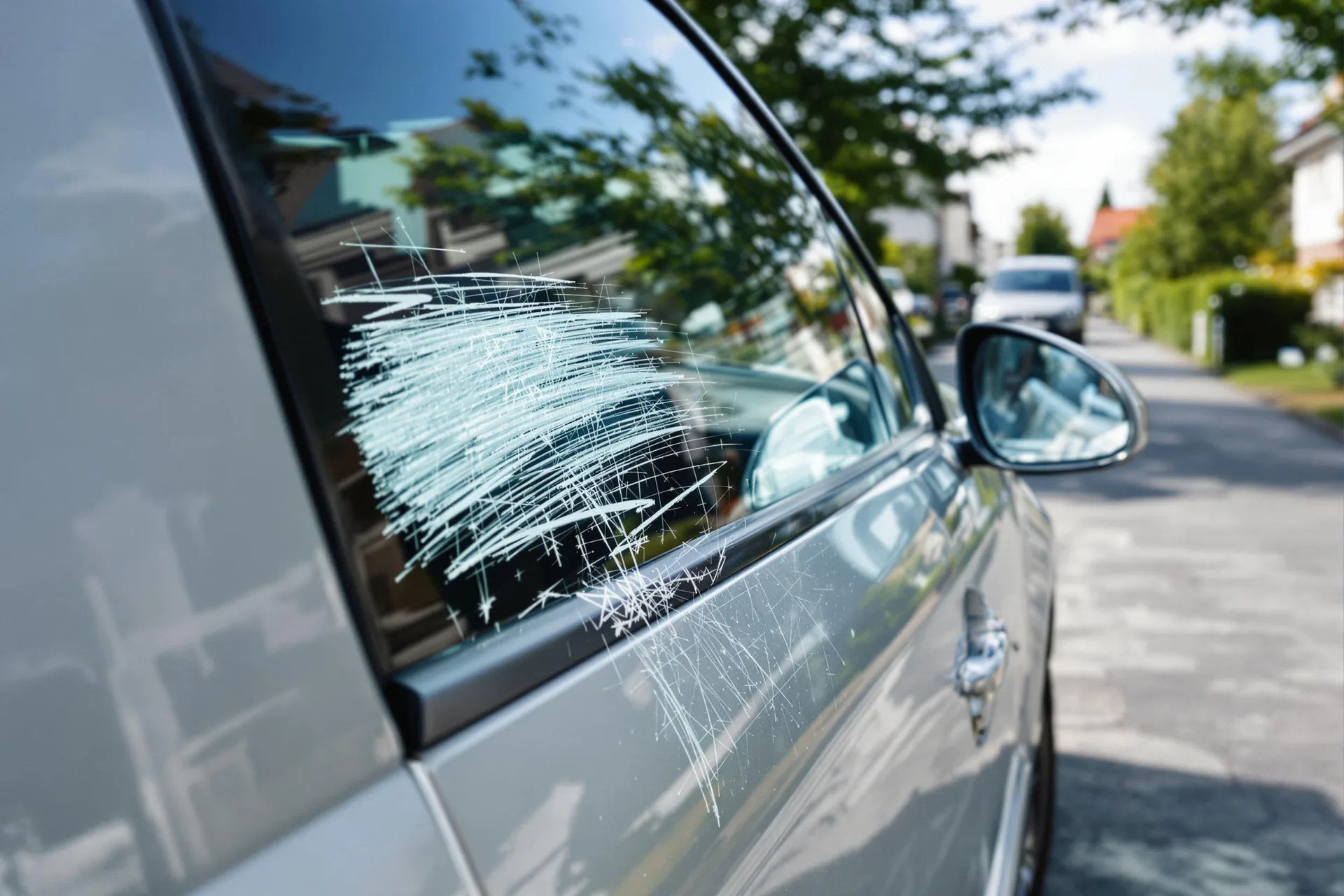
- Pure breakage damage to glazing without external impact
- Vandalism damage that goes beyond partial cover
This extension of cover closes a critical gap, which is particularly relevant for high-value and sensitive classics.
Cost-benefit analysis: When is the surcharge worth it?
Comprehensive all-risk cover is, on average, between 15 and 30 per cent more expensive than a conventional fully comprehensive insurance policy. For a vehicle valued at €80,000, the annual premium can quickly amount to €780 instead of €600. This extra cost of €180 seems small when you consider the risk of engine damage worth €25,000. The investment pays for itself with the first major claim that is not covered by standard comprehensive insurance. A comparison of classic car insurance policies shows that premium cover is especially worthwhile for vehicles with a high market value. Many insurers require a minimum value of €25,000 and a condition rating of at least two for all-risk cover. The exact costs of classic car insurance depend on many factors, but the potential financial protection often justifies the higher premium. This turns an additional investment into protection against repair costs that could threaten your very existence.
Requirements and exclusions: What you need to bear in mind
Not every vehicle qualifies for comprehensive cover. Most providers require specific conditions for classic car insurance. These usually include:
- A minimum vehicle age of 30 years.
- A current valuation report certifying a market value of often at least 25,000 euros.
- A limited annual mileage, which is often capped at a maximum of 9,000 kilometres.
- Proof of an everyday vehicle for daily use.
Despite the broad protection, there are clear exclusions. Damage caused by normal wear and tear or rust is generally not covered. Damage that occurs during racing events or through gross negligence is also excluded. A look at the policy terms is therefore essential in order to understand the exact scope of cover. Knowing these framework conditions is crucial for choosing the right policy.
Expert tip: How to find the right provider
The search for the right all-risk cover requires more than a simple price comparison. It is crucial to choose an insurer with expertise in the classic car segment. Specialist providers understand the difference between market value and replacement value and offer flexible solutions. Pay attention to the details in the policy, such as cover for increases in value, which with some providers amounts to up to 25 per cent. Our expert tip: Check whether the insurer waives any premium increase in the event of a claim, as classic cars do not have traditional no-claims bonus classes. A good policy also often includes additional benefits such as breakdown cover specifically for classic cars. Careful selection of the partner determines whether the question of when classic car insurance is worthwhile can be answered positively in the event of a claim.
Frequently asked questions
- From what vehicle value is comprehensive cover worthwhile?
All-risk cover usually makes sense for classic cars with a market value of €25,000 or more, as the potential costs of damage not covered by the policy (e.g. to the engine) are particularly high.
- Does the all-risk cover also cover restoration costs?
No, the costs of a planned restoration are not covered. The insurance covers unforeseen damage. However, spare parts stored for an upcoming repair are often insured up to a certain value.
- Do I always need a valuation report for all-risk cover?
Yes, an up-to-date appraisal from a recognised expert is almost always required to arrange all-risk cover. This serves as the basis for the sum insured.
- Does the protection provided by all-risk cover also apply abroad?
Yes, cover generally applies throughout Europe. For trips outside Europe, the territorial scope should be checked in the policy and, if necessary, extended.
- What happens if my classic car increases in value?
Good policies with comprehensive cover include provision for increases in value. If the value of your vehicle rises, this increase is often automatically insured for up to 30 per cent above the value stated in the valuation report.
- Is damage covered at a classic car rally?
This depends on the type of event. Journeys undertaken solely to achieve top speeds are excluded. Regularity or tourist rallies, however, are often included in the insurance cover. This should be clarified with the insurer in advance.
Sources
- [1]The Federal Motor Transport Authority (KBA) provides information in a press release about classic cars in 2023.
- [2]The Federal Motor Transport Authority (KBA) provides a short report with statistics on the age and stock of classic cars in 2023.
- [3]Statista offers statistics on the number of classic cars with H licence plates in Germany.
- [4]The development of classic car prices and the classic car index in Germany is presented in a statistic by Statista.
- [5]The ADAC published an article on the 2022 classic car statistics with stock figures from the Federal Motor Transport Authority.
- [6]German Insurers offer comprehensive information on the topic of insuring classic cars.
Conclude directly online
Verified partner tariffs at no extra cost. The button takes you straight to the provider's calculator.
 OCC
OCC
Classic car insurance
Modular motor insurance for classic and collector vehicles: liability, partial and comprehensive cover, plus optional add-on modules.
- Coverage area:
- Europe and non-European EU territories
- Notice period:
- 1 month before the end of the insurance year
- Payment frequency:
- monthly to annual
- Motor liability for third-party damage caused by the insured vehicle
- Partial comprehensive: theft, hail, storm, glass breakage
- Comprehensive: additionally covers vandalism and accidents
- ComprehensivePlus (VollkaskoPlus): further damage while operating the vehicle
- Roadside assistance package, driver protection, and vehicle environmental-damage cover are optional
Key exclusions
- Damage caused intentionally
- Participation in motorsport events and races
- Damage to cargo
- Wear-and-tear damage (Comprehensive/ComprehensivePlus)
Sums insured and the deductible are set out in the individual application or policy document. Insurer: Provinzial Nord Brandkasse AG
Fact sheet: benefits, exclusions and waiting periods in detail
All details are taken from the provider's linked product page and the contract documents (IPID/policy conditions) published there; the insurer's documents prevail. Premiums, benefits and the insurance product itself may change – please verify the details directly with the partner before signing up; only the information provided there is binding.
Information last updated: July 2026 · Source: provider product information (IPID/policy conditions)