Equine Surgery Insurance: Wolf Teeth & Dental Surgery
Does equine surgery insurance cover wolf tooth extraction or root canal treatment? Reimbursement, tartar, and anesthesia explained.
All details are taken from the provider's linked product page and the contract documents (IPID/policy conditions) published there; the insurer's documents prevail. Premiums, benefits and the insurance product itself may change – please verify the details directly with the partner before signing up; only the information provided there is binding.
 Katrin StraubManaging DirectorInsurance expert with over 20 years of experience in the insurance industry.
Published on
12 min read
Table of Contents
Yes, a strong equine surgery insurance policy covers the cost of extracting wolf teeth and medically necessary root canal treatments, since these count as surgical procedures. The usual requirement is that tissue is cut and the procedure is carried out under sedation or general anesthesia. The line is clear. Purely routine care such as tartar removal, routine tooth rasping, or cosmetic corrections, on the other hand, are generally excluded from a pure surgery policy.
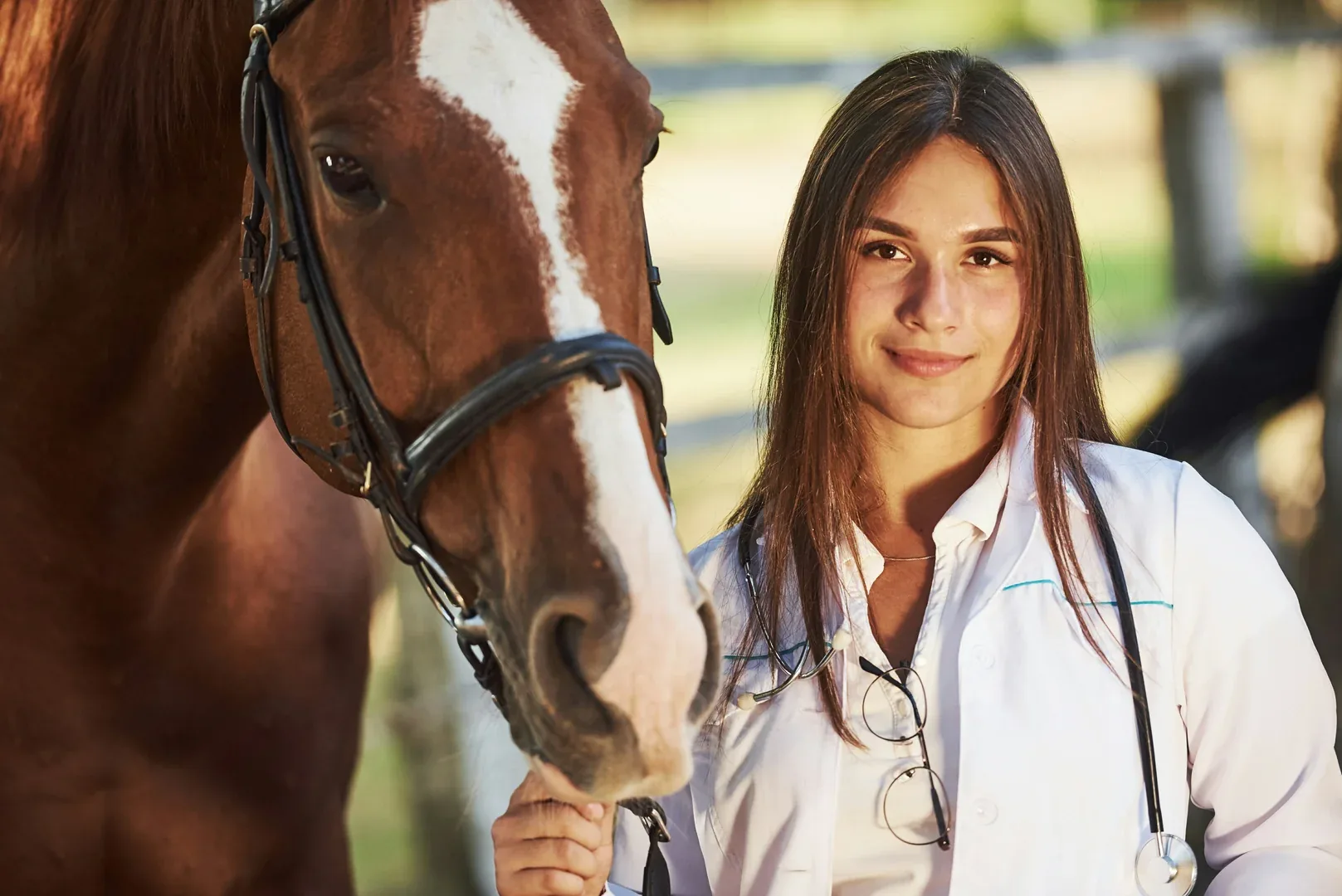
Equine surgery insurance
Horse surgery insurance via nextsure: Three flexible tariffs, reimbursement up to twice the GOT rate, and free choice of clinic worldwide. Protect your horse from high surgery costs – digital, transparent and uncomplicated.
Learn moreBasics of Dental Surgery in Horses
Anatomy and Surgical Procedures
The basics of dental surgery in horses require a precise understanding of both the anatomical specifics and the definitions used in the insurance contract. A horse's milk-tooth set comprises 24 teeth, while adult animals can develop up to 44 teeth [5]. This complex and massive structure of the horse's skull makes veterinary procedures inside the mouth extremely demanding and time-consuming. Under the policy conditions, a surgery is strictly defined as a veterinary-necessary surgical procedure on or inside the animal's body. The skin or the tissue beneath it must be cut through more than just superficially.
Tooth extractions and extensive root canal treatments clearly fall under this definition, provided they directly restore the animal's health. The attending vet's precise classification is absolutely decisive for the insurer's later benefit decision. The risk is high. Without this clear surgical definition, insurers often refuse to settle the submitted vet bills. Under Barmenia's general insurance conditions, procedures such as primary and secondary wound closure as well as tooth extractions are explicitly recognized as surgery. This creates legal clarity for the horse owner.
The Role of Standing Sedation
A key factor in dental procedures is the type of anesthesia used, which largely determines the surgical risk. Many procedures under standing sedation are now the absolute standard in modern equine medicine. Standing sedation, correctly combined with strong local anesthesia, significantly reduces the cardiovascular risk and the risk of injury when the heavy animal gets back up, compared directly to general anesthesia performed lying down. Modern, strong equine surgery insurance tariffs explicitly cover procedures under general anesthesia, sedation, local anesthesia, or standing sedation itself, without any deductions. This is a major strategic advantage for horse owners. Minimizing risk by avoiding general anesthesia protects the animal physically. At the same time, the policy covers the substantial costs of the specialist clinic. Owners should avoid tariffs that mandate general anesthesia. Barmenia explicitly lists standing sedation in its conditions as a recognized method. This prevents later disputes over coverage when settling the bill.
Distinguishing from Pure Dental Care
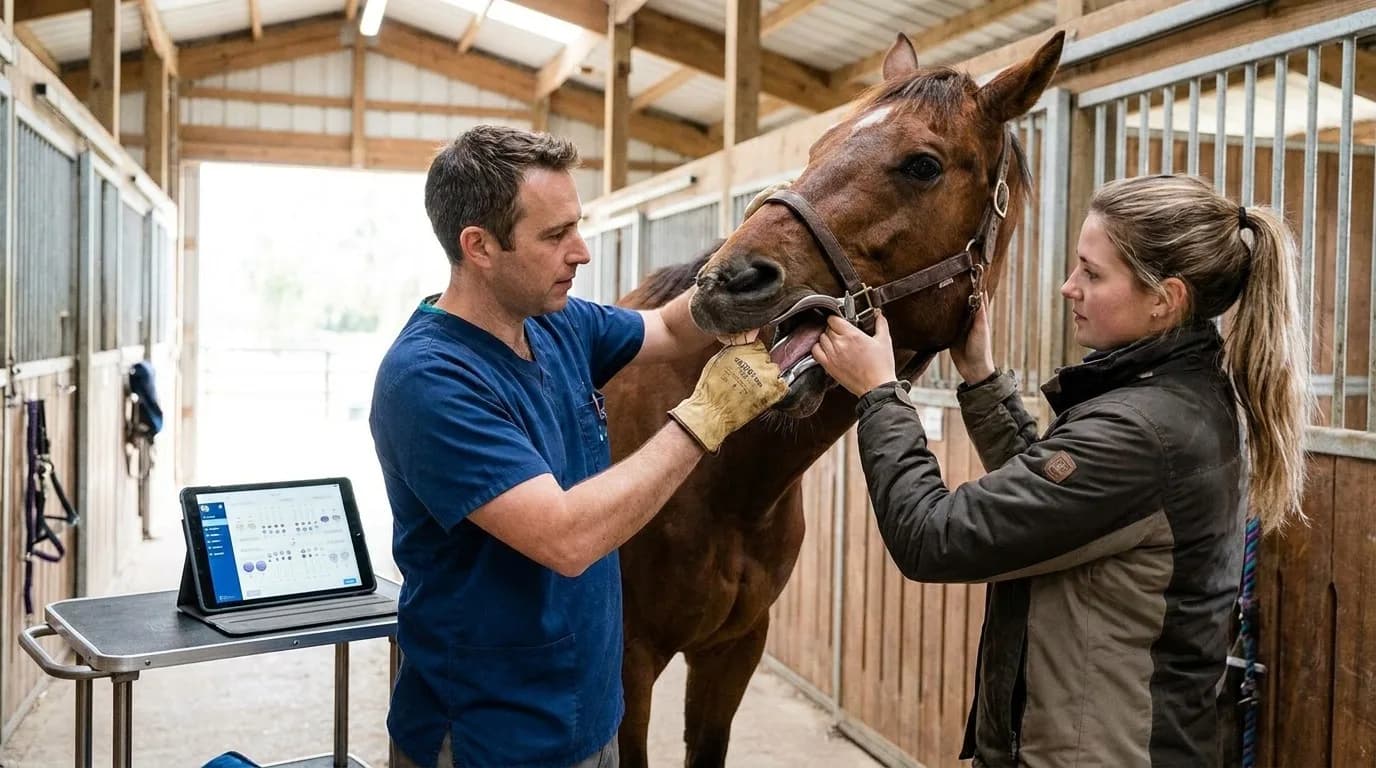
A crystal-clear distinction from pure dental care is essential for the insurer to cover the cost. Routine treatments such as the annual tooth rasping are very often carried out under light sedation using special electric rasps to smooth sharp edges on the molars [1]. However, such preventive measures count under the policy as pure care measures and explicitly not as surgical operations. The required cutting of tissue is completely absent from these purely mechanical grinding procedures. They therefore generally do not fall under the protection of a pure surgery cost policy and must be paid out of pocket. Owners must check this distinction carefully when choosing a policy. Only this way can later, often frustrating, coverage gaps in the vet bill be effectively avoided. Barmenia explicitly excludes dental care and cosmetic dental treatments in its conditions. Prevention thus remains the owner's own financial responsibility.
Cost Coverage for Wolf Teeth
Medical Necessity of Extraction
Cost coverage for wolf teeth is a central and frequently discussed topic for many riders and horse owners. Wolf teeth are evolutionary remnants that do not erupt in every horse but often cause pain when riding with a bit [5]. These small, pointed teeth usually sit directly in front of the first molars in the upper jaw. When the metal bit knocks against these sensitive teeth, the horse reacts defiantly, tosses its head, or refuses to accept contact. In such painful cases, the medical necessity of extraction is beyond doubt. Vets recommend early removal to prevent chronic inflammation and lasting rideability problems. The procedure requires special instruments. Vets must properly document the diagnosis before the operation to prove the medical indication to the insurer. Barmenia explicitly lists the extraction of so-called wolf teeth in its insurance conditions as a covered procedure. This gives the owner absolute planning security.
Tariff Classification as a Surgical Procedure
The tariff classification of this procedure is now very clearly regulated among the leading providers on the market. Removing troublesome wolf teeth is covered by providers such as R+V as a surgical procedure to resolve gum problems [3]. The extraction of wolf teeth is also explicitly listed as a covered benefit in Pegaschutz's premium tariffs [4]. The operation is usually carried out under deep sedation and local anesthesia directly in the home stable or at the clinic. Since the gum is opened with a scalpel and the tooth is extracted along with its root, the strict definition of a surgery is fully met. Cost coverage for dental treatments of this kind noticeably eases the owner's budget. Bills for such procedures quickly reach several hundred euros. Barmenia reimburses these costs within the agreed fee rates of the GOT. Insurance cover applies reliably here.
Aftercare and Feed Adjustment
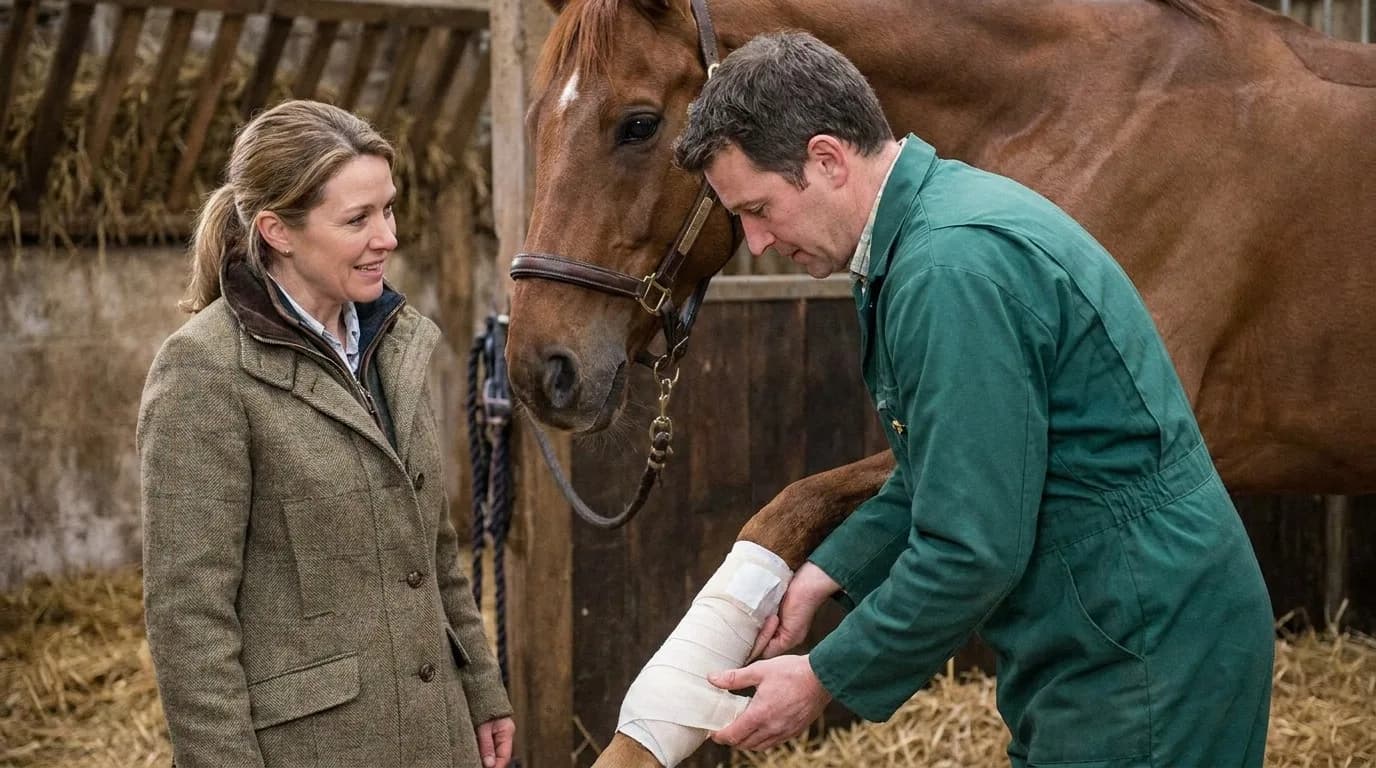
After the successful extraction of wolf teeth, the enormously important phase of veterinary aftercare begins. After a tooth extraction, the horse needs soft feed to support wound healing in the mouth [1]. Soaked hay cobs or special mash are ideal in the first few days after the operation. The vet must regularly check the wound cavity to rule out serious infections from lodged feed residue. Surgery cost insurance generally also covers the cost of this immediate follow-up treatment. This includes painkillers, antibiotics, and anti-inflammatory medication prescribed by the vet. Proper aftercare secures the success of the operation. The horse usually recovers quickly. After a few days, training with a bitless bridle can often be resumed gently. However, special diet feed is excluded from reimbursement under Barmenia's conditions. The owner must pay for special feed themselves.
Important steps after wolf tooth extraction
- Switch to soft feed (hay cobs, mash) for at least three to five days.
- Daily rinsing of the mouth as directed by the vet to prevent infection.
- Consistent administration of the prescribed painkillers and anti-inflammatories.
- No bit for at least two weeks, so as not to disturb wound healing.
- Veterinary follow-up check of the wound cavity before resuming normal training.
The surgery insurance covers the cost of the veterinary follow-up check and the prescribed medication within the tariff's aftercare period.
Root Canal Treatments and Complex Procedures
Indications for Root Canal Treatment
Root canal treatments represent a highly complex and extremely costly area of modern equine medicine. Root infections often arise from traumatic tooth fractures or from deep, undetected decay. Bacteria penetrate deep into the pulp and cause painful, purulent inflammation there. Left untreated, this severe inflammation can spread to the jawbone or the sensitive sinuses. An elaborate root canal treatment or the complete surgical extraction of the affected molar then becomes absolutely unavoidable. Such procedures often take several hours and require highly specialized vets at a well-equipped equine clinic. Surgery cost insurance explicitly covers root canal treatments, since they are undeniably surgical measures to restore health. Without insurance cover, bills can quickly reach the mid four-figure range. Barmenia expressly names root canal treatments as a covered risk in its conditions. This protects the owner from financial ruin.
Reimbursement of Preliminary Examinations
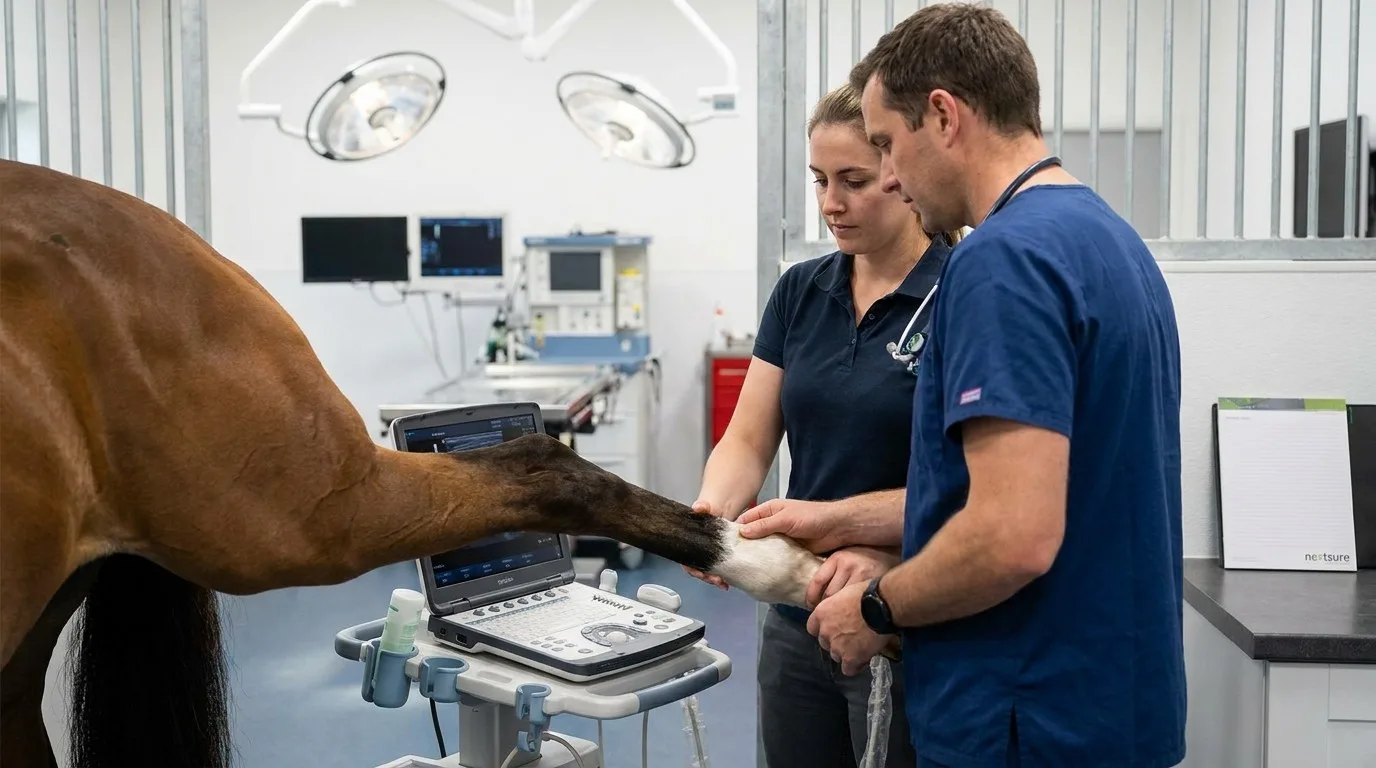
Before such a major surgical procedure, extensive and costly preliminary examinations are essential. Precisely locating the diseased tooth and the inflamed root requires modern imaging techniques. Digital X-rays of the skull or a computed tomography (CT) scan provide the surgeon with the necessary three-dimensional images. The cost of these pre-surgical examinations is fully included in the cover of high-quality tariffs. This applies to all veterinary measures that appear suitable for establishing a precise diagnosis. These include clinical examinations, endoscopies of the airways, and blood lab analyses. If the insured animal tragically dies after the anesthesia has begun, the operation is nonetheless considered to have been performed under the contract. The high preparatory costs are reimbursed by the insurer in this case as well. Barmenia reimburses imaging procedures such as CT and MRI per operation. Diagnostics are thus financially covered.
Maximum Compensation and GOT Rates
These complex operations are billed strictly according to the revised German Veterinary Fee Schedule (Gebührenordnung für Tierärzte, GOT). Insurers reimburse the vet's fees up to the fee rate documented in the policy. R+V's surgery cost insurance pays out regardless of the billed GOT rate and offers free choice of vet and clinic [3]. In acute emergencies at night or on weekends, strong tariffs even cover up to four times the fee rate plus the statutory emergency service fee. Maximum compensation per operation varies considerably depending on the chosen tariff model. Owners should favor tariffs without rigid annual limits or with very high coverage amounts. Complex dental surgery with CT diagnostics and a multi-day clinic stay can become extremely expensive. An unlimited tariff model offers maximum financial security for the horse owner here. Barmenia also covers up to four times the GOT rate for emergency service. This is a decisive quality feature.
Exclusions for Tartar and Corrections
Tartar Removal as Routine Care
The exclusions for tartar define the limits of surgery cost insurance very clearly and unambiguously. Tartar affects around 80 percent of all horses and builds up particularly often on the canine teeth of stallions [2]. Calcium-rich feed such as alfalfa hay, combined with saliva, promotes tartar formation in horses [2]. The vet must mechanically remove larger amounts of tartar, since aggressive bacteria that can cause painful periodontal disease settle in it [2]. Nevertheless, tartar removal counts in insurance terms as a pure care measure. It is explicitly excluded from cover under the general insurance conditions for surgery costs. Owners must pay for this preventive dental cleaning out of their own pocket, since no surgical procedure is involved. Barmenia categorically excludes tartar removal in its conditions. This keeps premiums stable for the community of policyholders.
Jaw Anomalies and Cosmetic Procedures
Besides tartar removal, other specific dental services are strictly excluded under the contract. The surgery policy does not reimburse cosmetic dental treatments or the elaborate fitting of dentures for horses. The same applies to the surgical correction of congenital dental and jaw anomalies. A typical example is persistent deciduous canines - baby canine teeth that do not fall out on their own and must be extracted, even though there is no acute illness. Operations that merely serve to produce the breed standard are likewise entirely excluded from cover. These clear exclusions serve the long-term calculability of premiums for the community of policyholders. They focus the insurance cover exactly on unforeseeable, medically necessary surgical procedures resulting from illness or accident. Barmenia explicitly excludes the correction of persistent deciduous canines. The focus is on genuine cases of illness.
Prevention through Regular Checks
To avoid costly operations and painful dental disease, consistent prevention is the best approach. Regular dental checks in horses help prevent serious inflammation and expensive dental surgery [5]. At least once a year, a specialized equine dentist or an appropriately trained vet should routinely check the teeth. In doing so, sharp hooks and edges are rasped down and the biomechanical balance of the jaw is carefully checked. Owners bear the cost of these routine examinations themselves, since they are not covered by surgery insurance. However, they are an absolutely worthwhile investment in keeping the animal healthy. A healthy, pain-free set of teeth is the absolute basic requirement for optimal feed utilization and the horse's unrestricted performance in equestrian sport. Routine examinations are contractually excluded under Barmenia. The owner bears full responsibility here.
| Type of treatment | Examples | Coverage under surgery insurance |
|---|---|---|
| Surgical procedures | Extracting wolf teeth, root canal treatment, fracture extraction | Yes, generally fully reimbursable |
| Prophylaxis & care | Tartar removal, routine tooth rasping | No, explicitly excluded |
| Anomalies & cosmetics | Correction of overbite, extraction of persistent milk teeth, dentures | No, contractually excluded |
The exact classification depends on the specific insurance conditions (AVB) of the chosen tariff. When in doubt, owners should request a cost coverage confirmation from the insurer before the procedure.
Waiting Periods and Tariff Conditions
General Waiting Period for Dental Surgery
Waiting periods govern the exact start of insurance cover after the formal conclusion of the contract. For insured events resulting from general illness, which also includes dental disease, the waiting period is usually 3 months. The waiting period for general operations is usually 3 months but is waived for accidents [4]. If a diagnosis of a treatment-requiring root infection occurs within these first three months, the condition is permanently not covered. This strict rule protects the community of policyholders from opportunistic contract signings for already-known acute cases. For certain life-threatening procedures, such as abdominal surgery for severe colic, a significantly shorter waiting period of just 5 days often applies. For dental disease, however, the regular three-month period remains in place. Barmenia defines this 3-month period for general illness very clearly. This prevents abuse through pre-existing conditions.
Waiver of the Waiting Period for Accidents
Immediate insurance cover with no waiting period at all applies only in the case of provable accidents. Under the conditions, an accident is defined as an event that suddenly acts on the animal's body from the outside. If the horse suffers, for example, a serious pasture accident or a kick from another horse that leads to a major tooth fracture, the three-month waiting period is waived entirely. The veterinary treatment and the subsequent operation must in this case be demonstrably and exclusively attributable to the accident. Health damage from the unintentional ingestion of poison bait also counts under the tariff as an accident. This exception rule ensures fast financial help in unforeseeable emergencies. The owner must document the course of the accident in detail. Barmenia fully waives the waiting period for accidents. Cover applies from day one.
Deductible and Reimbursement Rates
The financial relief in a specific claim depends heavily on the deductible agreed in the contract. Tariffs often offer a choice between a percentage reimbursement rate (for example 80 or 100 percent) or a fixed out-of-pocket amount per operation (around 250 euros). An agreed deductible noticeably lowers the monthly insurance premium. For an expensive root canal treatment costing 2,500 euros, a reimbursement rate of 80 percent means an out-of-pocket share of 500 euros for the owner. The owner must weigh strategically whether they prefer a lower ongoing cost or full cost coverage in a real emergency. The chosen option is bindingly documented in the insurance policy. A tariff with no deductible offers maximum planning security for the household budget. Barmenia transparently documents the chosen reimbursement rate in the insurance policy. This avoids surprises when the bill is settled.
Aftercare and Alternative Healing Methods
Duration of the Aftercare Period
Aftercare is an integral and indispensable part of a successful dental operation in horses. Insurers define a fixed aftercare period that begins directly on the day after the operation. Aftercare is included in the scope of benefits for up to 15 days following an insured operation [3]. Within this defined period, all necessary treatments that serve to restore health are reimbursed. These include veterinary wound checks, rinsing the wound cavity, and administering strong medication. Wound sutures and stapling wounds under sedation are also covered [4]. The exact duration of reimbursable aftercare varies by tariff model, between 7 and 20 days. Owners should favor tariffs with long aftercare periods. Barmenia documents the exact number of aftercare days in the insurance policy. This creates transparency for the customer.
Physiotherapy and Regenerative Therapies
Modern tariffs increasingly integrate alternative and regenerative therapies into covered aftercare. If effectiveness is backed by veterinary science, premium tariffs also reimburse acupuncture, magnetic field therapy, or laser therapy. These advanced methods can significantly speed up wound healing after a major tooth extraction and relieve pain. Under Barmenia's premium cover, after the regular aftercare period ends, up to five physiotherapy treatments of a maximum of 60 minutes each are additionally insured. A vet or a recognized animal physiotherapist carries these out following referral. Such additional benefits offer enormous added value for the horse's rapid recovery. Tension in the jaw joint and neck area, which often accompanies dental problems, can thus be treated effectively and sustainably. Barmenia covers these costs according to the GOT. The healing process is optimally supported.
Billing Requirements under the GOT
Reimbursement of all aftercare measures is bound by strict formal requirements from the insurance companies. All services, medications, and consumables must be billed according to the valid German Veterinary Fee Schedule (GOT). The attending vet must confirm the medical necessity of the prescribed aids and medications on the bill. Special diet feed, mash, or preventive vitamin supplements are generally excluded from reimbursement, even if they could support the healing process after dental surgery. Bills must state the exact diagnosis, the billed service items, and the horse's chip number in detail. Only formally correct receipts ensure smooth payment by the insurance company. Owners should notify the equine clinic of these formal requirements in advance. Barmenia requires the bill to be submitted no later than one month after treatment ends. Deadlines must be strictly observed.
Comparing Surgery and Health Insurance
Scope of Benefits under Health Insurance
A comparison of the available coverage concepts reveals clear strategic differences. The difference between surgery and health insurance lies primarily in the scope of covered benefits. Equine health insurance also covers conservative treatments that do not require a surgical procedure. This includes colic treatment without surgery, extensive lameness diagnostics, blood panels, and often preventive measures such as vaccinations or deworming. Some premium health tariffs even subsidize regular tartar removal or annual tooth rasping with a fixed budget. However, this extremely comprehensive cover is reflected in significantly higher monthly premiums. Health insurance is the all-inclusive solution for safety-minded owners. It protects against almost all vet costs but requires a higher monthly budget for the insurance premium. nextsure offers detailed tariff comparisons on this. The customer chooses the right cover.
Focus of Pure Surgery Cost Insurance
Pure surgery cost insurance deliberately focuses on the existential financial risks of horse ownership. It only applies when a surgical procedure under anesthesia or sedation is strictly necessary. Owners bear conservative treatments and pure diagnostics without a subsequent operation entirely themselves. In return, the monthly premiums for this policy are considerably cheaper and more stable. For many horse owners, this option represents the absolutely optimal compromise. It protects against the ruinous cost of emergency surgery or a complex root canal treatment but leaves the plannable expense of routine examinations within the owner's own budget. The choice depends heavily on individual financial risk tolerance. Anyone who cannot easily spare 3,000 euros for an operation urgently needs this basic cover. Barmenia offers strong surgery tariffs here. The financial risk is minimized.
Strategic Coverage for Horse Owners
Coverage for hobby and livestock animals requires a precise and honest needs analysis by the owner. As a digital broker, nextsure offers a transparent platform to objectively compare hand-picked tariffs on the market. Experts examine in detail whether a pure surgery policy is sufficient for the individual horse or whether full health cover is strategically more sensible. Factors such as the animal's age, known pre-existing conditions, and the intended sporting use all play a major role in the recommendation. A well-founded comparison protects against expensive over-insurance while reliably covering critical risks such as complex root canal treatments. Data-driven advice protects the owner from coverage gaps in the event of a claim. nextsure operates independently and with a customer focus. Advice is provided digitally and efficiently.
Frequently asked questions
- Does equine surgery insurance cover the extraction of wolf teeth?
Yes, the extraction of wolf teeth is covered by strong equine surgery insurance policies. Since the gum is opened and the tooth is extracted, the procedure counts as an insured surgical operation. The requirement is medical necessity, for example if the tooth causes pain while riding.
- Are root canal treatments in horses insured?
Root canal treatments are generally covered by surgery cost insurance. They require a surgical procedure under sedation or general anesthesia to remove inflamed tissue and restore the horse's health. The necessary preliminary examinations, such as X-rays, are usually reimbursed as well.
- Are tartar removal and dental care paid for?
No, pure tartar removal and routine tooth rasping count as preventive care measures. Since no tissue is cut in the process, these treatments do not fall under the protection of a pure surgery cost insurance policy. The horse owner must bear these costs themselves.
- Is the correction of dental and jaw anomalies covered?
The surgical correction of congenital dental and jaw anomalies, such as extracting persistent deciduous teeth without acute inflammation, is explicitly excluded under most tariffs. Cosmetic procedures or the fitting of dentures are also not reimbursed by surgery insurance.
- Does the dental surgery have to be done under general anesthesia?
No, modern equine surgery insurance tariffs also pay out when the procedure is carried out under sedation, local anesthesia, or so-called standing sedation. This is especially important for dental surgery, since standing sedation significantly reduces the cardiovascular risk for the horse.
- What waiting periods apply to dental surgery in horses?
For dental operations resulting from illness, a general waiting period of 3 months from the start of the contract usually applies. If the dental condition occurs within this period, it is not covered. Only in the case of accident-related tooth fractures is the waiting period waived entirely.
Sources
Conclude directly online
Verified partner tariffs at no extra cost. The button takes you straight to the provider's calculator.
 Barmenia
Horse surgery insurance
Surgery cost cover for horses in case of illness and accidents, including diagnostics and after-care.
- Waiting period:
- 3 months (colic surgery: 5 days, accidents: none)
- Coverage abroad:
- worldwide, up to 12 months
- Maximum benefit:
- depends on the cover level, as stated in the policy
- Surgery costs for illness and accidents, including tooth extractions and root canal treatment
- Pre-surgical examination (X-ray, endoscopy, biopsy, lab work)
- After-care including acupuncture, homeopathy, physiotherapy, laser therapy
- Emergency veterinary service up to 4x the standard veterinary fee schedule (GOT) rate plus the emergency callout fee
- Premium cover: up to 5 physiotherapy sessions (max. 60 minutes each) after the after-care period ends
- Once per animal: surgery costs for a birth-related, medically necessary caesarean section
Key exclusions
- Illnesses and developmental abnormalities known at the time of application
- Hoof abscesses and hoof ulcers (exception: hoof cancer)
- Surgery due to cryptorchidism
- Neutering that isn't medically necessary
Service-Champions GOLD: Nr. 1 der Versicherer im Multikanalvertrieb (ServiceValue, 10/2024)
Barmenia (Anbieter der Pferde-OP-Versicherung)
Special waiting periods: 12 months for joint surgery (chip fragments, OC/OCD, Birkeland fractures), 6 months for medically necessary neutering; Premium cover includes a waiver of the insurer's right to cancel from the 7th insurance year.
Fact sheet: benefits, exclusions and waiting periods in detail
All details are taken from the provider's linked product page and the contract documents (IPID/policy conditions) published there; the insurer's documents prevail. Premiums, benefits and the insurance product itself may change – please verify the details directly with the partner before signing up; only the information provided there is binding.
Information last updated: July 2026 · Source: provider product information (IPID/policy conditions)