Multi-Horse Equine Surgery Insurance: Tariffs & Waits
How equine surgery insurance works for multiple horses, which waiting periods apply, and how multi-horse owners save money.
All details are taken from the provider's linked product page and the contract documents (IPID/policy conditions) published there; the insurer's documents prevail. Premiums, benefits and the insurance product itself may change – please verify the details directly with the partner before signing up; only the information provided there is binding.
 Katrin StraubManaging DirectorInsurance expert with over 20 years of experience in the insurance industry.
Published on
12 min read
Table of Contents
Equine surgery insurance for multiple horses can often be arranged either as one joint contract or through bundled individual contracts. The contractual waiting period applies to each horse individually from its respective start of cover. Special herd tariffs offer financial advantages for owners with multiple horses. For accidents, the waiting period is generally waived immediately for the affected animal.
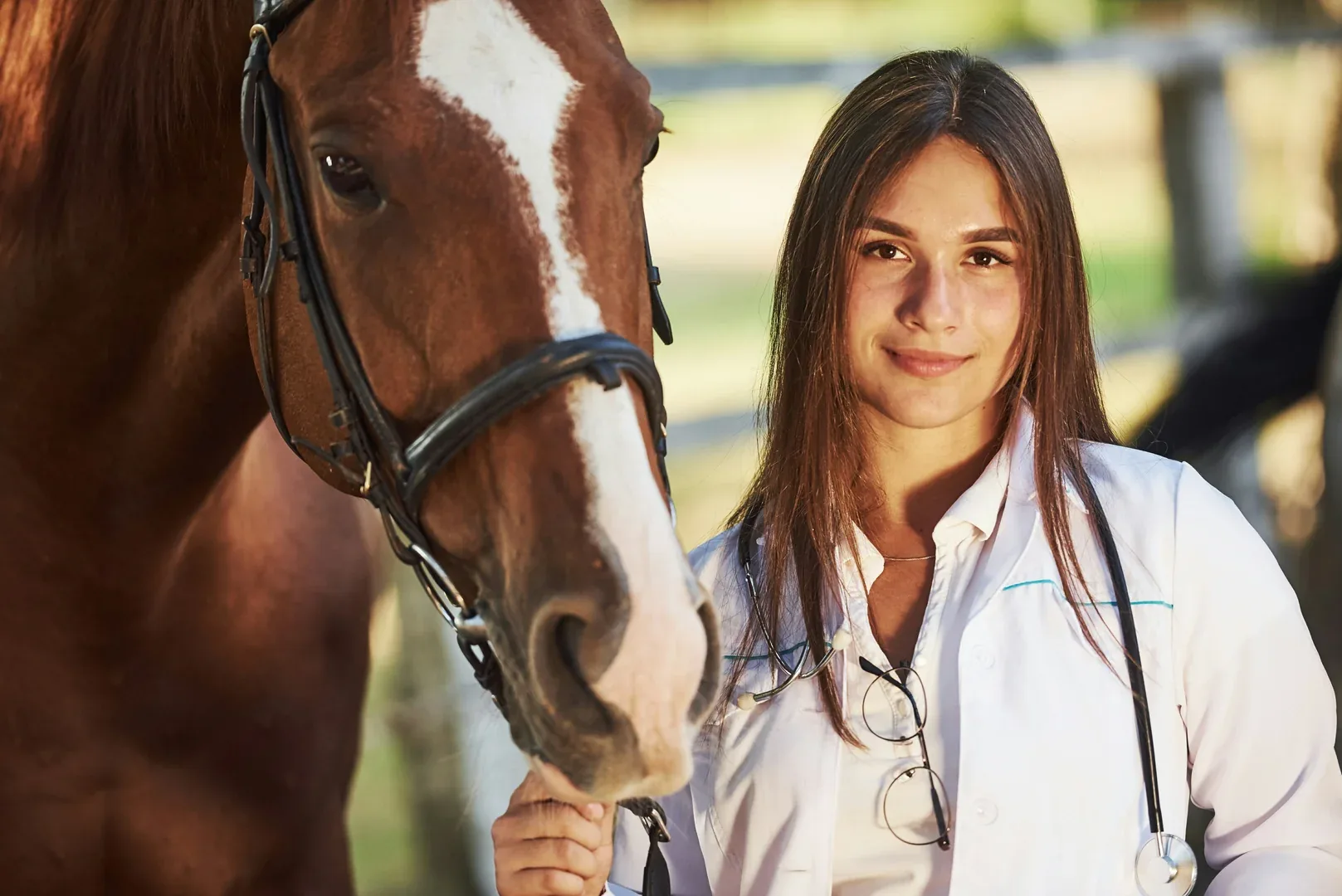
Equine surgery insurance
Horse surgery insurance via nextsure: Three flexible tariffs, reimbursement up to twice the GOT rate, and free choice of clinic worldwide. Protect your horse from high surgery costs – digital, transparent and uncomplicated.
Learn moreBasics of equine surgery insurance for owners with multiple horses
Definition of the insured event
The basics of equine surgery insurance for owners with multiple horses cover surgical procedures under anesthesia. An insured event exists when a veterinary-medically necessary operation is carried out due to illness or accident. The procedure must be carried out under general anesthesia, sedation, local anesthetic, or standing anesthesia. The skin or underlying tissue must be cut through by more than a mere puncture. This precise definition protects the policyholder from unclear benefit limits. Wound care by suturing or stapling also falls under this cover. Precise knowledge of these parameters is crucial. Owners with multiple horses need to know exactly when cover applies. This prevents surprises in an emergency. Barmenia precisely defines the insured event according to these criteria in its terms (as of 01.01.2024), to avoid misunderstandings in claims billing.
Co-insured procedures and dental treatments
Besides classic surgical incisions, specific procedures in the head area are also covered. Tooth extractions, including removal of so-called wolf teeth, count as an operation. Root canal treatments under sedation or anesthesia are likewise covered. These procedures are common in horses and are often associated with substantial costs. Anyone learning about the basic benefits of equine surgery insurance will find that these details substantially determine the value of a tariff. Reimbursement follows the fee schedule for veterinarians. Precise documentation by the treating vet is mandatory. Without correct invoicing, reimbursement can be denied. Barmenia, however, explicitly excludes cosmetic dental treatments and correction of dental and jaw abnormalities from cover.
Distinction from full health insurance
Owners of multiple animals often face the question of the optimal coverage concept. Pure surgery cost insurance covers only surgical procedures and their immediate pre- and aftercare. Conservative treatments without surgery are excluded here. Anyone who also wants to cover regular veterinary costs for the herd should consider comprehensive horse health insurance. Premiums for full insurance are naturally considerably higher. For herds of three or more horses, pure surgery cover is often the more economical choice. It protects against existentially threatening financial risks. Smaller treatments are then paid from regular funds. Barmenia offers special tariffs for this purpose that focus on cost-intensive surgical procedures.
Typical procedures covered under surgery insurance
- Classic surgical procedures involving cutting through tissue
- Wound care via primary and secondary suturing
- Tooth extractions including wolf teeth
- Root canal treatments under sedation
- Colic operations involving opening the abdominal cavity
The exact benefit limits vary depending on the chosen tariff and provider.
Waiting periods and special rules for multiple animals
Individual calculation of the waiting period
For multiple animals, insurers calculate waiting periods individually for each horse from its respective start of cover. There is no blanket waiting period that expires simultaneously for the entire herd. When a new horse is added to an existing contract, a separate, new waiting period begins for that animal. The general waiting period for claims due to illness is generally three months. For abdominal operations, especially for colic, this period is often shortened to five days. This short period is life-saving. Colic occurs unpredictably and requires immediate action. Barmenia consistently applies these deadlines to keep the risk calculable for the pool of policyholders.
Special waiting periods for specific diagnoses
Extended periods apply for certain orthopedic and specific conditions. For joint operations due to isolated shadowing, osteochondrosis (OC), osteochondrosis dissecans (OCD), Birkeland fractures, or bone chips, the special waiting period is twelve months. A waiting period of six months also applies for castrations that are medically necessary due to gynecological, andrological, or oncological conditions. Anyone looking for options with no waiting period must carefully check the terms. The waiting period protects insurers against the misuse of only taking out a contract shortly before a foreseeable operation [1]. Barmenia defines these special waiting periods in great detail in its AVB.
Waiver of the waiting period for accidents
A key advantage of many tariffs is immediate cover for accidents. For claims that are exclusively and demonstrably attributable to an accident, the waiting period is waived entirely. An accident is defined as an event that suddenly acts on the insured animal's body from outside. Health damage from ingesting poisoned or contaminated bait is also treated as an accident. In these cases, cover applies from the first day of the contract. The vet must fill out the accident report precisely. Only then is reimbursement secured. Barmenia expressly confirms this immediate cover for accidents in its insurance terms.
Scope of cover and covered operation costs
Reimbursement under the fee schedule (GOT)
The scope of cover includes reimbursement of veterinary costs under the applicable fee schedule for veterinarians. Vets bill up to the fee rate documented in the policy. Standard tariffs often cover twice the GOT rate. High-quality tariffs reimburse up to three or even four times the rate. This is especially important since equine clinics frequently bill higher rates for complicated procedures. Equine surgery insurance covers the costs of medically necessary operations, including the agreed pre- and aftercare [4]. Choosing the right reimbursement rate protects against high co-payments. Barmenia offers tariffs that reimburse up to four times the GOT rate.
Emergency-service fees and increased rates
In emergencies occurring at night, on weekends, or on public holidays, vets charge legally prescribed emergency-service fees. Good insurance tariffs cover this flat emergency-service fee without objection. In addition, they reimburse veterinary services during these defined periods up to four times the fee rate. The existence of an emergency must be explicitly confirmed by the treating vet on the invoice. If this confirmation is missing, only the regular rate is reimbursed. Owners with multiple horses benefit enormously from this rule. Emergencies in large herds statistically occur more often outside regular office hours. Barmenia reimburses the emergency-service fee and the four-times rate, provided this is documented in the policy.
Pre-operative examinations
If an operation is actually carried out, the insurer also reimburses the cost of pre-operative examinations. This includes the examination required to establish the diagnosis. Further measures that directly serve to prepare for the operation are also covered. These include clinical examinations, X-rays, endoscopy, biopsy, and laboratory tests. If the insured animal dies after anesthesia has begun, the operation is deemed to have been carried out. The costs are reimbursed even if the actual surgical procedure had not yet started. This clause offers financial security in the worst-case scenario. Barmenia sets this out very clearly in its AVB under item 2.3.3.
| Tariff level | Regular GOT rate | Emergency-service GOT rate | Emergency-service fee |
|---|---|---|---|
| Basic | 2x | 2x | Not reimbursed |
| Comfort | 3x | 3x | Reimbursed |
| Premium | 4x | 4x | Reimbursed |
Reimbursement of the emergency-service fee requires veterinary confirmation of the emergency.
Exclusions and pre-existing conditions across a herd
Handling known pre-existing conditions
The exclusions in the insurance terms clearly govern which procedures are not reimbursable. Cover excludes illnesses, accidents, or congenital developmental defects that were already known to the owner at the time of application. Full cover, however, applies to conditions that were not known when the contract was concluded. This also applies to genetically caused or acquired developmental defects, provided they are only diagnosed after the waiting period has expired. Honestly answering the health questions in the application is mandatory. Concealed pre-existing conditions lead to loss of cover. In such cases, the insurer can withdraw from the contract. Barmenia sets out this exclusion of known conditions in item 3.1 of its terms.
Uninsured routine procedures
Certain veterinary services are generally excluded from reimbursement. This includes routine examinations, preventive measures, and voluntary treatments not directly related to an illness or accident. Dental care, tartar removal, cosmetic dental treatments, and dentures are also not covered. Operations that merely serve to achieve a particular breed standard likewise are not covered. The owner must bear the treating vet's travel fees, waiting fees, and travel costs themselves. Transport costs for the horse to the clinic are generally also excluded. These clear limits keep premiums affordable. Barmenia lists these exclusions in detail in item 3.2.
Pregnancy and specific diagnoses
Costs for operations related to covering or a false pregnancy are not covered. An important exception is a Caesarean section. The operation costs for a Caesarean section that is veterinary-medically necessary due to complications during birth are covered once per insured animal. Standard castrations or sterilizations are excluded. They are only reimbursed if they are strictly medically necessary due to serious conditions such as tumors. Operations due to hoof abscesses or hoof ulcers are also often excluded. Operations for a vet-diagnosed case of hoof cancer, on the other hand, remain covered. Barmenia sets out these specific exclusions and exceptions in items 3.3 and 3.4 of its AVB.
Aftercare and alternative healing methods
Duration and scope of aftercare
Aftercare plays a central role in the horse's full recovery after a procedure. Reimbursable costs include all treatments directly related to the operation. The aftercare period is fixed in the policy and varies by tariff. Periods of 15 to 30 days after the day of the operation are often covered. Tariffs contribute toward accommodation at an equine clinic after an operation for a certain number of days [3]. If the insurance contract ends before aftercare is complete, ongoing treatments remain covered for the defined period. Barmenia documents the number of insured aftercare days in the policy.
Alternative and complementary veterinary medicine
Modern tariffs increasingly integrate alternative healing methods into aftercare. Procedures such as acupuncture, homeopathy, laser therapy, magnetic field therapy, and neural therapy are reimbursable. The prerequisite is that their effectiveness is scientifically reviewed and documented by veterinary science. Treatment must be applied or prescribed by a vet and billable under the fee schedule for veterinarians. These holistic approaches often considerably speed up the healing process. They reduce the use of strong painkillers. For owners who favor gentle medicine, this component is an important decision criterion when choosing a tariff. Barmenia explicitly includes these methods in aftercare, provided they are billed under the GOT.
Physiotherapy in the premium segment
Choosing premium cover considerably expands the scope of benefits. As part of aftercare, several physiotherapy treatments are often additionally covered. These can last up to 60 minutes per session. Physiotherapy can be carried out by a vet or a recognized animal physiotherapist following a prior referral. This is especially crucial after orthopedic procedures for restoring full mobility. Medications, consumables, and aids prescribed by the vet are also covered during this phase. Complete documentation of prescriptions ensures smooth cost reimbursement. Barmenia offers up to five physiotherapy treatments under premium cover.
Tariff comparison and herd discounts
Advantages of herd tariffs
A detailed tariff comparison reveals the financial differences between individual contracts and special herd tariffs. Herd surgery insurance offers a clear cost advantage over individual contracts once at least two horses are insured [5]. Insurers often grant discounts of five to fifteen percent on the total premium when several animals are bundled into one contract. It is possible to insure several horses at the same time, which often leads to lower premiums per animal [1]. This bundling reduces the administrative burden for both sides. The owner has only one policy and one point of contact for the entire herd. Barmenia enables insuring multiple horses under one contract.
Coverage amounts and limits
A critical point when comparing is the annual maximum compensation. Some providers cap the payout per year and per horse at fixed amounts such as 5,000 or 10,000 euros. R+V offers tariffs with no annual maximum compensation limit, so even very expensive procedures are fully covered [2]. Anyone analyzing the difference from full health insurance will recognize that unlimited surgery tariffs often offer the best protection against ruinous risk. For joint chip operations, many tariffs have special compensation limits per procedure [3]. These sublimits must be checked carefully before signing a contract. Barmenia documents the maximum compensation per operation in the policy.
Integrating other animal species
Many owners with multiple horses run farms or smallholdings with other animal species too. Some insurers allow other animals, besides horses, to be included in framework contracts. Anyone looking for cover for hobby and farm animals can achieve additional bundling discounts by combining different lines with one provider. Newborn foals are often covered free of charge and without a waiting period through the insured mare in the first days of life [5]. This automatic cover closes dangerous coverage gaps in the first, critical weeks after birth. Barmenia offers comprehensive solutions for animal owners.
Steps toward optimal cover for multiple horses
- Herd inventory: document age, breed, and pre-existing conditions of all horses.
- Needs analysis: determine the desired GOT rate and the need for alternative medicine.
- Offer comparison: actively ask about special herd tariffs and bundling discounts.
- Contract review: check sublimits for specific operations (e.g., chips).
- Sign-up: clearly identify all animals in the contract via their chip number.
Careful preparation prevents later coverage gaps in a claim.
Termination, contract term, and administrative processes
Contract terms and renewal
Terminating a contract is subject to clear deadlines and contractual rules for both sides. Contracts are generally concluded for a fixed term, often one or three years. The contract automatically renews for another year if not terminated in time. During the originally agreed term, the policyholder can terminate at the end of the term. From the start of the first renewal year, modern terms often grant a daily right of termination. The contract then ends on the day the termination reaches the insurer. This offers maximum flexibility for the owner. Barmenia sets out these termination deadlines in item 9.2.3 of its AVB.
Insurer's waiver of termination
An outstanding quality feature of high-quality tariffs is the insurer's waiver of its ordinary right of termination. Provided the insured horse did not exceed a certain age (e.g., seven years) at the start of the contract, the insurer waives its right to terminate at the end of the term from the seventh year of the contract onward. The provider may then also no longer terminate the contract after a regular claim. Exceptions exist only for fraudulent misrepresentation, non-payment of premiums, or if the insurer withdraws the entire product line from the market. This clause secures lifelong cover for the aging horse. Barmenia offers this waiver of termination under premium cover.
Billing and direct payment
In a claim, the owner submits invoices promptly, but no later than one month after treatment ends. The invoice must include the owner's name, the horse's chip number, the diagnosis, and the billed GOT line items. At the policyholder's explicit instruction, many companies bill directly with the treating equine clinic. The insurer pays the reimbursable amount directly to the vet. This greatly eases the burden on the owner, since they do not have to advance money for expensive operations. Direct billing should, however, be contractually clarified with the clinic before the procedure. Barmenia enables this direct billing after prior arrangement.
Frequently asked questions
- Can I insure multiple horses under one equine surgery insurance policy?
Multiple horses can be insured in one joint contract or through bundled individual contracts with one provider. Many insurers offer special herd tariffs that grant attractive premium discounts from the second or third horse onward. Each horse must be clearly identified in the contract via its chip number.
- Does the waiting period apply separately to each horse?
Yes, the contractual waiting period is calculated individually for each horse from its respective start of cover. If a new horse is added to an existing contract, a new, separate waiting period begins for that animal. Each animal counts individually. For accidents, the waiting period is generally waived immediately for the affected animal.
- Is there a discount for multiple horses?
Most insurers grant a multi-horse discount when two or more animals are insured. This discount is often between five and fifteen percent of the total premium. The exact amount depends on the provider and the number of insured horses. Comparing tariffs is especially worthwhile here.
- Does every horse have to be individually identified by chip?
Yes, this is mandatory. A prerequisite for cover and benefit reimbursement is that the treated horse can be unambiguously identified. This is generally done via the transponder number (chip number) stored in the contract or the horse's passport number. Without this match, the insurer can refuse to cover costs.
- How do I add another horse to my policy?
Another horse can be added at any time, informally or via the customer portal. This requires the date of birth, breed, chip number, and details of any pre-existing conditions of the new animal. The insurer then issues an addendum to the policy, and the waiting period for the new horse begins.
- Are foals automatically co-insured through the mare?
In many high-quality tariffs, newborn foals are co-insured free of charge and without a waiting period through the mare's policy during the first days or weeks of life. After this period expires, they must be registered as a separate risk. The exact deadlines are defined in the respective insurance terms.
Sources
Conclude directly online
Verified partner tariffs at no extra cost. The button takes you straight to the provider's calculator.
 Barmenia
Horse surgery insurance
Surgery cost cover for horses in case of illness and accidents, including diagnostics and after-care.
- Waiting period:
- 3 months (colic surgery: 5 days, accidents: none)
- Coverage abroad:
- worldwide, up to 12 months
- Maximum benefit:
- depends on the cover level, as stated in the policy
- Surgery costs for illness and accidents, including tooth extractions and root canal treatment
- Pre-surgical examination (X-ray, endoscopy, biopsy, lab work)
- After-care including acupuncture, homeopathy, physiotherapy, laser therapy
- Emergency veterinary service up to 4x the standard veterinary fee schedule (GOT) rate plus the emergency callout fee
- Premium cover: up to 5 physiotherapy sessions (max. 60 minutes each) after the after-care period ends
- Once per animal: surgery costs for a birth-related, medically necessary caesarean section
Key exclusions
- Illnesses and developmental abnormalities known at the time of application
- Hoof abscesses and hoof ulcers (exception: hoof cancer)
- Surgery due to cryptorchidism
- Neutering that isn't medically necessary
Service-Champions GOLD: Nr. 1 der Versicherer im Multikanalvertrieb (ServiceValue, 10/2024)
Barmenia (Anbieter der Pferde-OP-Versicherung)
Special waiting periods: 12 months for joint surgery (chip fragments, OC/OCD, Birkeland fractures), 6 months for medically necessary neutering; Premium cover includes a waiver of the insurer's right to cancel from the 7th insurance year.
Fact sheet: benefits, exclusions and waiting periods in detail
All details are taken from the provider's linked product page and the contract documents (IPID/policy conditions) published there; the insurer's documents prevail. Premiums, benefits and the insurance product itself may change – please verify the details directly with the partner before signing up; only the information provided there is binding.
Information last updated: July 2026 · Source: provider product information (IPID/policy conditions)