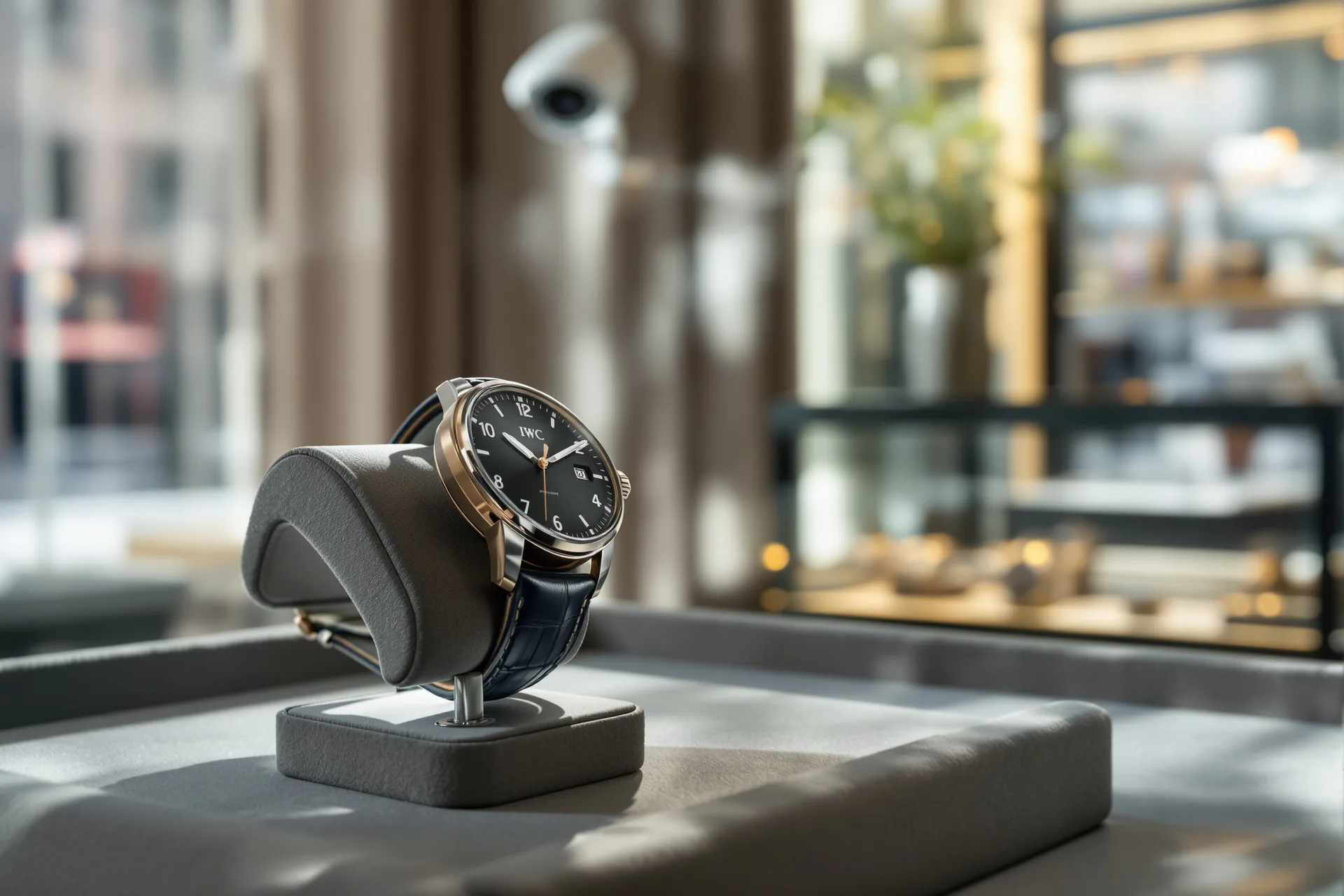
Private collection art insurance
Protect your private art collection. Art insurance offers more protection than home contents insurance. Request your free risk analysis now.
All details are taken from the provider's linked product page and the contract documents (IPID/policy conditions) published there; the insurer's documents prevail. Premiums, benefits and the insurance product itself may change – please verify the details directly with the partner before signing up; only the information provided there is binding.
 Katrin StraubManaging DirectorInsurance expert with over 20 years of experience in the insurance industry.
Published on
Last updated on
4 min read
Table of Contents
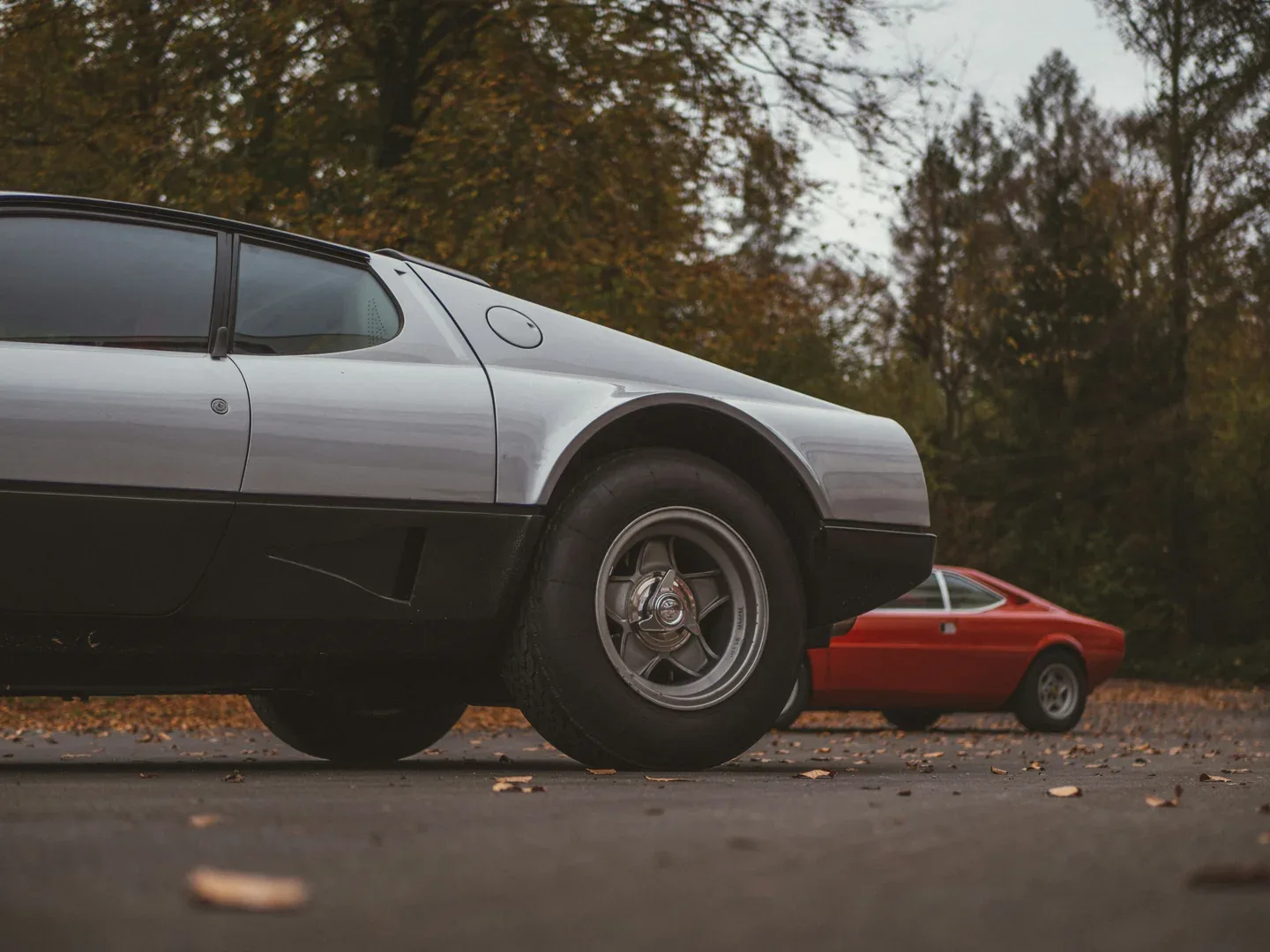
Classic car insurance
Discover nextsure's tailor-made classic car insurance. Optimal protection, digital processing, and expert advice for your automotive treasure.
Learn moreArt insurance for private collections: reduce risks by 90 per cent
Your art collection is more than just decoration; it is an investment with emotional and financial value. A standard home contents insurance policy often covers less than 20 per cent of the actual risk. Discover how tailored art insurance for a private collection provides comprehensive protection.
Contents insurance policies often cover only 20 per cent of the value of works of art
A conventional household contents insurance policy often limits compensation for valuables such as art to a lump sum. In a 100-square-metre flat with a sum insured of EUR 75,000, that would be a maximum of EUR 15,000. For serious private art collection insurance, that is insufficient. Even a single moderately priced work can exceed this limit.
Cover is also limited to specified perils such as fire, burst pipes or burglary. An all-risk policy, as offered by art insurers, covers almost all risks. These also include simple theft, mishandling by guests or transport damage incurred by loans.
Comparison: art insurance vs contents insurance
The differences in practice are considerable and can make the difference of thousands of euros in the event of a claim.
- Scope of cover: Household contents insurance only covers named perils; an art policy provides all-risk cover.
- Compensation limits: Household contents insurance often has a 20% limit for valuables; art insurance has none.
- Valuation: Household contents insurance reimburses the replacement value of new, comparable items, which is impossible for unique pieces.
- Additional services: Costs for restoration and loss in value are included only in an art policy.
- Area of validity: Worldwide cover and transport are standard in art insurance, and a rare exception in household contents policies.
These fundamental differences show why a specialised policy is essential for collectors.
All-risks cover protects against risks from transport to mishaps
The core of a professional art insurance policy for a private collection is all-risk cover (“All-Risk”). It reverses the principle of household contents insurance: everything is insured that is not explicitly excluded in the terms and conditions. This covers risks that frequently arise in everyday collecting. A loss caused by a visitor is thus covered just as much as loss while travelling.
A practical example illustrates the benefit. If, during cleaning work, a sculpture worth EUR 25,000 falls from its pedestal, contents insurance will not apply. Art insurance, by contrast, covers the cost of restoration and compensates for any possible diminution in value of, for example, 15 per cent. The same applies to a valuable wine collection that is damaged by an air-conditioning fault.
This comprehensive protection generally applies worldwide and also includes transport. The so-called “nail-to-nail” insurance covers an artwork from the moment it is taken off the wall until it is hanging again at the new location. This is crucial for loans to museums or transport to a second home.
Accurate valuation prevents financial losses
The basis of every art insurance policy is the correct sum insured, in order to avoid dangerous underinsurance. Unlike household contents insurance, the replacement value on the art market is used, not the new-for-old value. This value can exceed the original purchase price many times over. A purchase receipt alone is therefore often not a sufficient basis.
Professional insurers rely on appraisals by art historians to determine the market value. For sums insured of €500,000 or more, reassessment by the insurer’s experts is often standard practice. For individual, particularly valuable items, a fixed valuation is agreed in the policy, which is paid out without dispute in the event of a claim.
A calculation example: a graphic work was purchased ten years ago for €8,000. Its current market value is €25,000. In the event of a total loss, an art insurance policy would replace the €25,000, whereas a household contents policy, if it responded at all, would pay only a fraction of that. This precise valuation also protects other collections such as a coin collection or stamp collection.
Automatically include increases in value and new purchases in your cover
The art market is dynamic, and values can double within just a few years. A good art insurance policy for a private collection takes this into account. It usually includes a provision for value increases and new acquisitions. This clause automatically increases the sum insured by a certain percentage.
A flat increase of 25 to 30 per cent of the total sum insured is common. For example, if you buy a new work for 30,000 euros, it is covered immediately, without you having to adjust the policy straight away. You only need to notify the new addition within a period usually of three to six months.
This automatic adjustment is a decisive advantage. It prevents newly acquired objects or items that have increased in value from remaining unprotected. This applies not only to paintings, but also to other valuables such as jewellery or watches, which are often part of a collection.
Safety requirements reduce risk and insurance premiums
Insurers link cover for high-value collections to appropriate security measures. The requirements increase with the value of the collection. For collections under EUR 100,000, mechanical safeguards such as sturdy doors and certified locks are often sufficient. Investing in security technology can reduce the insurance premium by up to ten per cent.
For values above EUR 250,000, electronic measures are generally required. An alarm system connected to a manned alarm receiving and service centre is standard here. The exact requirements are always individual.
Typical security requirements at a glance:
Insurers assess the conditions on site and define the necessary measures.
- Mechanical protection: Burglar-resistant windows (at least RC2), security locks on all entrance doors.
- Electronic monitoring: VdS-certified intruder alarm system, ideally connected to a control centre.
- Safes and secure containers: Certified safes (e.g. to EN 1143-1) for smaller items such as valuable watches or jewellery.
- Fire protection: Smoke detectors are mandatory; for very high values, fire alarm systems may be required.
Compliance with these requirements is a prerequisite for full insurance cover, particularly against theft.
Expert tips on important contract clauses
The value of art insurance for a private collection becomes clear in the detail of the policy clauses. These cover specific risks that go beyond simple claims cover. A clause covering restoration costs is fundamental. It covers not only the repair itself, but also the resulting loss in value.
Another important provision is protection in the event of “Defective Title”. If a collector acquires a stolen work of art in good faith and later has to return it to the rightful owner, the insurer covers the resulting financial loss up to an agreed sum, often up to €30,000.
Our expert tip: look for a “Cash Option” clause. If, after restoration, there is a loss in value of more than 30 or 40 per cent, you can opt for compensation based on a total loss instead of the repair. This gives you financial flexibility, which is also relevant for owners of classic car collections.
Claims settlement: 5 steps to compensation
In the event of a claim, swift and correct action is crucial for a smooth settlement. A detailed inventory list with photos and valuation reports is the best preparation and significantly speeds up the process. Immediate notification to the insurer is the first and most important step.
Insurers actively support their customers in handling claims. Many work with the Art Loss Register, the world’s largest database of stolen art. Registering there increases the chance of recovering a stolen work by around 25 per cent.
How to act correctly in the event of a claim:
A structured process secures your claims.
- Report the damage immediately: Contact your insurer promptly by phone or online, at the latest within three days.
- Document the damage: Take photos of the damage and the location of the incident.
- In the event of theft, involve the police: Report the matter to the police immediately. The case reference number will be required for the insurance claim.
- Follow the insurer’s instructions: Do not take any action on your own, such as arranging restoration without prior agreement.
- Support the surveyor: Allow the expert appointed by the insurer access to the location of the damage.
Frequently asked questions
- Which objects can I insure with art insurance?
You can insure almost all types of art and collectables. These include paintings, sculptures, photographs, antiques, designer furniture, as well as collections of watches, jewellery, coins or rare wines.
- Does the insurance cover also apply abroad or during transport?
Yes, a key advantage of art insurance is worldwide cover. Transport, for example to exhibitions, restorers or a holiday home, is usually also covered by the “nail-to-nail” cover.
- What happens if the value of my collection increases?
Good policies include a precautionary clause that automatically covers increases in value and new purchases up to a certain percentage (often 25-30 per cent) of the sum insured. You then only need to report new acquisitions within the required period.
- What security requirements do insurers set?
The requirements depend on the value of the collection. They range from mechanical security measures such as security locks to VdS-certified alarm systems connected to an alarm receiving centre and specialist safes.
- What is the difference between replacement value and agreed value?
The replacement value is the amount that would need to be spent to acquire a comparable object on the current art market. A fixed valuation is a value agreed in advance between you and the insurer for a specific object, which is paid out in the event of a total loss without any further assessment.
- Are restoration costs also covered?
Yes, covering the costs of a professional restoration is a core benefit of art insurance. In addition, any depreciation of the object that may remain after the repair is also financially compensated.
Sources
- [1]Statista offers a statistic on the clearance rate for art theft.
- [2]Statista provides data on the theft of antiques, art and sacred objects.
- [3]Statista offers a topic page with statistics and information on the art market.
- [4]The Federal Ministry for Economic Affairs publishes the 2024 monitoring report on the cultural and creative industries.
- [5]Statista shows the revenue trend in the art market since 2003.
Conclude directly online
Verified partner tariffs at no extra cost. The button takes you straight to the provider's calculator.
 OCC
OCC
Classic car insurance
Modular motor insurance for classic and collector vehicles: liability, partial and comprehensive cover, plus optional add-on modules.
- Coverage area:
- Europe and non-European EU territories
- Notice period:
- 1 month before the end of the insurance year
- Payment frequency:
- monthly to annual
- Motor liability for third-party damage caused by the insured vehicle
- Partial comprehensive: theft, hail, storm, glass breakage
- Comprehensive: additionally covers vandalism and accidents
- ComprehensivePlus (VollkaskoPlus): further damage while operating the vehicle
- Roadside assistance package, driver protection, and vehicle environmental-damage cover are optional
Key exclusions
- Damage caused intentionally
- Participation in motorsport events and races
- Damage to cargo
- Wear-and-tear damage (Comprehensive/ComprehensivePlus)
Sums insured and the deductible are set out in the individual application or policy document. Insurer: Provinzial Nord Brandkasse AG
Fact sheet: benefits, exclusions and waiting periods in detail
All details are taken from the provider's linked product page and the contract documents (IPID/policy conditions) published there; the insurer's documents prevail. Premiums, benefits and the insurance product itself may change – please verify the details directly with the partner before signing up; only the information provided there is binding.
Information last updated: July 2026 · Source: provider product information (IPID/policy conditions)