Burglary: Which insurance? Protection & tips
Which insurance pays after a break-in? Learn how contents and buildings insurance work and how nextsure provides tailored cover.
 Katrin StraubManaging DirectorInsurance expert with over 20 years of experience in the insurance industry.
Published on
Last updated on
10 min read
Table of Contents
A burglary is a shock that can have significant financial consequences as well as emotional ones. Do you know which insurance policy will pay out in an emergency and how you can protect yourself and your belongings? This article explains and gives you concrete recommendations for action.
Immediate measures after a burglary: First steps for those affected
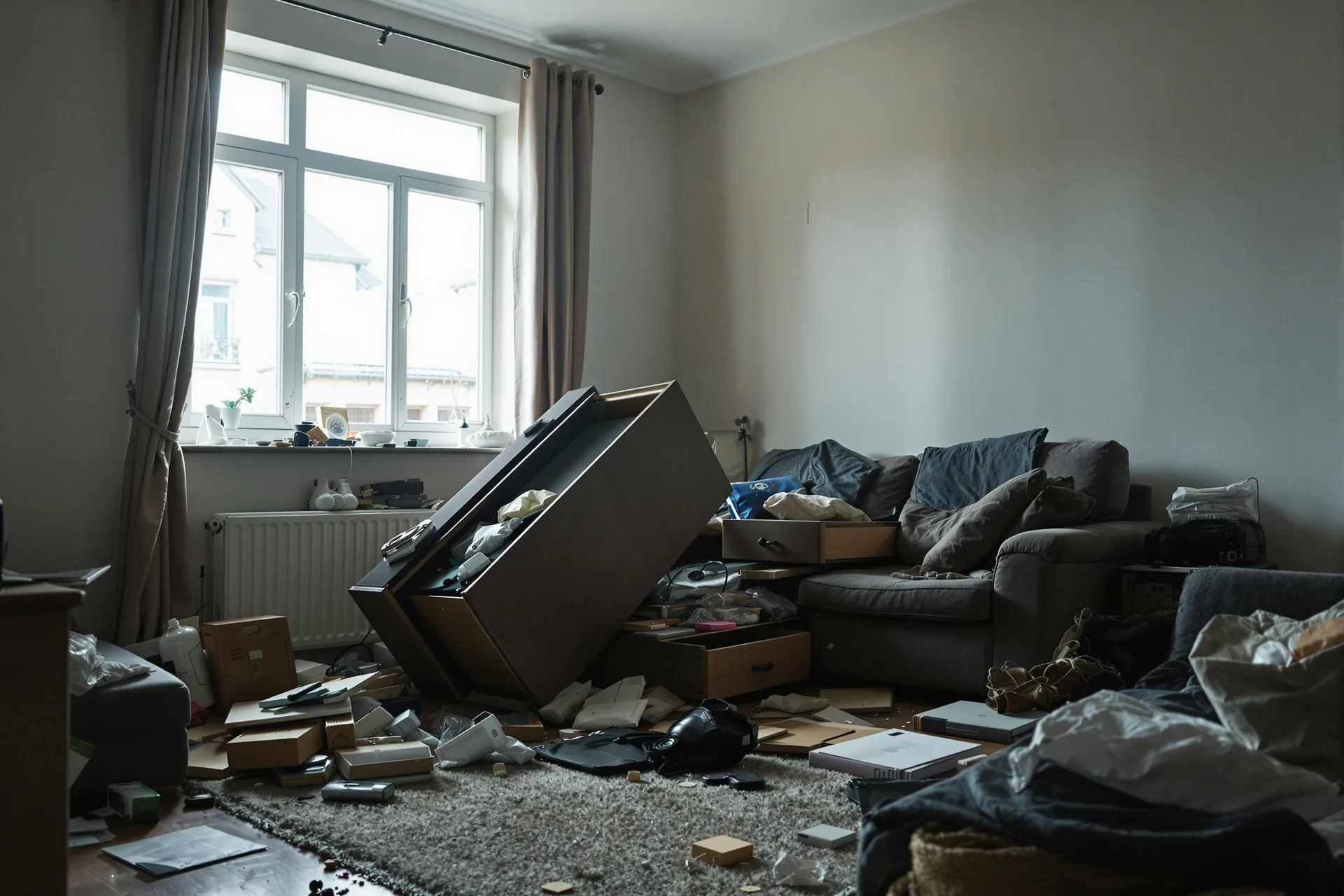
A burglary is a traumatic experience that requires prompt and considered action. First, you should contact the police immediately on the emergency number 110 or 117. Avoid entering the crime scene if possible before the police arrive, so as not to disturb any traces.
Once the police have given the all-clear, document all damage and create a detailed list of stolen items, the so-called list of stolen goods. Photograph signs of forced entry and damaged items as evidence for the insurer. Block all stolen cards (debit cards, credit cards) immediately and inform your bank; the insurance often covers the cost of this. Report the burglary to your contents insurance provider immediately, ideally within a few days. These initial steps are crucial for subsequent claims handling and help to deal with the emotional stress, at least in part.
Contents insurance: The primary protection against burglary
Contents insurance is the central protection in the event of a burglary. It usually covers damage to your movable possessions, such as furniture, electrical appliances, clothing and valuables. Compensation is usually paid at new-for-old value, meaning you receive the amount needed to replace equivalent new items.
Consequential damage such as vandalism after a burglary is also usually covered. For valuables such as jewellery, cash or works of art, compensation limits often apply, which can vary depending on the tariff; it is important to take a close look at your policy here. A good contents insurance policy can also cover hotel accommodation costs if your home is uninhabitable after the burglary, or the cost of changing the locks. The exact benefits and compensation limits, for example for cash often only up to 2,000 euros outside a safe, should be taken from your insurance conditions. Knowing these details helps you assert your claims correctly in the event of a loss.
Buildings insurance: protection for damage to the house itself
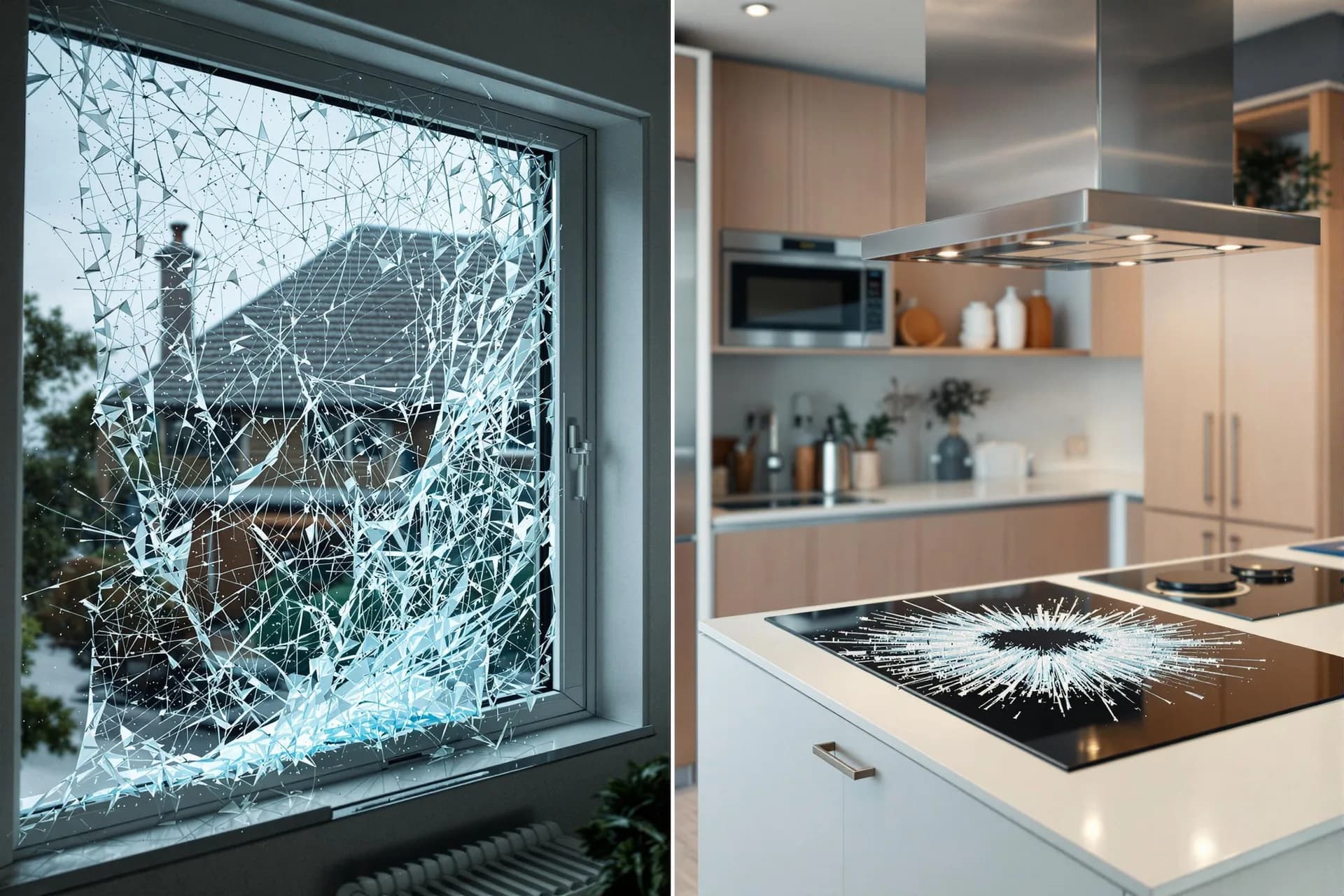
While household contents insurance covers the contents of your home, buildings insurance steps in for damage that occurs directly to the building. This includes, for example, broken-in doors, damaged windows or damage to walls caused by the burglary. It is important to know that burglary damage is not automatically included in every basic tariff of buildings insurance.
Often, a specific clause such as "Damage to buildings by unauthorised third parties" is required to ensure this cover. This clause then covers damage caused by burglary, vandalism and sometimes even arson. The repair costs for such damage to the building can be considerable, which is why adequate insurance cover is essential for property owners. Therefore, check your policy carefully or seek advice as to whether your current cover is sufficient. Buildings insurance can also apply if the tenant does not have contents insurance that covers damage to the building. This protects you from the financial consequences of repairs to your property.
Damage notification and settlement: Correct procedure secures claims
After you have taken the initial immediate measures, filing the correct claim with your insurer is the next important step. Submit the police report with reference number and the list of stolen items as soon as possible. Include photos of the damage and, if available, purchase receipts for the stolen items.
The insurer needs these documents to assess the loss and calculate the compensation. When preparing the list of stolen items, be as precise as possible and state realistic replacement values. Note any deadlines for submitting the claim that are set out in your insurance terms. Good documentation and cooperation with the insurer will speed up the settlement process. Our expert tip: keep important receipts and an inventory list of your valuables in a safe place so that you can act quickly in the event of a claim. This makes the process considerably easier.
Prevention: How to make your home safer and minimise risks
The best protection against the consequences of a burglary is to prevent it in the first place. Mechanical security devices on doors and windows are an important component of this. Crossbar locks or windows with resistance class two can make it much more difficult for burglars to gain entry. Also consider installing an alarm system as a supplementary measure.
Simple rules of conduct also help to improve security:
- Always lock windows and doors, even when you are away for a short time – a window left ajar is an invitation.
- Do not hide keys outside.
- If you are away for an extended period, make sure your house looks occupied (e.g. by using timers for lights, emptying letterboxes).
- Inform trusted neighbours of your absence.
The police often offer free advice on burglary protection. An investment in security technology, which often accounts for less than five per cent of the potential damage, can quickly pay for itself and give you greater peace of mind. Bear in mind that gross negligence, such as leaving a window open, may jeopardise insurance cover.
Expert knowledge: legal aspects and recent rulings
There are always interesting developments and rulings in insurance law that may be relevant for those affected. The Federal Court of Justice (BGH) has strengthened policyholders’ rights in a judgment (case no. IV ZR 91/23) by clarifying that, in order to prove a burglary theft, not all traces need to be consistent without contradiction. A minimum of facts is sufficient to make a theft probable according to common experience, such as visible signs of forced entry and the inability to locate items.
Another judgment (BGH, case no. IV ZR 118/22) dealt with the loss of keys: if the insured loses their key and it is then used in a burglary, the insurer may, in certain circumstances, reduce or refuse payment on the grounds of negligence. It is therefore important to know and fulfil your own obligations as a policyholder. These also include keeping the loss as small as possible and informing the insurer without delay. Our expert tip: if anything is unclear or if there is a dispute with the insurer, advice from a specialist solicitor for insurance law can be worthwhile. This ensures your interests are optimally protected.
Special cases and supplementary insurance: What goes beyond basic cover
Not every burglary loss is automatically covered by standard contents or buildings insurance. For certain risks or items, additional insurance policies or specific clauses may be worthwhile. For example, bicycle theft is often only insured up to a certain amount, or only if the bicycle was included separately or certain security measures were in place. For expensive works of art or collections, a special contents insurance or valuables insurance may also be necessary, as the compensation limits of normal contents insurance are often not sufficient here.
Burglary in outbuildings such as basements, garages or garden sheds is often included as standard, but there are also differences depending on the tariff and insurer. The so-called off-premises cover protects household contents that are temporarily outside the home, for example in a holiday hotel – special conditions and periods of usually three months often apply here. Check your contracts carefully for such details. Our expert tip: regular review and adjustment of your insurance cover, for example every two to three years or when making major purchases, ensures that you are always optimally protected. This helps you avoid gaps in cover and be prepared for various scenarios.
Your partner for comprehensive protection: Tailored advice from nextsure
The complexity of insurance cover in the event of burglary makes an individual assessment of your situation essential. At nextsure, we understand that every household and every property has unique needs. We help you find the right cover from a range of contents insurance policies and buildings insurance policies. Our digital platform enables you to compare and take out tailored solutions easily and clearly.
We place great importance on transparent information and support you in identifying and closing gaps in cover. With our expertise in the field of niche insurance, we can also cover special risks. Rely on our experience of over ten years in the digital insurance market. Take advantage of our advice to ensure that, in the event of a claim, you are supported not only financially but also emotionally in the best possible way. One call is all it takes, and we will review your existing cover.
Frequently asked questions
- Which insurance is most important in the event of a burglary?
Contents insurance is the most important insurance in the event of a burglary for tenants and owners, as it covers the loss and damage to movable possessions (contents). For property owners, buildings insurance is also important for damage to the building itself.
- What should I do immediately if my home has been burgled?
Call the police immediately (110 or 117). Do not change anything at the scene. Report the damage to your insurer. Create a list of the stolen items (stolen goods list). If necessary, block cards.
- Does contents insurance also cover vandalism after a burglary?
Yes, as a rule, contents insurance also covers damage caused by vandalism that is directly related to a burglary.
- What is the difference between replacement value and current value when it comes to compensation?
Replacement cost is the amount needed to buy a stolen or damaged item new today. Actual value takes the item’s age and wear and tear into account and is therefore usually lower. Contents insurance usually pays out on a replacement-cost basis.
- Are damage to doors and windows covered by contents or buildings insurance?
Damage to doors and windows that are permanently attached to the building is usually covered by building insurance, provided burglary damage is included in the cover. Sometimes contents insurance also covers such damage, especially if the tenant does not have building insurance.
- How can I improve my insurance cover in the event of a break-in?
Check your sum insured is up to date (waiver of underinsurance). If necessary, take out additional cover for bicycles or valuables. Make sure gross negligence is included. Invest in burglary protection to minimise the risk.
Sources
- [1]Wikipedia provides a comprehensive overview of burglary.
- [2]Laws on the Internet contains the full text of section 244 of the Criminal Code, which governs aggravated theft.
- [3]K-Einbruch, an initiative by the police and other partners, offers valuable information and practical tips for preventing burglaries.