Bicycle insurance: What is covered?
Bike insurance: what's covered? Theft, damage, wear and tear and more at a glance, including costs and how it differs from home contents and liability
All details are taken from the provider's linked product page and the contract documents (IPID/policy conditions) published there; the insurer's documents prevail. Premiums, benefits and the insurance product itself may change – please verify the details directly with the partner before signing up; only the information provided there is binding.
 Katrin StraubManaging DirectorInsurance expert with over 20 years of experience in the insurance industry.
Published on
10 min read
Table of Contents
Bicycle, home contents, liability: Who actually pays when? This guide shows which perils a bicycle insurance policy covers, where home contents insurance stops, why liability insurance never steps in for your own bike, and what a policy costs in 2026.
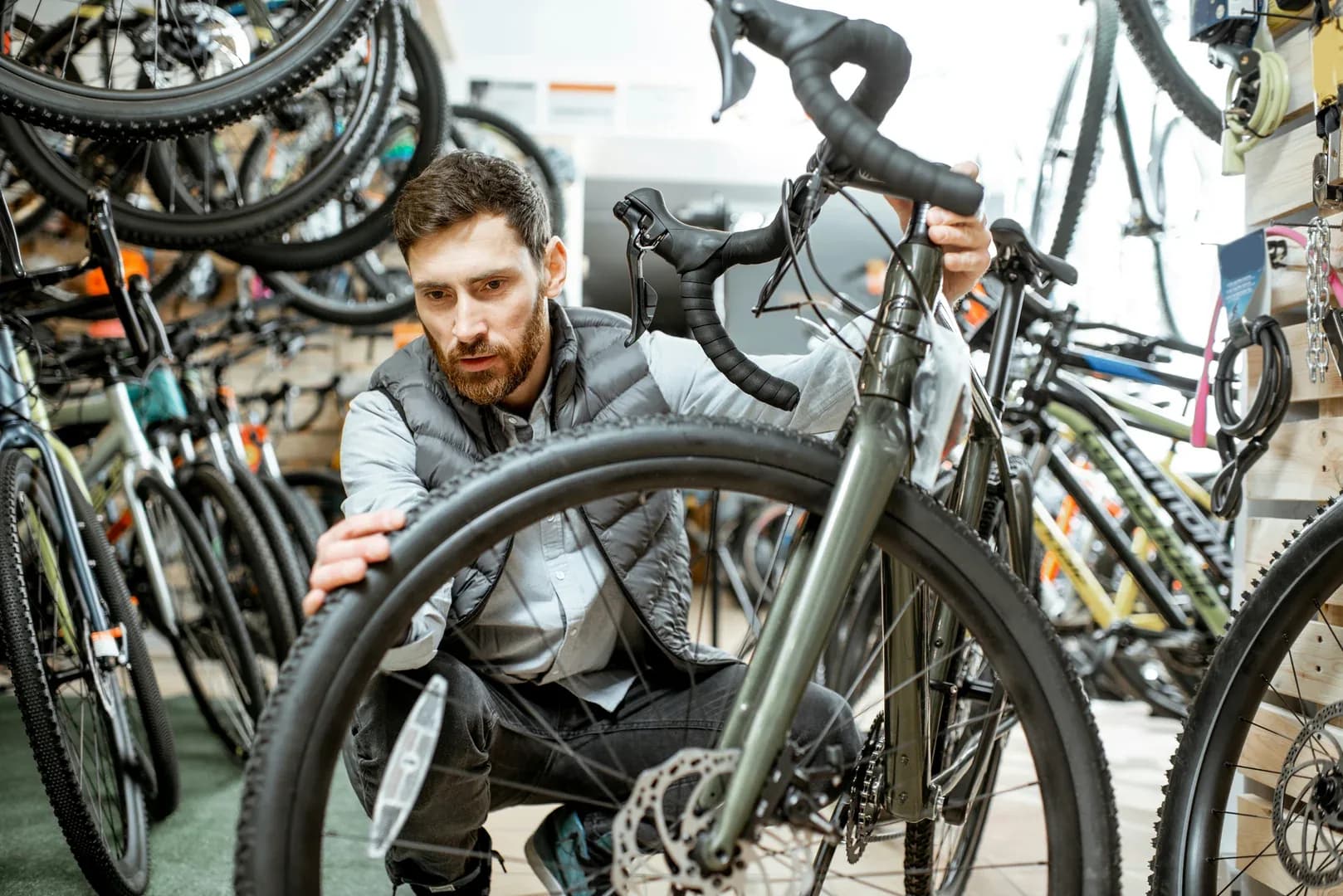
Bicycle theft insurance
Reliably protect your bicycle against theft – with nextsure's bicycle theft insurance. Comprehensive cover, concluded digitally and hassle-free.
Learn moreWhat a bicycle insurance policy covers
Yes, a dedicated bicycle insurance policy is a property insurance that protects the bike itself: it pays for destruction and damage, and in the extended variant additionally for theft. It thus closes exactly the gap that home contents and liability policies leave open for a regular bicycle. Which perils are specifically insured depends on the chosen tariff; typically this includes:
- Theft, burglary, looting as well as robbery and extortion (in the extended variant)
- Destruction and damage, including through operating errors and improper handling
- Fire and explosion
- Natural hazards such as storm, hail, flooding, avalanches and landslides
- Wear and tear, but only in Kasko or all-inclusive protection tariffs
The territorial scope is worldwide in many tariffs; in addition to the sum insured, some products apply a precautionary amount of 15 percent for accessories and damage. The exclusions are important: not covered, for example, are CFRP components (carbon) unless separately agreed, downhill rides, rides in bike parks, jumps, damage from rust or oxidation, and damage from commercial use. And there is a waiting period (the period after taking out the policy during which theft cover does not yet apply) of 6 weeks, unless the bicycle was insured with proof within 12 months of the purchase date.
The figures from the German Insurance Association (Gesamtverband der Deutschen Versicherungswirtschaft, GDV) show why this protection is worthwhile at all: in 2025, around 115,000 insured bicycles were stolen, for which household insurance paid out around 150 million euros.[1] The average loss per theft reached a new record of 1,270 euros in 2025, driven by high-end bicycles and e-bikes.[1]
Is a bicycle covered by household insurance?
Yes, if the bike is stolen by burglary (theft involving overcoming a resistance, such as a lock) from a locked space like a basement or garage. No in the case of simple theft outdoors, such as outside the supermarket or train station: the standard household insurance policy usually provides no cover for this, unless the policy includes a paid bicycle clause, i.e. an additional agreement that also covers theft of the bike away from home.
- Simple theft while out and about is only covered by a bicycle clause at an extra premium
- Under older insurance terms, full cover is often restricted by the night-time clause to between 6 a.m. and 10 p.m., unless the bike was in use and secured with an independent lock
- Compensation is often capped, frequently at only a few percent of the insured household sum, which means expensive bikes and e-bikes can be underinsured
- Bikes parked outside must be secured with an independent bicycle lock; permanently frame-mounted locks do not always count as independent
The bicycle clause is more widespread than many think: around 27 million households in Germany have household insurance, and according to the GDV about half of these policies include a bicycle clause.[1] Whether your policy is one of them, and up to what sum it pays out, is stated in your policy documents. By the way: pedelecs with a rated continuous power of up to 250 watts and pedal assistance up to 25 km/h are legally classified as bicycles and are covered in the same way, whereas fast S-pedelecs up to 45 km/h are treated as motor vehicles with an insurance plate.[2]
Does liability insurance pay for damage to your bicycle?
No, clearly not. Personal liability insurance (which covers damage you cause to others) never replaces your own bike. However, it does step in if you, as a cyclist, cause damage to third parties — for example, grazing a parked car or bumping into a pedestrian. This cover also applies on a standard pedelec. For your own bike, property insurance alone is responsible — that is, household insurance or a bicycle insurance policy.
| Type of loss | Responsible insurance |
|---|---|
| Bike stolen from a locked basement | Household insurance (burglary theft) |
| Bike stolen from the street | Bicycle insurance or household insurance with a bicycle clause |
| Parked car damaged while riding | Personal liability insurance |
| Fall or vandalism damage to your own bike | Bicycle insurance with comprehensive (Kasko) cover |
The S-pedelec is a special case: legally classified as a moped, it requires motor vehicle insurance. You can find everything you need to know in the guide to S-Pedelec insurance.
Can you insure a bicycle with comprehensive cover?
Yes, as a comprehensive (Kasko) or all-in-one protection tariff that goes beyond pure theft cover. Such tariffs also cover additional risks that cause the most common damage in everyday life:
- Accident, fall and vandalism damage
- Partial theft, for example of the saddle, wheels or battery
- Wear and material damage
- Repair costs, in some cases supplemented by assistance benefits such as breakdown help
When it comes to compensation, tariffs distinguish between replacement value (the amount an equivalent new bike costs) and current value (the bike's present second-hand worth). For its March 2026 comparison, Stiftung Warentest examined 112 tariffs from 45 providers: very good tariffs replace the bike's replacement value over several years, and the top tariffs even do so without any time limit in the case of theft.[3]
Please note: comprehensive tariffs cost significantly more than pure theft tariffs and, according to the 2026 comparison, are mainly worthwhile for frequent riders with very expensive bikes from 3,000 euros upwards, such as modern e-bikes.[4] They pay off above all when a single fall damage or a stolen battery could exceed the annual premium several times over.
How much does bicycle insurance cost?
The range is wide. According to the Warentest comparison from March 2026, very good theft protection for a trekking bike worth 1,500 euros is available nationwide from around 30 euros per year; an e-bike worth 6,000 euros can be insured for around 60 euros per year.[3] The range is open-ended at the top: some policies cost more than three times as much as the cheapest ones, especially comprehensive (Kasko) tariffs with wear-and-tear and repair protection. What you actually pay depends mainly on these factors:
- Value of the bike: the more expensive the bike, the higher the premium
- Theft risk at your place of residence: in high-risk cities like Berlin or Göttingen you pay more depending on the tariff than in rural regions
- Scope of coverage: pure theft protection is cheaper than comprehensive (Kasko) coverage with wear and repair costs
- Deductible, meaning the share you bear yourself in the event of a claim: anyone who agrees to one pays a lower premium
A concrete calculation example for the expected value, i.e.[3] the statistical average loss per year: if your bike is worth 1,000 euros and the probability of theft in your city is 5 percent per year, without insurance you statistically lose 50 euros per year. If the policy costs less, it pays off purely statistically. Which factors determine the price in detail is explained in the guide on the costs of bike insurance bike insurance costs.
Does this apply to you because you ride a high-quality bike or e-bike and regularly park it outside? Then it is worth looking beyond this article: in a consultation, bike value, parking situation and a suitable tariff can be discussed in concrete terms.
When bike insurance is worth it for you
The general rule is: a high-quality bike that is frequently parked outside needs more protection than basic household contents coverage provides. The decisive distinction comes down to three questions: how much is your bike worth, where and how securely do you park it, and how high is the theft risk where you live? A general article cannot settle your individual case, because the answer depends on your policy, your lock and your city.
As a next step, it makes sense to compare nextsure's bike insurance and book a consultation. In that conversation, you can clarify which tariff variant fits your bike's value, parking situation and place of residence. nextsure compares tariffs, advises independently and brokers the contract; the insurance coverage itself is provided by the insurer.
A brief outlook to close: tariffs, premiums and conditions change constantly, and the figures given here reflect the status of their respective sources. Therefore, always check the provider's current terms and conditions before taking out a policy.
Frequently asked questions
- What exactly does bike insurance cover?
Depending on the tariff, theft, burglary and robbery as well as destruction, damage, operating errors, fire and natural hazards such as storm and hail are covered; wear and tear is only covered by a comprehensive (Kasko) tariff. Typical exclusions are carbon components without a special agreement, downhill rides, bike parks and jumps. Without proof of purchase within 12 months, a waiting period of 6 weeks may also apply.
- Is my bike covered by my household contents insurance?
Yes, but only to a limited extent: household contents insurance standardly pays out for burglary from locked rooms such as a basement or garage. If the bike is taken outside (simple theft), coverage only applies with a paid bike clause. Around 27 million households in Germany have household contents insurance, and according to GDV about half of these policies contain such a clause.
- Which insurance pays if my bike is stolen?
For burglary from locked rooms, household contents insurance pays, provided the sum insured is sufficient. For theft outside, you need the bike clause in your household contents policy or a separate bike insurance. Almost always a prerequisite is that the bike was secured with an independent lock to a fixed object.
- Can you insure a bike with comprehensive (Vollkasko) coverage?
Yes, as a Kasko or all-round protection tariff. In addition to theft, these tariffs cover accident, fall and vandalism damage, partial theft and wear and tear. They cost significantly more than pure theft tariffs and are worthwhile mainly for high-quality bikes.
- Does liability insurance pay for damage to my own bike?
No. Personal liability insurance steps in when you damage other people or their property with your bike, for example a parked car. It is not responsible for damage to your own bike; for that you need household contents insurance or bike insurance.
- How much does bike insurance cost per year?
According to the Warentest comparison from March 2026, very good theft protection for a trekking bike worth 1,500 euros is available nationwide from around 30 euros per year; an e-bike worth 6,000 euros can be insured for around 60 euros per year. Kasko tariffs with wear-and-tear and repair protection are significantly more expensive.
- Do I need separate insurance for my e-bike?
Pedelecs with up to 250 watts of continuous rated power and pedal assistance up to 25 km/h are legally considered bicycles and can be covered by household contents or bike insurance. S-Pedelecs up to 45 km/h, on the other hand, are considered motor vehicles and require an insurance license plate.
Sources
- [1]gdv.de
- [2]adac.de
- [3]test.de
- [4]procontra-online.de
Conclude directly online
Verified partner tariffs at no extra cost. The button takes you straight to the provider's calculator.
 Hepster
Bicycle insurance
Worldwide cover for your bicycle against damage and wear, with theft also covered in the extended variant.
- Coverage area:
- worldwide
- Waiting period:
- 6 weeks (waived for bikes up to 12 months old from purchase)
- Minimum term:
- 3 months (monthly subscription)
- Destruction and damage, including through operating errors
- Fire, explosion, storm, hail, flooding, avalanches, landslides
- Wear and tear on the bicycle is covered
- Extended variant: theft, burglary, robbery, and looting
- A 15% contingency allowance on top of the sum insured
Key exclusions
- Carbon components (CFRP) without a separate agreement
- Downhill riding, bike parks, sporting events, and jumps
- E-bikes and motor vehicles subject to mandatory insurance
- Commercial use
Trusted Shops: 4,5/5 „Sehr gut“ (2.600 Bewertungen)
hepster insgesamt (Anbieterbewertung, alle Versicherungen)
Benefits may be reduced for theft if the bike was not locked to a fixed object as customary; notice period 3 business days before the end of the billing period. Insurer: andsafe Aktiengesellschaft
Fact sheet: benefits, exclusions and waiting periods in detail
All details are taken from the provider's linked product page and the contract documents (IPID/policy conditions) published there; the insurer's documents prevail. Premiums, benefits and the insurance product itself may change – please verify the details directly with the partner before signing up; only the information provided there is binding.
Information last updated: July 2026 · Source: provider product information (IPID/policy conditions)